Last updated November 17, 2026


Free written scope consultation - allowances, timeline, and change-order rules on paper before a single trade is scheduled
DIY vs Professional Construction: The Lancaster Homeowner’s Decision Guide
Unpermitted work in Lancaster doesn’t just risk a stop-work order. It creates a title encumbrance that Los Angeles County flags during escrow, and the seller has to either permit the work retroactively, which opens it up for inspection, or tear it out. A DIY concrete patio over 200 square feet is the most common trigger we see, and the retroactive permit process usually costs two to three times what the original permit would have. This guide gives you a decision framework based on project type, not ambition level: what Lancaster’s climate does to work that’s done correctly but not engineered for the desert, which permits you can’t skip no matter who swings the hammer, and the three categories where doing it yourself genuinely pays.
Quick Answer
Hire a licensed professional for anything that touches structural framing, electrical panels or new circuits, gas lines, roofing, and any concrete or hardscape work that requires a permit. Do it yourself for painting, non-structural landscaping, and interior demolition of non-load-bearing walls. The dividing line isn’t your skill. It’s permit exposure, insurance liability, and whether the work has to survive Lancaster’s specific conditions: summer highs near 110°F, the Antelope Valley’s freeze-thaw swings in January, and soil that moves.
Styles & brands we work with
- Kitchen remodeling
- Bathroom remodeling
- Home additions & ADU
- Roofing
- Windows & doors
- Driveway & pavers
- Fence
Table of Contents
- The Permit Threshold: What Lancaster Requires Regardless of Who Does the Work
- What “Unpermitted” Means to a Title Company vs. a Building Department
- Three Trades Where Skill Doesn’t Matter: The Law Requires a License
- The Three Project Categories Where DIY Genuinely Pays in Lancaster
- How to Calculate the True Cost of DIY (It’s Rarely the Materials)
- The Hybrid Project: How Owner-Building Actually Works in California
- Why Lancaster’s Climate Punishes Work That’s Done Right but Not Engineered
- Common Mistakes to Avoid
The Permit Threshold: What Lancaster Requires Regardless of Who Does the Work
Here’s the part most DIY guides skip. A permit is attached to the work, not to the person performing it. Whether you hire a crew or do it yourself on a Saturday, the City of Lancaster’s building division requires a permit for the same list of projects. Skipping the permit because you’re the one doing the work is the single most expensive decision in home improvement, and it’s the one that surfaces years later at the worst possible time.
Projects that require a permit in Lancaster regardless of who performs the work:
- Any structural change, including removing or modifying a load-bearing wall
- New electrical circuits, panel upgrades or replacements, and any work inside the panel
- Plumbing alterations that move or add supply or drain lines
- Gas line work of any kind
- Roof replacement, including re-roofing over existing shingles
- Concrete flatwork and hardscape over 200 square feet, including patios, driveways and walkways
- Fences over six feet tall, and any fence in a front setback
- Water heaters, HVAC replacement, and any addition or ADU
Walk into the Lancaster permit counter with a plan set and you’ll get a written correction list, a fee schedule, and an inspection sequence. Do the same work without a permit and the counter becomes a code enforcement file. The Antelope Valley’s dry, windy spring means a lot of patio and fence work gets done in a hurry by homeowners who assume a slab is a slab. It isn’t. A slab poured without inspected formwork and without the right reinforcement for our expansive soils will crack within a couple of seasons, and there’s no recourse once the truck has left.
What “Unpermitted” Means to a Title Company vs. a Building Department
Most homeowners think of unpermitted work as a risk with the city. The bigger risk, in practice, is with the title company. When you sell a Lancaster home, the buyer’s lender and title insurer ask a specific question: does the property match what’s on record with Los Angeles County? A converted garage, an enclosed patio, a room addition without a permit, or a large hardscape install that appears on aerial imagery but not in the permit file all trigger scrutiny during escrow.
Here’s how the two parties see it differently:
- The building department cares about code compliance and safety. They can issue a stop-work order, require a retroactive permit, and inspect the work. If it doesn’t meet code, they can require demolition.
- The title company cares about whether the property can be sold cleanly. An unpermitted structure, or a permitted one that doesn’t match the county record, gets flagged. The buyer’s lender may refuse to fund until it’s resolved, which means you’re paying for a permit and inspection on a project you already finished.
A concrete patio over 200 square feet is the most common trigger we see in Lancaster, and it’s the most avoidable. The permit is a few hundred dollars and an inspection or two. The retroactive version, which is what happens when it’s discovered at escrow, opens the work back up for inspection and typically costs two to three times the original permit. If the work doesn’t pass, you’re paying for demolition and a new pour. A patio is not worth a stalled sale.
Three Trades Where Skill Doesn’t Matter: The Law Requires a License
This is where the DIY question gets decided for you. Some work is legally off-limits to homeowners in California regardless of how capable you are, and it’s not because the state doubts your hands. It’s because certain systems fail in ways that hurt people, and the licensing requirement is how the state keeps a paper trail.
- Electrical panel work. Under the California Electrical Code, any work inside the service panel, any panel replacement, and any new circuit requires a licensed electrician and a permit. A homeowner can legally change a light fixture or swap an outlet on an existing circuit. Anything that touches the panel, and anything involving new wiring runs, is a licensed trade. This is also the highest-consequence work in a house: a panel wired wrong can sit quietly for years and then cause a fire.
- Gas lines. Inspected, pressure-tested, and licensed. A gas line leak in a Lancaster home, sealed into a wall or under a slab, may not show up until someone smells it. We’ve seen homeowner gas work that passed a soap-bubble test in the driveway and failed a pressure test at the meter. The gap between passing and not-passing is invisible until it isn’t.
- Structural concrete and framing. A permit makes the formwork and reinforcement visible for inspection before the pour. Do it yourself without a permit and no one ever sees the rebar. In Lancaster’s soils, which include expansive clays, the difference between correctly engineered and eyeballed reinforcement appears as a crack pattern in the first two summers.
If a contractor tells you a licensed trade isn’t needed for panel work or a gas line, that’s a conversation to end. Our technicians have up to 19 years of experience, and not one of them would self-perform panel work without the permit and the inspection.
The Three Project Categories Where DIY Genuinely Pays in Lancaster
We’re not going to tell you to hire out everything. There are projects where doing it yourself is the smart financial call, and we say so plainly when we quote. Here are the three, and what good execution looks like for each.
1. Painting
Interior and exterior painting is the highest-return DIY work in a Lancaster home, full stop. The material cost is small, the skill curve is shallow, and the labor cost you save is real. What good execution looks like: proper surface prep (scraping, sanding, patching), a primer coat on bare or patched surfaces, and exterior paint formulated for high UV and temperature swings. In our climate, exterior paint fails from sun exposure before it fails from moisture, so a cheap paint is a false economy. Spend the money on the paint, save on the labor.
2. Non-Structural Landscaping
Planting, mulch, ground cover, raised garden beds, and irrigation on existing hose bibs are all fair game. Lancaster’s water restrictions and desert conditions mean xeriscaping pays back in the first year. What good execution looks like: proper grading so water runs away from the foundation, not toward it. This is where DIY landscaping goes wrong in the Antelope Valley. A slope that routes monsoon-season runoff toward the slab will find every crack in three seasons.
3. Interior Non-Load-Bearing Demo
Pulling cabinets, tearing out carpet, removing drywall from a wall you’ve confirmed is non-structural, and hauling debris are all work a motivated homeowner can do. What good execution looks like: verifying with a structural engineer, or a licensed contractor who’ll sign off, that the wall is non-load-bearing before the sledgehammer comes out. This is the one place we’ve seen serious injury, because a homeowner guessed wrong about which wall held up the second floor. The demo is cheap. The mistake is not.
How to Calculate the True Cost of DIY (It’s Rarely the Materials)
The comparison homeowners usually make is the contractor’s quote against the Home Depot receipt. That comparison is wrong, and it’s wrong by a large margin. Here’s the formula that gets you closer to the truth.
- Materials plus waste. First-time installers waste 10 – 20% of material on a typical project. A contractor buys at trade pricing and wastes 3 – 5% because the process is standardized. A homeowner paying retail for pavers and then wasting 15% of them is paying roughly 25% more per installed square foot than a contractor does. Brand names like Tremron, Techo-Bloc, and Cambridge Pavers are a real example: a contractor buying in volume gets a price a homeowner can’t walk into a showroom and ask for.
- Tool rental. A tile saw, a plate compactor, a nail gun, scaffolding, a concrete mixer. Add it up honestly. The compactor alone is a day-rate item and if you skip it, your paver base will settle and your new walkway will be uneven in a year.
- Time at your actual rate. This is the number most homeowners ignore. Take your hourly wage or your freelance rate and multiply by the realistic hours the project takes, which is usually two to three times the estimate. A weekend project is rarely one weekend.
- The redo cost. Factor in a realistic chance that part of the project gets torn out and redone. This is what makes DIY a coin flip on anything with a hidden failure mode, like tile over an uncured substrate or shingles over a bad deck.
When you run the numbers on painting, DIY usually wins. When you run them on a paver driveway, it usually loses, and it loses more than homeowners expect. Our Driveway & Pavers in Lancaster page has line-item pricing ranges if you want to compare against a quote.
The Hybrid Project: How Owner-Building Actually Works in California
There’s a middle path a lot of Lancaster homeowners don’t know about: the owner-builder permit. California allows a homeowner to act as their own general contractor on their own residence, which means pulling the permit in their name and hiring licensed subcontractors trade by trade. It’s legal, it’s a real option on larger projects, and it saves the general contractor’s markup. It also puts every coordination and compliance risk on you.
What you can self-perform under an owner-builder permit, and what you can’t:
- You can self-perform: non-structural demolition, painting, landscaping, finish carpentry, and other non-licensed work. You can coordinate the schedule and manage the inspections.
- You must hire licensed trades for: electrical, plumbing, gas, HVAC, roofing in most cases, and structural engineering sign-off. The owner-builder exemption does not let you self-perform licensed trade work on a project involving a permit.
- You own the outcome: the inspection schedule, the lien exposure from subcontractors who weren’t paid, and the workers’ compensation gap if someone gets hurt on your property. A general contractor carries that risk as part of the contract. An owner-builder takes it on personally.
Owner-building works well for the right homeowner with the right project and a real tolerance for managing a schedule. For a kitchen remodel or a Home Additions & ADU in Lancaster, most homeowners find the coordination load outpaces the savings before the framing is done. If you’re weighing it, get a free second opinion on any written estimate. We’ll review a competitor’s quote line by line, at no charge, and tell you what the owner-builder version actually saves.
Why Lancaster’s Climate Punishes Work That’s Done Right but Not Engineered
This is the part most DIY-vs-pro guides miss, and it’s the part that matters most in Lancaster. Our climate isn’t just hot. It’s a specific set of failure mechanisms that reward work engineered for them and quietly wreck work that isn’t.
- Expansive clay soils. Much of the Antelope Valley sits on clay that swells when wet and shrinks when dry. A slab or paver base poured without the right depth and reinforcement is fine the first year and cracked by the second summer. Correctly engineered hardscape in Lancaster accounts for soil movement. Eyeballed work does not.
- UV and heat cycling. Summer highs near 110°F and winter overnight freezes in the same year. Roofing materials, sealants, and exterior paint all fail faster under this cycle than under the milder conditions most DIY videos were filmed in. Owens Corning and GAF shingles spec differently for high-heat zones, and a cheap shingle installed correctly still fails on schedule in Lancaster.
- Wind-driven dust and dry-season fire risk. Fence installation and roofing work in Lancaster has to account for wind loading and ember exposure. A fence a homeowner builds to a generic plan in a high-wind area will lean within two seasons. Our Fence Installation in Lancaster page covers the wind and setback specifics that the city checks on inspection.
None of these failure modes are about craftsmanship. A homeowner can do careful, correct work and still get the details wrong, because the details are local. That’s the argument for hiring a professional on the projects where the climate is doing the grading.
Common Mistakes to Avoid
- Skipping the permit on concrete flatwork over 200 square feet. This is the single most common Lancaster mistake and the one that costs the most at escrow. The permit is cheap. The retroactive version is not.
- Assuming a wall is non-load-bearing because it “looks” non-load-bearing. A structural engineer or a licensed contractor has to confirm it before demo. We’ve seen homeowners discover the hard way which wall carried the second floor.
- Self-performing electrical panel work. California code requires a licensed electrician for anything inside the panel. This isn’t a judgment call; it’s a legal line, and it’s become an insurance problem when a fire claim investigation finds unpermitted panel work.
- Buying pavers retail and assuming it’s cheaper. By the time you add waste, base material, compaction rental, and your weekend hours, a Driveway & Pavers in Lancaster install often costs less than the DIY version once the true cost is tallied.
- Underestimating roof safety. Roofing is the highest-injury-rate construction trade and most homeowner roof work happens without fall protection. If the roof pitch is anything above a shallow walk, this is a job for a trained crew, not a Saturday project.
- Letting a project change without a signed change order. This is true whether you’re the contractor or the homeowner coordinating subcontractors on an owner-builder project. Any change that isn’t written down is a change that gets argued about later.
- Confusing “the work looks fine” with “the work passes inspection.” These are different questions. A deck that looks level can fail inspection on the ledger attachment. Unpermitted, fine-looking work is the most expensive kind.
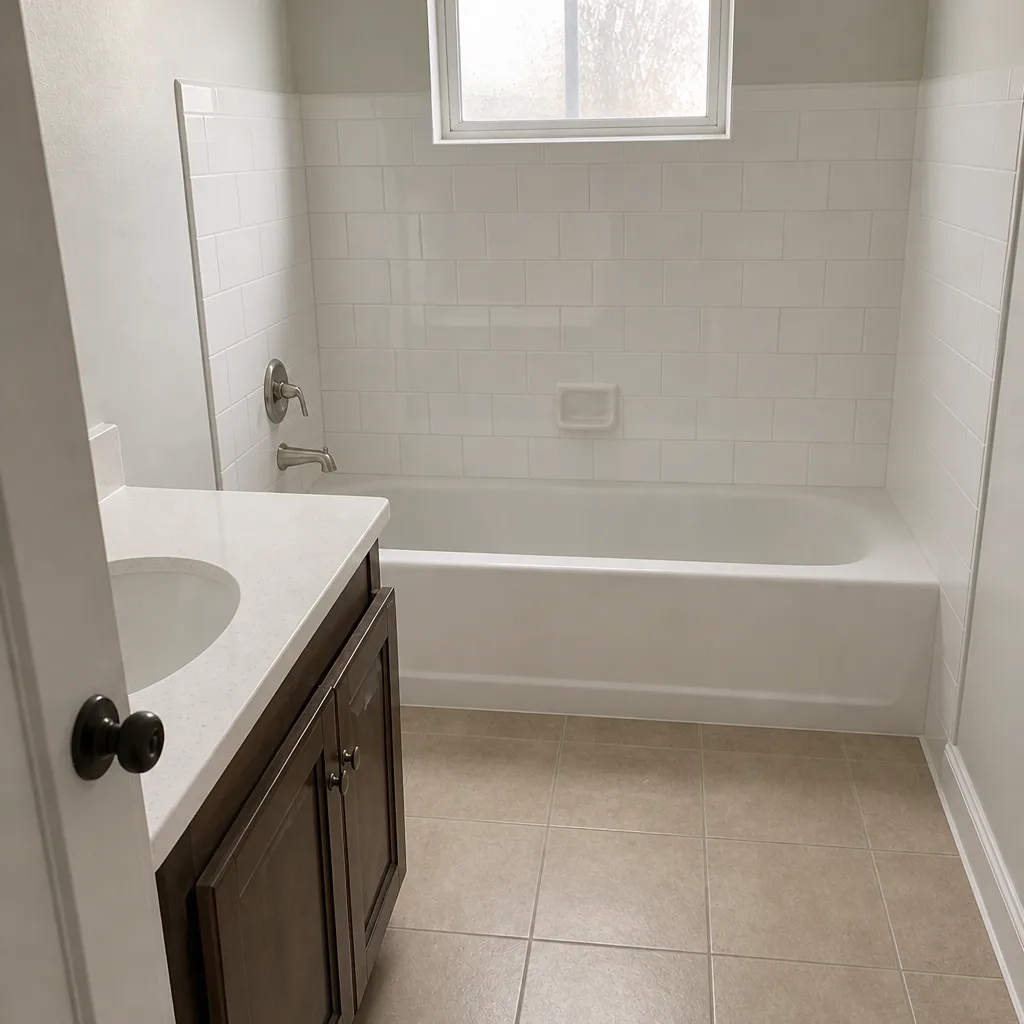
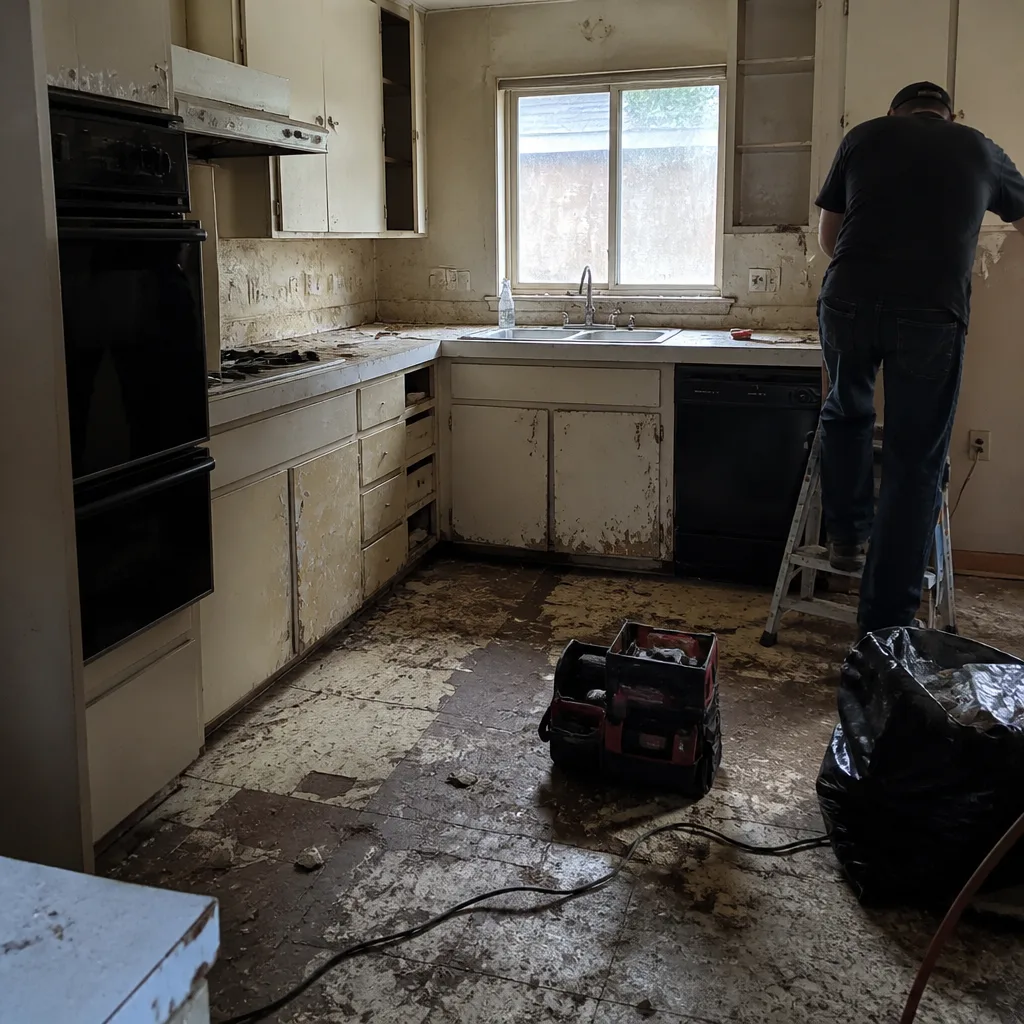
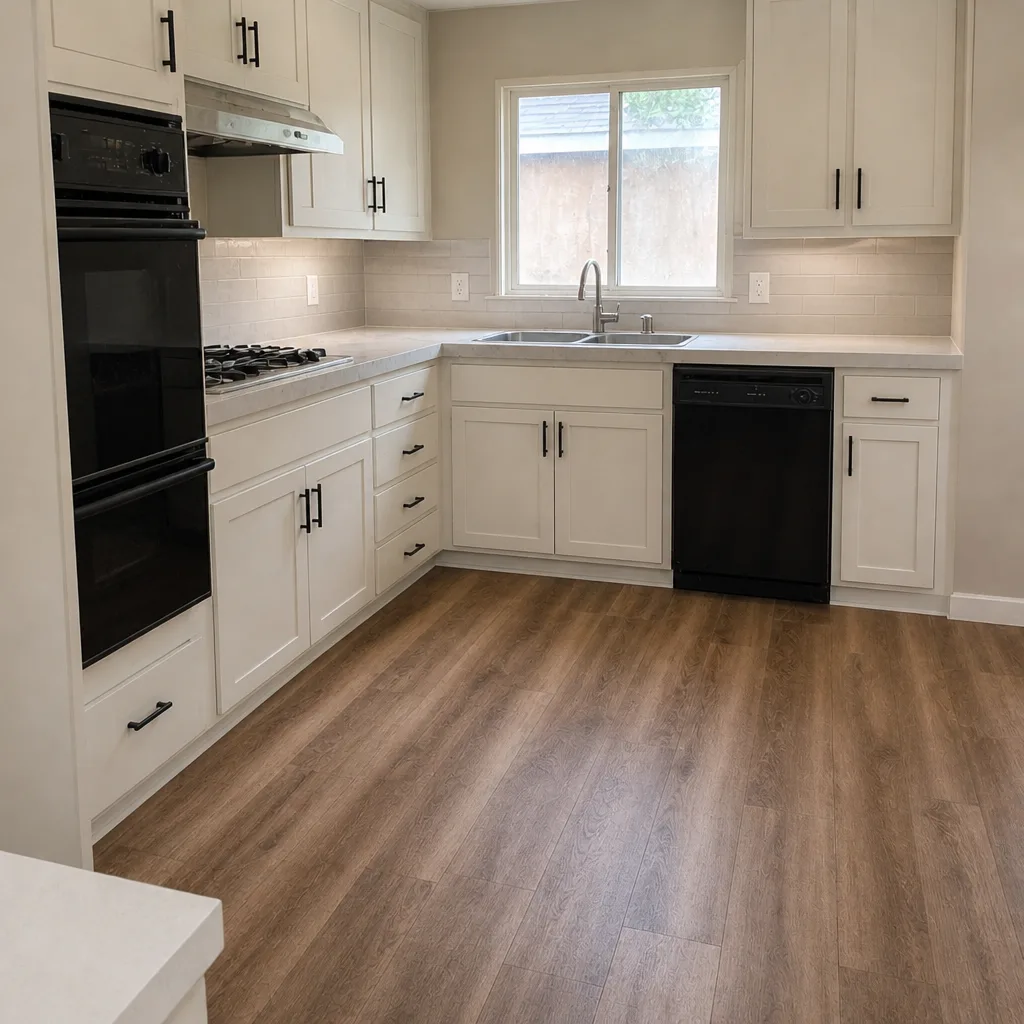
See the difference
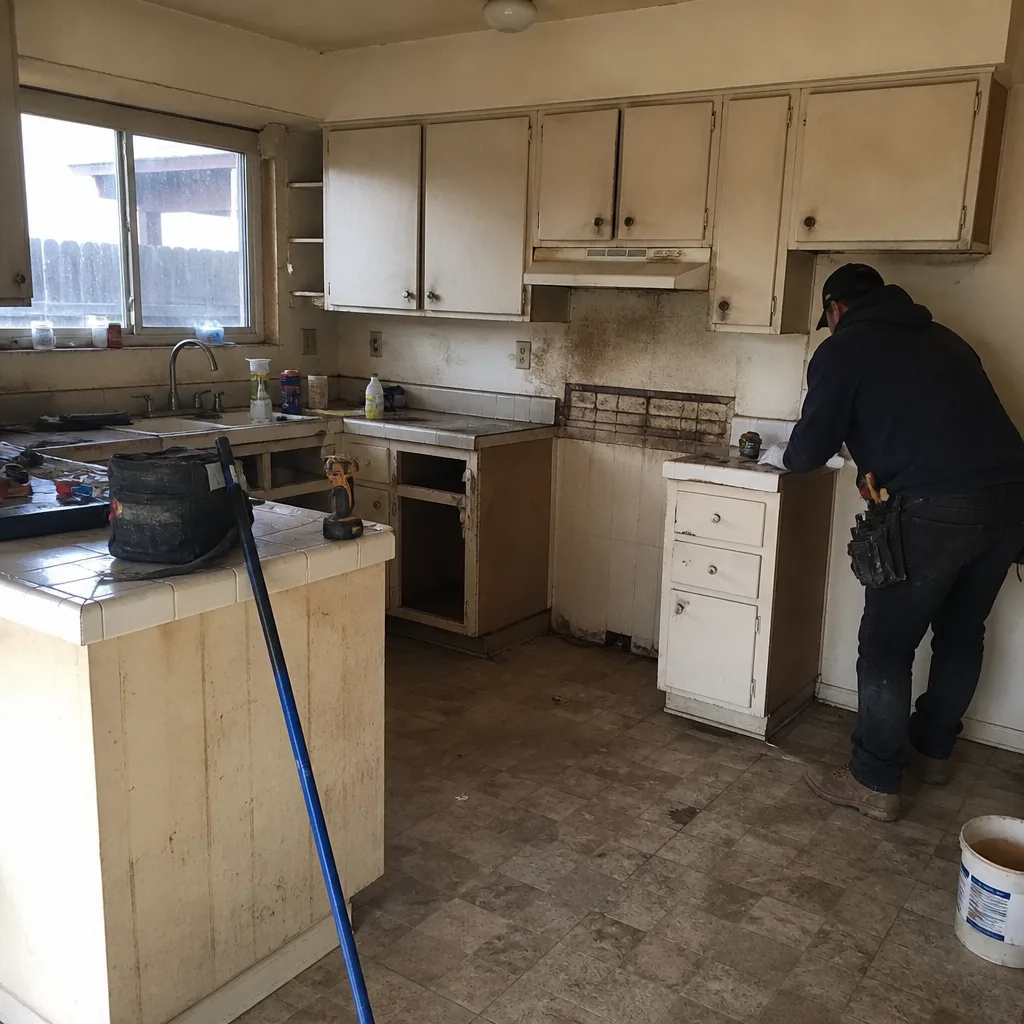 Before
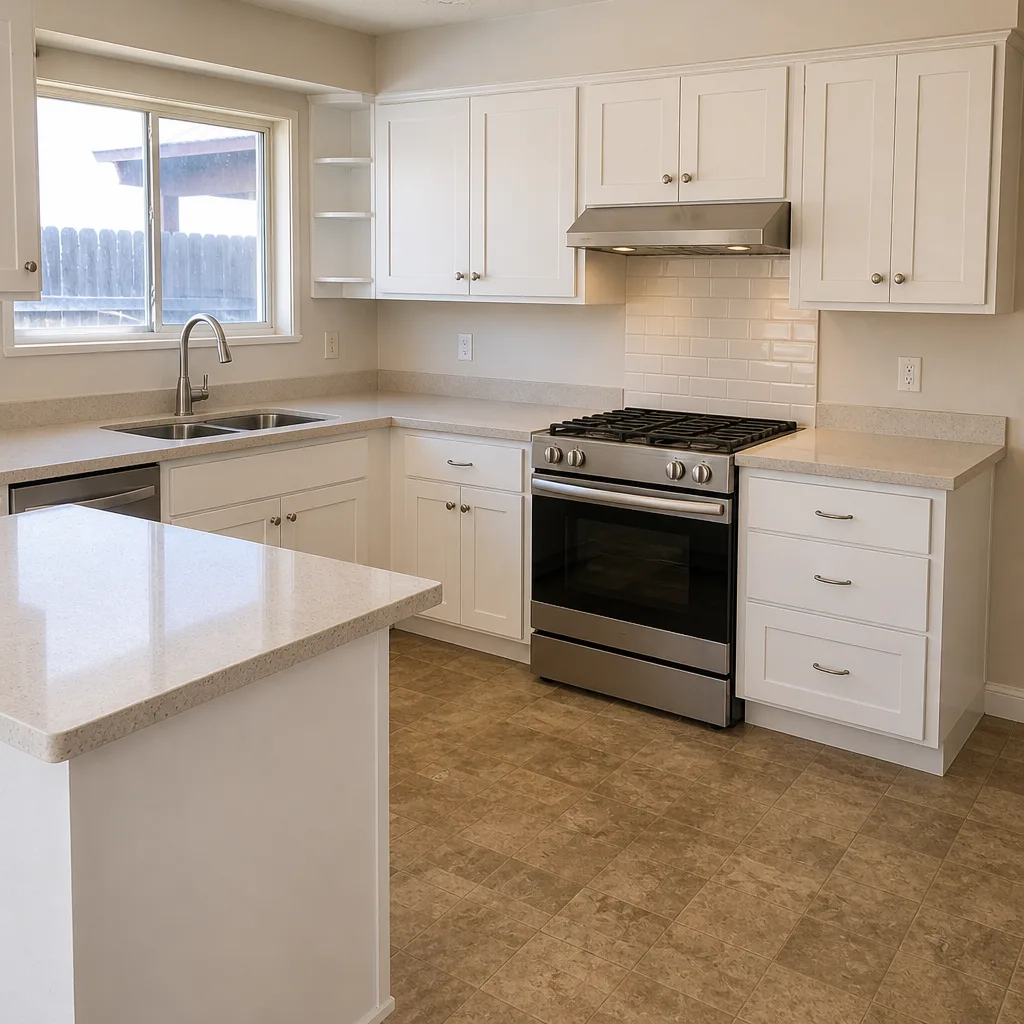 After
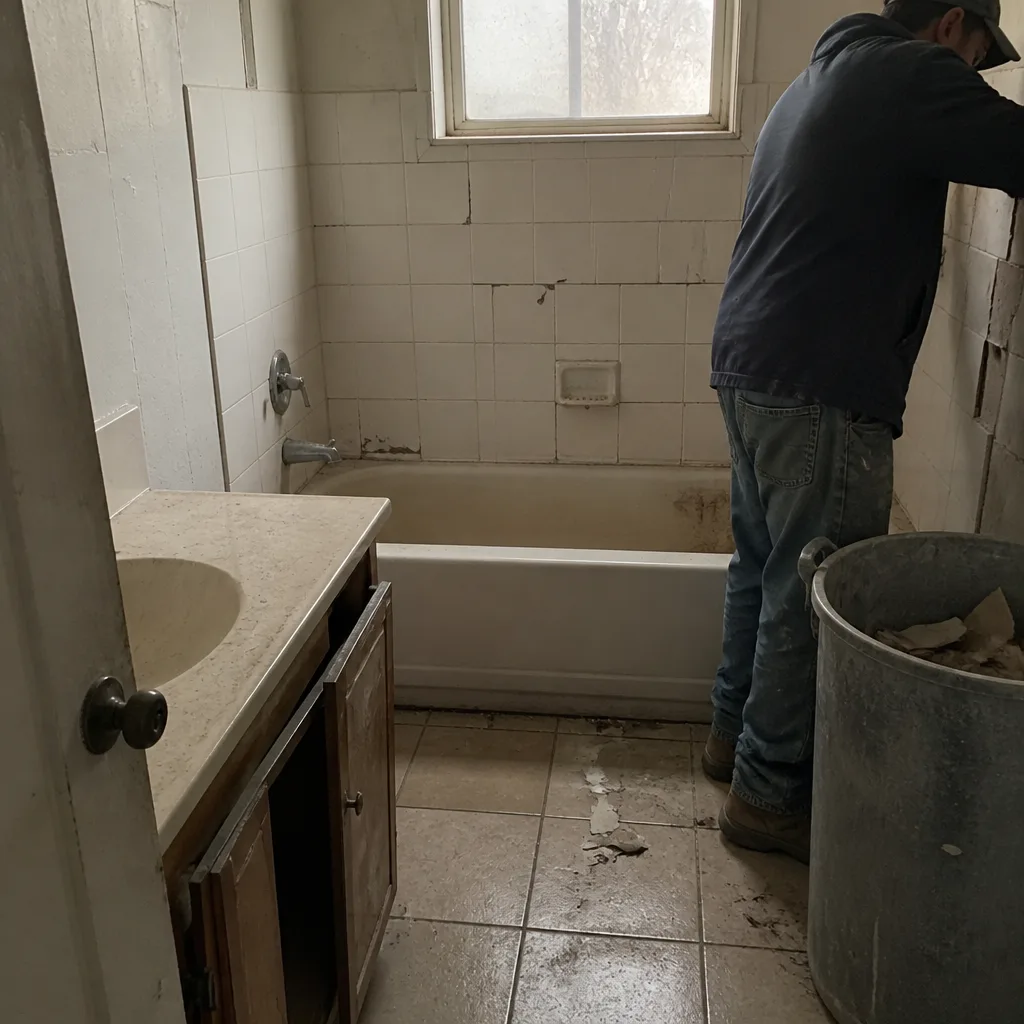 Before
 After
 Before
 After
When to Call a Professional
Call a professional the moment a project involves any of the following: anything that requires a permit, any licensed trade (electrical, gas, plumbing, HVAC), any structural work or wall removal, any roofing above a low-slope walk, any concrete or hardscape over 200 square feet, and any project where the failure mode is invisible until it’s expensive. That covers most of what a Lancaster homeowner faces on a kitchen remodel, bathroom remodel, addition, ADU, roof, or paver driveway. Our Rowan Construction Group Lancaster home page covers the seven trades we work in and what a written quote includes on each. Rowan Construction Group Lancaster offers free estimates in Lancaster: call (844) 797-3312 to schedule yours. Every quote is a flat written price with a written scope and a written warranty, the price is written before anyone picks up a tool, and no change proceeds on a change until the change order is signed.
Frequently Asked Questions
Yes. Concrete patios over 200 square feet require a permit in Lancaster regardless of who performs the work, and the permit applies to the project, not the person. Skipping it means the work is unpermitted, which gets flagged during escrow and can require a retroactive permit and inspection at two to three times the original cost. Call (844) 797-3312 for a free estimate on a permitted patio.
No. California’s electrical code requires a licensed electrician for any work inside the service panel, any panel replacement, and any new circuit. A homeowner can change a fixture or swap an outlet on an existing circuit, but panel work is a licensed trade. This is a legal requirement, not a skill judgment. Call (844) 797-3312 for a free estimate on panel work or an electrical scope in Lancaster.
A concrete patio over 200 square feet is the most frequent, followed by enclosed patios and converted garages. All three show up on aerial imagery during escrow and all three get flagged by Los Angeles County when the title company asks whether the property matches the record. The fix is a retroactive permit and inspection, which usually costs two to three times the original permit. Call (844) 797-3312 for a free second opinion before you start the project.
A contractor buying Tremron, Techo-Bloc, or Cambridge Pavers at trade pricing pays meaningfully less per square foot than a homeowner at retail, and standardizes waste to 3 – 5% versus the 10 – 20% a first-time installer wastes. Add equipment rental and time at your actual wage rate and the DIY version of a paver driveway usually costs more than the professional install. Call (844) 797-3312 for a written, line-item quote you can compare against the DIY numbers.
Yes, under California’s owner-builder provision. You pull the permit in your name and coordinate licensed subcontractors trade by trade. You can self-perform non-licensed work like demolition and painting, but you must hire licensed trades for electrical, plumbing, gas, HVAC, and structural work. The savings are real; so is the coordination and liability load. Call (844) 797-3312 for a free second opinion on any written estimate before you commit.
It does when the contract is structured around signed change orders. Under Clause 1 of the Haven Standard, the price is written before anyone starts, and no work proceeds on a change until the change order is signed. That discipline is why our projects finish within a few percent of the number the customer agreed to. Call (844) 797-3312 for a free estimate with a flat written price.
The Bottom Line
The DIY-vs-professional question in Lancaster is decided by three things, not one: what the permit law requires regardless of who does the work, what the title company will flag when the home sells, and what the Antelope Valley’s soil, heat, and wind will do to work that’s done correctly but not engineered for the local conditions. Paint the house, plant the xeriscape, demo the non-load-bearing wall yourself. Hire the entire set of licensed trades and any project with a permit. The divide isn’t about ambition. It’s about exposure, and the math is clearer than the sales pitch on either side.
Rowan Construction Group Lancaster has delivered more than 4,000 projects since 2007, every one with a written price before work started and a documented record when the crew left. The 365-Day Done Right Promise backs every job: if it’s not done right, we make it right. Call (844) 797-3312 to schedule a free estimate, or bring us a competitor’s written quote and we’ll review it line by line at no charge.
Written by the team at Rowan Construction Group Lancaster.