Last updated November 17, 2026
Free written scope consultation - allowances, timeline, and change-order rules on paper before a single trade is scheduled
DIY vs Professional Fence Installation: What’s Safe to Do Yourself
Here’s the number most fence guides bury or skip entirely: a homeowner in Lancaster who builds a required-permit fence without pulling that permit isn’t risking a small fine. They’re planting a title encumbrance that surfaces during escrow, often years later, often on a deadline, and resolving it at sale time commonly costs three to five times what the original permit would have. The permit question decides everything else about your DIY project. This guide breaks down exactly which fence tasks in Lancaster are genuinely safe to do yourself, which ones require a licensed contractor, and what the real all-in math looks like before you buy a single board.
Quick Answer
In Lancaster, board replacement, gate hardware swaps, and staining on an existing post structure are safe to do yourself. Post setting, anything within 5 feet of a utility easement, retaining fences over 3 feet, and any fence serving as a pool barrier require a licensed contractor and, usually, a city inspection. If your fence needs a permit, skipping the permit to save money is the most expensive decision on the list.
Styles & brands we work with
- Kitchen remodeling
- Bathroom remodeling
- Home additions & ADU
- Roofing
- Windows & doors
- Driveway & pavers
- Fence
Table of Contents
- Lancaster’s Permit Thresholds: What Triggers a City Application
- Tasks That Are Genuinely Safe to Do Yourself
- The Post-Setting Problem: Why Footings Fail
- When Lancaster Requires a Licensed Contractor
- Side-by-Side Cost Table: 150 Linear Feet
- The Escrow Problem: What Non-Permitted Work Costs at Sale
- HOA Approval Letters and the City Application
- Common Mistakes to Avoid
Lancaster’s Permit Thresholds: What Triggers a City Application
Permit thresholds for residential fences vary by city, and Lancaster’s are specific enough that a general “call your city” answer isn’t useful. Here’s what actually applies to most residential lots in Lancaster, expressed in the terms a plan checker will use.
The standard height limit for a residential fence in a side or rear yard runs to 6 feet. Anything over that, and you’re typically filing for a variance or a conditional use permit, not a straightforward fence permit. Front yard fences, and fences on a corner lot, carry tighter height limits because of sight-line requirements at driveways and intersections. That matters in neighborhoods like Quartz Hill and parts of West Lancaster, where corner lots are common and where a fence that blocks driver sight lines gets flagged at the inspection stage rather than the application stage.
The city application usually requires:
- A site plan showing the fence location relative to the property line, the primary structure, and any easements
- The proposed fence height and material
- HOA approval, where the property sits within one (Lancaster has active HOAs in several subdivisions, and the city will not accept an application without the letter)
- Pool barrier documentation if the fence also functions as the pool enclosure
Distance from the property line is the detail most DIY homeowners miss. Most cities assume the fence sits on the property line, which means the survey has to be current. In Lancaster, an old lot-line dispute between neighbors turns a straightforward application into a boundary negotiation. If you don’t know where the line is, you’re guessing on a permit application, and guessing gets rejected.
Tasks That Are Genuinely Safe to Do Yourself
Not every fence task carries the same risk, and the honest answer is that you can save real money on the low-risk work without touching the parts that can go wrong. The distinction is whether you’re working on an existing, sound post structure or creating one.
Safe DIY tasks in Lancaster, with realistic material costs:
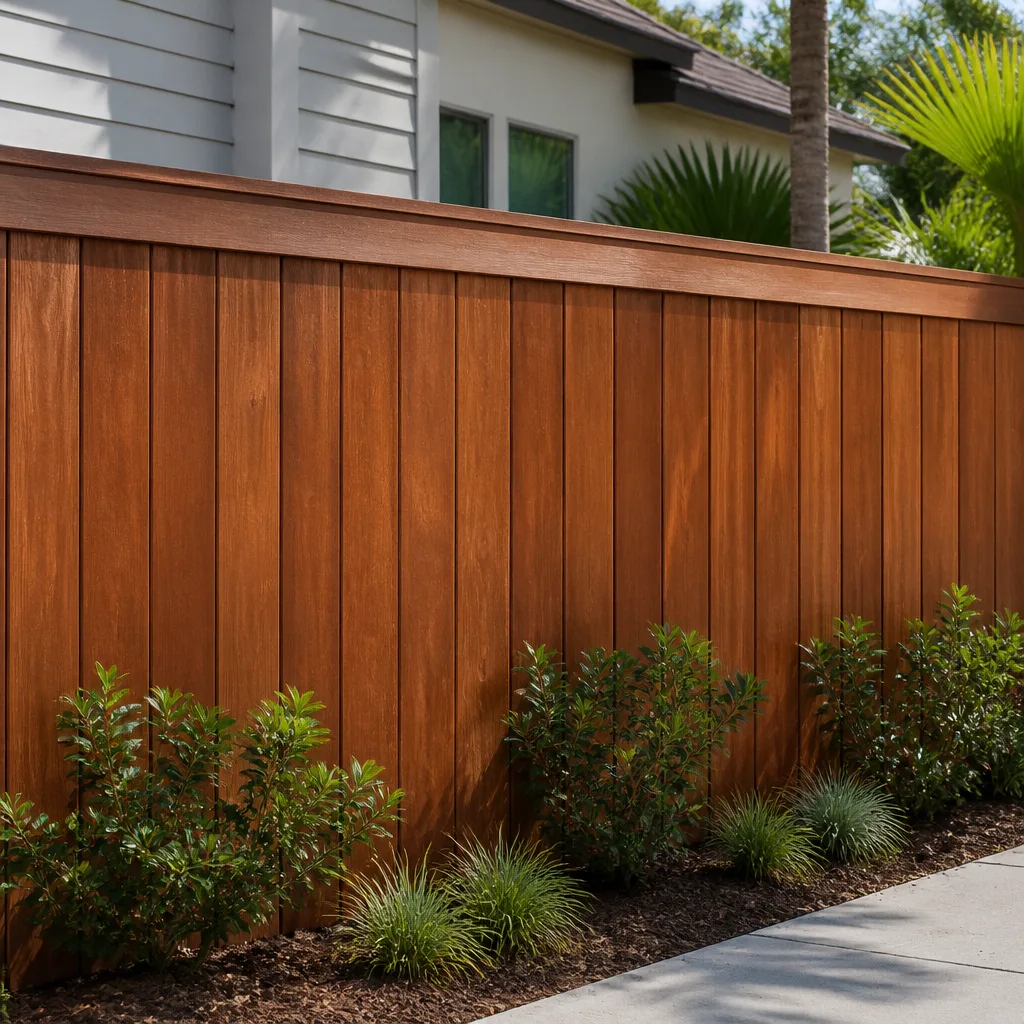
- Board replacement on an existing post structure. Pickets, picket caps, and rail replacement are essentially carpentry on a working frame. Cedar pickets run roughly $2 to $4 each depending on grade; a 150-foot fence at 6-inch spacing needs about 300 pickets, so $600 to $1,200 in boards plus fasteners. No permit required if the footprint and height don’t change.
- Gate hardware replacement. Hinges, latches, self-closing springs, and drop rods. Budget $30 to $120 for a standard hardware kit, more for a heavy gate. Swap a hinge, not a post.
- Painting and staining on accessible sections. A gallon of quality exterior stain covers roughly 200 to 300 square feet of one-side fence surface. Expect $40 to $70 per gallon, and two coats on new wood. If a section is behind a shed or inaccessible without a ladder, leave it to the crew rather than the neighbor’s borrowed ladder.
What these tasks have in common: you’re not touching the ground, the concrete, or the lot line. The moment a task requires digging, mixing concrete, or altering the permitted footprint, the calculation changes. If you’re moving into a house with an old fence, replacing boards on a sound post line is the kind of project that genuinely rewards a weekend and a truck bed of lumber.
The Post-Setting Problem: Why Footings Fail
Post setting is where DIY fence projects in Lancaster fail at a measurably different rate than professional work, and it’s not a mystery. It’s concrete and depth.
A correctly mixed footing uses a specified water ratio, not a “looks about right” ratio. Sakrete 5000, one of the common high-strength mixes, calls for roughly 6 gallons of water per 80-pound bag. That number matters because over-watered concrete loses compressive strength fast, which is exactly the failure mode that shows up two winters later when a post leans. Hand-mixed concrete in a wheelbarrow is prone to over-watering because it’s easier to work with wetter, and it’s prone to inconsistent mixing across batches. Machine-mixed concrete delivers a consistent ratio batch to batch, which is why the footing holds.
Depth is the other half. “One-third the post length” is the rule of thumb, which for a 6-foot fence section with a post set 8 feet total means roughly 2.5 to 2.7 feet in the ground, sitting on a bed of gravel for drainage. In Lancaster’s soil, which includes caliche-heavy pockets in some parts of the valley, augering to that depth can require equipment you don’t own, and a post set short of depth will frost-heave or shift even without frost because the soil above it moves with irrigation and rain.
What a correct footing looks like in practical terms:
- Hole diameter roughly three times the post diameter, wider at the bottom than the top so the concrete forms a wedge and resists uplift.
- 6 to 12 inches of gravel in the bottom for drainage.
- Post set, plumbed, and braced.
- Concrete mixed to the bag’s stated ratio, poured and crowned above grade so water sheds away from the post.
- 24 to 48 hours of cure before any load is applied to the post line.
If you’re reading that list and think “that’s a two-day job with a rented auger and a mixer,” that’s the honest scope. That’s also the case for the work to go to a pro who does it weekly.
When Lancaster Requires a Licensed Contractor
Some fence work isn’t a judgment call about skill level. It’s work where the process, not the labor, is the point, and skipping the licensed contractor means skipping the inspection that keeps the work legal.
Requirements for licensed contractor involvement in Lancaster:
- Any work within 5 feet of a utility easement. Easements run along rear and side property lines in many Lancaster subdivisions, and digging inside one without a locate and a permit is how gas lines and irrigation mains get hit. The 811 service is free, but the easement itself usually governs whether you can build there at all.
- Retaining fence structures over 3 feet. A fence that holds back soil is a retaining wall in function, even if it looks like a fence. Above 3 feet, it requires engineering, a permit, and inspection. This shows up in sloped lots in the foothill edges of Lancaster, where a fence doubles as a grade change.
- Any fence that also functions as a pool barrier. Pool barrier fences get their own inspection under the swimming pool safety code, and the enclosure is checked for height, gaps, self-closing gates, and latch height. A fence that fails the pool barrier inspection is a safety problem and a permit problem at once.
- New post-driven installations that require a permit. If the fence is new and permitted, the inspection is what makes the finished fence legal, and a contractor who knows what the Lancaster inspector looks for is the shortest path through that sequence.
If you’re planning a project that touches any of the four above, working with a licensed fence contractor in Lancaster isn’t a luxury choice. It’s the only path to a legal, inspectable fence. For a broader look at how we approach the trade, see our fence installation in Lancaster page.
Side-by-Side Cost Table: 150 Linear Feet
Here’s what 150 linear feet of cedar privacy fence actually costs, three ways, in Lancaster. These numbers include the permit and the re-inspection risk where they apply, because a DIY quote without the permit line is an underestimate.
- Full DIY, permitted: $1,800 to $2,400 in materials (posts, rails, pickets, concrete, fasteners) plus $150 to $400 equipment rental (auger, mixer, trailer) plus $200 to $500 permit and inspection fees. Total: $2,150 to $3,300. Add the labor of a weekend-plus and the risk of a failed footing inspection ($200 to $400 re-inspection plus rework).
- Partial DIY (hire post-setting, DIY boards): $1,200 to $2,000 for professional post setting including concrete and inspection-ready footings, plus $600 to $1,200 in boards and fasteners you install, plus $200 to $500 permit. Total: $2,000 to $3,700. This is the option most homeowners land on once they price the auger rental.
- Full professional, permitted and inspected: $5,500 to $8,000 in Lancaster for material, labor, permit, and inspection coordination. Written flat price before the first hole is dug. Line-item scope and warranty in writing.
The spread between the full DIY number and the professional number looks like $3,000 or so. Then you add the hours, the tool rentals, the failed-inspection risk, and the fact that the DIY line doesn’t include the permit resolution if you skip the permit. That resolution is the number in the opening of this guide, and it’s the reason the permit line can’t be left out of the DIY column.
The Escrow Problem: What Non-Permitted Work Costs at Sale
Here’s how a non-permitted fence actually plays out, because it’s not a theoretical risk in Lancaster. It’s a routine escrow event.
When you list a home, the title company and the buyer’s inspector look for unpermitted work. A fence that should have been permitted and wasn’t gets flagged. At that point you have three options: pull a retroactive permit and pass inspection (which may require rework or removal if the fence fails current code), remove the fence, or negotiate a credit with the buyer. The credit is usually the buyer’s number, not the seller’s, and it’s negotiated under deadline with no leverage. Every one of those paths is more expensive than the original permit would have been.
The math for a homeowner selling a Lancaster house:
- Original permit at time of build: a few hundred dollars, folded into the project.
- Retroactive permit plus re-inspection plus potential rework at sale time: often 3 to 5 times the original permit cost, and occasionally more if the fence has to be partially rebuilt to meet current code.
- Buyer credit in escrow: whatever the buyer asks for, because you’re negotiating under time pressure and disclosure obligations.
The permit isn’t bureaucratic overhead. It’s the record that a fence was legal when it was built, and it’s the document you hand to a title company years later. For homeowners looking at a longer-term property plan, that record is worth more than the $200 to $500 it costs to have it in hand. If you’re considering broader exterior work rather than just a fence, the same permit discipline applies, and it’s why we write the price into a signed scope on every trade, from driveway and pavers in Lancaster through full home additions and ADU in Lancaster.
HOA Approval Letters and the City Application
If your Lancaster property sits inside an HOA, and many do in the newer subdivisions, the HOA approval letter comes before the city permit application, not after. The city will not accept a fence permit application without it, and the HOA letter has its own timeline and its own review, which often requires a color sample, a material sample, and a fence height drawing.
The practical sequence:
- Read the HOA’s architectural guidelines for fence height, material, color, and side of the property (many HOAs specify which side faces the neighbor).
- Submit the HOA architectural request with the drawing and samples.
- Receive HOA approval in writing.
- File the city fence permit application with the HOA letter attached.
- Pass inspection after installation.
Skipping the HOA step is the most common cause of a rejected city application in Lancaster. The fix is usually resubmission a few weeks later, but the weeks are the problem when you’re planning a project around a delivery date or a summer weekend. Our Rowan Construction Group Lancaster home page describes how we sequence documentation on projects that need both HOA and city sign-off.
Common Mistakes to Avoid
- Skipping the permit to save a few hundred dollars. The permit is the cheap part. The escrow resolution is the expensive part, and it surfaces years later when you have the least leverage.
- Setting posts short of depth. “One-third the post length” is a minimum, not a target. Most Lancaster soil supports 30 inches of depth for a 6-foot section; anything shallower moves within a season.
- Over-watering hand-mixed concrete. Sakrete 5000’s 6-gallons-per-80-pound-bag ratio is a spec, not a suggestion. Wetter concrete is easier to place and weaker once it cures.
- Assuming the property line is where the old fence sat. Old fences drift. A current survey is the document the city needs, and the one that prevents a neighbor dispute.
- Forgetting the 811 utility locate before digging. Easements in Lancaster subdivisions run close to rear and side lines, and a locate call is free. Skip it and you’re paying for a gas line repair.
- Leaving the HOA letter until last. The city rejects the application without it, and HOA review doesn’t run on your timeline.
- Treating a pool barrier fence as a regular privacy fence. Pool barrier inspections check gap widths, gate springs, and latch heights that a standard privacy fence doesn’t meet by default.
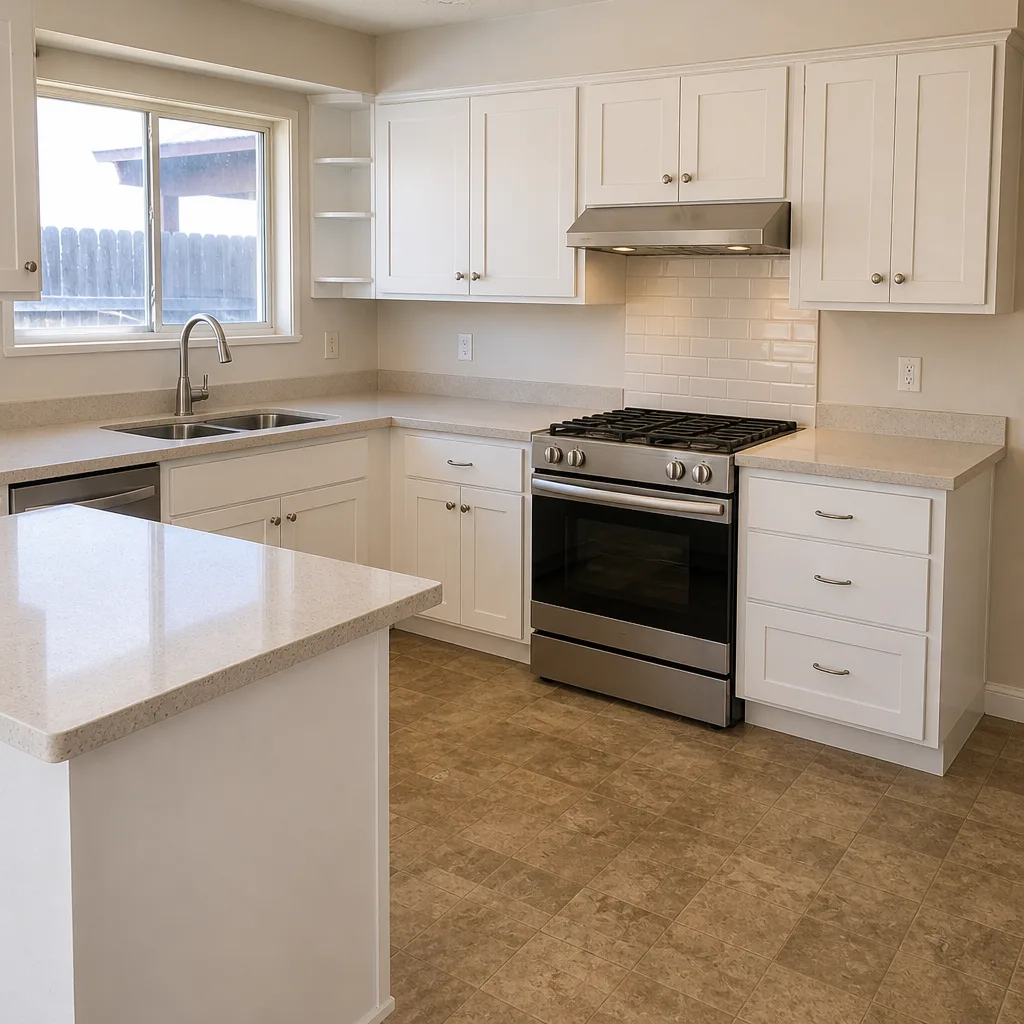
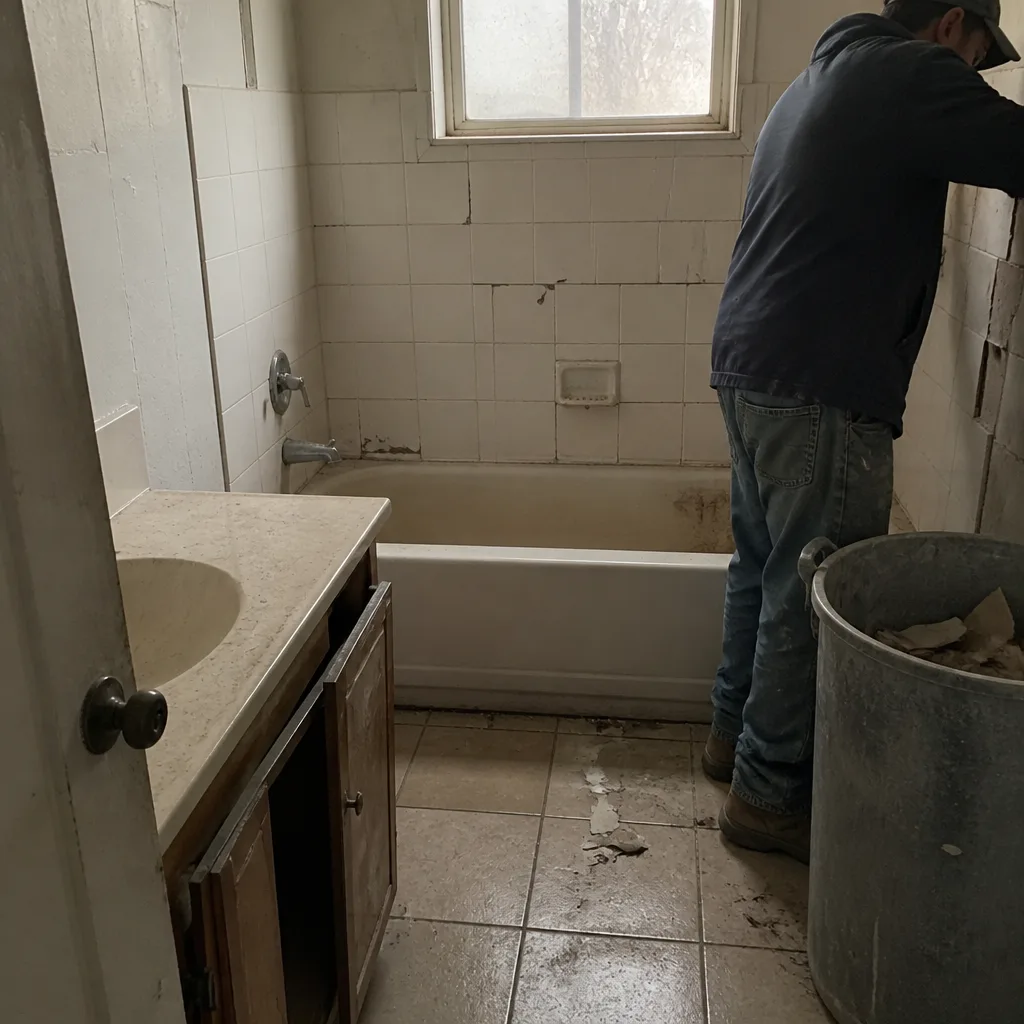
See the difference
 Before
 After
 Before
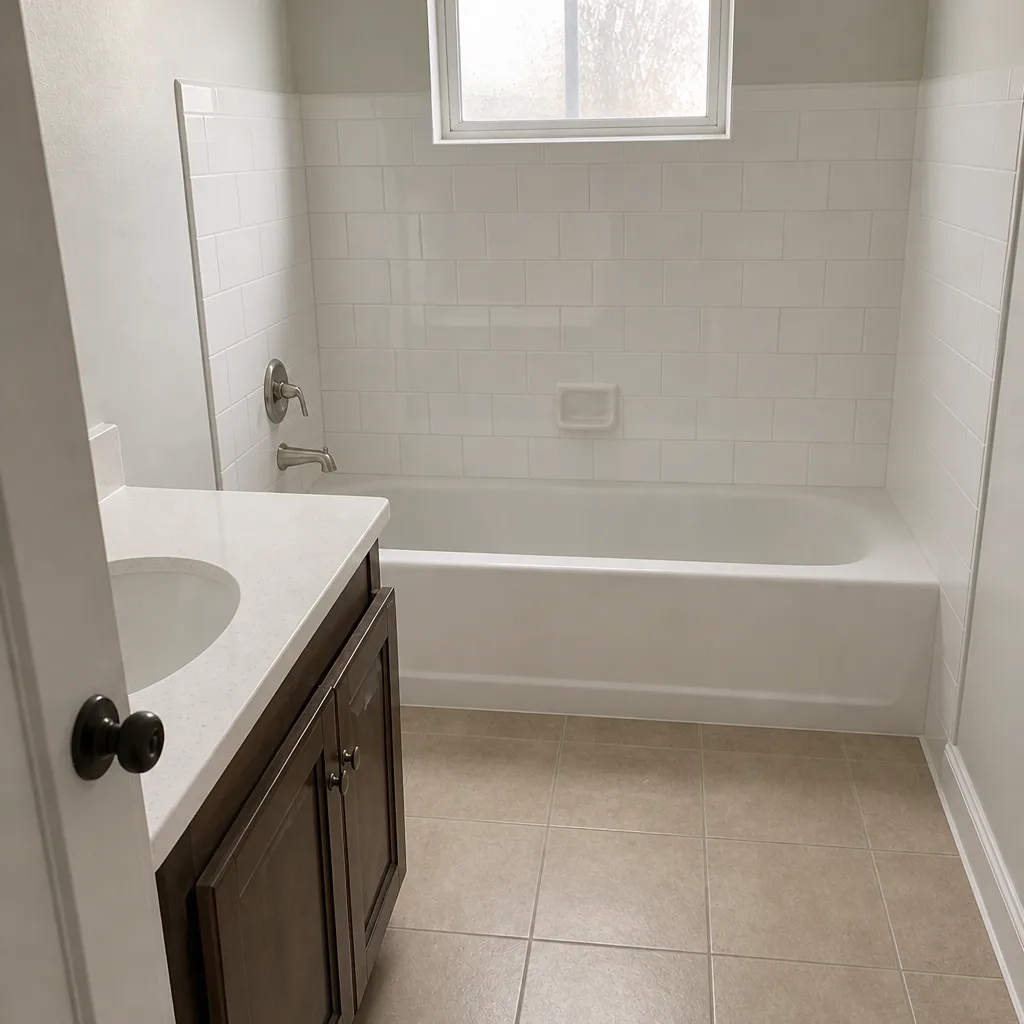 After
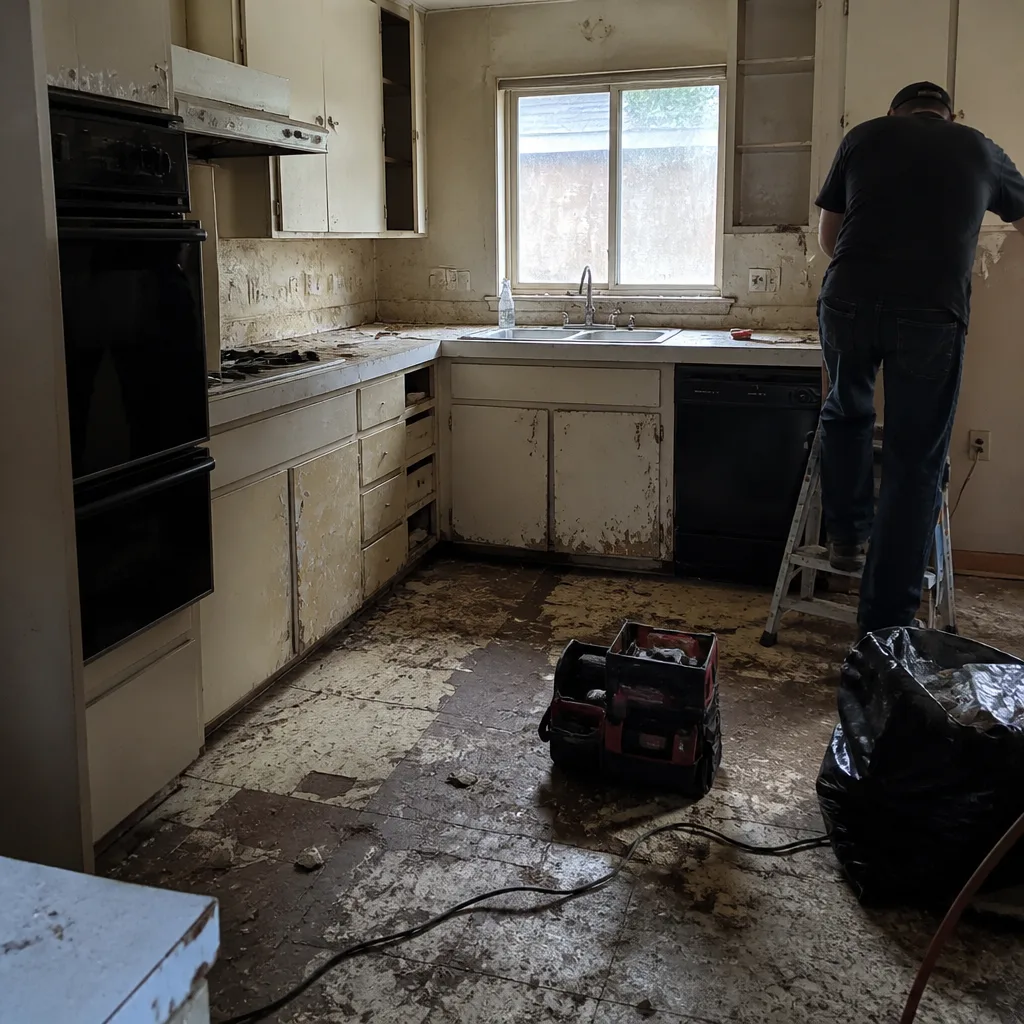 Before
 After
When to Call a Professional
Call a licensed fence contractor in Lancaster when the project involves any of the following: a new permitted fence where the footing, height, and lot-line documentation have to pass inspection; any work within 5 feet of a utility easement; a retaining fence structure over 3 feet; a fence that also serves as a pool barrier; or a fence on a sloped lot where the grade change makes post-setting a structural question. Those are the cases where the inspection is the point, and where a re-inspection or a failed footing costs more than the labor saved. Rowan Construction Group Lancaster offers free estimates in Lancaster for permitted fence work and second opinions on any written estimate from another contractor. We quote a flat written price with a written scope before work begins, and no change proceeds without a signed change order. Call (844) 797-3312 to schedule yours.
Frequently Asked Questions
If the replacement keeps the same footprint, height, and material, you typically don’t need a new permit. If the height changes, the fence moves to a different location, or you’re replacing a whole post structure rather than boards, the city treats it as new work and a permit is generally required. Call (844) 797-3312 for a free second opinion on the scope.
The fence becomes an unpermitted improvement that surfaces during a future sale, and the cost to resolve it at escrow is often three to five times the original permit cost. The city can also require removal or rework if the fence doesn’t meet current code when it’s discovered. Getting it permitted up front is the cheaper route every time.
For a 6-foot fence section, plan on a post set roughly 30 inches into the ground, sitting on a gravel bed for drainage, with a concrete footing wider at the base than at the top. That’s the one-third rule applied to an 8-foot post, and it’s a minimum. Shallower settings fail earlier in Lancaster soil.
You can, and the failures show up a season or two later. Hand-mixing tends to over-water, and over-watered concrete loses strength. Follow the bag ratio exactly, or have the post-setting done by a crew that machine-mixes to spec. The material cost difference is small; the rework cost is not.
Yes, in most Lancaster HOAs, the city will not accept the fence permit application without the HOA approval letter attached. The HOA review has its own timeline and usually requires color and material samples plus a height drawing. Build the HOA step into the schedule first.
Board replacement on a sound existing post structure, gate hardware swaps, and staining on accessible sections are safe DIY tasks. Post setting, utility easement work, retaining fences over 3 feet, and pool barrier fences are not, because the failure mode is either injury, a code violation, or an escrow problem rather than a cosmetic issue.
The Bottom Line
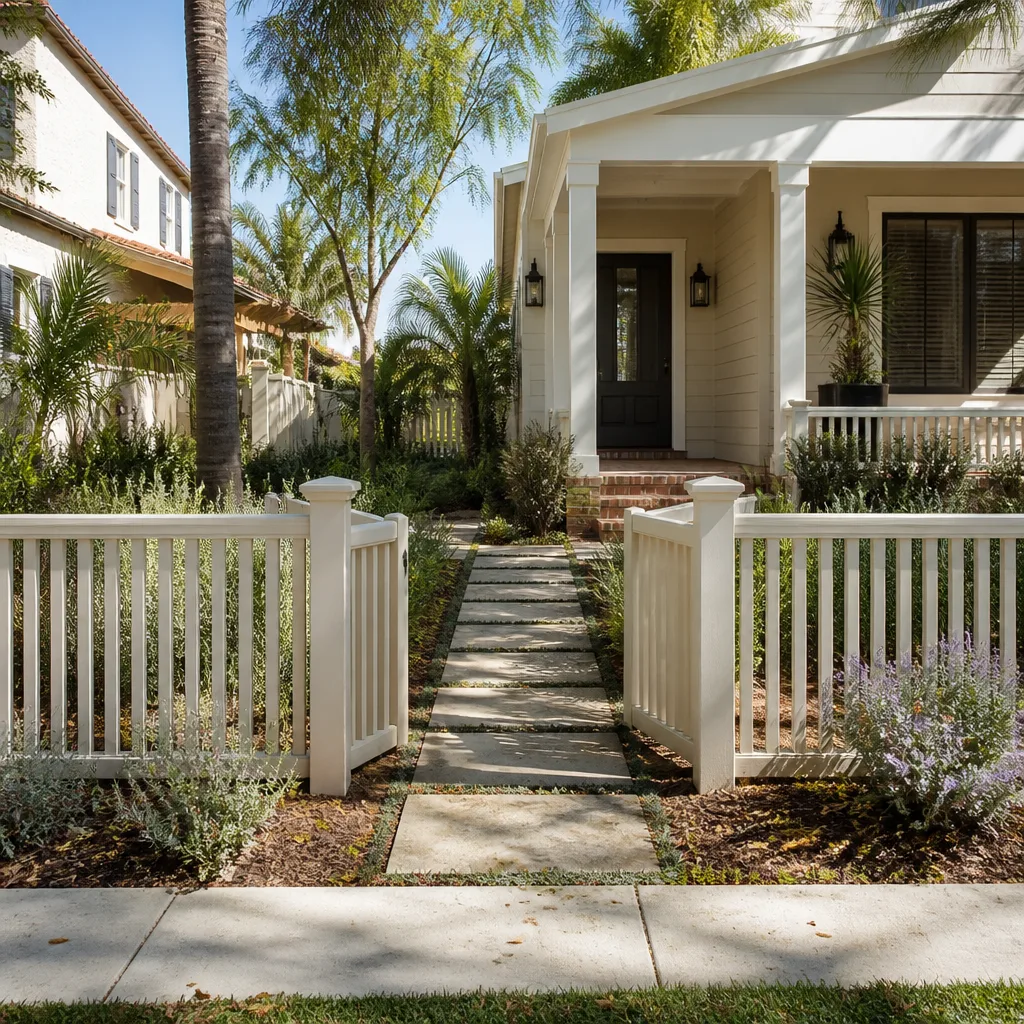
The DIY fence question reduces to the permit threshold. In Lancaster, tasks that don’t touch the permit line, like boards, hardware, and stain, are genuinely good DIY value. Tasks that touch it, like new posts, easement work, retaining structures, and pool barriers, are where the inspection and the record matter more than the labor savings, and where skipping the permit turns a small line item into a three-to-five-times-larger escrow problem years later. We write the price into a signed scope before work starts, deliver a documented photo record on every visit, and stand behind it with the 365-Day Done Right Promise. Call (844) 797-3312 for a free estimate in Lancaster.
Written by the team at Rowan Construction Group Lancaster.