Last updated November 17, 2026
Free written scope consultation - allowances, timeline, and change-order rules on paper before a single trade is scheduled
DIY vs Professional Home Additions & ADU: What’s Safe to Do Yourself
California Business and Professions Code §7044 lets a homeowner act as their own general contractor on their own residence. That single sentence is why so many Lancaster homeowners assume they can build an ADU themselves. The exemption is real, but it’s narrower than it looks: it doesn’t apply if you plan to sell within one year of completion, and it offers no cover for unlicensed subcontractors you bring onto the job. What follows is the honest map of where DIY saves money, where it quietly destroys it, and which scopes in a Lancaster addition are legally off-limits to an owner-builder. We’ll get into permit categories, real Antelope Valley pricing, and the five inspection failures we see most often.
Quick Answer
In California, you can legally self-perform finish work – painting, flooring, cabinet installation, trim carpentry – on your own home without a contractor’s license. You cannot legally self-perform structural framing, electrical panel work, gas line installation, or load-bearing modifications unless you hold the appropriate license or hire a licensed specialty subcontractor. A licensed general contractor builds a full ADU in the Antelope Valley for roughly $180 – $280 per square foot; self-managing with an owner-builder permit typically saves 15 – 25% on GC markup but adds 60 – 120 hours of your own coordination time and transfers all liability for subcontractor errors onto you.
Styles & brands we work with
- Kitchen remodeling
- Bathroom remodeling
- Home additions & ADU
- Roofing
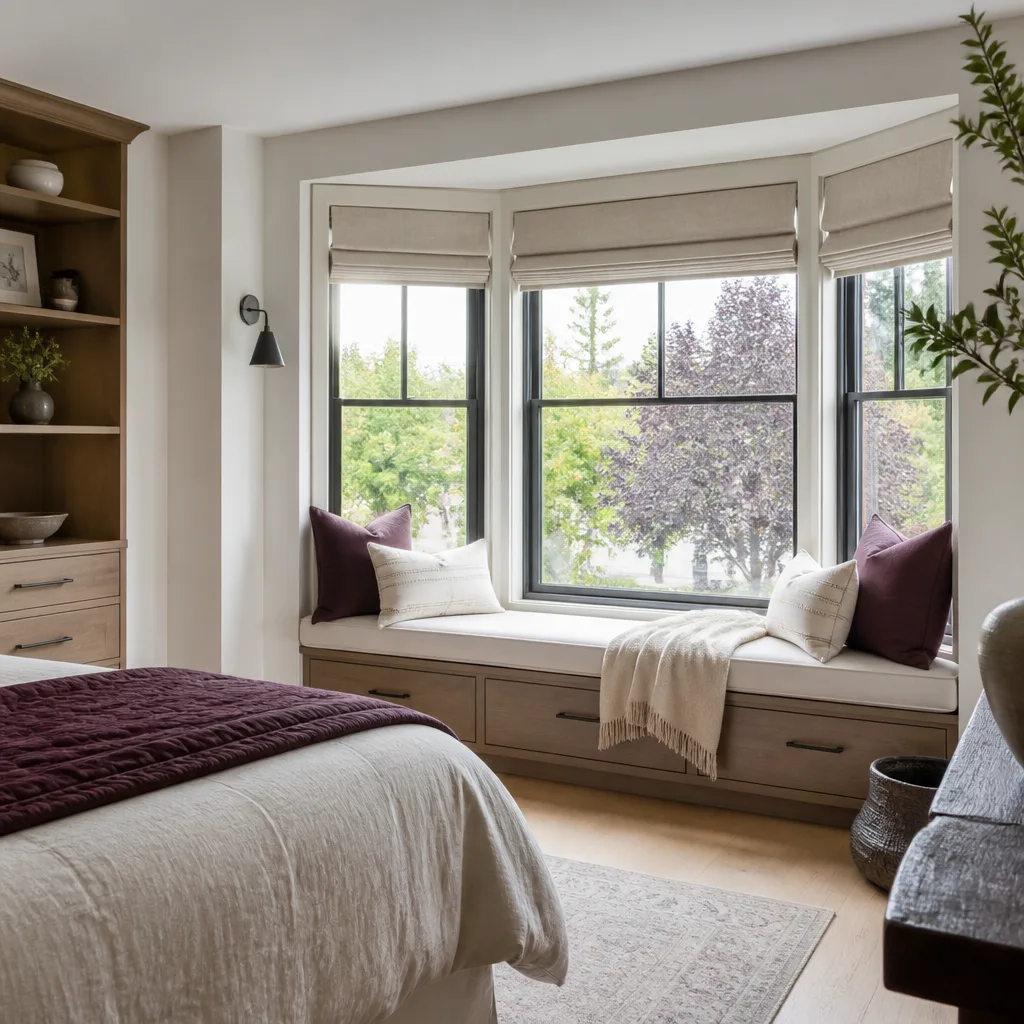
- Windows & doors
- Driveway & pavers
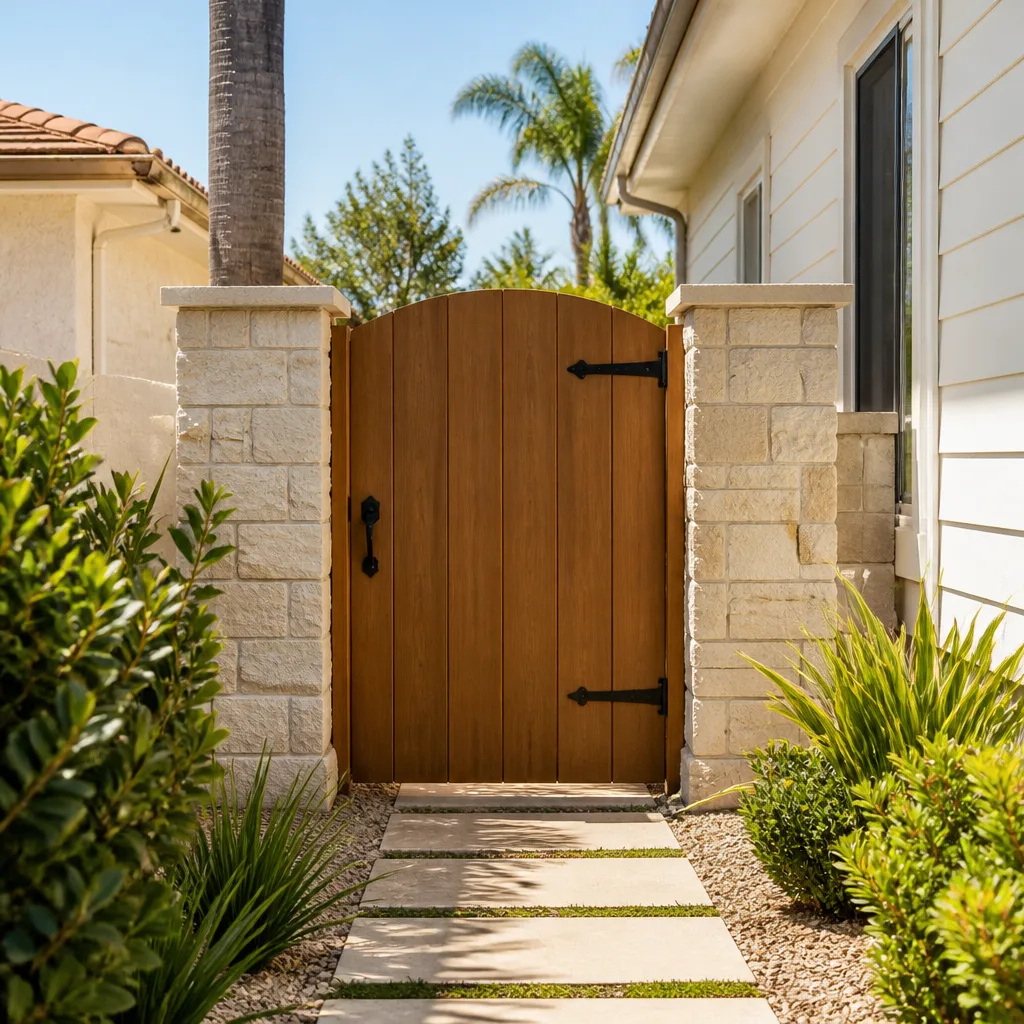
- Fence
Table of Contents
- Where California Draws the Legal Line for Owner-Builders
- The Real Cost Math: GC vs. Owner-Builder in Lancaster
- The Five Scopes That Fail LA County Inspections Most Often
- The Insurance Gap Nobody Explains Until It’s Too Late
- The Realistic Middle Path: Hybrid Builds That Work
- How an Unpermitted Addition Affects Your Appraisal and Sale
- Lancaster Climate and Code: What’s Different Here
- Prefab ADUs: Where Cover, Dvele and Mighty Buildings Fit
Where California Draws the Legal Line for Owner-Builders
The owner-builder exemption is not a license. It’s a narrow allowance that lets you pull permits and manage construction on a home you actually live in. Three conditions trip people up in Lancaster. First, if you intend to sell within one year of completion, the exemption vanishes and you need a licensed general contractor. Second, hiring an unlicensed subcontractor to do framing or electrical is illegal regardless of your owner-builder status – the license requirement follows the work, not the person signing the permit. Third, lenders and title companies treat an owner-builder project with more scrutiny than a contractor-built one, which surfaces at refinance or sale.
Here’s the clean split for a Lancaster addition or ADU:
- Legally owner-completable: interior and exterior painting, flooring installation, cabinet and countertop installation, finish carpentry, landscaping, fence staining.
- Requires a licensed contractor or licensed specialty sub: structural framing, header and beam installation, electrical rough-in and panel work, gas line installation and pressure testing, plumbing rough-in, HVAC ductwork, load-bearing wall removal, foundation work, roofing tie-ins.
- Gray zone: drywall hanging, tile setting, insulation installation. Legally many homeowners can do these, but they’re the scopes most likely to fail inspection when done without trade experience.
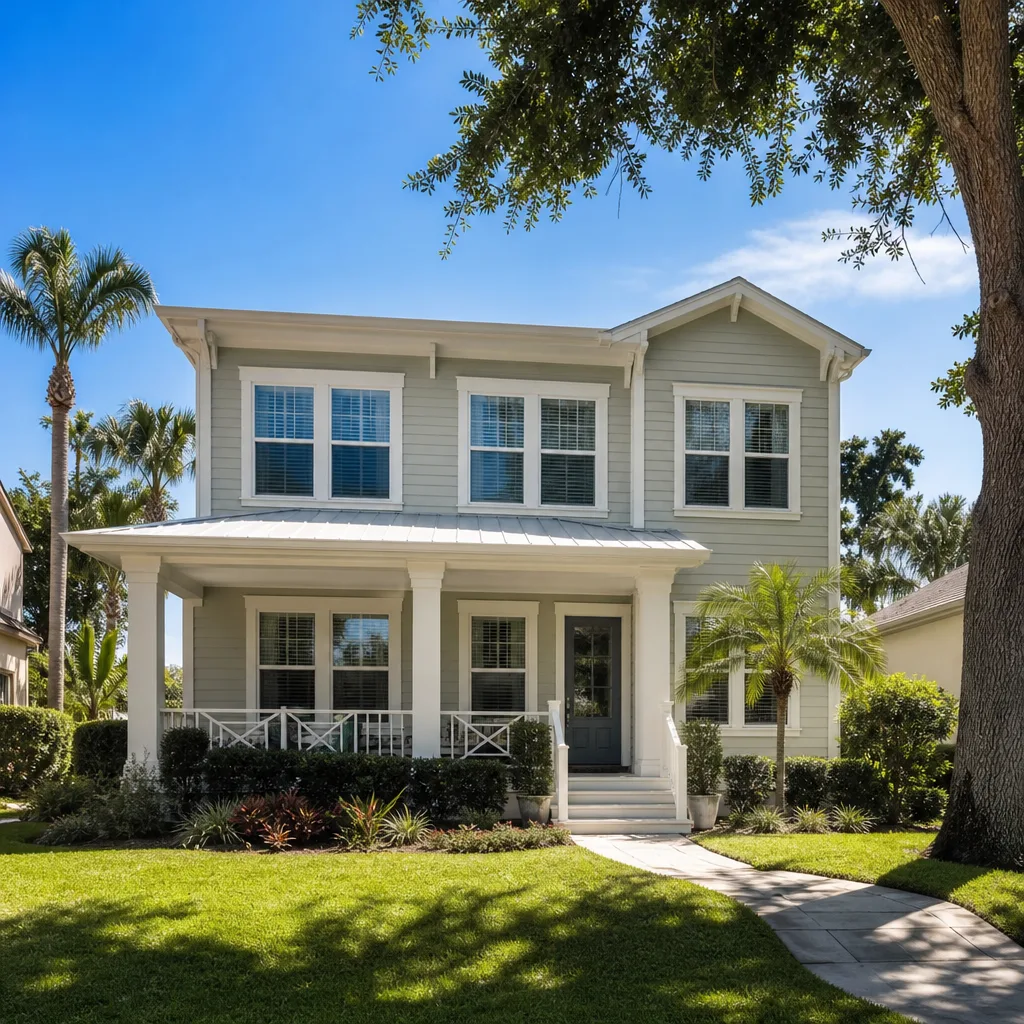
A full ADU or addition is not a “mostly DIY” project. Even if you self-perform the finishes, the rough-in phases – framing, electrical, plumbing, HVAC – are where the permit inspections live, and those are the phases where a licensed subcontractor is the safest and often the cheapest choice. Our Home Additions & ADU in Lancaster team handles both the permit category and the trade sequencing, which is why we can name the flat price before work starts.
The Real Cost Math: GC vs. Owner-Builder in Lancaster
The markup a general contractor charges is not overhead for its own sake. It pays for permit management, trade sequencing, insurance, warranty, and the coordination hours that keep a 600-square-foot ADU from turning into an 18-month project. In the Antelope Valley, a licensed GC builds a full ADU at roughly $180 – $280 per square foot – call it $144,000 – $224,000 on an 800-square-foot detached unit. Owner-builder savings on that markup typically land between 15% and 25%, or $21,600 – $56,000.
Here’s what the savings actually cost you:
- Coordination hours: 60 – 120 hours of your own project management, from pulling permits to scheduling inspections to chasing the framing sub who didn’t show up.
- Subcontractor liability: if the tile sub you hired at $8/sq ft installs a shower pan that fails 14 months later, that’s your problem, not a warranty claim.
- Schedule overrun: owner-builder ADUs in Lancaster routinely run 3 – 6 months longer than GC-built ones, which matters if you’re carrying a construction loan with interest.
- Inspection re-dos: a failed framing inspection can add $2,000 – $5,000 in rework, and a failed electrical rough-in can add $1,500 – $4,000. Two of those wipe out a fifth of your savings.
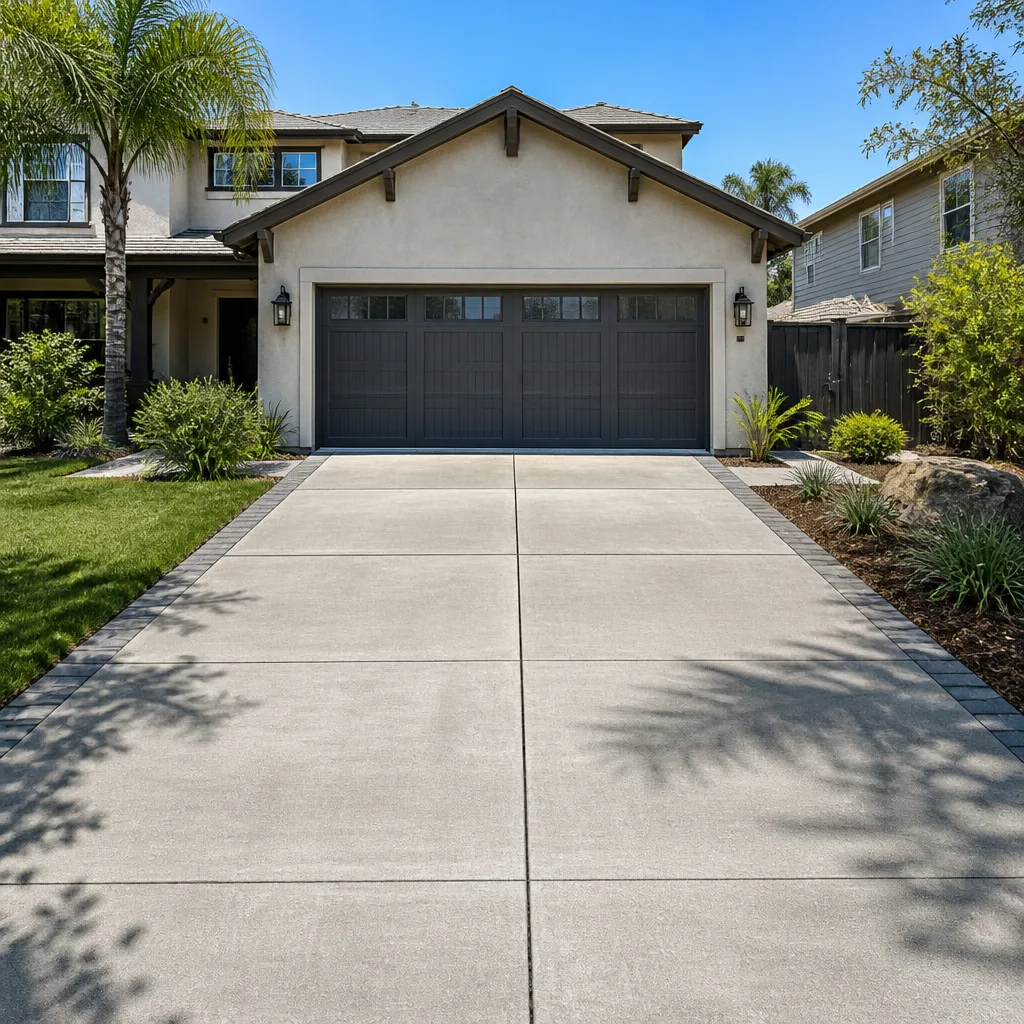
We’re not arguing the savings aren’t real. We’re arguing they’re not free. For a homeowner with a flexible schedule, a construction-adjacent day job, and a genuine appetite for the coordination work, owner-builder is a legitimate path. For a homeowner whose time is the scarce resource, the GC markup buys back four months and a warranty. The same math applies to a smaller job – a paver driveway is a different risk profile than a 600-square-foot addition, though the documentation discipline should be identical when you hire out Driveway & Pavers in Lancaster work.
The Five Scopes That Fail LA County Inspections Most Often
We watch the same five failures repeat across Lancaster jobs, whether the homeowner is acting as their own GC or a first-time subcontractor is on the job. If you’re self-managing, these are the points to flag before any work begins.
- Framing – header sizing over openings. A 12-foot slider or a wide ADU entry point needs a correctly sized header per the prescriptive tables in the California Residential Code. Homeowners routinely undersize headers by one or two lumber dimensions, which fails the framing inspection and requires the wall to be reopened.
- Electrical rough-in – wrong wire gauge for circuit load. A 20-amp kitchen circuit requires 12-gauge wire; 14-gauge on a 20-amp breaker fails, and it’s the single most common electrical red tag in LA County. Panel work and circuit additions are not owner-builder scopes in any case.
- Plumbing drain slope – minimum 1/4 inch per foot. Under-sloped drains look fine at rough-in and clog in month eight. The inspector checks slope with a level; the homeowner often hasn’t.
- HVAC duct sealing – Mastic or foil tape only. Standard cloth duct tape fails. Los Angeles County inspectors expect UL-181-listed tape or Mastic sealant at every joint, and Title 24 compliance testing will catch leaks.
- Insulation – compressed batts lose R-value. Stuffing an R-15 batt into a 2×4 cavity compressed below spec drops its effective R-value and fails the Title 24 energy compliance check. Lancaster’s climate zone requires specific R-values for walls and ceilings that a homeowner can’t guess at.
None of these are impossible to get right. They’re just the failures that carry the smallest upfront savings and the largest rework invoices. If you hire a licensed contractor and any of these come back as failed inspections, our Rowan Construction Group Lancaster home page describes how the 365-Day Done Right Promise handles rework.
The Insurance Gap Nobody Explains Until It’s Too Late
Here’s the sentence most California homeowner guides leave out: your property insurance policy may deny a claim for damage caused by work performed without a permit or by an unlicensed contractor, even if you didn’t know the contractor was unlicensed. That single clause can turn a $30,000 owner-builder mistake into a $30,000 out-of-pocket loss, plus the cost of the fire or water damage that followed.
The gap has three shapes:
- Unpermitted work claims: if the fire starts in an unpermitted addition’s electrical panel, the carrier can deny on the basis that the work was never permitted or inspected.
- Unlicensed contractor claims: if the roofer you hired at a discount had no license, the insurer can deny for hiring an unlicensed worker, and the California Contractors State License Board will not help you recover from an unlicensed contractor.
- Builder’s risk gap: most standard homeowner policies don’t cover an active construction project. If a fire hits during your ADU build, you may need a separate builder’s risk policy that the homeowner never bought.
Before any Lancaster addition starts, verify your contractor’s license at the CSLB website, confirm the license number is on the permit, and ask your carrier whether your policy covers active construction. A ten-minute call to your insurance agent is cheaper than any one of these gaps. And for scopes with a bad weather window in the Antelope Valley – roofing, exterior fencing, window replacement – the same verification principle applies; the Fence Installation in Lancaster guide describes how wind-load and neighbor-easement questions affect the permit.
The Realistic Middle Path: Hybrid Builds That Work
The best owner-builder outcomes we see in Lancaster are hybrids. The permit is pulled by a licensed GC, the rough-in phases are done by licensed trades, and the finish work is self-performed after the rough-in inspections pass. That combination preserves the 15 – 25% saving on finish labor while keeping the structural and life-safety work where it belongs.
Three hybrid models that work:
- Owner-supplied materials, licensed labor. You source cabinets, tile, flooring, and fixtures directly. The GC installs them under a flat labor price with a written scope. Savings typically run 8 – 12% on finishes. Brand depth matters – Cambria or Caesarstone counters, KraftMaid or Wellborn cabinets – because supply chain delays on owner-sourced materials can cost more schedule than the markup saved.
- Licensed GC holds the permit, owner sub-manages finishes. The GC pulls permits, manages framing through drywall, and hands off finish phases to a work order the homeowner coordinates. Common in Lancaster because it caps permit liability while preserving owner cost control on the visible surfaces.
- Owner-as-GC with a licensed specialty sub for every trade. The homeowner pulls the owner-builder permit and hires each trade directly. This works when the homeowner has construction-adjacent experience and 100+ hours of schedule. It does not work when the trades are unlicensed or the homeowner plans to sell within a year.
Two combinations create conflicts and are best avoided: mixed-scope subcontractors who touch both structural and finish work on a single contract (there’s no clean liability line if something fails), and owner-builder permits where the framing sub is a family friend doing it “cheap.” Family friends aren’t insured, and their errors land on your policy.
How an Unpermitted Addition Affects Your Appraisal and Sale
An unpermitted ADU adds no legal square footage to your appraised value, and if you sell the property claiming the space exists, that $150,000 build can trigger a retroactive permit process, a price concession, or a lender’s refusal to fund the buyer’s mortgage. Appraisers list unpermitted square footage as a separate line item, typically valued at a fraction of legal square footage – if it’s counted at all. Lenders require the appraiser to flag it, and the file escalates from there.
Four outcomes we see in the Antelope Valley:
- Retroactive permits: the buyer’s lender requires the seller to legalize the addition before closing. That can cost $8,000 – $25,000 plus the cost of any code corrections the inspector flags.
- Appraisal deduction: the space is excluded from the appraisal, and the appraised value comes in below the agreed purchase price. The gap is negotiated or the deal falls through.
- Insurance refusal: carriers increasingly decline to write policies on homes with unpermitted additions, and a buyer who can’t get insurance can’t get a mortgage.
- Loan denial: FHA, VA, and conventional lenders all treat unpermitted square footage as a condition to be resolved. The condition kills more deals than the actual code issue does.
The fix is to build permitted from the start, or to pull retroactive permits before listing. Either path is cheaper than a failed escrow.
Lancaster Climate and Code: What’s Different Here
Lancaster is in a high-desert climate zone with temperature swings that flip from 100°F+ summers to below-freezing winter mornings. That matters to any addition because the insulation and HVAC design is not the same spec you’d use in Long Beach or Santa Monica. Title 24 energy compliance in Lancaster requires specific R-values for walls and ceilings, and the ductwork has to be sealed tight enough that the summer-to-winter delta doesn’t bake in moisture problems.
Three Lancaster-specific realities that affect scope choices:
- Foundation depth: Antelope Valley frost depth is minimal by national standards, but the slab and vapor barrier spec on a Lancaster ADU still has to control moisture in a climate that swings 40°F between day and night. Owners who skip the vapor barrier see cracked finishes within two seasons.
- Roof pitch and wind load: Lancaster wind events can top 60 mph on the west side near Quartz Hill, and roof tie-downs on any addition need to meet the local wind exposure, not the county minimum. Roof-to-wall straps are non-negotiable here.
- Stucco and weep screed: traditional Central Valley stucco needs a proper weep screed and drainage plane at the base. Homeowners who shortcut the screed discover stucco cracking within three years.
Our technicians have up to 19 years of experience, and most of that has been spent on Antelope Valley soil and wind conditions. When we write a quote on Lancaster work, the climate zone and the local wind exposure are baked into the numbers rather than added later.
Prefab ADUs: Where Cover, Dvele and Mighty Buildings Fit
Prefab and panelized ADUs have a real place in the Lancaster market, mostly because they compress the schedule and offload much of the trade sequencing to the manufacturer. Cover, Dvele, and Mighty Buildings all produce panelized units that can arrive pre-framed, pre-wired, and pre-insulated, with only site work and utility connections waiting on a licensed contractor on the ground. For a homeowner who wants a permitted 600-square-foot detached ADU without running ten subcontractor schedules, this is a legitimate hybrid – the manufacturer handles the envelope, and a licensed local contractor handles the foundation, the utility tie-in, and the permit.
The important caveat: prefab doesn’t exempt you from the owner-builder rules we covered above. If you’re the one pulling the permit and the utility tie-in sub is unlicensed, the same liability applies. The manufacturer’s warranty typically covers the panels, not the site work, and site work is where inspections happen. Prefab economizes on the envelope; it doesn’t economize on the inspections.
Common Mistakes to Avoid
- Hiring an unlicensed sub to save on rough-in. The savings evaporate the moment your carrier denies a claim because the worker wasn’t licensed. Verify every sub at the CSLB website before they arrive.
- Pulling an owner-builder permit while planning to sell within a year. This voids the exemption retroactively and can force a full teardown-and-rebuild. If a sale is in the cards, hire a licensed GC.
- Undersizing a header over a slider. It’s the most common framing red tag in Lancaster and the most expensive to fix, because it means reopening the wall you just closed.
- Using cloth duct tape on HVAC joints. Los Angeles County inspectors require UL-181-listed foil tape or Mastic sealant. The $6 tape saves $40 and fails a $300 inspection.
- Compressing batts to force them into a 2×4 cavity. An R-15 batt compressed to fit an R-13 space drops its effective R-value and fails Title 24 compliance in Lancaster’s climate zone.
- Skip-verifying builder’s risk coverage. Your standard homeowner policy almost certainly doesn’t cover an active construction project. Ask your carrier before the first nail is driven.
- Treating “unpermitted” as a cosmetic problem. It’s a financing problem. Lenders and appraisers will find it, and the deduction is larger than the permit fee you skipped.
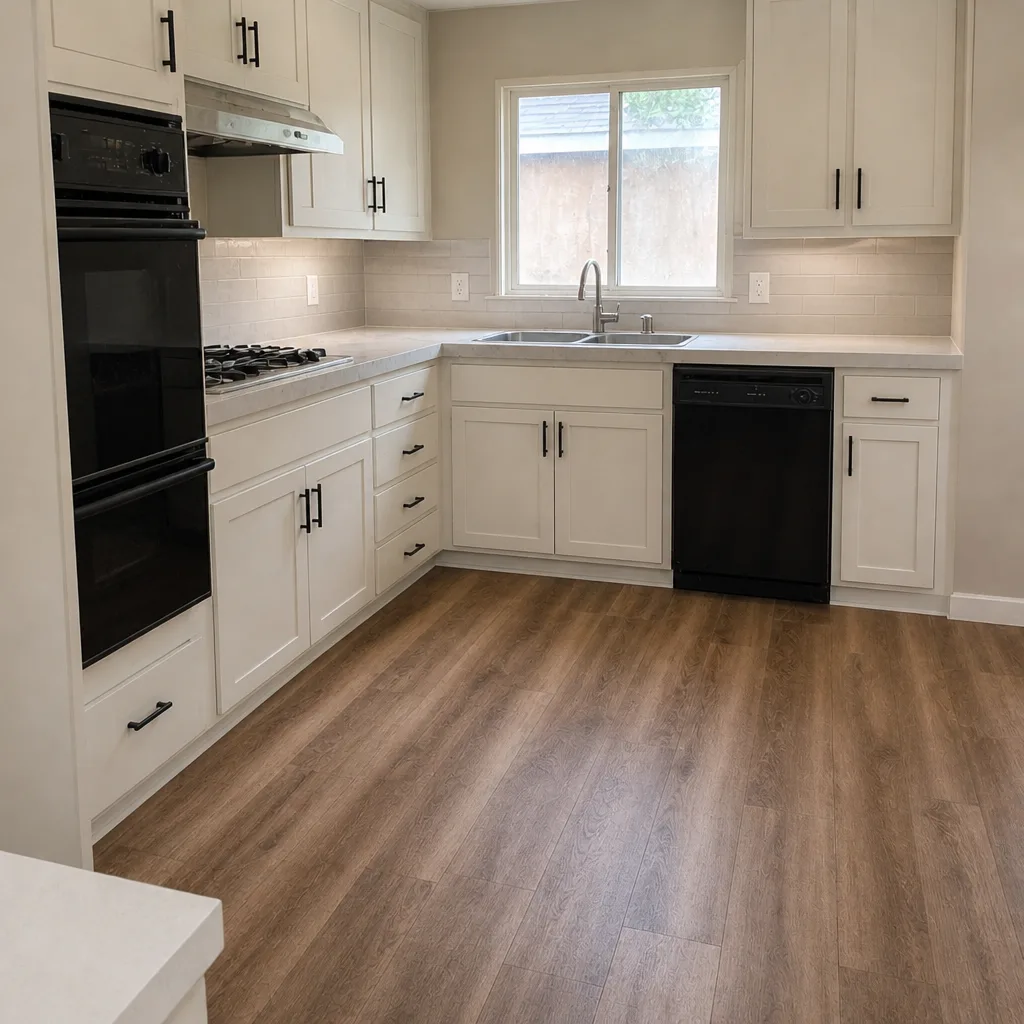
See the difference
 Before
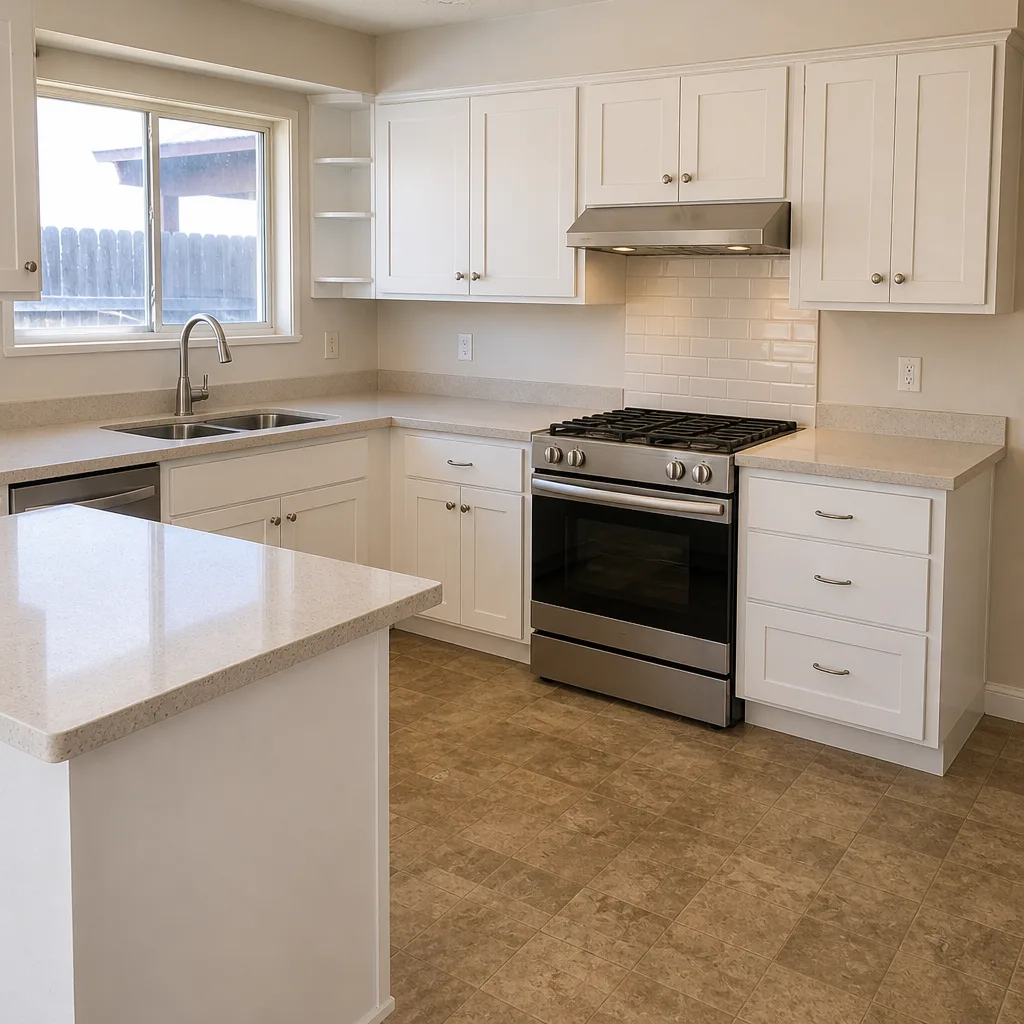 After
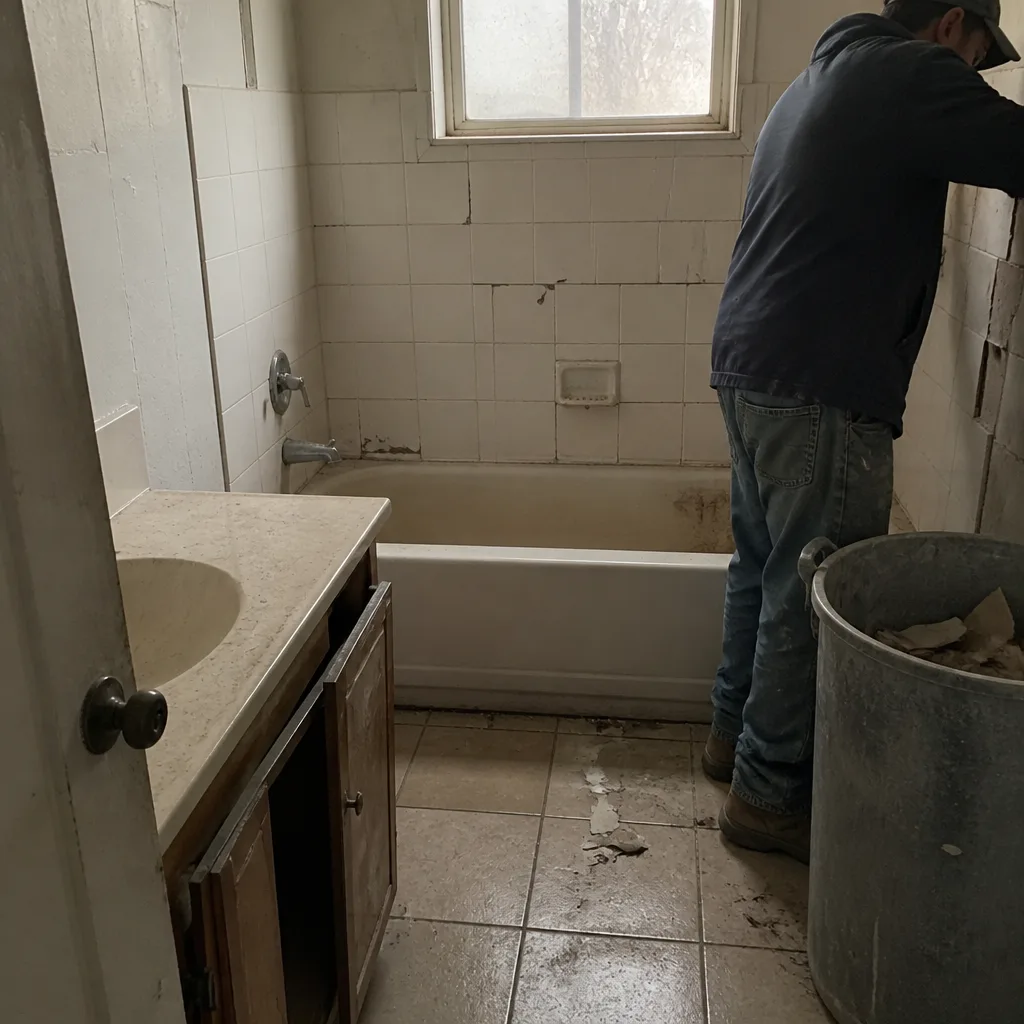 Before
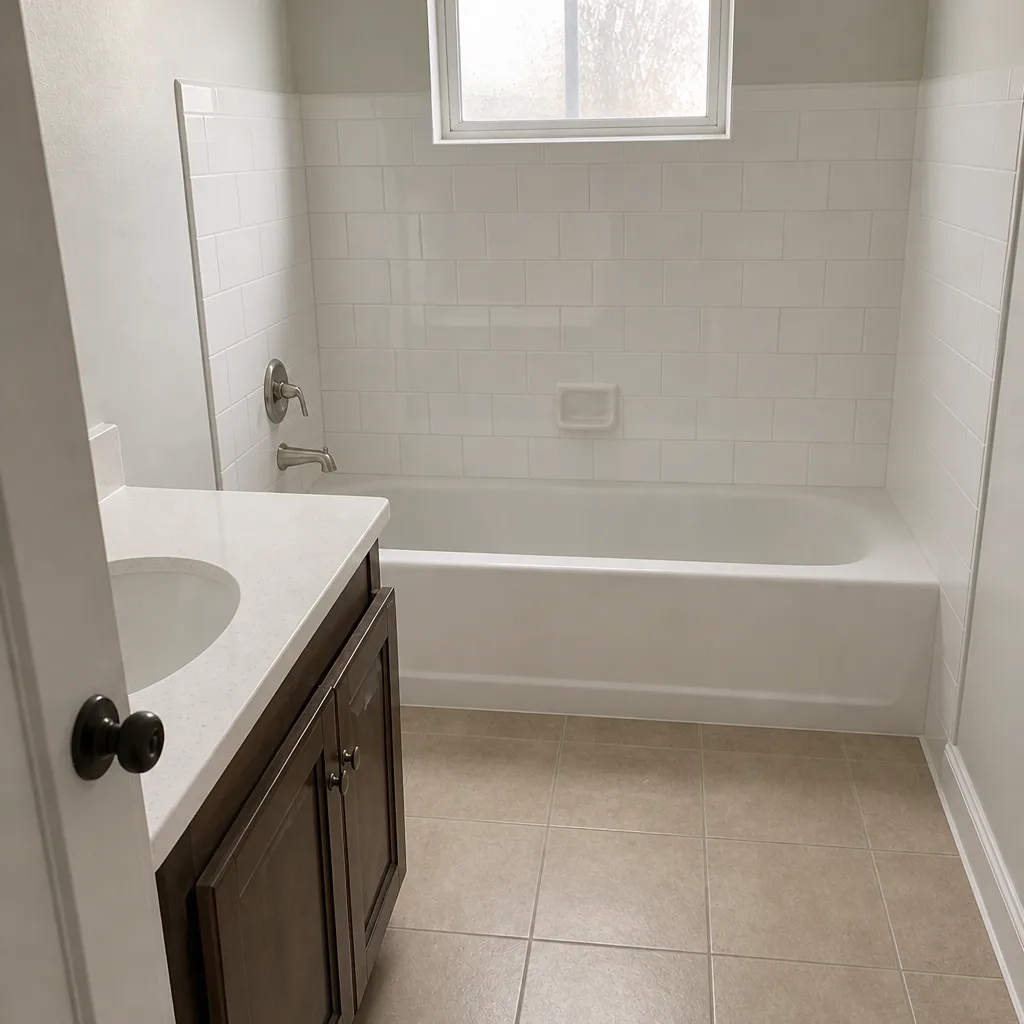 After
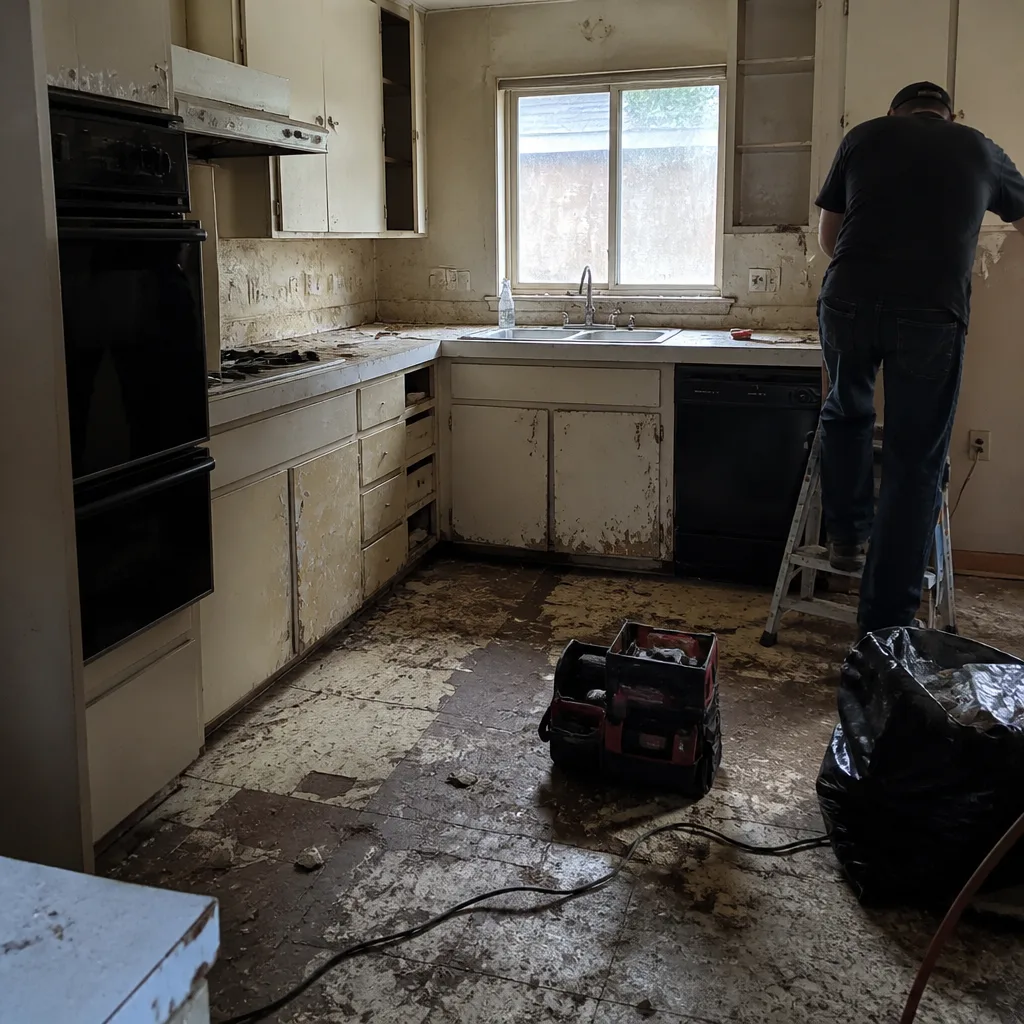 Before
 After
When to Call a Professional
Call a licensed contractor the moment any of these are on your scope list: structural framing, header or beam work, load-bearing modification, electrical panel work, new circuit installation, gas line installation, plumbing rough-in, HVAC ducting, foundation work, roofing tie-in, or anything requiring a Title 24 compliance signoff. Also call one if you plan to sell within a year, if you don’t have 60 – 120 hours of schedule to give to the project, or if you can’t name the license number of every subcontractor on the job before work starts. Rowan Construction Group Lancaster offers free estimates in Lancaster – call (844) 797-3312 to schedule. A written flat price and written scope before work begins, plus a Free Second Opinion on any written estimate you’re already holding, means you can compare the numbers rather than trust the sales pitch.
Frequently Asked Questions
Yes, under California Business and Professions Code §7044, a homeowner can act as their own general contractor on their own residence. The exemption does not apply if you intend to sell within one year of completion, and it doesn’t protect you if you hire an unlicensed subcontractor. Call (844) 797-3312 for a free estimate if you want a licensed GC to pull the permit instead.
Finish carpentry, painting, flooring, cabinet installation, tile setting, and landscaping are legally owner-completable in Lancaster without a contractor’s license. Structural framing, electrical panel work, gas line installation, plumbing rough-in, HVAC ducting, foundation work, and load-bearing modifications require a licensed contractor or licensed specialty subcontractor regardless of owner-builder status. Call (844) 797-3312 and we’ll review any scope with you at no charge.
A licensed general contractor builds a full ADU in the Antelope Valley at roughly $180 – $280 per square foot, so an 800-square-foot detached unit runs $144,000 – $224,000. Owner-builder savings on GC markup typically land between 15% and 25%, but the owner absorbs 60 – 120 hours of coordination and all subcontractor liability. Call (844) 797-3312 for a written flat price and written scope before any work is scheduled – our estimates are free.
Usually not. Homeowner property insurance policies can deny claims for damage caused by unpermitted work or by an unlicensed contractor, even if the homeowner didn’t know the contractor was unlicensed. Verify any contractor’s license at the CSLB website and confirm your policy covers active construction before you start. Call (844) 797-3312 to review a written scope that keeps your insurable work insurable.
The addition typically adds no legal square footage to the appraisal, and lenders require the appraiser to flag it, which can trigger retroactive permits at $8,000 – $25,000, a price concession, or a loan denial. The buyer’s lender almost always requires the seller to legalize before closing. A licensed GC pulling the permit up front avoids the entire outcome – call (844) 797-3312 for a free estimate on the permitted version.
No. Prefab units compress the schedule and handle the envelope, but the site work, foundation, utility tie-in, and permits still land on a licensed local contractor or on you as the owner-builder. The manufacturer’s warranty covers panels, not site work. Call (844) 797-3312 to talk through how a prefab unit fits a Lancaster lot before you commit to a deposit.
The Bottom Line
DIY adds real value to a Lancaster addition at the finishes, not at the rough-ins. Painting, flooring, cabinetry, and finish carpentry are legally yours to take on; framing, electrical, gas, plumbing rough-in, HVAC, and load-bearing work require a licensed contractor regardless of your owner-builder status. The savings math is honest – 15 – 25% off GC markup – but so is the cost: 60 – 120 hours of coordination, all subcontractor liability, and an insurance gap that can turn a small mistake into a denied claim. Build permitted, verify every license, and get the written price before the first tool comes out. Written by the team at Rowan Construction Group Lancaster.
Call (844) 797-3312 to schedule your free estimate. Every Rowan quote is a flat written price with a written scope and a written warranty before work begins, backed by the 365-Day Done Right Promise. Bring a competitor’s estimate and we’ll review it line by line at no charge.
Written by the team at Rowan Construction Group Lancaster.