Free written scope consultation - allowances, timeline, and change-order rules on paper before a single trade is scheduled
Styles & brands we work with
- Kitchen remodeling
- Bathroom remodeling
- Home additions & ADU
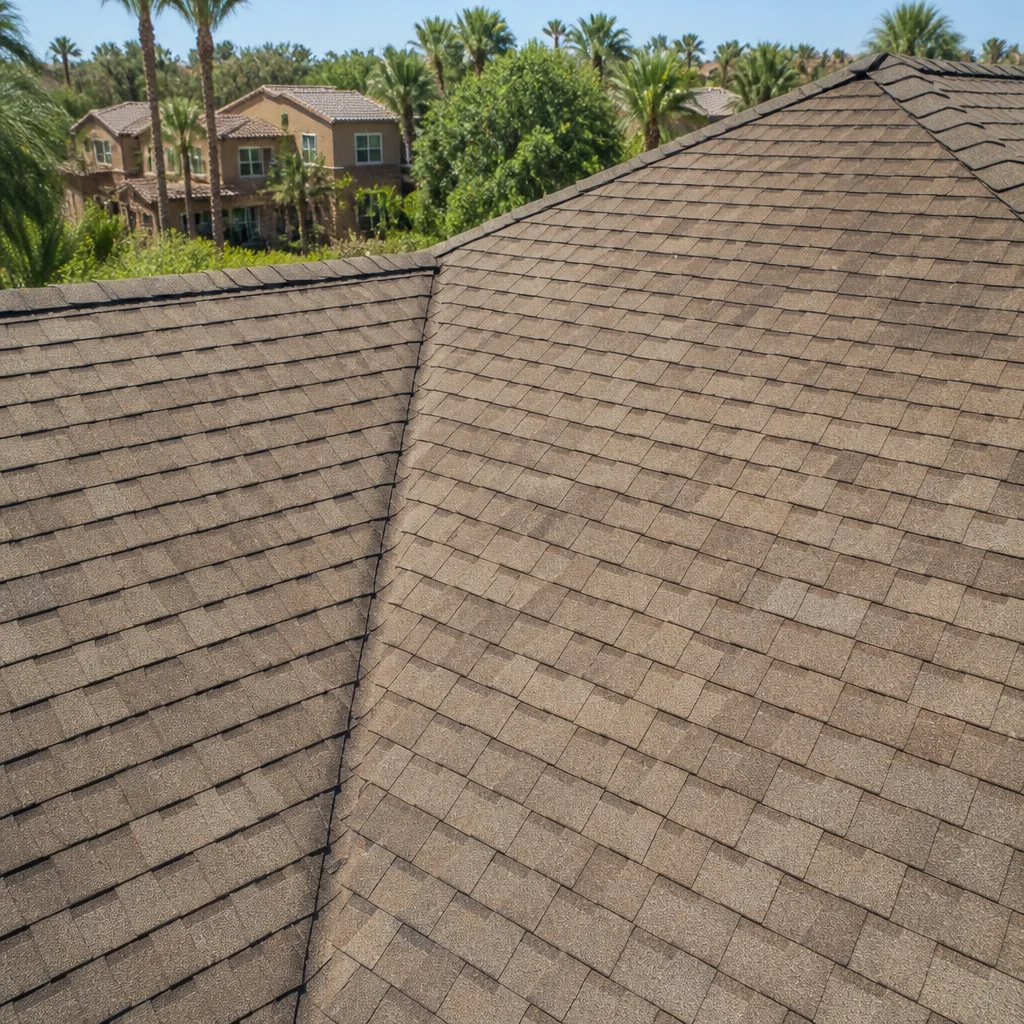
- Roofing
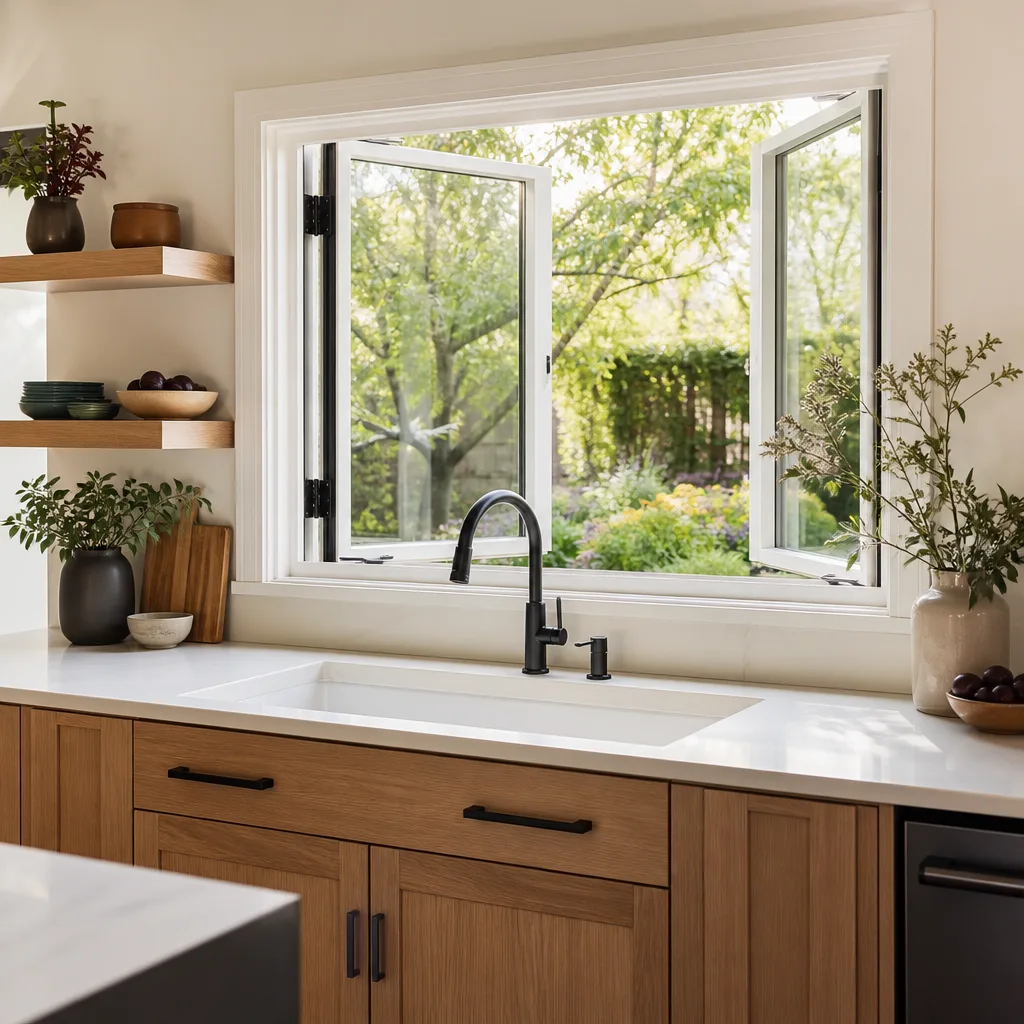
- Windows & doors
- Driveway & pavers
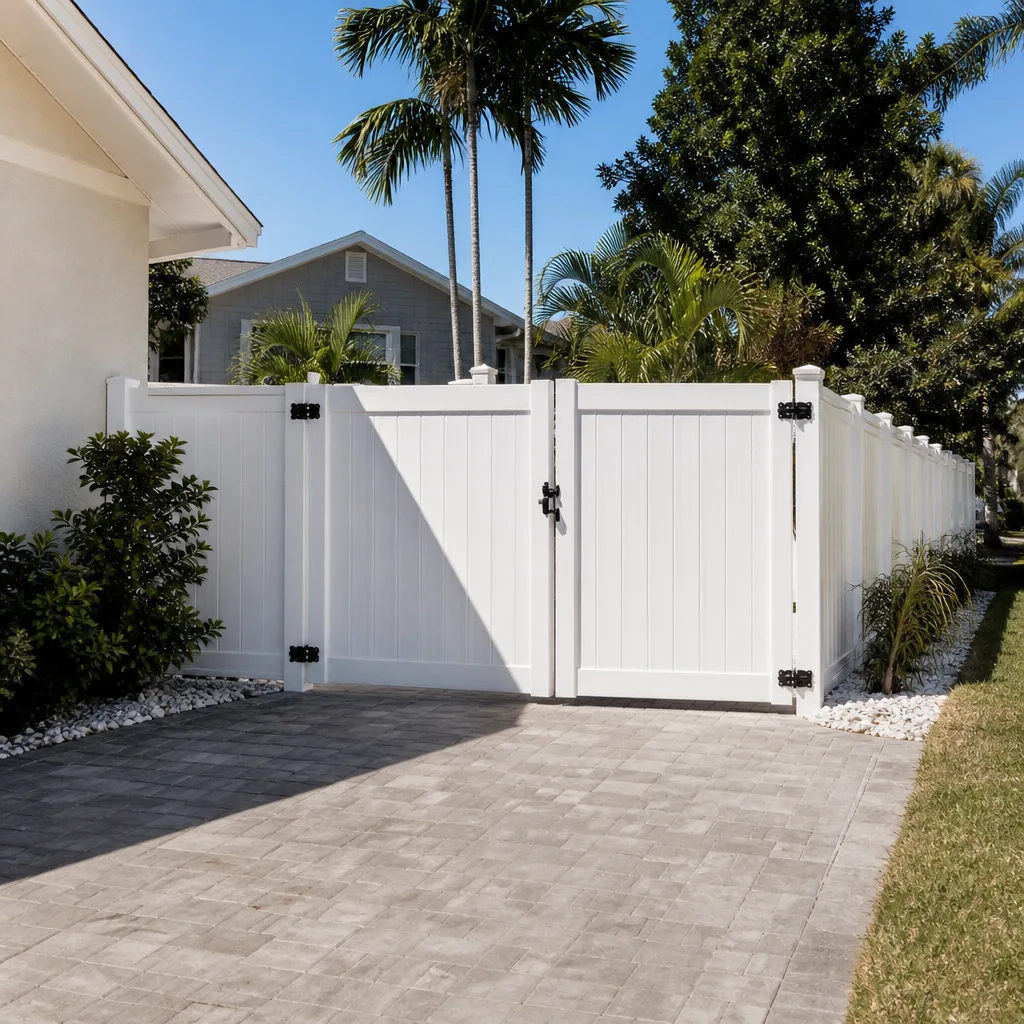
- Fence
See the difference
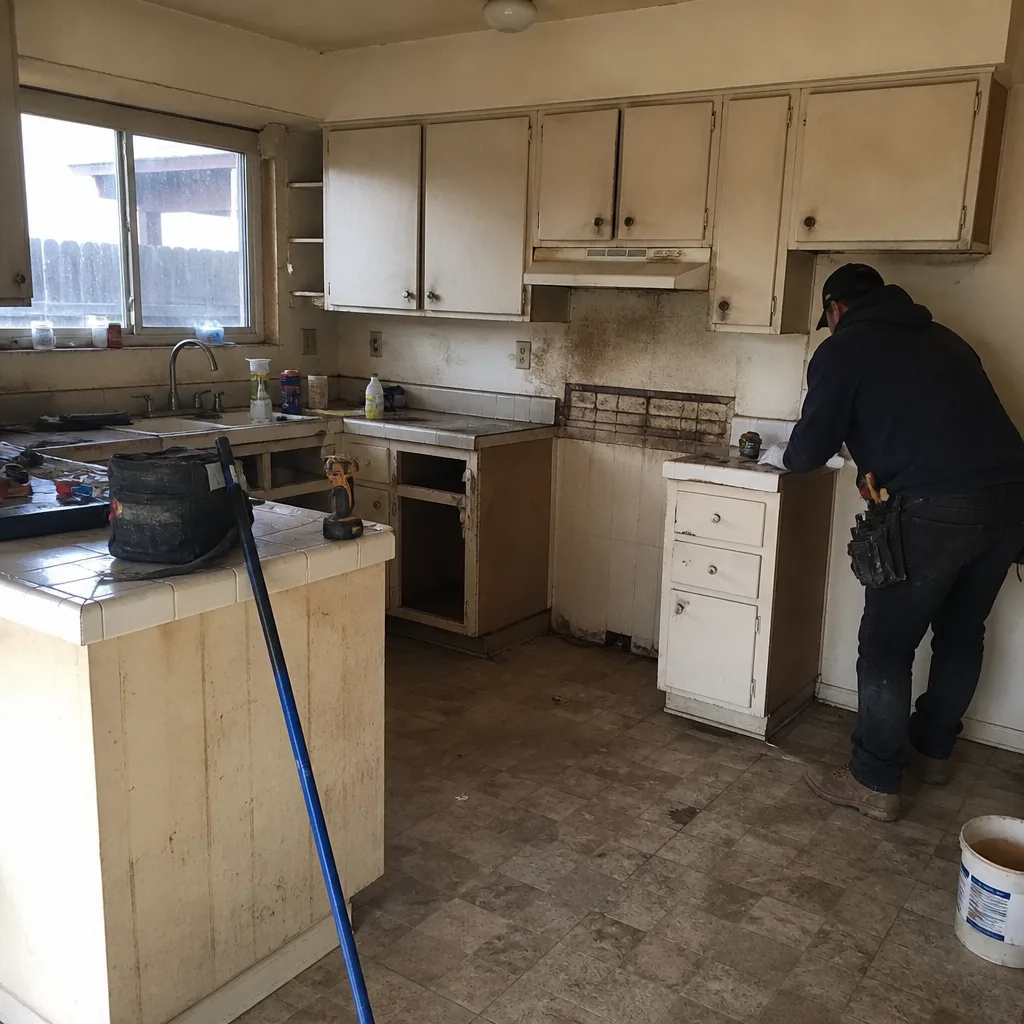 Before
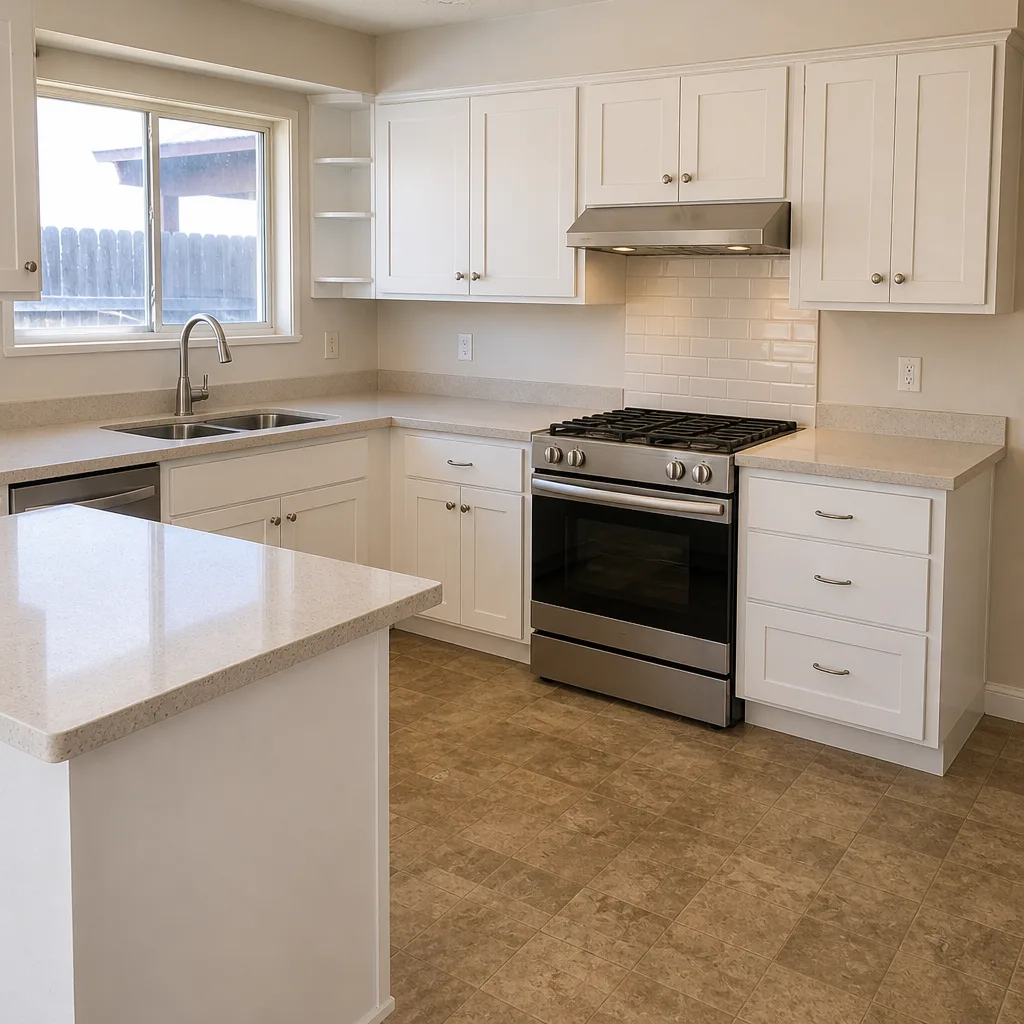 After
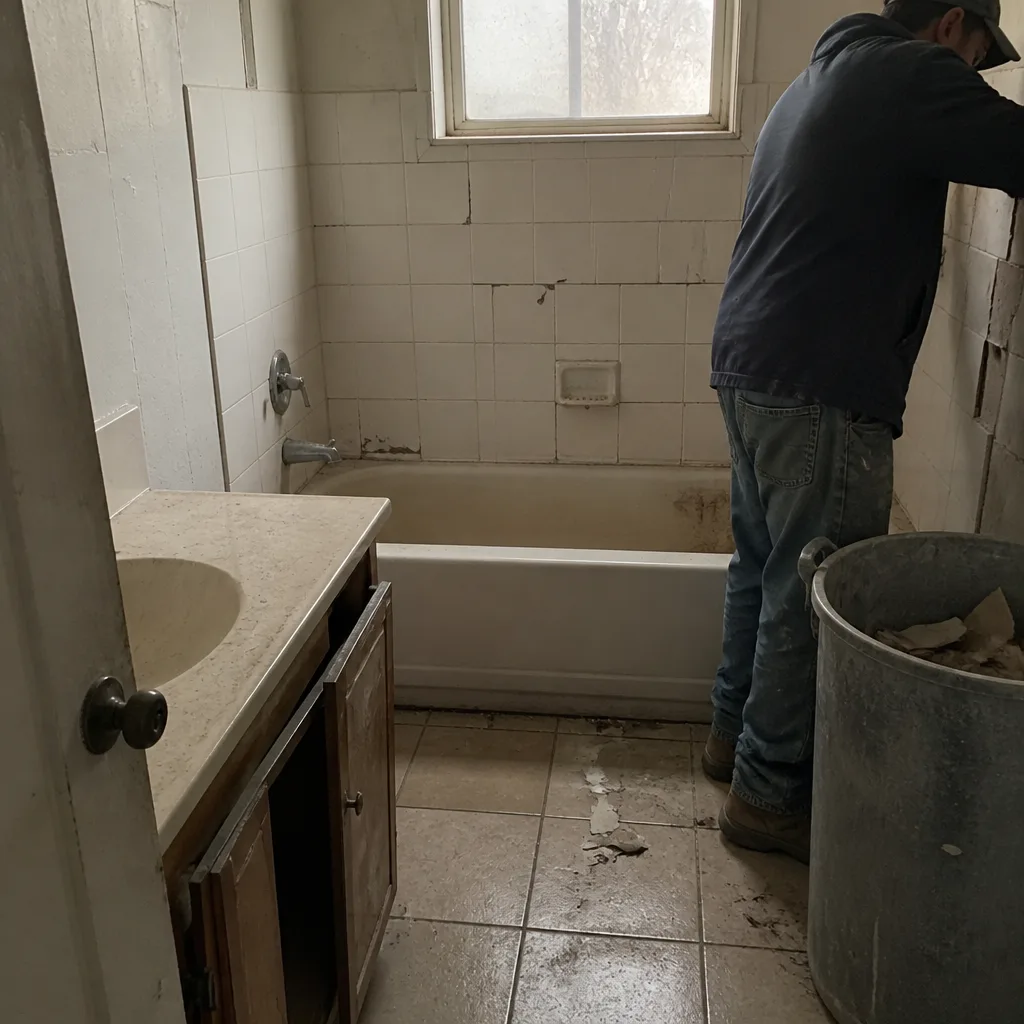 Before
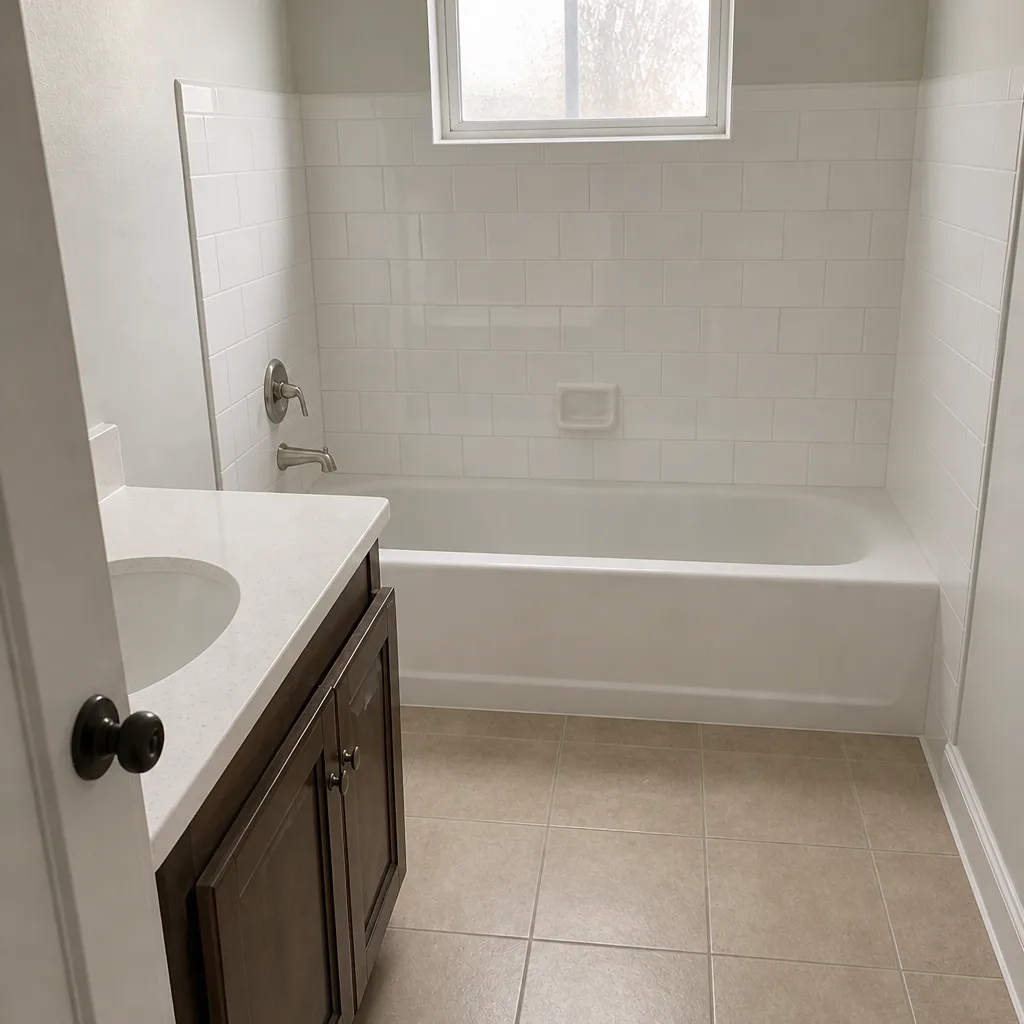 After
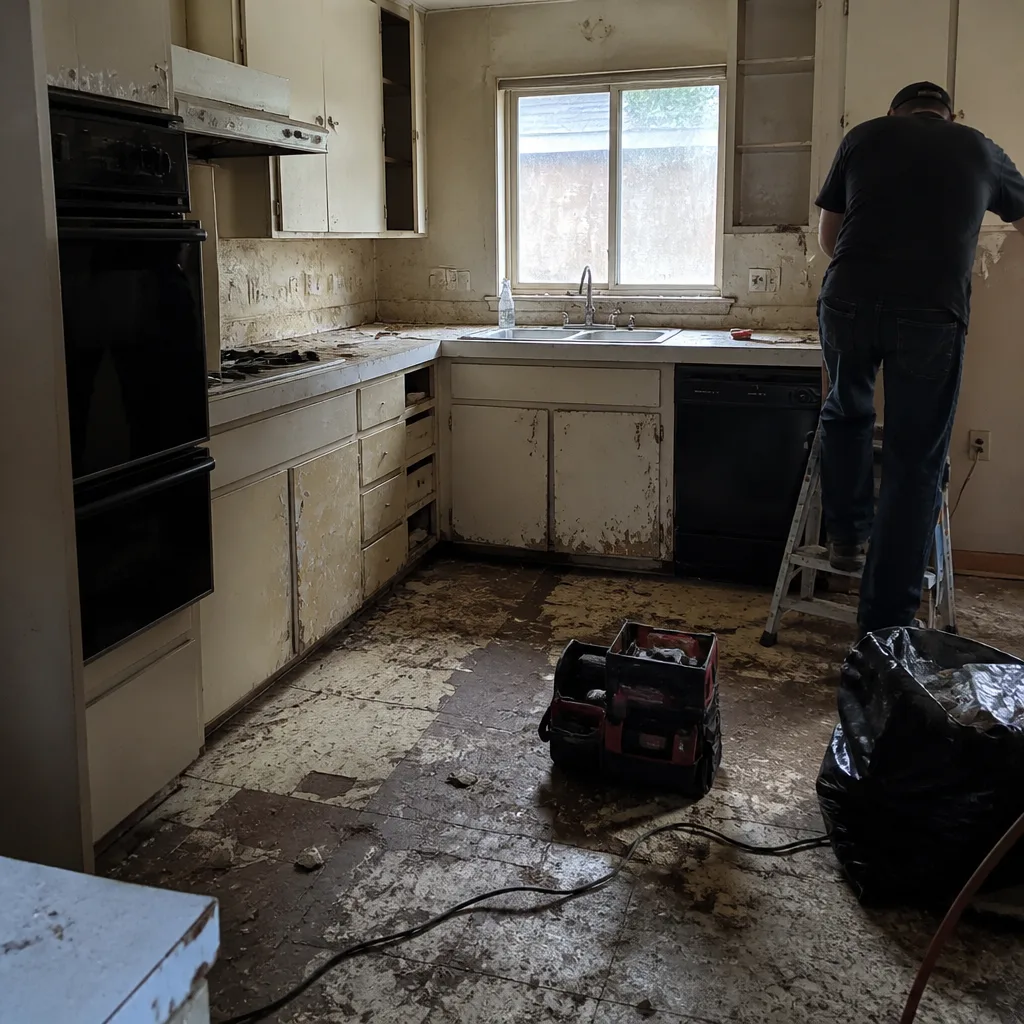 Before
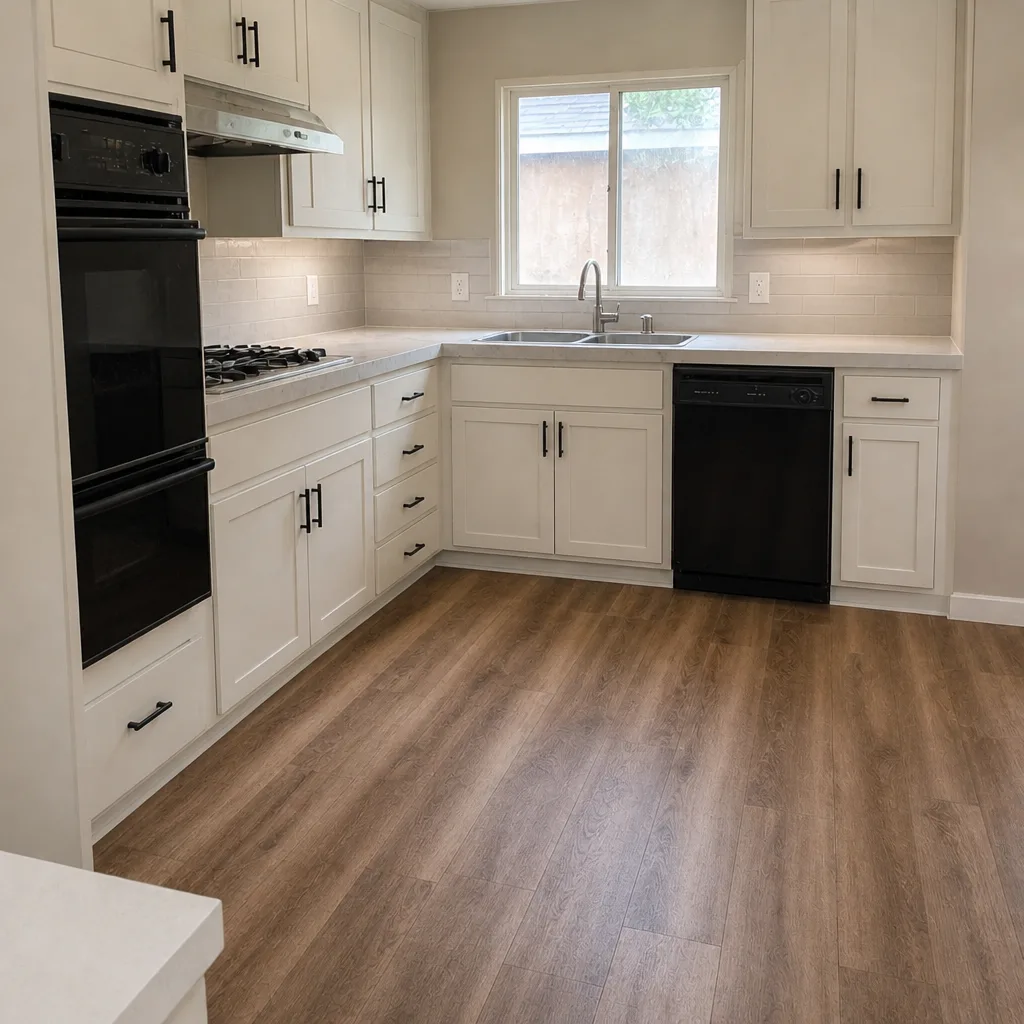 After
ADU Rules and Requirements in Lancaster, CA: What Determines Whether Your Plans Get Approved
California’s statewide ADU law sets the floor, but the parcel sets the rules. In Lancaster, two ADUs on the same street can fall under different rulebooks – the City of Lancaster’s ordinance or LA County’s standards if the lot is unincorporated – and rural parcels with private wells, septic systems, or wildfire-interface designations carry overlays that most online ADU guides never mention. The short answer: approval hinges on your jurisdiction, your septic capacity, your soils, and your fire zone, not just the state minimums.
If you want a straight read on which of those applies to your lot before you spend a dollar on drawings, call Rowan Construction Group Lancaster at (844) 797-3312. We’ll tell you what the parcel actually requires.
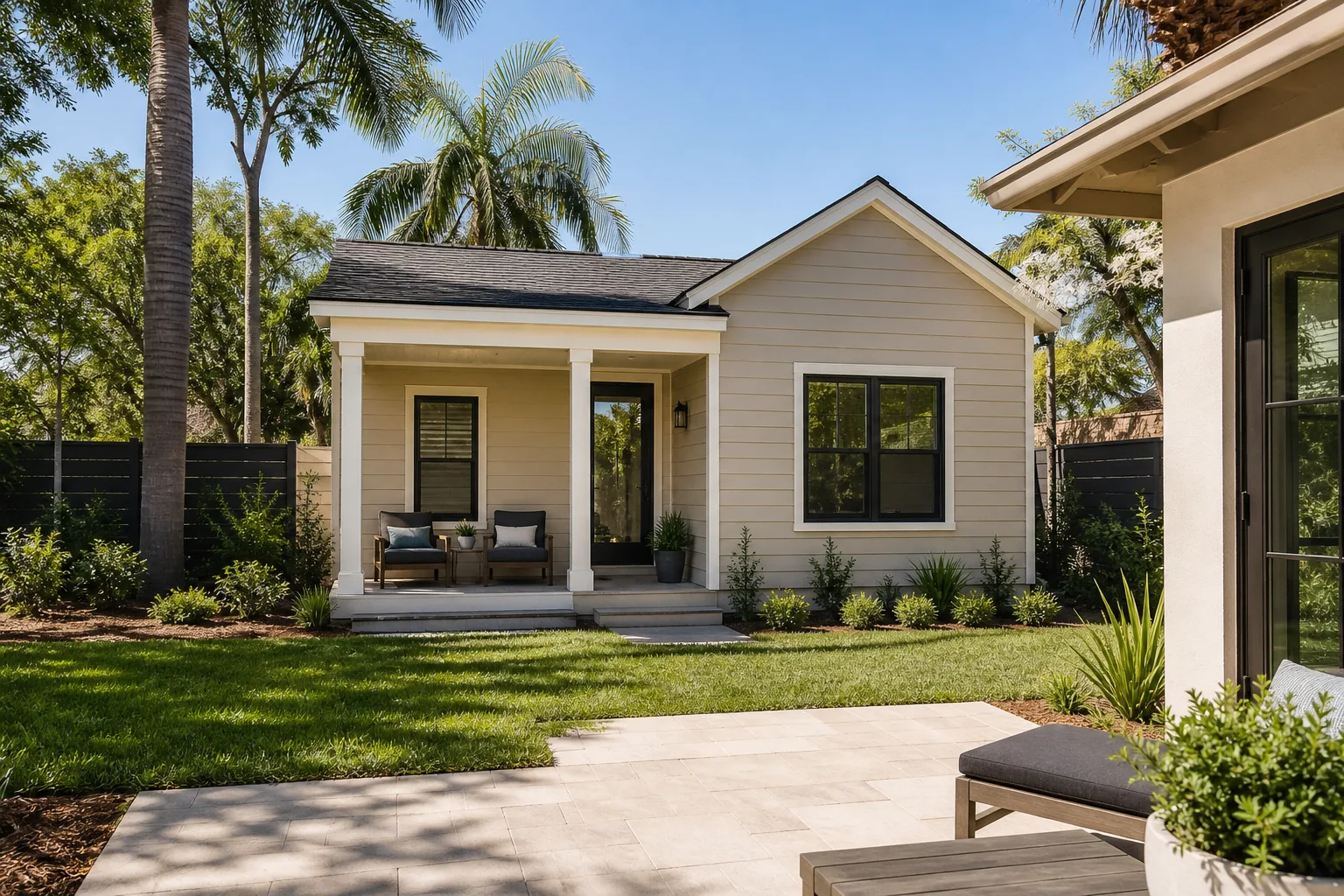
Which rulebook governs your Lancaster parcel?
AB 68 and SB 9 set the statewide minimums: a detached ADU of up to 1,200 square feet, a junior ADU inside the existing footprint, and limits on how far a city can push back on setbacks and parking. Those are the floor. The City of Lancaster adds its own setback and height rules on top – and if your address sits in unincorporated Antelope Valley, LA County’s ADU standards apply instead of the city’s. The two differ in ways that matter: side and rear setbacks, maximum height, and how a second-story ADU is treated.
Before design starts, we confirm in writing which jurisdiction controls your parcel. That single step is what separates a permit-ready drawing set from a plan-check rejection four months in, and it’s the first thing a written ADU quote should name explicitly.
Septic and well requirements on rural Lancaster lots
This is the requirement most online guides assume away. On a Lancaster parcel served by a private well and septic, a percolation test and health-department sign-off can be required before an ADU permit is issued – a step that typically adds $1,500-$4,000 and four to six weeks to the front end of the project. Skip it, and the building permit stalls.
The system capacity question is the harder one. An ADU adds a bedroom count and a fixture load, and the health department needs to see that the existing system can handle it. On Antelope Valley parcels built in the 1960s through the 1980s, steel septic tanks are common – and those tanks often fail inspection. When that happens, full replacement becomes a condition of ADU approval, running $8,000-$18,000. That number belongs in the quote, not in a surprise change order three months in.
What a septic-driven ADU budget looks like
Here’s how the site-specific line items stack up against a Lancaster ADU build, using the ranges we hold consistent across every Rowan page:
- ADU construction (full range): $90,000-$220,000
- Garage conversion (existing structure reused): $30,000-$80,000
- Percolation test and health-department sign-off: $1,500-$4,000
- Septic replacement, if the existing tank fails: $8,000-$18,000
- Soils report where expansive clay is present: $4,000-$12,000 in foundation cost swing
The Home Additions & ADU service page covers the build itself. This page covers the compliance layer that comes before it.
Expansive soils and what they do to your foundation number
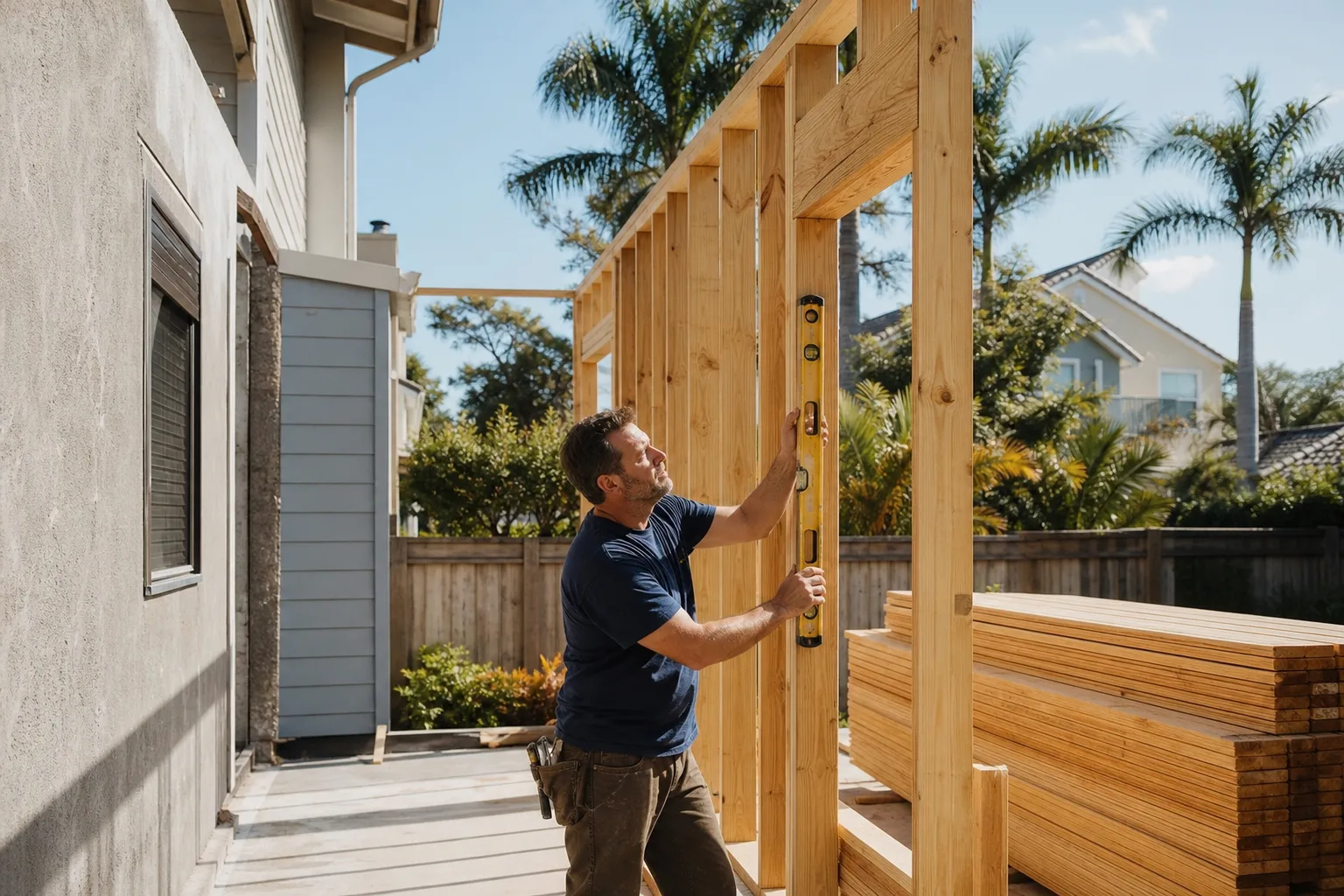
Antelope Valley clay expands and contracts with moisture, and the extreme diurnal swing here – often 30-40°F between day and night – works the soil and the slab hard. In many parts of Lancaster, a detached ADU slab requires a soils report from a licensed geotechnical engineer. The report dictates footing depth and the slab reinforcement schedule, and those two decisions directly set the foundation cost. Depending on what the engineer finds, the swing can run $4,000-$12,000 on the same basic footprint.
Our recommendation is simple: get the soils report before the drawings are finalized, not after. It’s cheaper to engineer the footing once than to redraw it at plan check.
Wildfire-interface requirements on Lancaster ADUs
Parcels on the west and south edges of Lancaster fall into wildfire-exposure zones, and Chapter 7A of the California Building Code applies to new ADU construction there. In practice that means:
- A Class A fire-rated roof assembly
- Ember-resistant vents at the roof and foundation
- In some cases, a 5-foot noncombustible zone around the structure
Those materials and labor should appear as named line items in any honest ADU quote, not buried in a general allowance. If a quote for a wildfire-interface parcel doesn’t mention the roof class and the vent spec, it isn’t priced for the parcel. James Hardie fiber-cement siding is a common choice here because it carries the fire rating and holds up to the wind-driven sand that pits west-facing stucco across the valley.
What to check before you sign an ADU agreement
Read the scope the way you’d read the fine print on an appliance spec. A written ADU quote should name four things plainly, and if any are missing, ask why:
- Which jurisdiction governs the parcel – City of Lancaster or LA County.
- Whether the soils report is included, and who pays for it if the engineer calls for deeper footings.
- What fire-rating assembly is specified, if the parcel is in a wildfire zone.
- Whether the septic capacity test is on the schedule, and what happens if the tank fails.
Under Clause 1 of the Haven Standard, the price is written before anyone starts, and no change proceeds without a signed change order. That discipline is what has kept our projects within a few percent of the agreed cost across more than 4,000 jobs. It also means the site-specific items above are priced in writing up front rather than discovered mid-build. A Lancaster ADU is a written price with a written scope, not a “call for a quote” process.
FAQs
Yes, if your Lancaster parcel is served by a private well and septic rather than a public sewer connection. The health department needs percolation results and a system capacity review before the building permit is issued. Expect $1,500-$4,000 and four to six weeks added to the front end. Call (844) 797-3312 for a free estimate that names that step in writing.
Full ADU construction in Lancaster runs $90,000-$220,000, and a garage conversion runs $30,000-$80,000. The spread depends on jurisdiction, septic condition, soils findings, and fire-zone detailing. A written quote should show those as separate line items rather than a single lump number. Estimates are free – call (844) 797-3312.
Yes. If your Lancaster parcel sits in a wildfire-exposure zone, Chapter 7A requires a Class A roof assembly, ember-resistant vents, and sometimes a 5-foot noncombustible zone. Those are real material and labor costs, and they belong as named items in your quote. We’ll confirm your parcel’s designation before design starts. Call (844) 797-3312.
A garage conversion is usually cheaper – $30,000-$80,000 versus $90,000-$220,000 for a detached ADU – because it reuses the existing slab and envelope. But if the soils under that slab are suspect or the septic needs an upgrade, the gap narrows. We’ll run both numbers in writing so you can compare. Call (844) 797-3312.
If you’d rather have your parcel looked at than guess at the rules, Rowan Construction Group Lancaster offers a no-pressure assessment in Lancaster. We’ll tell you which jurisdiction controls, whether a soils report and septic test apply, and what the number looks like in writing. Call (844) 797-3312 for a free estimate, and start with our home page to see how we work.
Written by the team at Rowan Construction Group Lancaster, serving Lancaster, CA.