Last updated November 17, 2026

Free written scope consultation - allowances, timeline, and change-order rules on paper before a single trade is scheduled
The Complete Fence Installation Guide for Lancaster Homeowners
Lancaster sits in one of the highest-wind corridors in Los Angeles County. A 6-foot wood fence installed with 24-inch post depth – standard across most of California – can fail in a single 60 mph Santa Ana event. The correct post depth for Lancaster’s soil class starts at 36 inches, and most national fence guides don’t know Lancaster exists. This guide does. We’ll cover wind load translated into post depth and footing volume, which materials survive Lancaster’s UV and temperature range, permit thresholds and costs, HOA approval traps, and per-linear-foot pricing in dollars you can compare. Read it before you request a single bid.
Quick Answer
Fence installation in Lancaster typically runs $35 – $55 per linear foot for wood privacy, $45 – $65 for vinyl, $65 – $95 for wrought iron or aluminum, and $120 – $180 for concrete block, with posts and labor itemized separately. The single biggest determinant of how long that fence lasts here is post depth and footing volume – not the panel material – because Lancaster’s wind load and alkaline soil punish shallow posts before they punish anything else. Budget for permits ($80 – $180) whenever your fence exceeds 6 feet or sits in a front-yard setback.
Styles & brands we work with
- Kitchen remodeling
- Bathroom remodeling
- Home additions & ADU
- Roofing
- Windows & doors
- Driveway & pavers
- Fence
Table of Contents
- Why Lancaster’s Wind Corridor Changes Fence Engineering
- Which Fence Materials Survive Lancaster’s Climate
- The 10-Year Cost Comparison: Cedar, Pine, Vinyl, Aluminum, Block
- City of Lancaster Permit Thresholds and Inspections
- HOA Fence Approval in Lancaster-Area Developments
- What Fence Installation Costs in Lancaster, Line by Line
- The Installation Sequence, Step by Step
- Common Mistakes to Avoid
Why Lancaster’s Wind Corridor Changes Fence Engineering
A fence is a sail. That’s the whole engineering problem, and Lancaster hands it a harder job than most of Southern California. Wind pressure rises with the square of velocity, so the gusts that funnel through the Antelope Valley don’t just push a little harder than coastal breezes – they load the structure several times over. A 6-foot solid wood panel is roughly 36 square feet of surface area catching that pressure, and all of it transfers to the posts and footings.
Here’s what that means in plain numbers for Lancaster installations:
- Post depth: 36 inches minimum for a 6-foot fence, versus the 24 inches common elsewhere. Deeper where the soil is sandy or fill.
- Post diameter: 4×4 posts are undersized for a solid 6-foot privacy run in exposed Lancaster yards. We specify 4×6 or 6×6 on windward runs.
- Footing volume: an 8-inch diameter hole with 36 inches of concrete is a starting point; 10-inch diameter for 6×6 posts and corner or gate posts, which take concentrated load.
- Setback and bracing: gates concentrate wind like a sail with a hinge, so gate posts get larger footings and often a diagonal brace.
The alkaline, often sandy-caliche soil across much of Lancaster is a second variable. Concrete cures fine in it, but drainage matters: a footing that holds standing water rots a wood post from the ground up no matter how deep it goes. Crown the concrete above grade so water sheds away from the post.
Which Fence Materials Survive Lancaster’s Climate
Lancaster’s UV index and temperature range – roughly 20°F winter lows to 110°F summer highs, with intense sun most of the year – are a stress test. Materials that shrug off coastal fog can chalk, warp, or fade here. A material-by-material read:
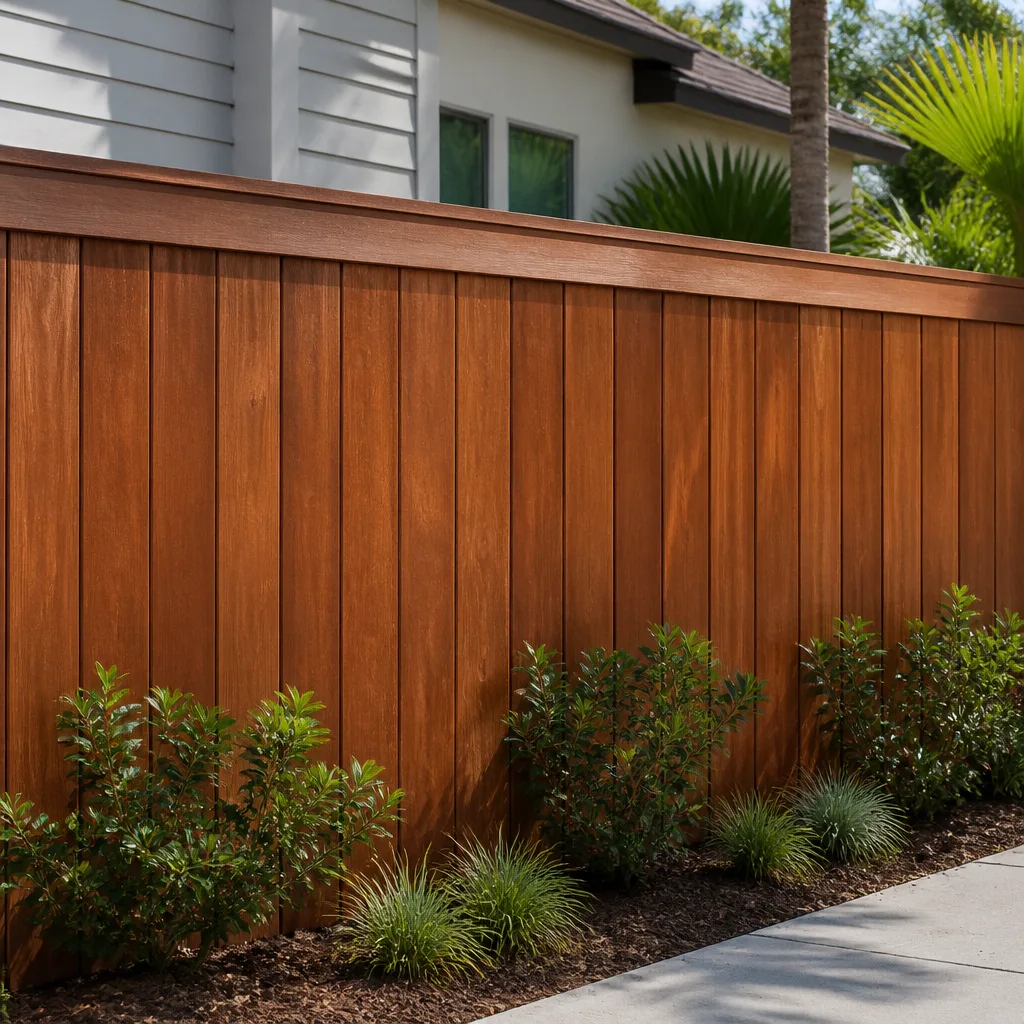
- Cedar: naturally rot-resistant and stable across temperature swings, and it takes stain well. It still needs re-sealing every 2 – 3 years under Lancaster’s UV load. Western red cedar is the durable choice; budget cedar differs.
- Pressure-treated pine: the most common privacy material and the most affordable, but the wet-dry cycling in Lancaster causes checking and warping faster than in milder climates. Galvanized or stainless fasteners are non-negotiable – Lancaster’s soil and treated lumber both corrode cheap hardware.
- Vinyl: unaffected by UV fading if you buy a quality extrusion rated for high-sun climates, and it never needs staining. The catch is thermal expansion: panels move with the temperature swing, so posts and rails must be engineered with the right slack. Cheap vinyl in Lancaster’s heat goes brittle.
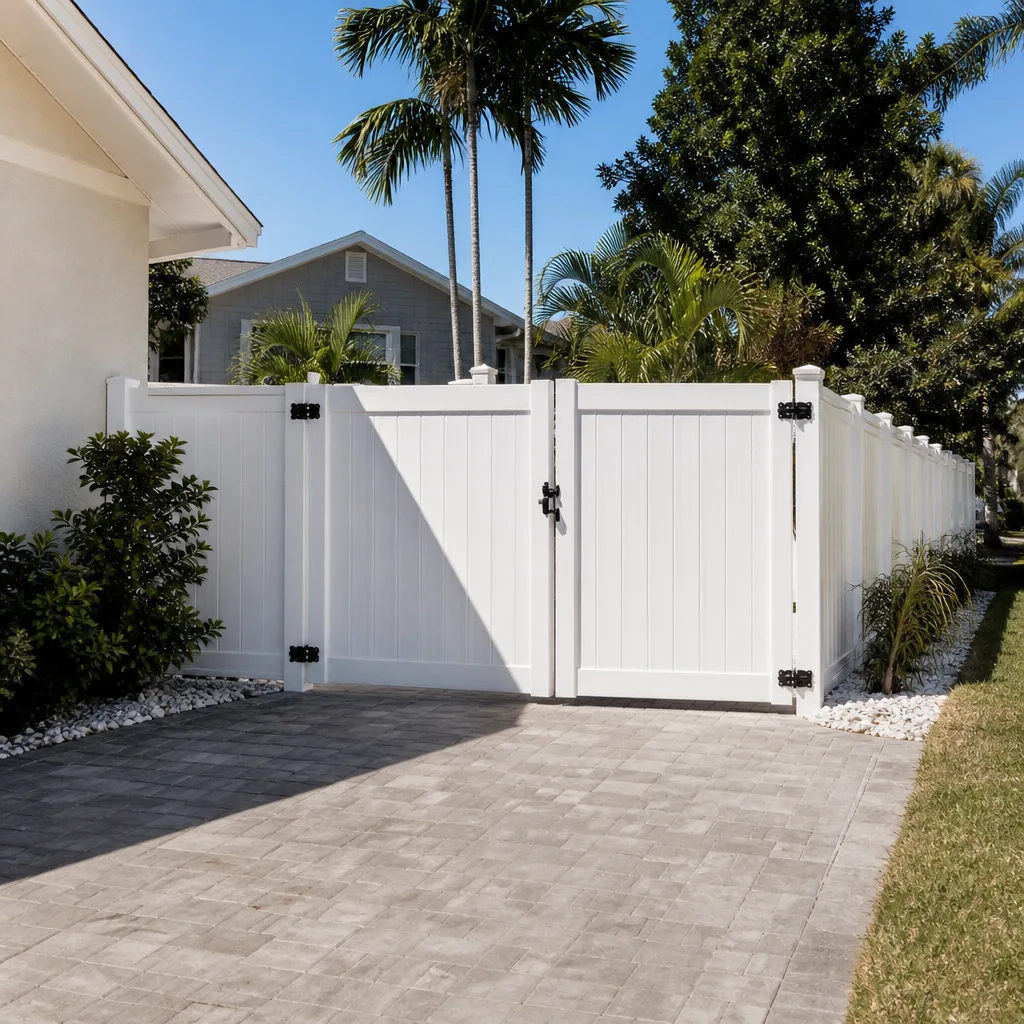
- Aluminum and wrought iron: the strongest wind performers because they’re open (less sail area) and rigid. Powder-coated aluminum holds color in high UV. Brands like Boral and CGI make coatings and components that hold up; PGT and CWS matter more on the gate and hardware side. Best for view fencing and street-facing runs where you want security without a solid wall.
- Concrete block: the most permanent and the most wind-resistant, but the most expensive per foot and the heaviest engineering load – it needs a proper footing and often a reinforced bond beam. Best for sound walls and street frontage.
The 10-Year Cost Comparison: Cedar, Pine, Vinyl, Aluminum, Block
Sticker price is half the story. Over ten years in Lancaster, maintenance – staining, repair, replacement of wind-failed sections – changes the ranking. Here’s the honest comparison we walk Lancaster homeowners through:
- Pressure-treated pine: lowest upfront. Highest maintenance: re-stain every 2 – 3 years, and expect to replace wind-damaged panels or posts sooner than the other options if post depth was skimped. Cheapest to buy, not always cheapest to own.
- Cedar: higher upfront than pine, less prone to warping and checking, similar staining cadence. Over a decade it usually costs less than pine because failed panels are rarer.
- Vinyl: higher upfront than wood, near-zero maintenance – a rinse. Ten-year cost is predictable and low if the posts are engineered for thermal movement. A poor install erases the advantage.
- Aluminum/wrought iron: higher upfront still, effectively no maintenance beyond occasional hardware checks, and the best wind survival. Ten-year cost is flat and low.
- Concrete block: highest upfront by far. Essentially zero maintenance, decades of life, and the strongest against wind. A lifetime asset, not a decade one.
The pattern: the materials that cost more per foot buy back their premium in avoided staining weekends and fewer wind repairs. That math holds in Lancaster more than in calmer climates because the wind accelerates wear on anything flexible.
City of Lancaster Permit Thresholds and Inspections
Most residential fence work in Lancaster doesn’t need a permit – but the exceptions catch homeowners who assume “fence equals no permit.” The thresholds to know:
- Height: fences over 6 feet typically require a building permit. Walls over a certain height may need engineering.
- Setbacks: front-yard and corner-lot fences within setback zones have their own rules, and sight-distance triangles at intersections restrict height for visibility.
- Typical permit cost: $80 – $180 for a residential fence, depending on scope and whether engineering is required.
- Inspections: permitted fences usually get a footing inspection before concrete is poured and a final inspection at completion. That footing inspection is where deep posts and correct footing volume pay off – an inspector can fail shallow footings.
Building a fence without a required permit is a common and expensive error. If you sell the home, an unpermitted fence can surface in a disclosure and stall a closing. Pull the permit. It’s cheap compared to the alternative.
HOA Fence Approval in Lancaster-Area Developments
In the newer Lancaster developments and master-planned communities, the HOA is often a stricter gatekeeper than the city. Approval requirements commonly include:
- Color: approved stain or paint colors – often a specific tan, brown, or the natural finish – from a list the HOA controls. Staining the wrong shade means sanding and refinishing at your cost.
- Material: many HOAs restrict or prohibit chain-link and specify wood, vinyl, or wrought iron in front yards.
- Height: side and rear fences often capped at 6 feet, with front-yard fencing limited lower or prohibited.
- Submission: architectural review applications with drawings, material samples, and sometimes neighbor signatures before approval.
Get the approval in writing before the crew orders material. We’ve watched homeowners finish a fence and then get the violation letter. The fix is expensive and avoidable.
What Fence Installation Costs in Lancaster, Line by Line
Fence pricing in Lancaster is best read in dollars per linear foot, with posts and labor itemized so you can compare bids honestly. Here’s the range we see in this market:
| Fence type | Installed cost / linear ft | Notes |
|---|---|---|
| Wood privacy (pine/cedar) | $35 – $55 | 6-foot, posts and concrete included; cedar toward upper end |
| Vinyl privacy | $45 – $65 | Quality extrusion; engineered for thermal movement |
| Wrought iron / aluminum | $65 – $95 | View or security fencing; best wind performance |
| Concrete block | $120 – $180 | Heaviest engineering; needs proper footing and bond beam |
Itemized, the components look like this:
- Posts and footings: often $8 – $18 per linear foot of fence run, higher for 6×6 posts and gate posts with oversize footings.
- Panels/rails: the per-foot material cost described above.
- Labor and excavation: digging 36-inch post holes in Lancaster’s caliche-laced soil is slower than soft-ground digging elsewhere, and that labor is real.
- Permit and inspection: $80 – $180 where required.
Ask every bidder to itemize posts, panels, labor, and permit separately. A single “per foot” number hides whether the contractor is digging 24-inch holes and calling it done.
The Installation Sequence, Step by Step
A proper Lancaster installation follows a predictable order. Here’s the sequence we use:
- Confirm scope, permits, and HOA approval. Get the written price, permit status, and HOA sign-off before material is ordered.
- Call 811 for utility locating. Digging 36-inch post holes without a locate is how gas and irrigation lines get hit.
- Set the line and layout. String the fence line and mark post spacing – typically 8 feet on center, adjusting for gates and corners.
- Dig post holes to depth. 36 inches minimum, deeper for gates and windward runs, 10-inch diameter for larger posts.
- Set posts in concrete and crown the footings. Plumb and brace each post, pour concrete, and slope the top to shed water.
- Footing inspection if permitted. Inspectors check depth and footing before the panels go up.
- Install rails and panels, then hardware. Galvanized or stainless fasteners throughout; hinge gates on the strongest posts.
- Final inspection and walk-through. Confirm the fence is plumb, gates swing clean, and documentation is in hand.
Every one of those steps is a place a shortcut hides. Post depth is the most common and the most consequential.
Common Mistakes to Avoid
- Using 24-inch post depth. The single biggest failure driver in Lancaster. Deeper holes are the cheapest insurance against wind damage.
- Undersized footings on gate and corner posts. Gates concentrate wind load; those posts need bigger footings and sometimes bracing.
- Skipping the utility locate. Digging 36-inch holes without 811 is how you find the gas line the hard way.
- Cheap, non-galvanized fasteners. Lancaster’s soil and treated lumber corrode them fast; specify galvanized or stainless.
- Ignoring the HOA before ordering material. The wrong color or height means a violation letter after the fact.
- Assuming a fence never needs a permit. Over 6 feet or in a setback, it often does – and an unpermitted fence hurts a sale.
- Accepting a single per-foot quote with no itemization. You can’t tell what post depth or footing volume a bid assumes, and that’s where the wind failure lives.
See the difference
 Before
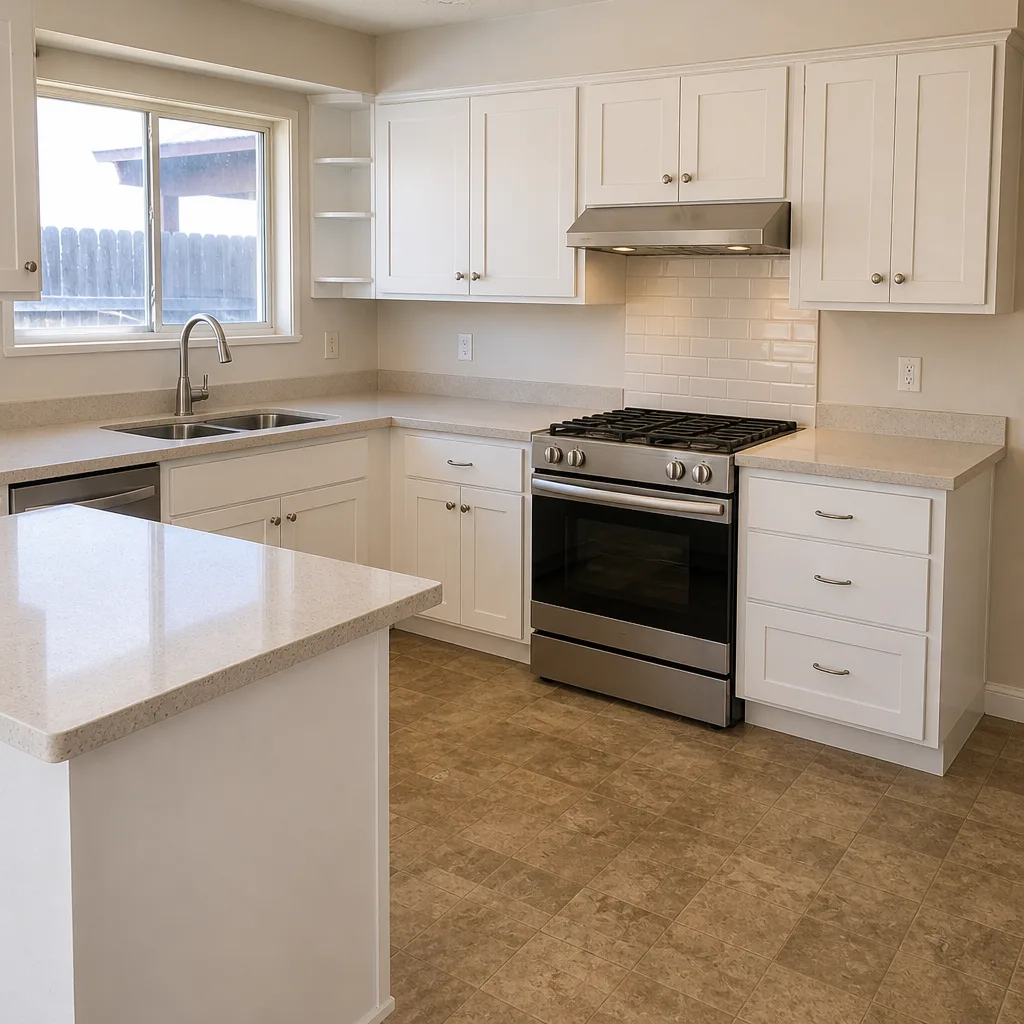 After
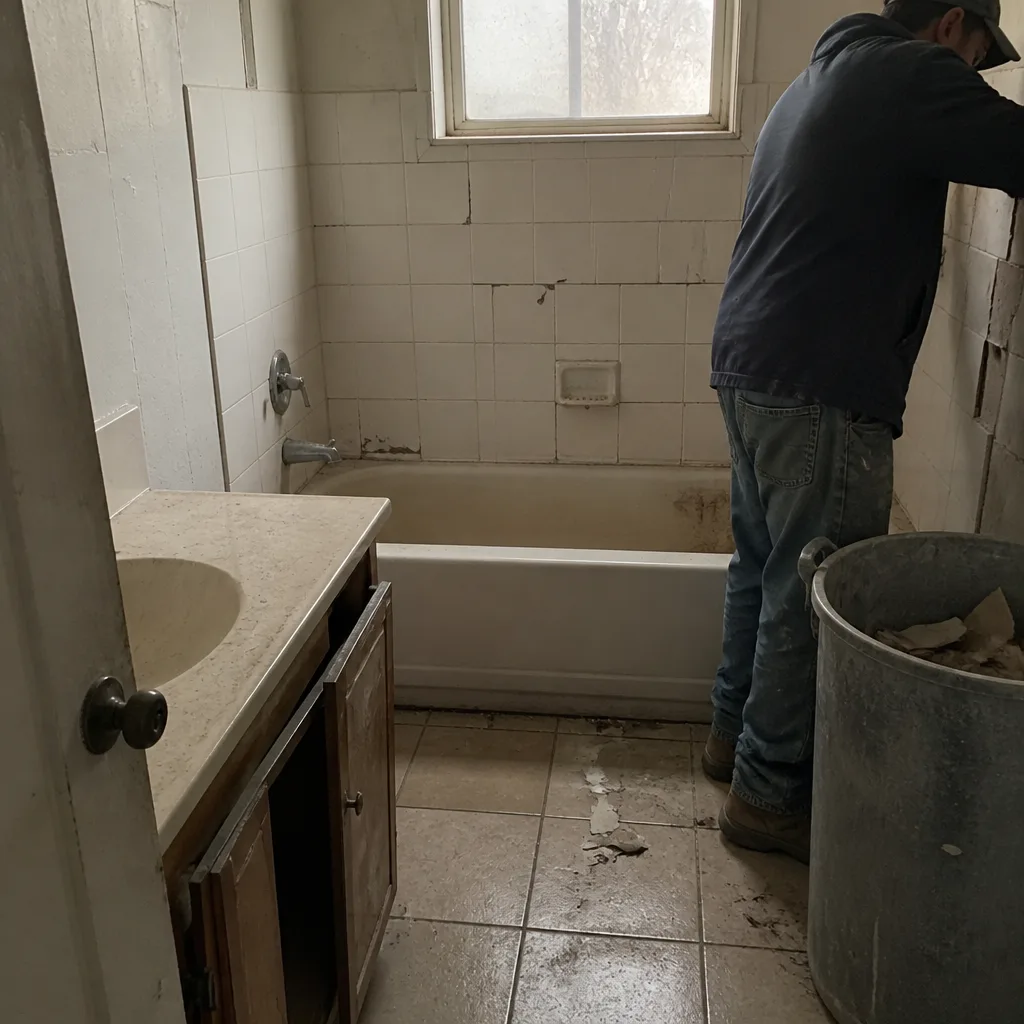 Before
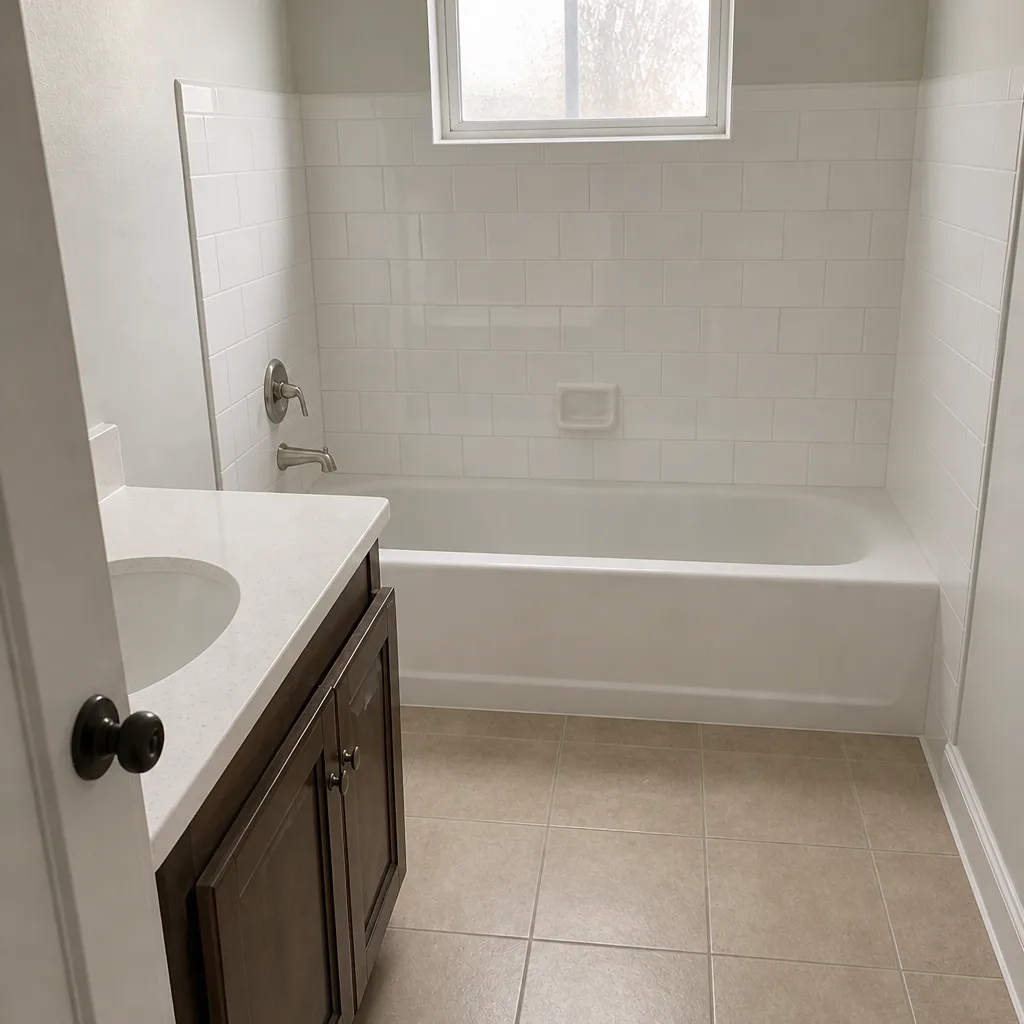 After
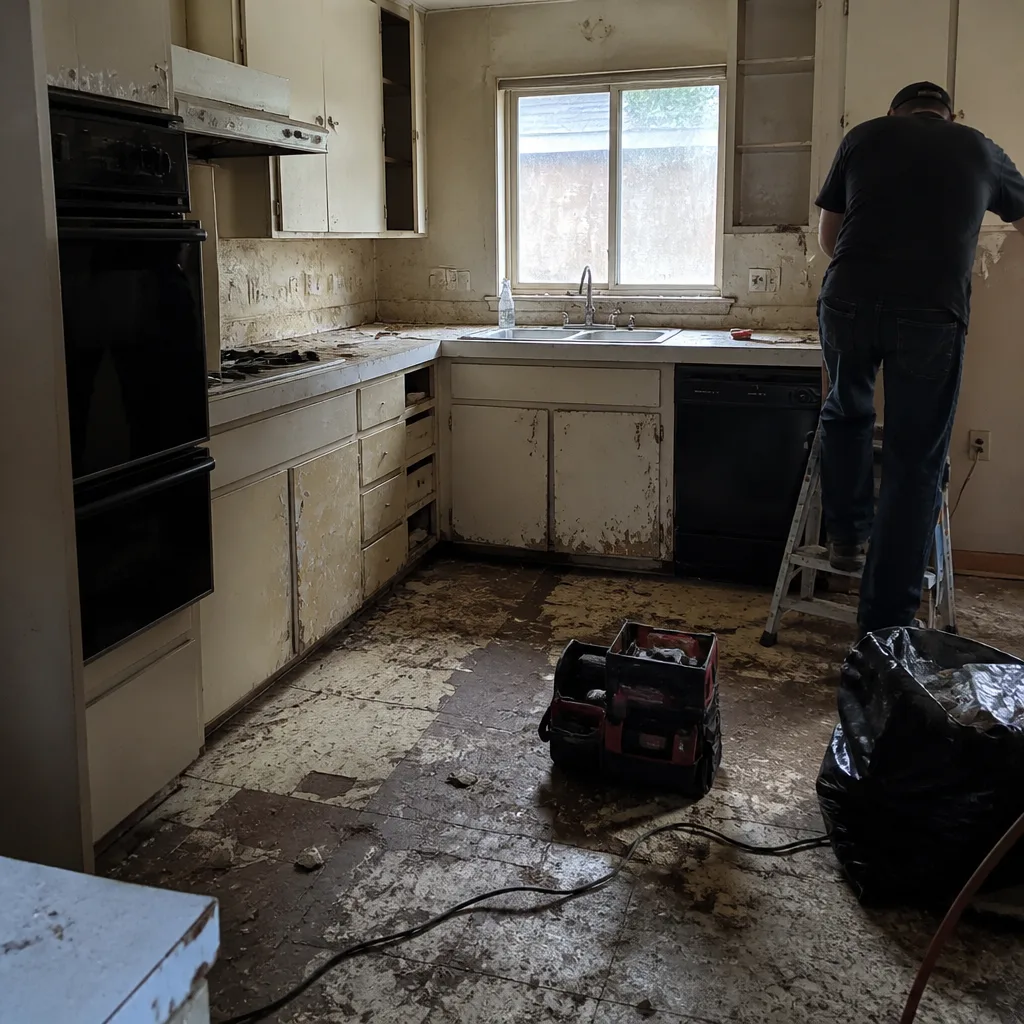 Before
 After
When to Call a Professional
Some fence work is genuinely a DIY job; a lot of Lancaster fence work isn’t. If your fence is over six feet, on a windward or corner-lot run, near property lines with utility conflicts, in an HOA with architectural review, or in soil that requires deeper post holes and larger footings, the math favors a professional – not because the work is exotic, but because post depth and footing volume are the variables that decide whether the fence survives a Santa Ana, and those are hard to get right with a rented auger and a week off. If a required footing inspection can fail shallow work, you want a team with up-to-date standards. Rowan Construction Group Lancaster offers free estimates in Lancaster – call (844) 797-3312. Our technicians have up to 19 years of experience, and every quote is a written, itemized price before any work starts.
Frequently Asked Questions
Fence installation in Lancaster runs about $35 – $55 per linear foot for wood privacy, $45 – $65 for vinyl, $65 – $95 for wrought iron or aluminum, and $120 – $180 for concrete block, with posts and labor itemized separately. Permits add $80 – $180 where required. Call (844) 797-3312 for an exact written quote – estimates are free.
Only if the fence exceeds 6 feet in height or sits within certain setback zones; most standard residential fences under 6 feet in the backyard don’t require one. Permitted fences typically need a footing inspection and a final inspection. If you’re unsure, check with the City of Lancaster before building – pulling a permit is inexpensive compared to remediating an unpermitted fence at sale.
Post depth should start at 36 inches in Lancaster – deeper than the 24 inches common elsewhere – because of the area’s wind load and often sandy, caliche-laced soil. Posts should also be larger diameter for solid 6-foot privacy runs, with 10-inch footings on corner and gate posts. Shallow posts are the most common cause of wind-failed fences in Lancaster.
Aluminum and wrought iron perform best against Lancaster’s wind and UV, with vinyl a close second for low maintenance and wood a strong value for privacy. Cedar outlasts pressure-treated pine in this climate, and quality vinyl rated for high sun holds color well. Concrete block is the most durable and most expensive. The single biggest longevity factor is still post depth and footing, not the panel material.
A typical residential fence run takes two to four days from layout to final walk-through, depending on length, material, and whether a footing inspection is scheduled. Concrete curing and inspection timing add time. The variable that most affects the schedule is soil and utility locating, not the panel install itself.
Your HOA will approve it if the color, material, and height match its architectural rules and you submit the approval application with drawings before installation. Many Lancaster-area HOAs restrict chain-link, cap heights at 6 feet, and require specific stain colors. Get the approval in writing before ordering material, so a completed fence doesn’t become a violation letter.
The Bottom Line
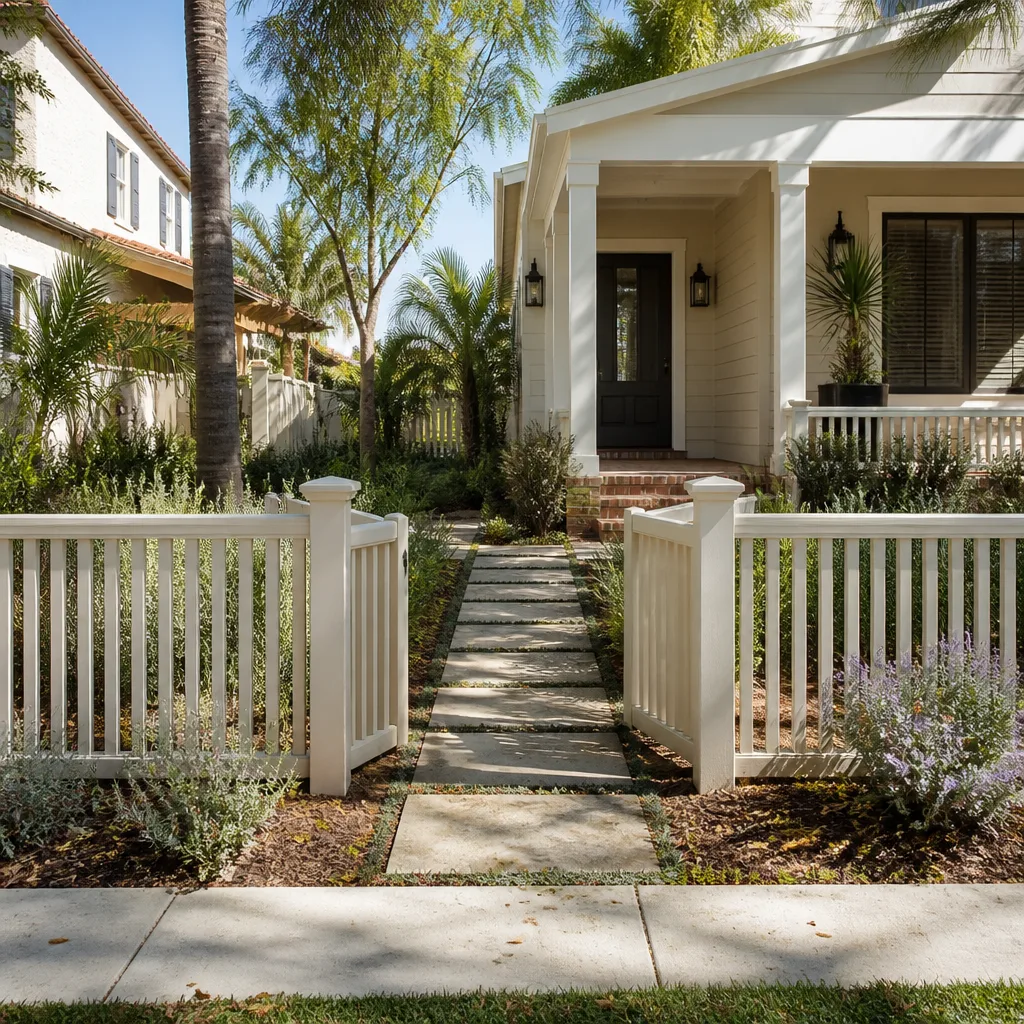
Fence installation in Lancaster is an engineering problem before it’s a materials choice. The high-wind corridor demands 36-inch post depth minimum, larger post diameters, and proper footing volume – the factors that decide whether a fence survives a Santa Ana. Pick the material for your climate (cedar over pine, quality vinyl, aluminum, or block), get the permit if you’re over 6 feet or in a setback, clear your HOA in writing first, and insist on an itemized per-foot quote with posts and labor broken out. Do those four things and the fence lasts. Fence installation is one trade of seven we cover; the same written-price discipline applies from driveway and pavers in Lancaster to home additions and ADUs in Lancaster – see the Rowan Construction Group Lancaster home page for the full picture, and our dedicated fence installation in Lancaster team for an exact quote.
Ready to get a written, itemized price before anyone picks up a tool? Call Rowan Construction Group Lancaster at (844) 797-3312 for a free estimate. Every quote is a flat written price with a written scope and warranty, no change order moves forward without your signature, and you get a documented photo record on every visit – included, not optional.
Written by the team at Rowan Construction Group Lancaster.