Last updated November 17, 2026
Free written scope consultation - allowances, timeline, and change-order rules on paper before a single trade is scheduled
Construction Cost Breakdown: The Lancaster Homeowner’s Reference for 2026
Most construction cost calculators are lying to Lancaster homeowners, and not on purpose. They pull labor rates from a regional average that includes Santa Monica and Pasadena, then apply them to a market where framing crews charge less. Here’s the number that matters: a permitted, code-compliant addition in Lancaster with mid-grade finishes runs $155 – $195 per square foot in 2026, not the $200 – $250 the statewide averages suggest. But that honest range only holds if the soils report doesn’t force a deepened foundation, which can add $18 – $35 per square foot before a single wall goes up. This guide breaks down construction costs in Lancaster by trade, material tier, and project type, using real local data.
Quick Answer
Construction costs in Lancaster average 6 – 11% below the Los Angeles metro on total project cost, driven by labor running 8 – 14% cheaper while materials carry a 4 – 7% premium from Antelope Valley supply chain logistics. Expect a mid-grade room addition at $155 – $195 per square foot, a full kitchen remodel at $75,000 – $115,000, and a roof replacement at $9,500 – $18,000 depending on material. The published calculators miss this split because they use regional averages that blend coastal labor with inland material pricing.
Styles & brands we work with
- Kitchen remodeling
- Bathroom remodeling
- Home additions & ADU
- Roofing
- Windows & doors
- Driveway & pavers
- Fence
Table of Contents
- Trade-by-Trade Cost Breakdown
- The Four Cost Variables Published Calculators Omit
- Material Tier Definitions with Named Brands
- Change Order Cost History: Why Overruns Happen
- The Carrying Cost of Delay on a $75,000 Project
- Project Type Cost Ranges for Lancaster in 2026
- Common Mistakes to Avoid
- Frequently Asked Questions
Trade-by-Trade Cost Breakdown
When you request an estimate for any project, ask for the price broken out by trade. A single lump sum hides the line items where money gets found or lost. These are the 2026 Lancaster-area unit costs we’ve seen on documented jobs. The numbers include labor and standard material; they exclude premium finishes and permit fees.
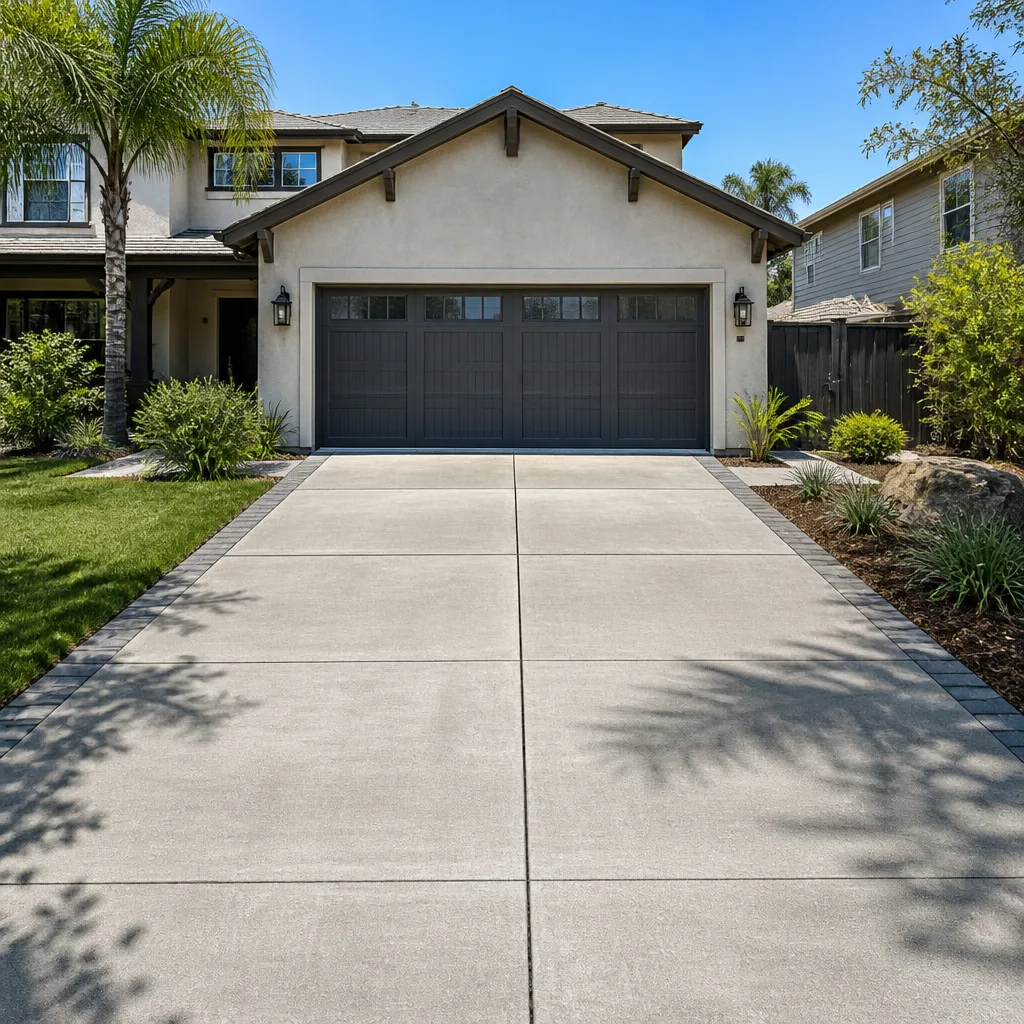
Concrete flatwork runs $9 – $14 per square foot for a standard 4-inch slab with #3 rebar and a broom finish. Driveways and patios that need a thickened edge or a decorative finish climb to $16 – $22. In Lancaster’s summer heat, pours scheduled in July and August require a retarder admixture and often an early-morning start, which adds roughly $0.50 – $0.75 per square foot in labor. For a dedicated walkthrough of paver versus concrete costs, see Driveway & Pavers in Lancaster.
Wood framing for an addition runs $18 – $26 per square foot of floor area, studs and labor at standard 16-inch on-center. Engineered floor systems or LVL beams for an open span push the top end. Stucco exterior, including scratch and brown coats and a three-coat finish, runs $9 – $13 per square foot of wall area; the two-coat system common on tract homes is cheaper but doesn’t hold up the same way to Antelope Valley’s temperature swings.
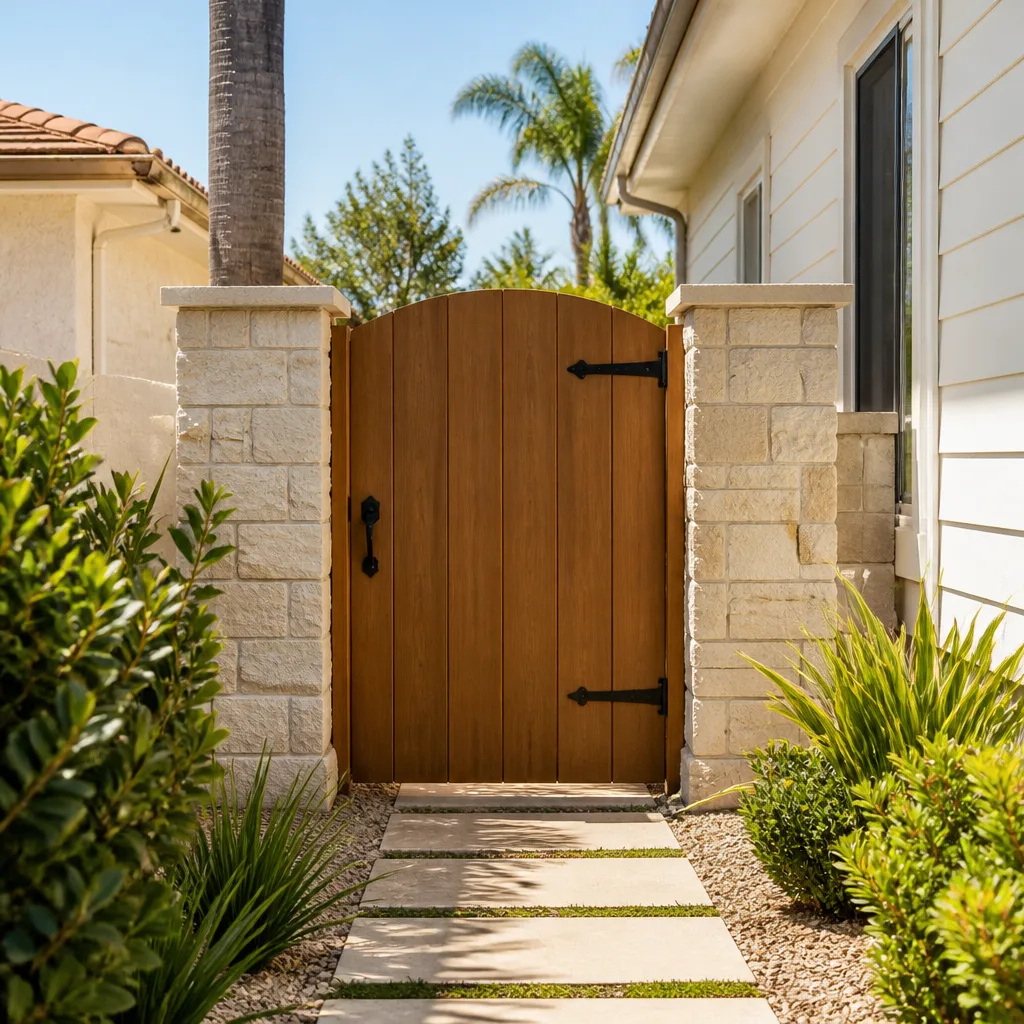
Roofing is the trade where material choice moves the number most. Composition shingle replacement at $4.50 – $7.00 per square foot is the baseline; concrete tile at $11 – $18; TPO flat roofing for low-slope sections at $8 – $13. Electrical panel replacement runs $2,800 – $4,200 for a 200-amp service, and rough-in for an addition runs $140 – $220 per opening. Plumbing rough-in runs $1,800 – $3,500 per bathroom group. For fence and hardscape scope, Fence Installation in Lancaster covers the material and labor breakdown separately.
The Four Cost Variables Published Calculators Omit
This is where the real difference between a quoted price and a final invoice lives. Four variables affect Lancaster projects specifically, and none of them appear in the online cost estimators because the estimators have no way to know.
- Soils conditions. Large parts of Lancaster sit on soils with shrink-swell clay and caliche hardpan. A geotechnical report that reveals expansive clay forces a deepened foundation, pier reinforcement, or an over-excavated stem wall, adding $18 – $35 per square foot. A soils report runs $1,200 – $2,500 and is the cheapest insurance in the budget. Skip it and you find out during excavation.
- LA County vs. City of Lancaster permit fee differential. Properties inside city limits pay City of Lancaster fees; unincorporated parcels pay LA County. The all-in permit cost for a 400-square-foot addition runs $4,500 – $8,000 on the county side and $3,800 – $6,800 city-side, depending on valuation and the number of plan-check cycles. Plan-check cycles are the hidden multiplier: each resubmittal adds $400 – $900 and two to four weeks.
- Summer heat pour protocols. Concrete placed above 95°F without a retarder sets too fast and cracks. Contractors working Lancaster through June – September factor in retarder, ice, or night pours, and the scheduling constraint alone can move start dates.
- Material delivery surcharges to 93534 and 93535. Many suppliers add a regional delivery zone surcharge of $150 – $400 per truckload to the Antelope Valley, and the surcharge hit hits framing lumber, drywall, and masonry hardest. Ask whether the quote includes delivery.
The way around all four is the same: a written scope that names the soils report, the permitting authority, the pour protocol, and the delivery terms before anyone signs. Under Clause 1, the price is written before anyone starts, and that includes the conditions that make the price real.
Material Tier Definitions with Named Brands
Material tier is where you control the number most directly. The same roof or the same cabinet box has three honest price points, and the difference between tiers is measured in service life, not opinion. Here is how we define the three tiers, with the brands that anchor each.
- Entry tier. Quikrete standard mix concrete, GAF Sentinel roofing. Appropriate for rental properties, storage structures, and any surface you plan to replace within 10 – 12 years. Cost is roughly the floor of the published range, but service life follows.
- Mid-grade tier. Sakrete 5000+ for structural flatwork, GAF Timberline HDZ shingles, James Hardie fiber cement siding. This is where most Langcaster owner-occupants land. The HDZ and Hardie products carry manufacturer warranty periods that make the extra 10 – 15% in material cost pay back over the first replacement cycle. Fiber cement siding in particular resists the sun and temperature swing that beats vinyl.
- Premium tier. Sika structural concrete products for demanding load conditions, CertainTeed Landmark Pro shingles, kraftMaid and Wellborn cabinets in kitchens. Premium tier is appropriate when the substrate or the exposure demands it, not as a default.
The tier decision should be made trade by trade, not project-wide. A premium cabinet in a kitchen with an entry-tier counter is wasted money; a mid-grade roof on a house you plan to own another 20 years is the right call. We quote each tier as a line item so the choice is visible. Our sourcing runs across fifty-plus vetted brands, which is what lets us quote an honest number instead of padding a premium tier where a mid-grade product belongs. For kitchens specifically, Rowan Construction Group Lancaster home lays out the full trade scope.
Change Order Cost History: Why Overruns Happen
The industry average residential project overrun is 12 – 18% above the signed contract price. That is not a comment on anybody’s honesty; it is a comment on scope definition. Projects that run to that average share one trait: the scope was written loosely enough that “that wasn’t included” was a phrase both sides could say in good faith.
Documented scope definition before contract signing brings that overrun down to 2 – 5%. We know this from a record of 4,000-plus projects, every one quoted with a flat written price and a written scope before work began, and no work proceeding on a change until the change order is signed. That signature is the whole mechanism. When the change order is signed, the number changes on paper before it changes on the invoice.
- Scope is written line by line, trade by trade, with brand and spec named.
- The price is flat for that scope, in writing, before work starts.
- Any change to scope gets a written change order with its own price.
- No work proceeds on the change until the change order is signed.
- The final invoice reconciles to the signed price plus signed changes, and nothing else.
On a $75,000 project, the difference between an 18% overrun and a 4% overrun is $10,500. That is the entire cost of the discipline. If you have a written estimate from another contractor, our Free Second Opinion reviews it line by line at no charge, and we’ll flag the scope gaps that drive overruns.
The Carrying Cost of Delay on a $75,000 Project
Time is a line item. Most homeowners never price it, and it is often larger than any single trade. On a $75,000 project financed with a construction loan at a typical current rate, every month of delay is real money leaving the account. Here is how to put a dollar figure on a schedule slip.
- Construction loan interest. At an 8.5% annual rate on a $75,000 draw, one month of carrying costs is roughly $530 in interest alone, plus any origination or extension fees if the schedule pushes past the loan term.
- Rent or dual housing. If the project displaces you, each month of delay adds the full rent or equivalent.
- Contractor schedule gaps. A crew that finishes another job early can start early; a crew waiting on a permit resubmittal cannot. Permit timeline is the single biggest schedule lever, and the plan-check cycles cited above are where it is won or lost.
- Seasonal material price fluctuation. Framing lumber and roofing move 3 – 8% between quarters, and the direction is not predictable. Locking material pricing at contract signing removes that exposure.
The practical lesson: build the permit timeline into the budget as a cost, not a nuisance, and lock the written price early enough that material movement is the contractor’s risk, not yours. If you are weighing an addition against a smaller scope, Home Additions & ADU in Lancaster walks through how schedule and cost interact at each project size.
Project Type Cost Ranges for Lancaster in 2026
Pulling the trade numbers together, here are the realistic all-in ranges for the most common Lancaster projects in 2026. All ranges assume mid-grade materials, permits pulled, and a written scope. Add 10 – 15% for premium finishes and subtract 8 – 12% for entry tier.
- Room addition, 400 sq ft. $62,000 – $78,000. Foundation conditions are the swing factor.
- ADU, 600 – 750 sq ft. $110,000 – $155,000. Detached units carry separate utility runs and a second kitchen, which is where cost concentrates. An ADU is a permitted dwelling unit with its own kitchen, bath, and entrance, not an in-law suite bolted onto the main house.
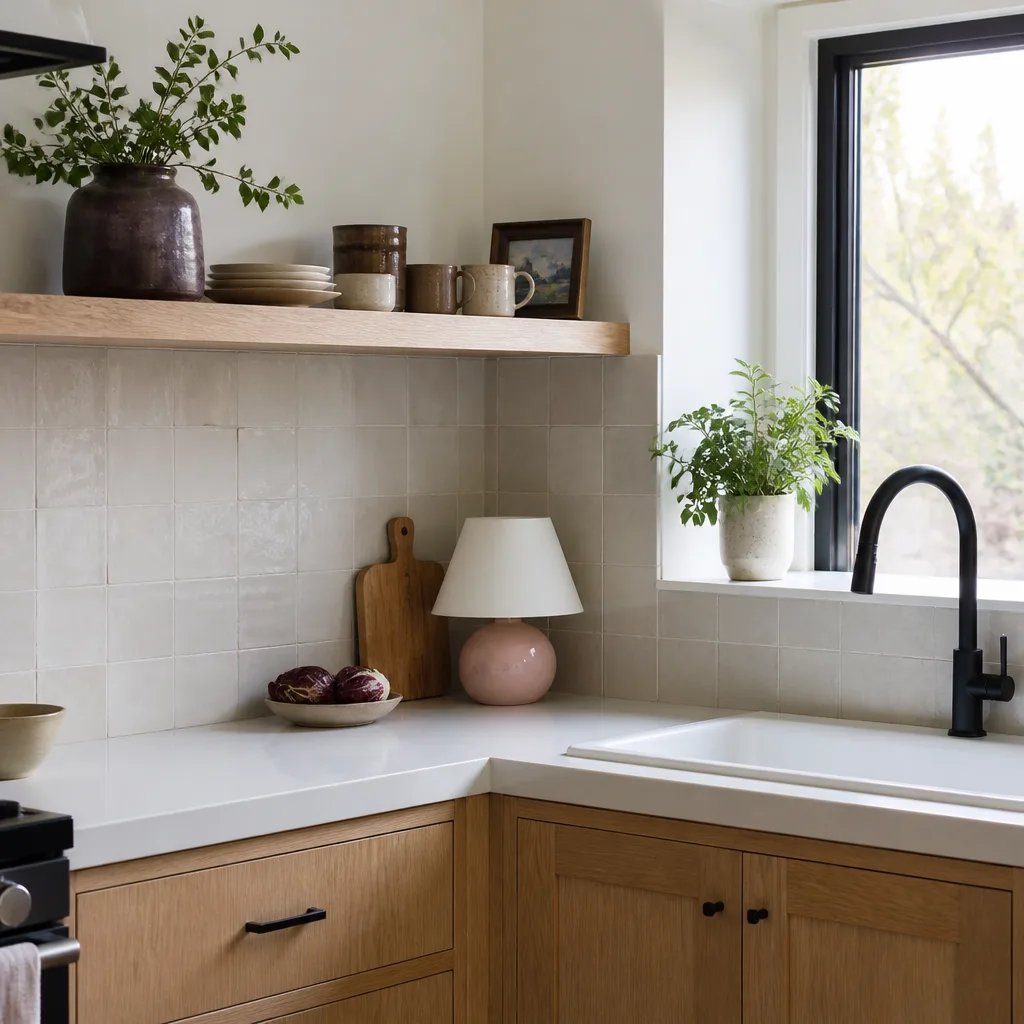
- Full kitchen remodel. $75,000 – $115,000 with mid-grade cabinets and counters. Cabinet brand drives the top of the range.
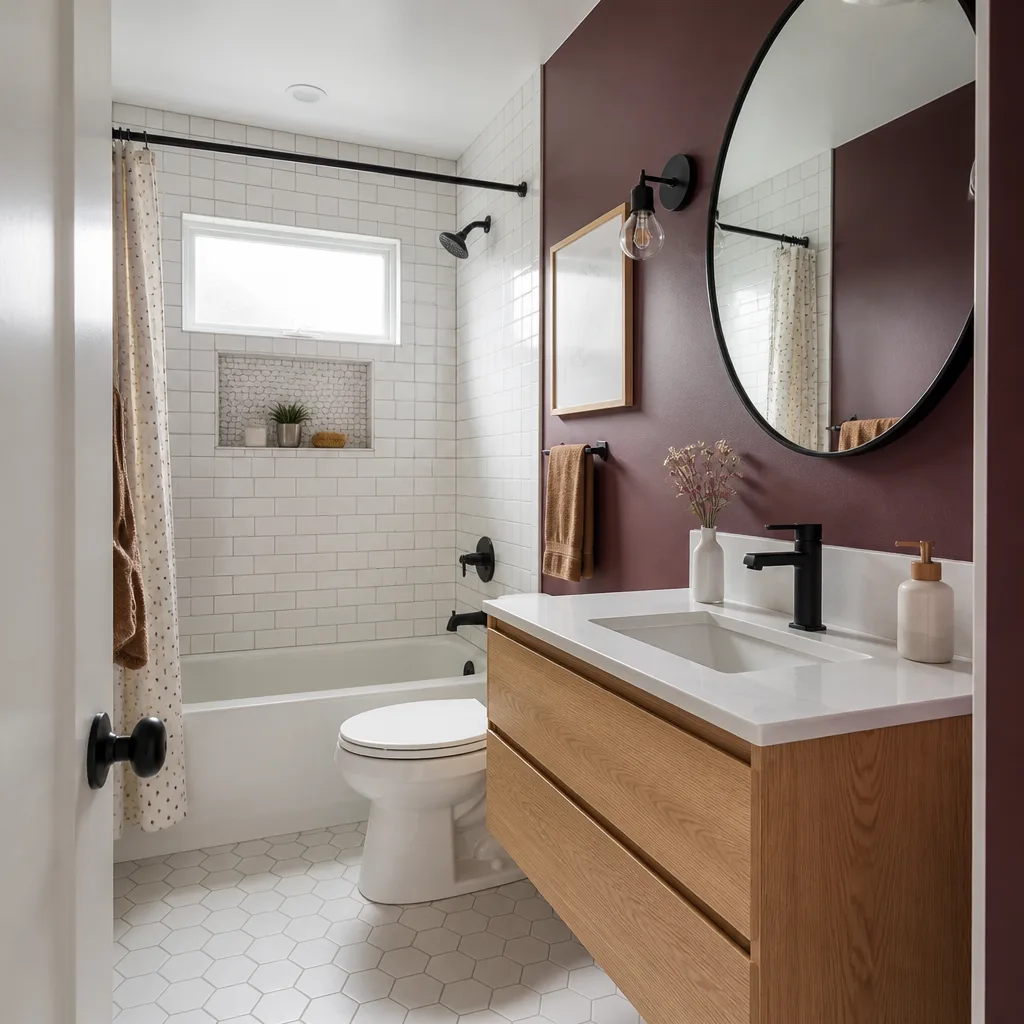
- Bathroom remodel. $18,000 – $32,000 for a full gut with tile shower and new fixtures.
- Roof replacement, 2,000 sq ft. $9,500 – $18,000. Composition at the bottom, concrete tile at the top.
- Window replacement, whole house. $8,000 – $16,000 depending on count and frame material.
Two project types sit outside the per-square-foot math and are quoted by run: fencing and driveways. Those numbers move with linear footage, gate count, and site access more than with material choice. Whatever you build, the 365-Day Done Right Promise covers it in writing: if it is not done right, we make it right, under The Haven Standard, with the guarantee printed on the contract and backed by a terms page, not an asterisk. Every visit also includes a documented photo record as standard, so you have evidence of what was found and what was done.
Common Mistakes to Avoid
- Budgeting from a statewide calculator. The $200 – $250 per square foot addition range you’ll find online is built on coastal labor rates. It inflates a Lancaster budget by 15 – 25% and scares homeowners into smaller scopes than they can actually afford.
- Skipping the soils report on an addition. A $1,200 – $2,500 report can save $18 – $35 per square foot on the foundation. Excavation surprises on Antelope Valley clay are the single most expensive avoidable cost.
- Comparing lump-sum bids. Two bids that differ by $12,000 might have identical trade costs and differ only in scope. Ask for the line-item breakdown and compare trade to trade.
- Accepting verbal change approvals. An approved-in-conversation change is a change nobody can prove was priced. Get it in writing or don’t start it.
- Ignoring permit plan-check cycles. Each resubmittal adds $400 – $900 and two to four weeks. A complete initial submittal is cheaper than a fast one returned for corrections.
- Trading schedule for price without the carrying cost math. A crew that is $2,000 cheaper but six weeks out can cost you more in loan interest than the discount is worth.
- Not asking whether delivery is included. The 93534/93535 zone surcharge of $150 – $400 per load is invisible until the invoice. Ask.
See the difference
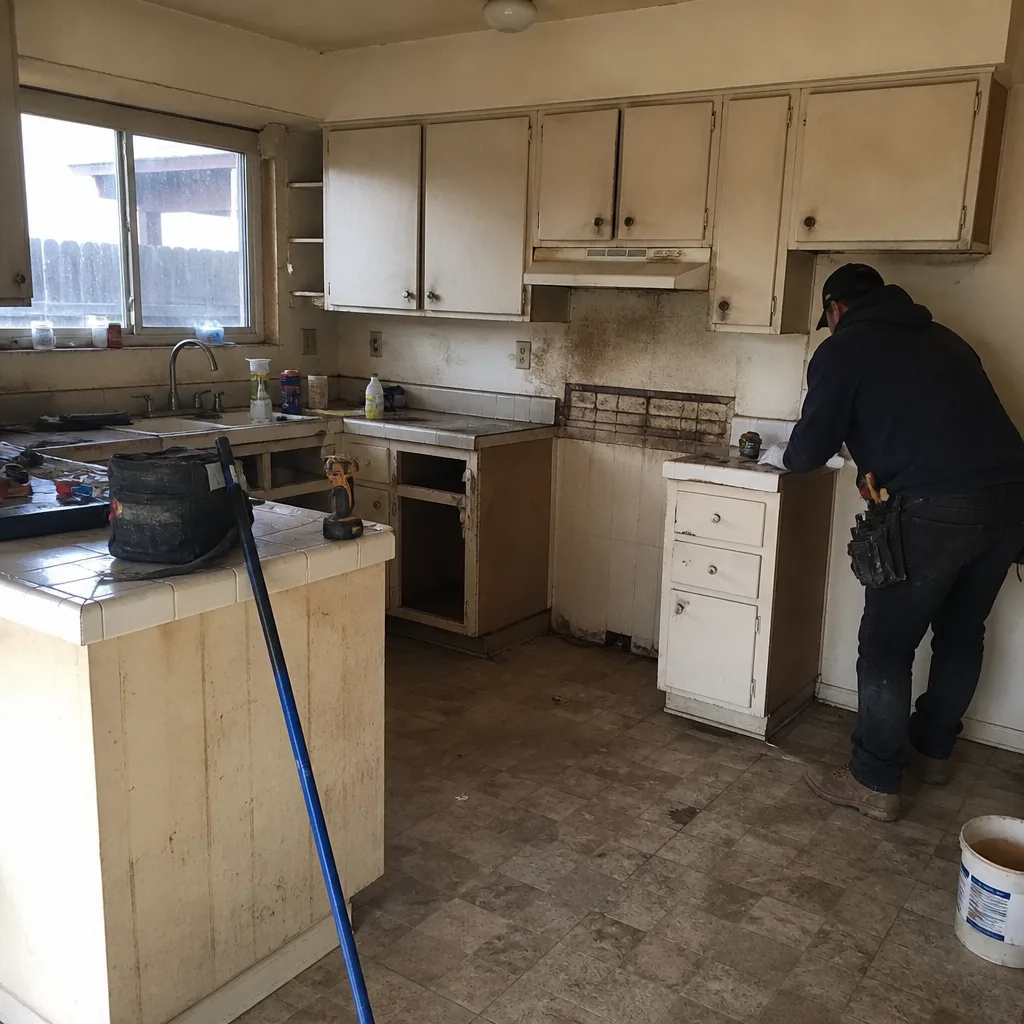 Before
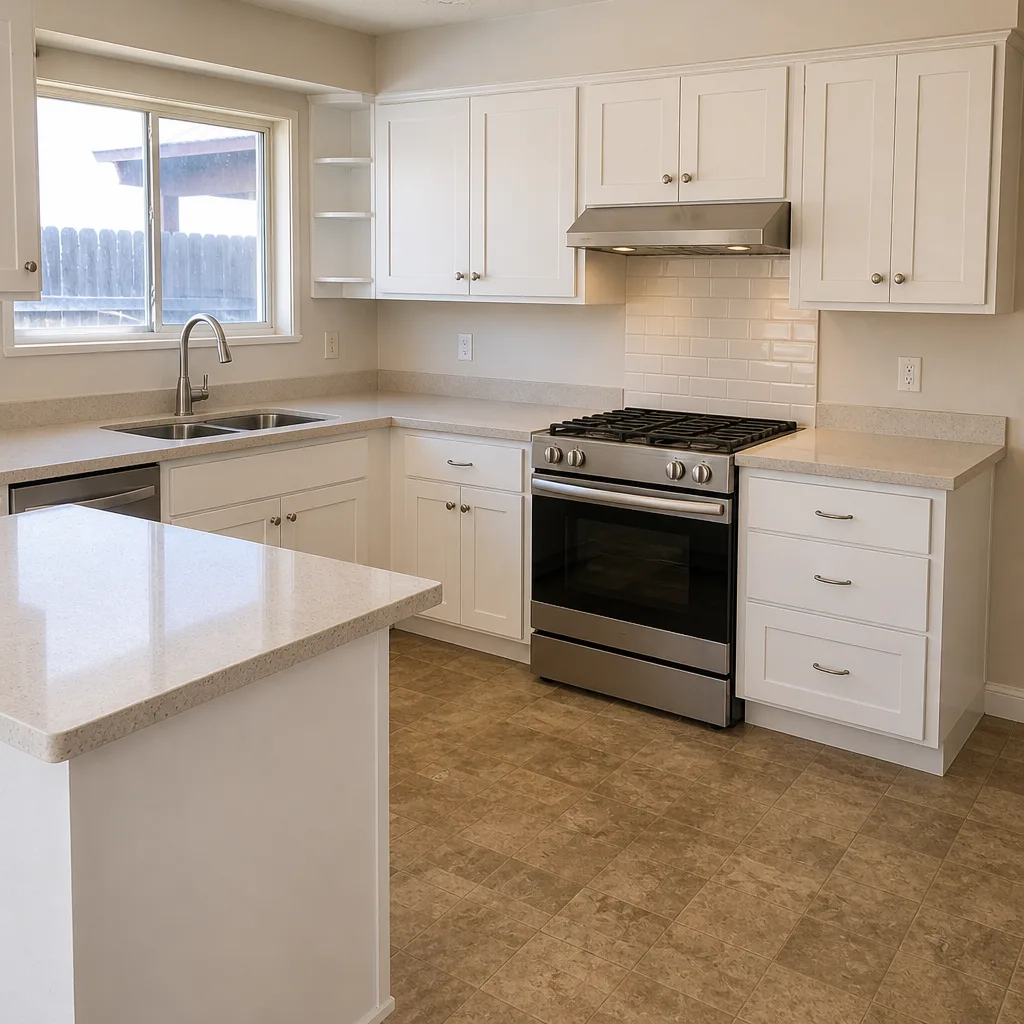 After
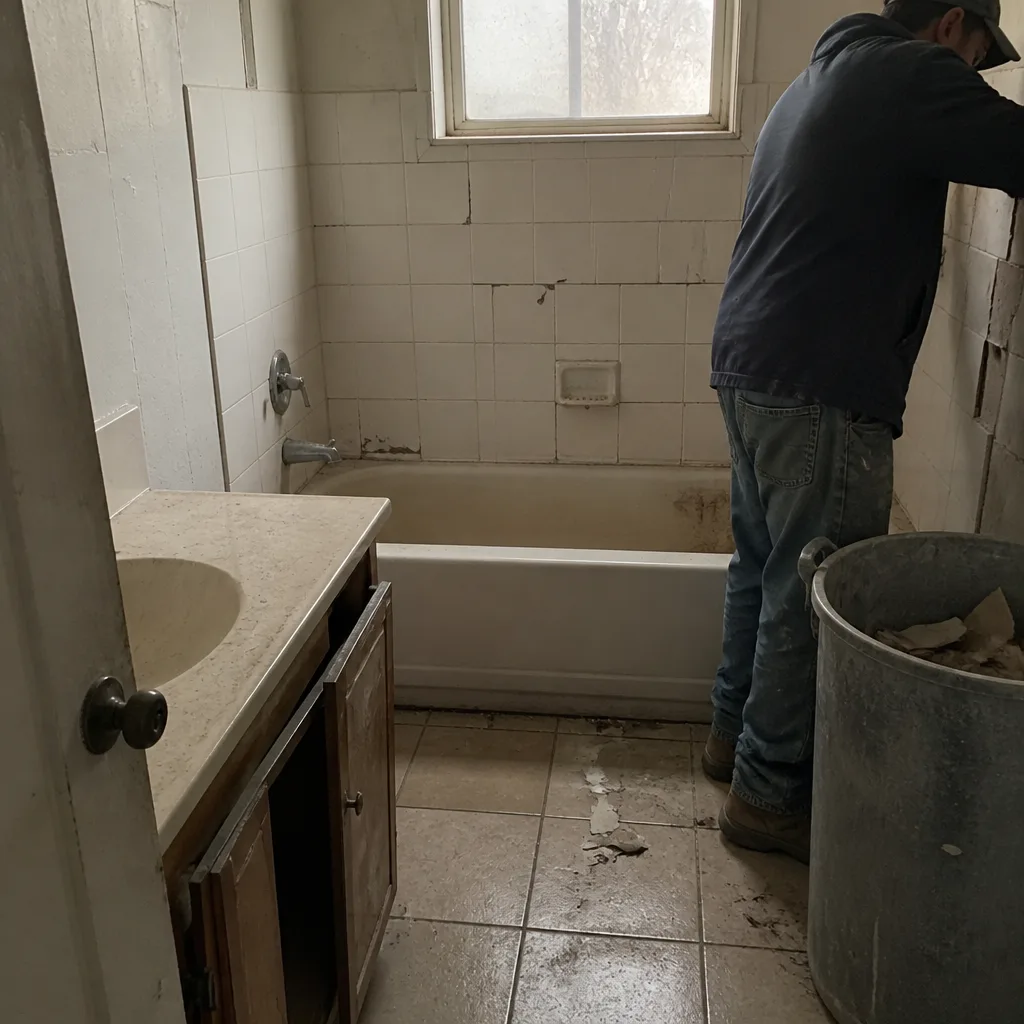 Before
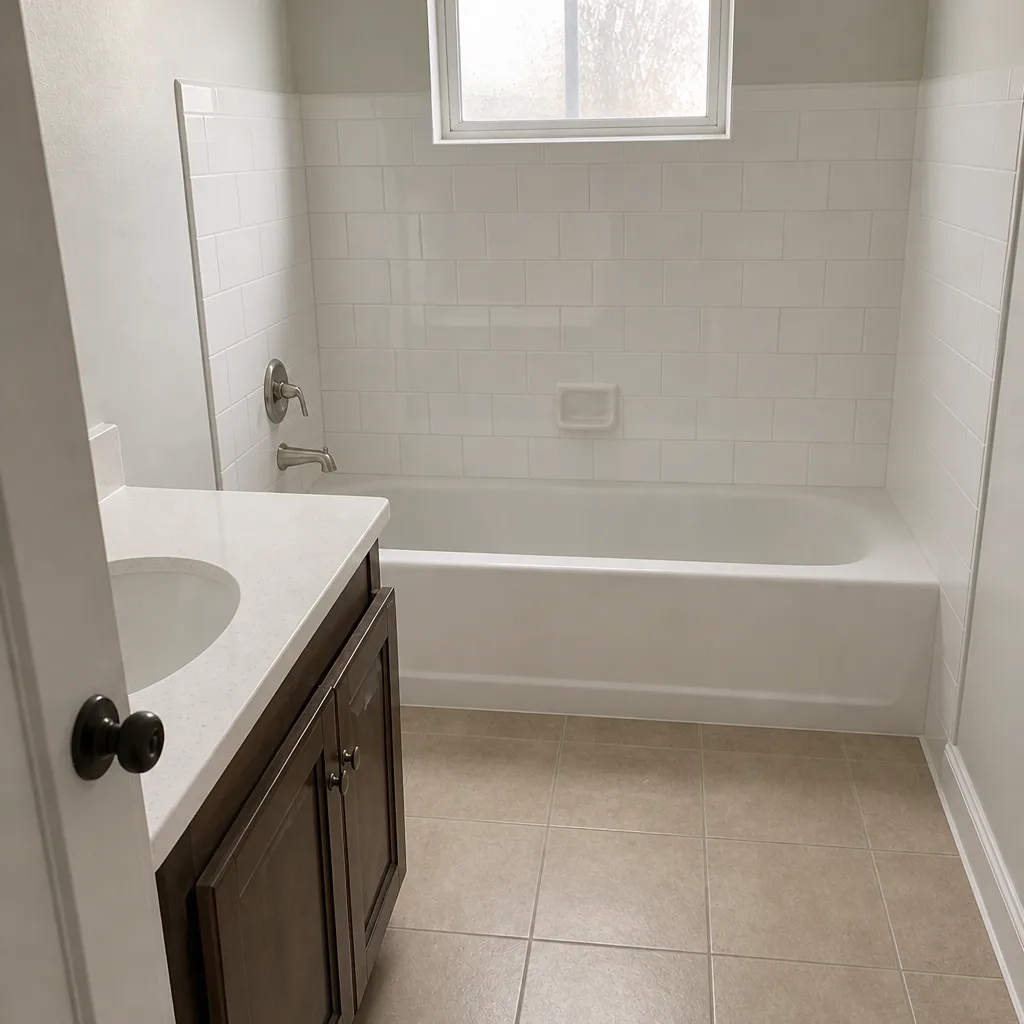 After
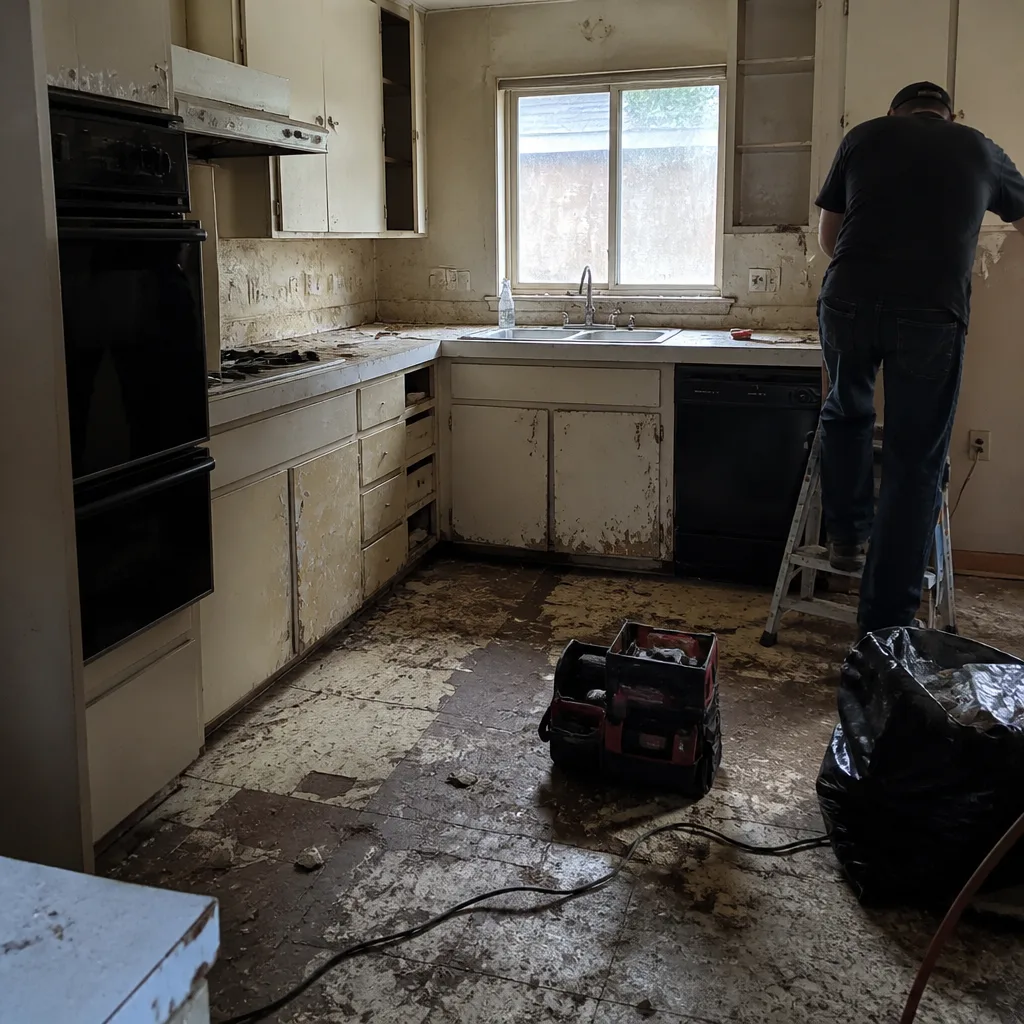 Before
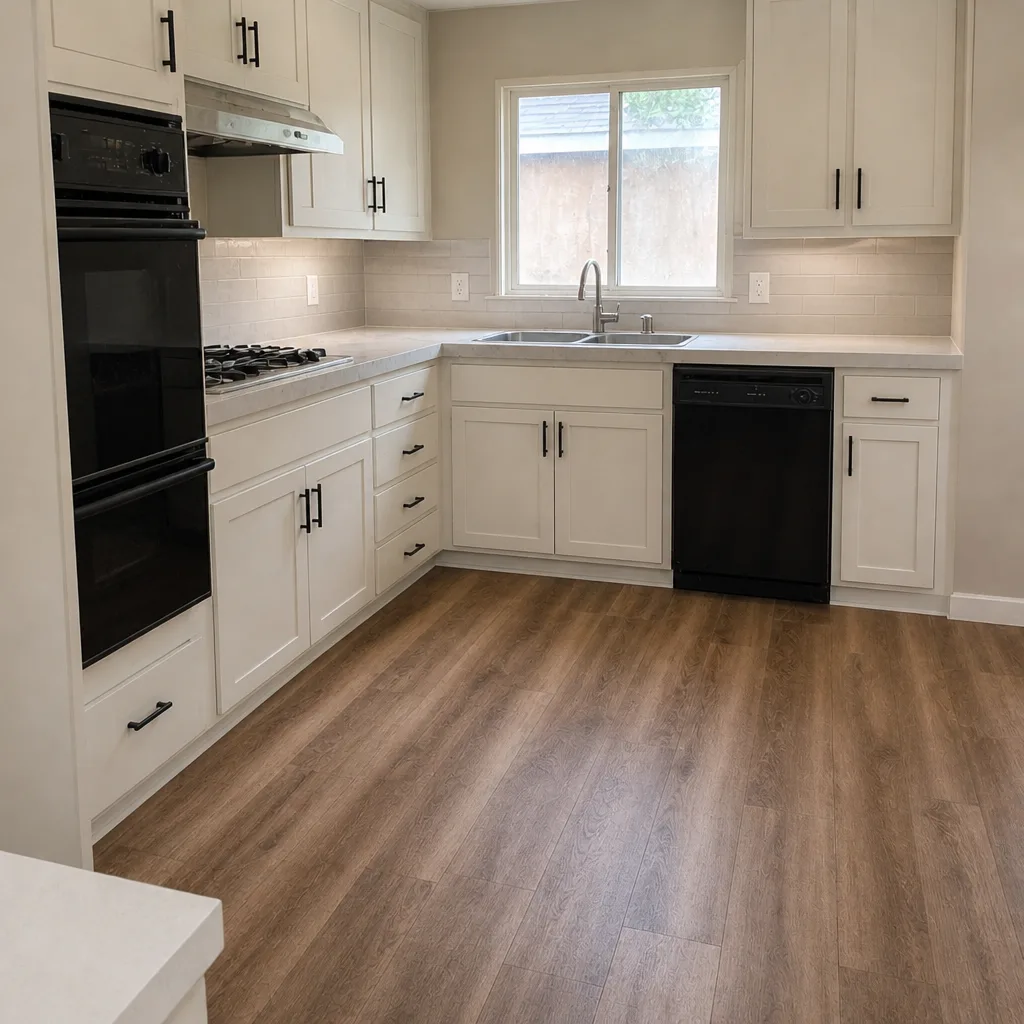 After
When to Call a Professional
Some of this you can scope yourself; some you cannot. Call a professional if the work involves a soils report and foundation design, a load-bearing wall removal, any new electrical service or panel work, gas rough-in, or roof pitch work above a single-story walkable slope. These are the trades where a mistake is not just expensive to fix but genuinely dangerous. High-tension roof work, electrical panels, and structural framing belong with trained, insured professionals, and a written scope protects you when the unexpected turns up. Rowan Construction Group Lancaster offers free estimates in Lancaster, and every quote is a flat written price with a written scope before work begins. Call (844) 797-3312 to schedule your free estimate.
Frequently Asked Questions
Most projects land between $145 and $215 per square foot for additions with mid-grade finishes, with the honest Lancaster range clustering at $155 – $195. Base structural work runs lower and finished kitchens and baths run higher. Call (844) 797-3312 for an exact quote on your project, and estimates are free.
Labor runs 8 – 14% below the Los Angeles metro because Antelope Valley framing, roofing, and finish crews compete on local jobs with lower overhead. Materials carry a 4 – 7% premium because almost everything is trucked in from San Fernando Valley and LA basin suppliers, and the haul adds a delivery surcharge. The two effects partially cancel, which is why Lancaster project totals read only 6 – 11% below metro average despite cheaper labor.
A 400-square-foot permitted addition with mid-grade finishes runs $62,000 – $78,000. The swing factors are soils conditions and permit jurisdiction. Call (844) 797-3312 for a line-item quote and a free second opinion on any estimate you already have.
Not without a signed change order. Under The Haven Standard, no work proceeds on any change until the change order is signed, and the written price covers the written scope. Projects that follow that discipline finish within a few percent of the agreed number. Call (844) 797-3312 to get the quote process started.
Yes, permits are pulled on every project that requires them, and the written quote identifies the permitting authority (City of Lancaster or LA County) and the estimated fee. Permit cost and plan-check cycles are the two factors most often left out of competitor quotes. Call (844) 797-3312 to confirm the permit scope for your project.
Plan a 10 – 16 week build for a mid-size addition after permits issue, plus two to four months for the permit and plan-check process. Kitchen remodels run six to ten weeks and bathroom remodels four to seven. Call (844) 797-3312 for a schedule tied to your scope.
The Bottom Line
The number you budget should be a Lancaster number, not a regional average. On a mid-grade addition, that means $155 – $195 per square foot, with the soils report and the permit jurisdiction as the two variables that can move it most. Build in the permit timeline as a real cost, lock material pricing at signing, and demand a line-item scope that names brand and spec. And know the overrun math: a written scope and signed change orders keep projects within 2 – 5% of the agreed price, while the industry average runs 12 – 18%. That gap on a $75,000 project is over $10,000. Call (844) 797-3312 to schedule your free estimate with Rowan Construction Group Lancaster. Our technicians have up to 19 years of experience, crews are background-checked and uniformed, and a live person answers calls around the clock.
Written by the team at Rowan Construction Group Lancaster.