Last updated November 17, 2026
Free written scope consultation - allowances, timeline, and change-order rules on paper before a single trade is scheduled
Home Additions & ADU Warning Signs Every Homeowner Should Know
A contractor who can’t name the engineer of record for the structural drawings hasn’t hired one yet. In California, all load-bearing addition work requires wet-stamped engineering drawings from a licensed structural engineer before the building department will issue a permit. No engineer named means no permit-ready plans, and no permit-ready plans means the schedule on the contract is fiction. The warning signs that an addition or ADU project is headed for overruns, permit trouble, or structural problems almost always appear before a shovel hits the ground: in the contract language, in the bid structure, and in how the contractor answers three technical questions. This guide gives Lancaster homeowners the exact questions to ask and the answers that should make them walk away.
Quick Answer
The five contract red flags that predict cost overruns are a lump-sum bid with no line-item breakdown, a payment schedule front-loaded beyond 10% at mobilization and 25% at framing, no specific material brands or grades named, no signed change order clause, and no defined substantial completion standard. Add permit warnings (any suggestion of pulling a permit “later”) and a contractor who can’t explain how they’ll document existing foundation capacity, and you have the full picture before work begins. A written, line-item price with a signed change order clause is the single strongest predictor of a project that finishes near the number you agreed to.
Styles & brands we work with
- Kitchen remodeling
- Bathroom remodeling
- Home additions & ADU
- Roofing
- Windows & doors
- Driveway & pavers
- Fence
Table of Contents
- The Five Contract Red Flags That Predict Cost Overruns
- The Three Technical Questions That Separate Pros from Handymen
- Permit Red Flags: “Later” and “Work Around” Mean Trouble
- The Subcontractor Verification Gap
- What a Legitimate ADU Specialist’s Portfolio Should Contain
- Lancaster-Specific Risks: Climate, Soil, and Desert Code
- How to Read a Bid: Pricing Signals and Payment Schedules
The Five Contract Red Flags That Predict Cost Overruns
Read the contract before you read the price. In our experience reviewing estimates for Lancaster homeowners, the clauses that cause disputes five months into framing are the same clauses that look harmless at signing. Here are the five that matter most.
- Lump-sum bid with no line-item breakdown. A single number for the whole addition makes change order disputes impossible to resolve. When the contractor says an upgrade costs “$18,000 extra,” you have no baseline to check it against. A proper bid breaks out framing, foundation, roofing, electrical, plumbing, finishes, permits, and engineering fees as separate lines.
- Payment schedule front-loaded beyond 10% mobilization and 25% at framing completion. If a contractor asks for 30% to “get materials ordered” before framing starts, your money is funding their cash flow, not your project. Ask what each payment is tied to: a completed milestone you can see, not a calendar date.
- No specific material brands or grades named. “Quality shingles” and “premium cabinets” are substitution loopholes. If the bid doesn’t name GAF or Owens Corning for roofing, or KraftMaid and Wellborn for cabinetry, you can’t prove what you were promised when a lower-cost material shows up on the truck.
- No signed change order clause. This is the one that ends friendships. Verbal changes become disputed extras at the end. The clause should read: no work proceeds on a change until the change order is signed. Ours does, under Clause 1 of The Haven Standard, and it’s why our projects finish within a few percent of the agreed price.
- No defined substantial completion standard. A contract without a written definition of what “finished” means allows a contractor to call a job done with punch-list items open. Define it: all final inspections passed, all systems operational, punch list signed off in writing.
If a bid fails two or more of these, request a rewritten version before signing anything. We offer a free second opinion on any written estimate, line by line, at no charge, for exactly this reason.
The Three Technical Questions That Separate Pros from Handymen
Ask these on the first walkthrough and listen carefully. An experienced addition contractor answers without hesitation. A general handyman hedges, then promises to “figure it out during demo.”
1. “How will you document the existing foundation’s capacity before connecting the addition?”
The correct answer involves either a soil report (geotechnical investigation) for your specific lot, or a licensed structural engineer’s existing-conditions assessment. The engineer needs to confirm the existing footing can carry the new load or specify a design that isolates the new structure. Lancaster’s expansive soils, common in parts of the Antelope Valley, make this step non-negotiable. A contractor who says “we’ll just tie into the existing slab” without an engineer’s stamp is guessing.
2. “What’s your plan if the existing electrical panel doesn’t have capacity for the addition?”
The correct answer names a licensed electrician and describes the panel upgrade process: a load calculation, a new panel sized for the addition’s circuits plus EV charging if planned, coordination with the utility, and inspection. The wrong answer is “we’ll add a subpanel and figure it out.” Adding circuits to an overloaded panel is a fire risk, and a permit inspector will catch it.
3. “How will you handle the roof connection to prevent water intrusion?”
The correct answer names step flashing, counter-flashing, and a specific waterproofing membrane brand (Grace Vycor, for example, or Henry Blueskin). The wrong answer is “we’ll seal it well.” Roof-to-wall connections are where additions leak, especially in Lancaster, where wind-driven monsoon rain in late summer finds every gap. The membrane brand matters because it tells you the contractor has a material spec, not a verbal promise.
If your addition includes roofing work alongside the new structure, our Rowan Construction Group Lancaster home page covers the trades we handle and how each one gets a written price before work starts.
Permit Red Flags: “Later” and “Work Around” Mean Trouble
A contractor who suggests pulling a permit “later” or “after framing” is describing an after-the-fact permit process. That process, in most California jurisdictions including Lancaster’s, requires the inspector to see the work: framing exposed, foundation visible, plumbing and electrical rough-in open. If framing is already closed up, the inspector may require demolition of finished work to verify what’s inside. You pay for that demolition. A stop-work order from the city can also shut your project down for weeks while paperwork is resolved.
A contractor who offers to “work around” permits is exposing you to three specific risks:
- Stop-work orders. Lancaster and Los Angeles County code enforcement can halt construction the day they discover unpermitted work.
- Fines and penalties. Retroactive permit fees often run two to three times the original permit cost.
- Mandatory demolition. Inspectors can require removal of unpermitted structure, including finished drywall and sometimes framing.
There’s a fourth risk nobody warns you about: resale. An unpermitted ADU won’t count toward the appraisal, and a buyer’s lender may refuse financing until the structure is permitted or demolished. If you’re planning an ADU in Lancaster, ask for the permit number and the plan review status before signing. The contractor should be able to show you the submittal confirmation from the city. For a deeper look at the whole ADU process, our Home Additions & ADU in Lancaster page walks through the sequence from feasibility to final inspection.
The Subcontractor Verification Gap
Here’s the gap homeowners miss: a general contractor’s bid often lists licensed subcontractors (electrician, plumber, HVAC), but substitutions happen on site. The electrician named in the bid may not be the electrician who shows up. Unlicensed workers doing licensed trades is the single most common source of failed inspections and unpaid-wage liens on residential additions.
You can verify any California contractor or subcontractor license in real time at CSLB.ca.gov. Search by license number, which every contractor is required to put on the bid and contract. The check takes about thirty seconds and tells you whether the license is active, what classification it holds (B for general building, C-10 for electrical, C-36 for plumbing), and whether there’s any disciplinary history. Ask your GC for the license numbers of every subcontractor scheduled for your job before work starts, and check each one.
On our crews, every technician is background-checked and uniformed, and there’s a documented photo record on every visit, included as standard, not an upgrade. That record shows you who was on site and what they did, which makes the verification gap moot for our projects. It’s worth asking any contractor you interview what documentation they leave behind after each visit.
What a Legitimate ADU Specialist’s Portfolio Should Contain
ADU experience is easy to claim and hard to verify. A legitimate specialist shows you more than finished photos on Instagram. Ask for these five items, and treat any reluctance as a red flag:
- Before-and-after photos with square footage noted. A finished kitchen photo proves nothing about an addition. You need the before shot, the during-framing shot, and the finished shot of the same corner, with the square footage labeled.
- At least two references from Lancaster or Antelope Valley projects. Desert climate, expansive soil, and Lancaster’s specific building department create problems a coastal contractor hasn’t solved. A reference in Santa Monica doesn’t tell you what you need to know.
- A copy of a final inspection sign-off card. This is the document from the city building department confirming every inspection passed. Any contractor with completed ADUs should be able to show you one.
- Their engineer’s name and license number. The structural engineer of record. If they can’t produce it, they haven’t retained one.
- A written scope for a similar project, with line items. Not a redacted price list, but the structure of a bid: framing, foundation, MEP, finishes, permits, engineering. You’re checking that they bid like a professional, not that they bid like your neighbor.
Prefab ADU brands like Abodu, Cover, Dvele, and Mighty Buildings can shortcut some of this, since the structure arrives engineered and certified. But the site work (foundation, utility connections, grading) still requires a general contractor, and that’s where the verification above still applies. Ask who’s handling site work and whether the permit will be pulled by the GC or the prefab manufacturer.
Lancaster-Specific Risks: Climate, Soil, and Desert Code
Lancaster is not a generic California addition market. Three local factors change the picture, and any contractor who doesn’t raise them on the first visit is working from a template.
Expansive soil. Large parts of the Antelope Valley sit on expansive clay that swells with irrigation and shrinks in dry months. An addition that ties into the existing foundation without a geotechnical report and an engineered connection is asking for differential settlement, which shows up as diagonal cracks in interior drywall two to three years after completion. Ask to see the soil report for your specific lot.
Wind and monsoon rain. Lancaster sees regular gusts over 40 mph and late-summer monsoon storms that push water sideways. Roof-to-wall connection details matter more here than in a coastal climate. So does flashing quality; we specify Grace Vycor or Henry Blueskin on every addition roof tie-in, and you should ask for the brand before signing.
Desert cooling loads. An addition changes the whole-house load calculation. A common Lancaster failure: a new ADU or bedroom runs its own mini-split, but the existing central system is now undersized for the enlarged footprint, and the main house never cools properly again. Ask the contractor to run a Manual J load calculation for the whole structure, not just the new square footage.
And a fourth, less obvious one: Lancaster’s building department has its own submittal calendar and plan review timeline. Ask the contractor what their typical permit turnaround is on a Lancaster ADU, and whether they’ve pulled a permit in the city in the last six months. If they can’t answer, they’re learning on your project. For exterior work that often runs alongside an addition, our Fence Installation in Lancaster and Driveway & Pavers in Lancaster pages show how we handle site work in the same climate.
How to Read a Bid: Pricing Signals and Payment Schedules
Price range in dollars is the single best filter for the contractor’s competence. Not because you want the cheapest number, but because a contractor who has done enough additions to quote accurately will quote accurately. Here’s what a properly structured addition bid looks like for the line-item categories, as a share of the total, on a typical Lancaster addition:
- Permits and engineering: 4% to 7% of total contract, with engineering fees broken out separately from permit fees.
- Foundation and site work: 12% to 18%, and this line should reference the geotechnical recommendation.
- Framing and structural: 18% to 25%, tied to the engineer’s drawings.
- Roofing and weather barrier: 6% to 10%, with membrane brand named.
- MEP (electrical, plumbing, HVAC): 15% to 22%, with the panel upgrade allowance stated if the existing panel is undersized.
- Finishes: 20% to 28%, with specific brands and grades named.
- Contractor overhead and profit: 10% to 18%, stated openly, not hidden in material markup.
A bid with all seven lines and a scope narrative for each is a bid you can hold a contractor to. A single-number bid is a bid you can only argue with after the fact. On payment schedules, the 10% mobilization and 25% at framing completion ceiling is a reasonable rule of thumb for Lancaster projects; anything front-loaded beyond that and you should ask why.
Under Clause 1 of The Haven Standard, the price is written before anyone starts, on every trade. That’s not a process step we invented to sound good; it’s the reason our projects have stayed within a few percent of the agreed cost across more than 4,000 jobs since 2007.
Common Mistakes to Avoid
- Accepting a verbal estimate. A phone number without a written scope isn’t a quote, it’s a placeholder. On an addition, verbal scopes become disputed extras within the first month of framing.
- Skipping the CSLB check. Searching every subcontractor’s license at CSLB.ca.gov before work begins takes minutes and saves you from failed inspections and unpaid-wage liens filed against your property.
- Choosing the contractor who says “you don’t need a permit for that.” Lancaster’s building department issues stop-work orders on unpermitted square footage, and lenders won’t finance a resale with unpermitted structure. The savings disappear at appraisal.
- Not asking for the soil report. In the Antelope Valley, expansive clay is common. An addition built without a geotechnical assessment shows settlement cracks two to three years out, when the contractor has moved to the next job.
- Signing a change order for a “small upgrade” without a revised written price. Even small changes should trigger a written line revision. If it doesn’t, the final invoice will reflect verbal agreements the contractor remembers differently than you do.
- Relying on a single site visit from a contractor who hasn’t pulled a Lancaster permit recently. Local permit process experience is real and verifiable. Ask for a permit number from a recent Lancaster addition, not a county-wide average.
- Ignoring the roof connection detail. It’s the number one source of water intrusion on additions, and it’s invisible once the stucco or siding goes up. Ask for the flashing and membrane brand in writing before signing.
See the difference
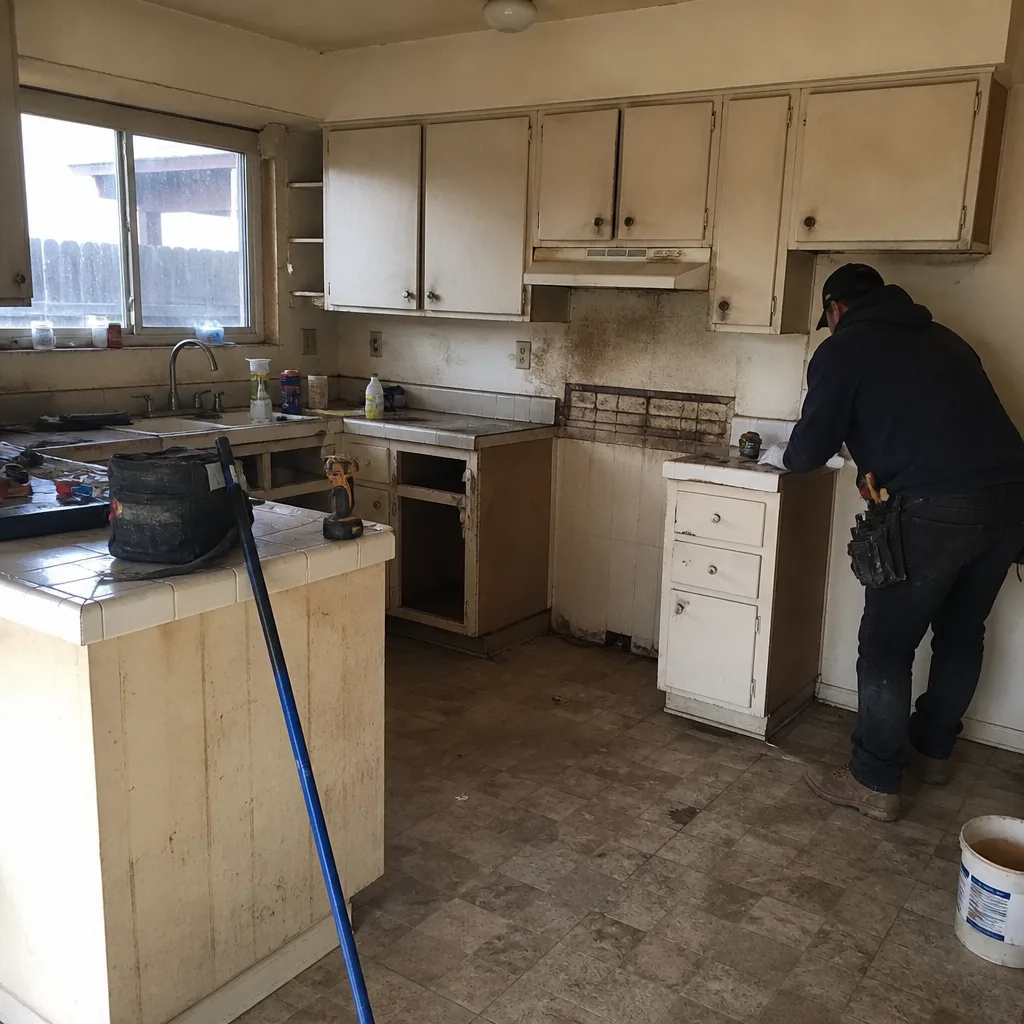 Before
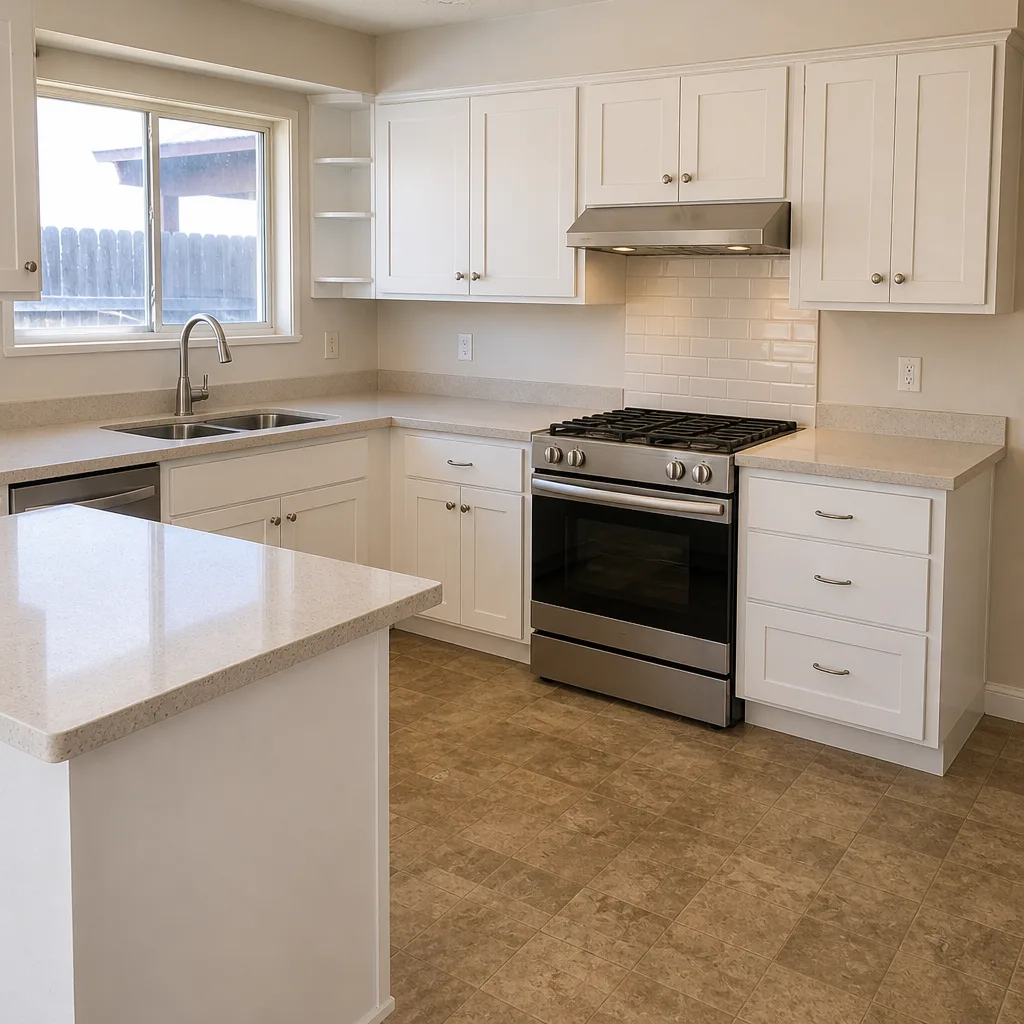 After
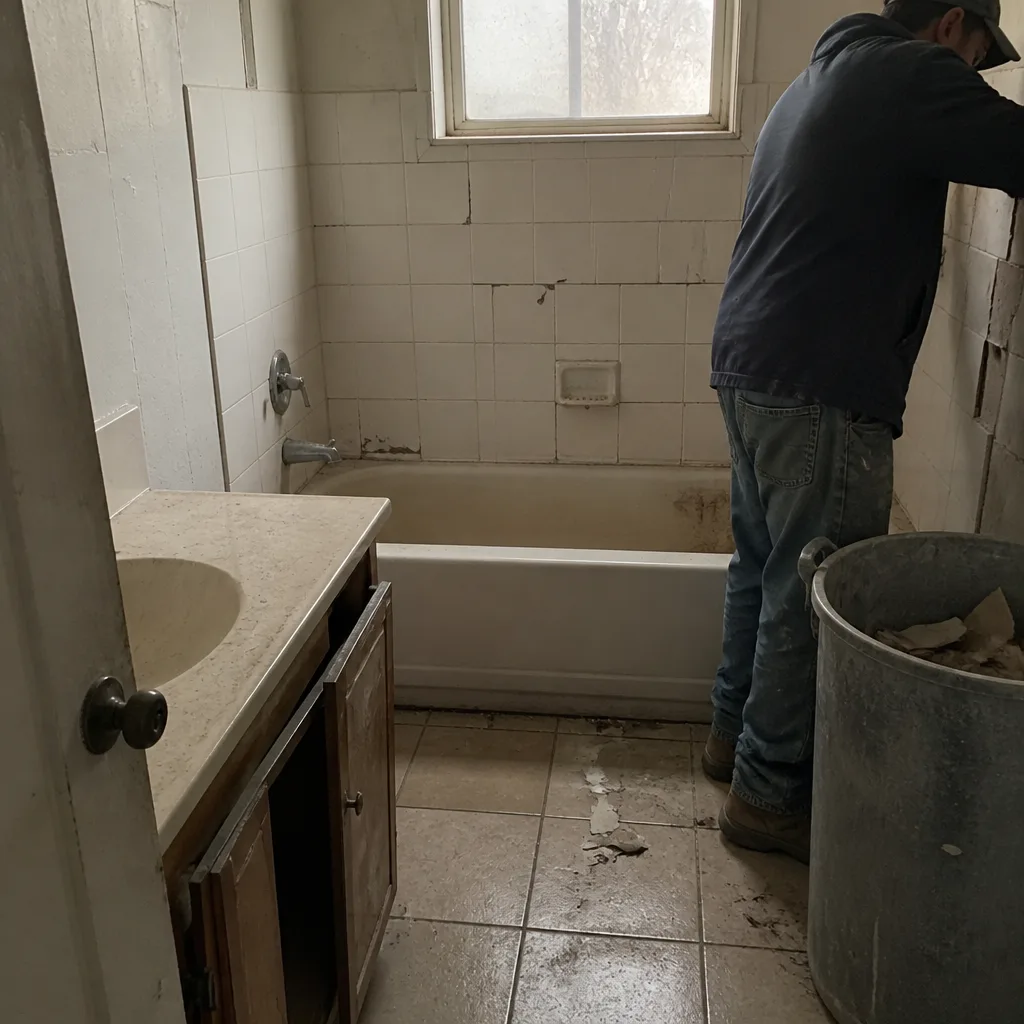 Before
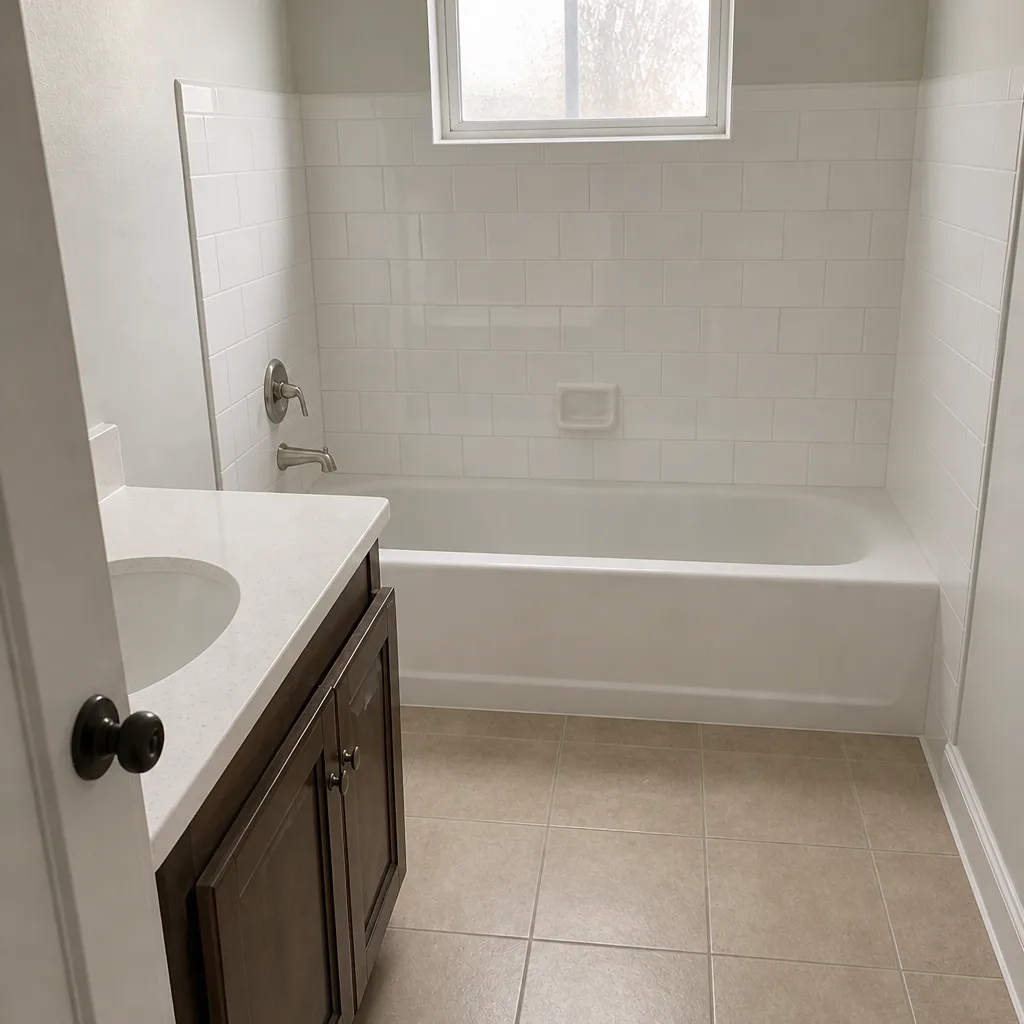 After
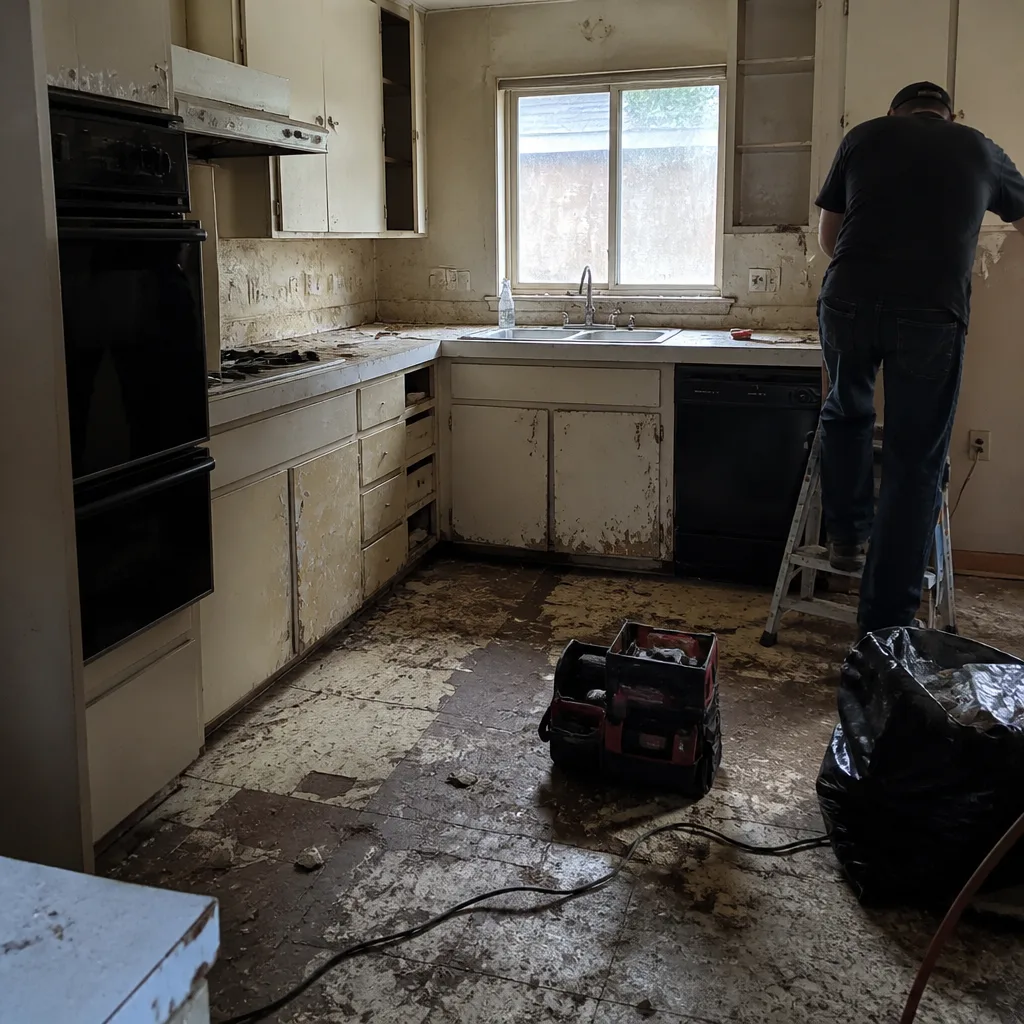 Before
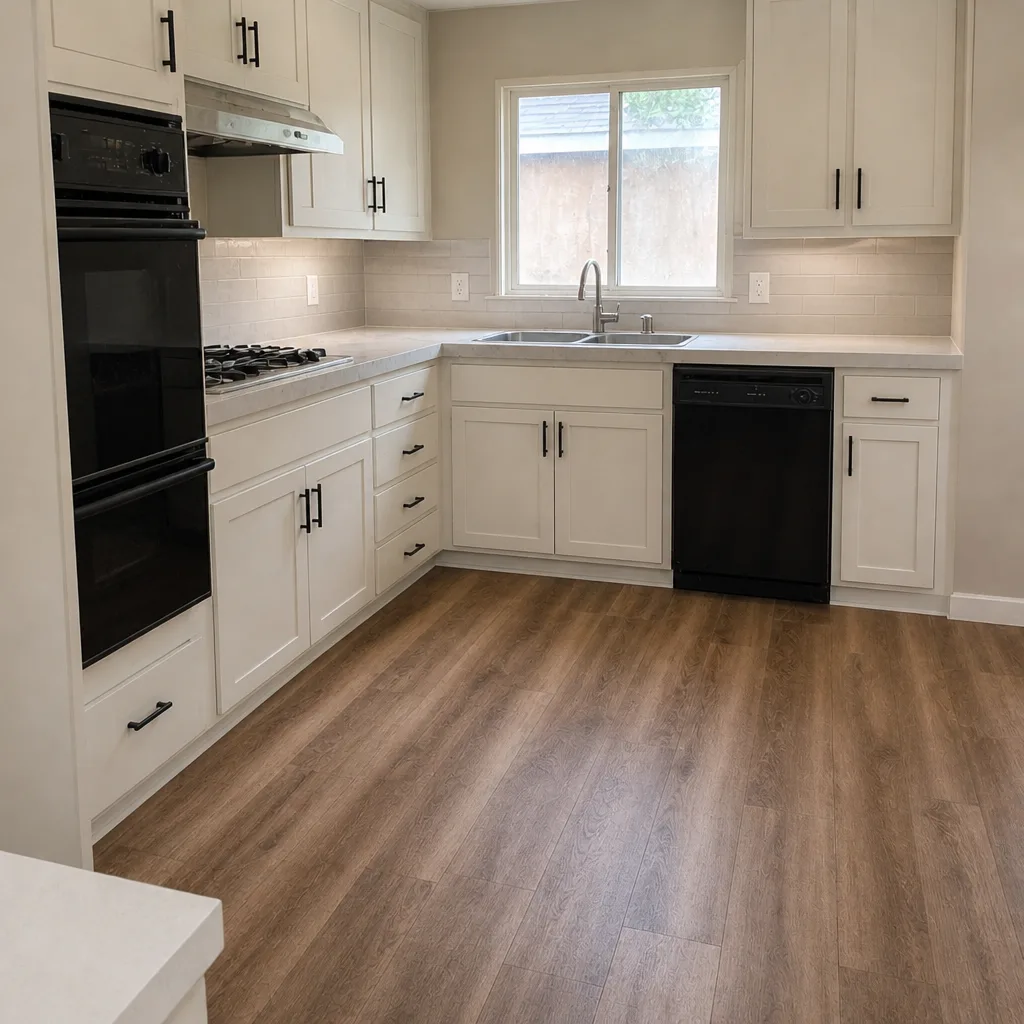 After
When to Call a Professional
Call a licensed contractor before you sign anything, and specifically in these situations: you’ve received a bid that’s a single number rather than a line-item breakdown; the contractor hasn’t named their structural engineer; you’re being told a permit can wait until after framing; the payment schedule asks for more than 10% at mobilization; or the existing foundation, electrical panel, or HVAC capacity hasn’t been discussed. Any of those means the project needs a second look before money changes hands. Rowan Construction Group Lancaster offers free estimates in Lancaster. Call (844) 797-3312. We also review any written estimate line by line at no charge; bring the competitor’s quote and we’ll walk through what’s missing.
Frequently Asked Questions
A typical Lancaster home addition runs roughly $220 to $350 per square foot depending on finishes, structural complexity, and whether the existing foundation, electrical panel, and HVAC need upgrades. An ADU typically runs $250 to $400 per square foot for a fully finished, permitted unit, or lower if you use a prefab structure from a brand like Abodu, Cover, or Dvele with a general contractor handling site work. Call (844) 797-3312 for a written, line-item estimate specific to your lot; estimates are free.
It shouldn’t, if the bid was line-itemized and the scope was complete. Price changes in addition projects come from three sources: undiscovered conditions (existing foundation, panel capacity, soil), owner-directed changes, and contractor scope gaps. Get the first two documented in writing before signing, and ask the contractor how they handle the third. Under the Haven Standard, no work proceeds on a change until the change order is signed, so there are no surprise invoices at the end.
Yes. Lancaster requires a building permit for any new ADU, whether detached, attached, or converted from existing space. The permit process includes plan review, structural plan stamps from a licensed engineer, and a sequence of inspections that must be passed before a certificate of occupancy issues. A contractor who offers to skip the permit is exposing you to stop-work orders, fines, and possible demolition.
Go to CSLB.ca.gov and search by the license number that appears on the bid. The lookup tells you whether the license is active, the classification it holds (B, C-10, C-36, and so on), and whether there’s any disciplinary history. Ask your general contractor for the license numbers of every subcontractor scheduled on your job and verify each one separately.
Plan on four to six months for a typical permitted addition, and five to eight months for a detached ADU, factoring in Lancaster’s plan review turnaround and inspection scheduling. Prefab ADU structures can shorten the construction phase to a few weeks, but site work (foundation, utility connections, grading, final inspection) still runs six to ten weeks. Ask any contractor for their permit-pull dates on a recent Lancaster project, not just a total timeline.
A single-number bid with no line-item breakdown. It makes change order disputes impossible to resolve, allows material substitution without recourse, and hides whether the contractor has actually estimated the job or simply guessed. Ask for a bid with framing, foundation, roofing, MEP, finishes, permits, and engineering broken out separately. If the contractor can’t produce one, look elsewhere. Call (844) 797-3312 for a second opinion on any written estimate before you sign; our reviews are free.
The Bottom Line
The warning signs of a problem addition or ADU are all present before construction starts. A contractor who can’t name their structural engineer, who bids a single number without line items, who suggests pulling a permit later, or who front-loads a payment schedule is telling you how the job will go. The answers to the three technical questions (foundation documentation, panel capacity, roof connection detail) separate a professional from a handyman more reliably than any review or website. Lancaster homeowners have a further advantage: local climate, expansive soil, and permit process experience are all verifiable. Ask for the proof. A written, line-item price with a signed change order clause is the single strongest predictor of a project that finishes near the agreed number.
Rowan Construction Group Lancaster offers a written price before any work starts, on every trade, backed by the 365-Day Done Right Promise and a documented photo record on every visit. Call (844) 797-3312 for a free estimate, or bring a competitor’s quote for a free line-by-line second opinion.
Written by the team at Rowan Construction Group Lancaster.