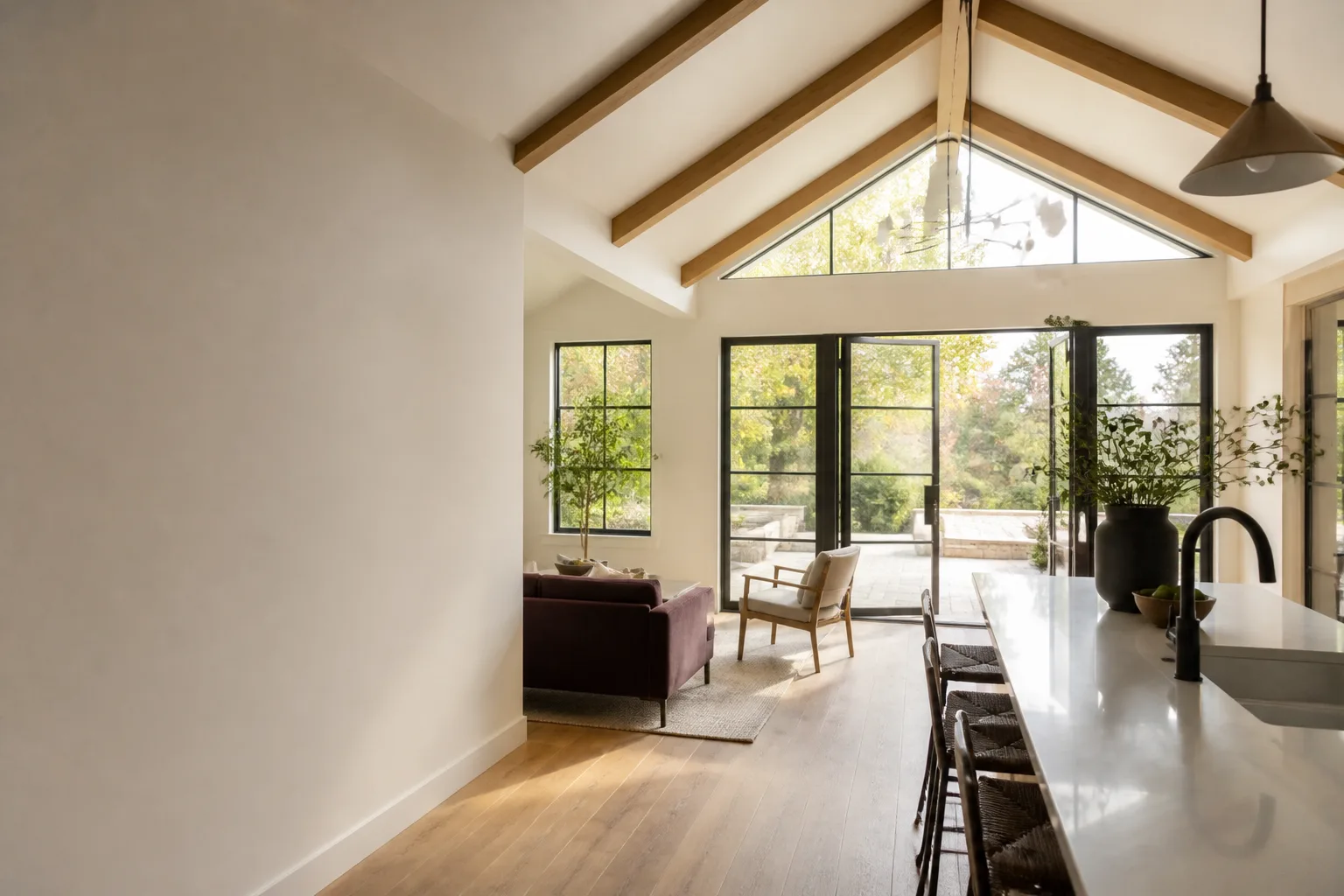
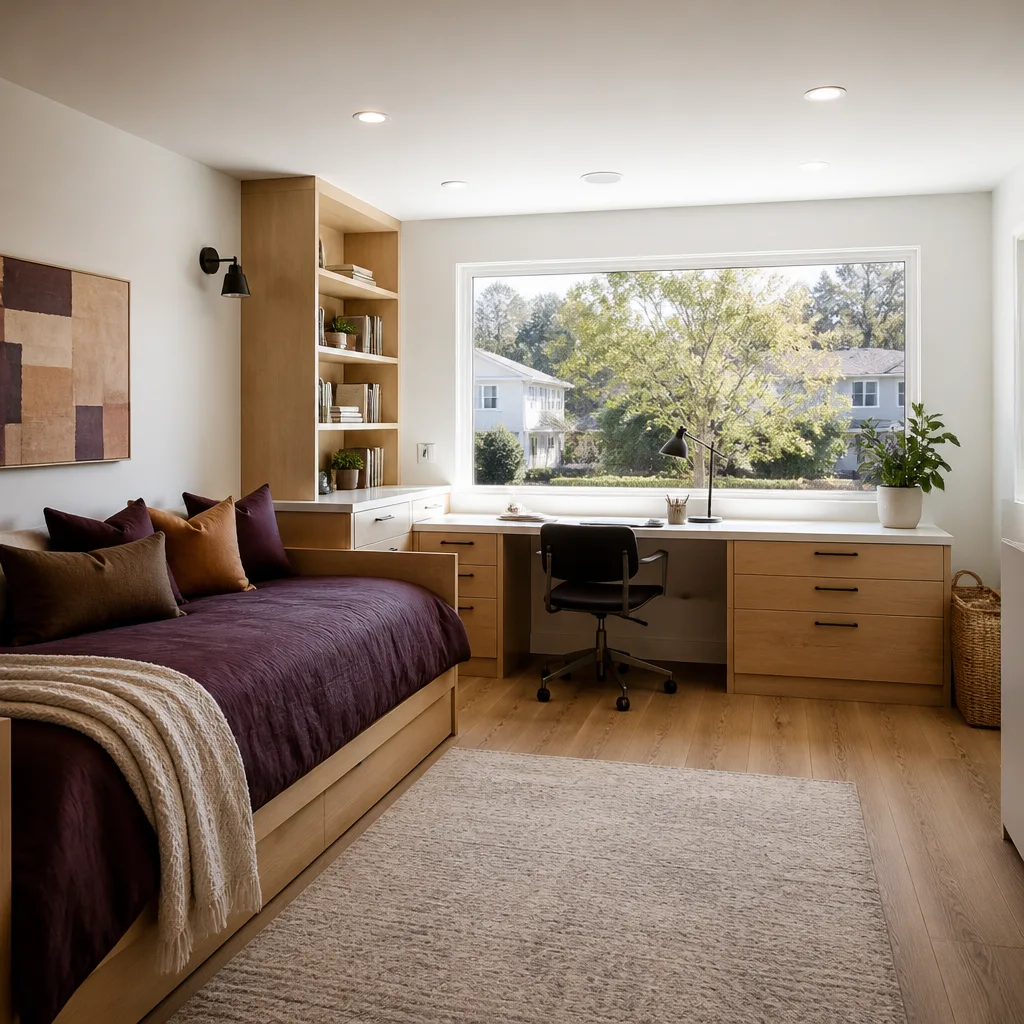
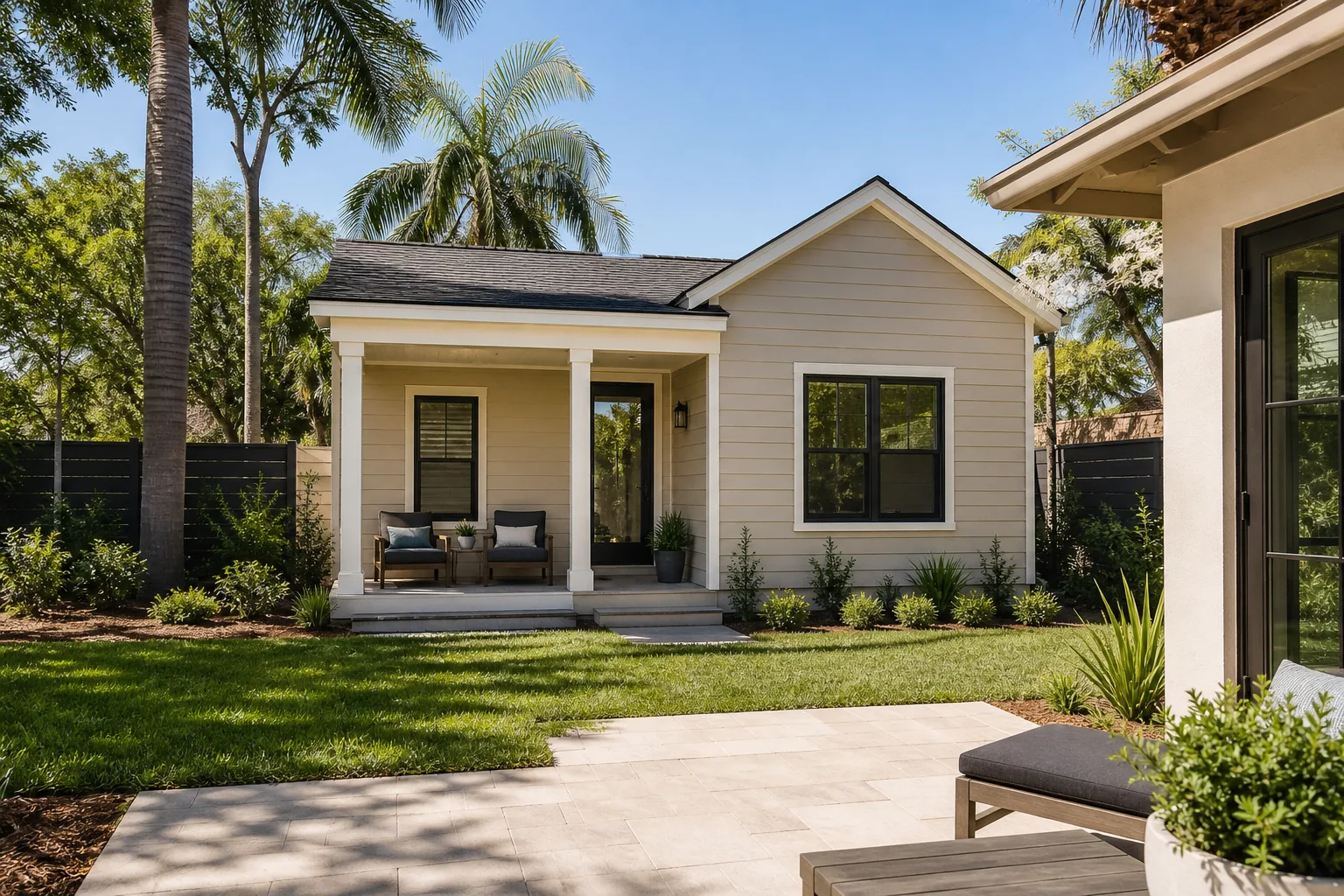
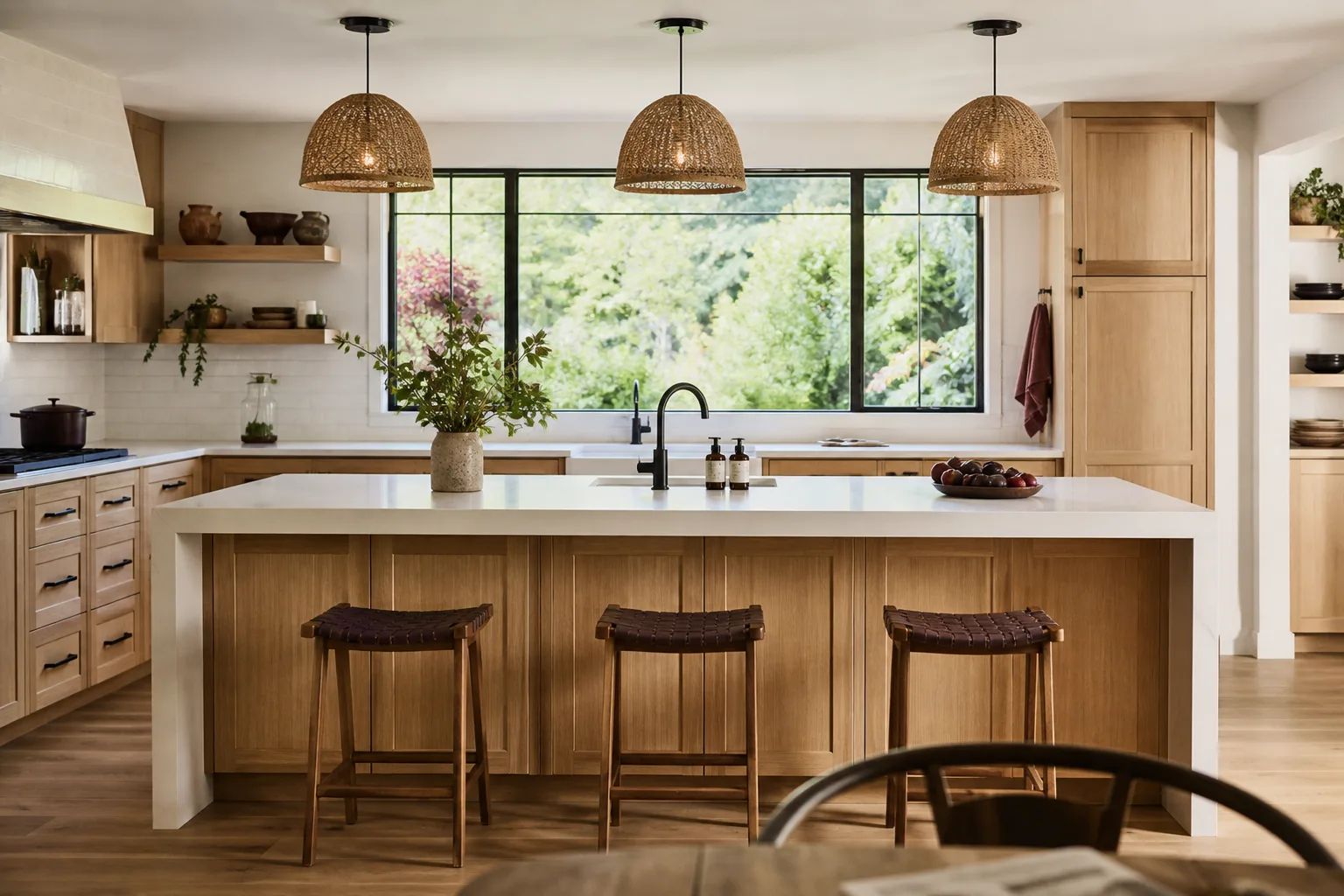
Free written scope consultation - allowances, timeline, and change-order rules on paper before a single trade is scheduled
Styles & brands we work with
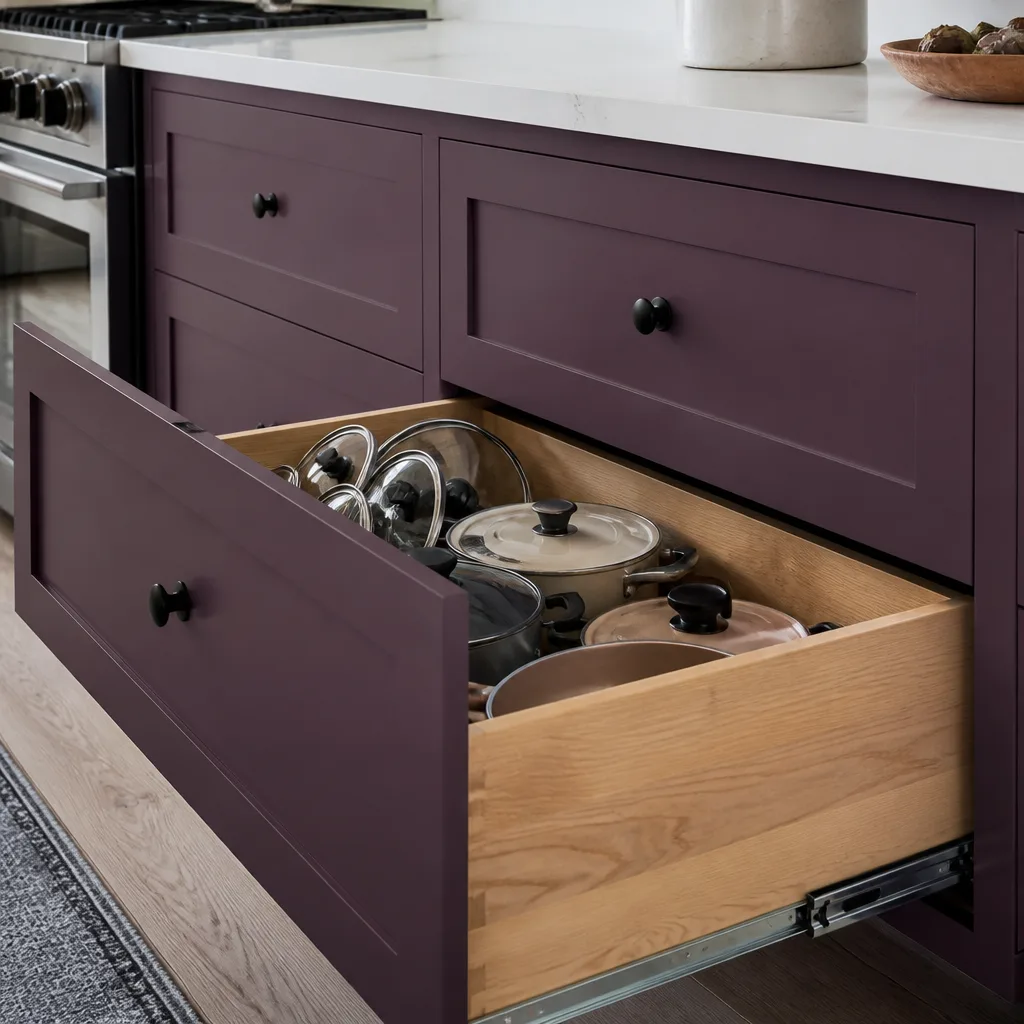
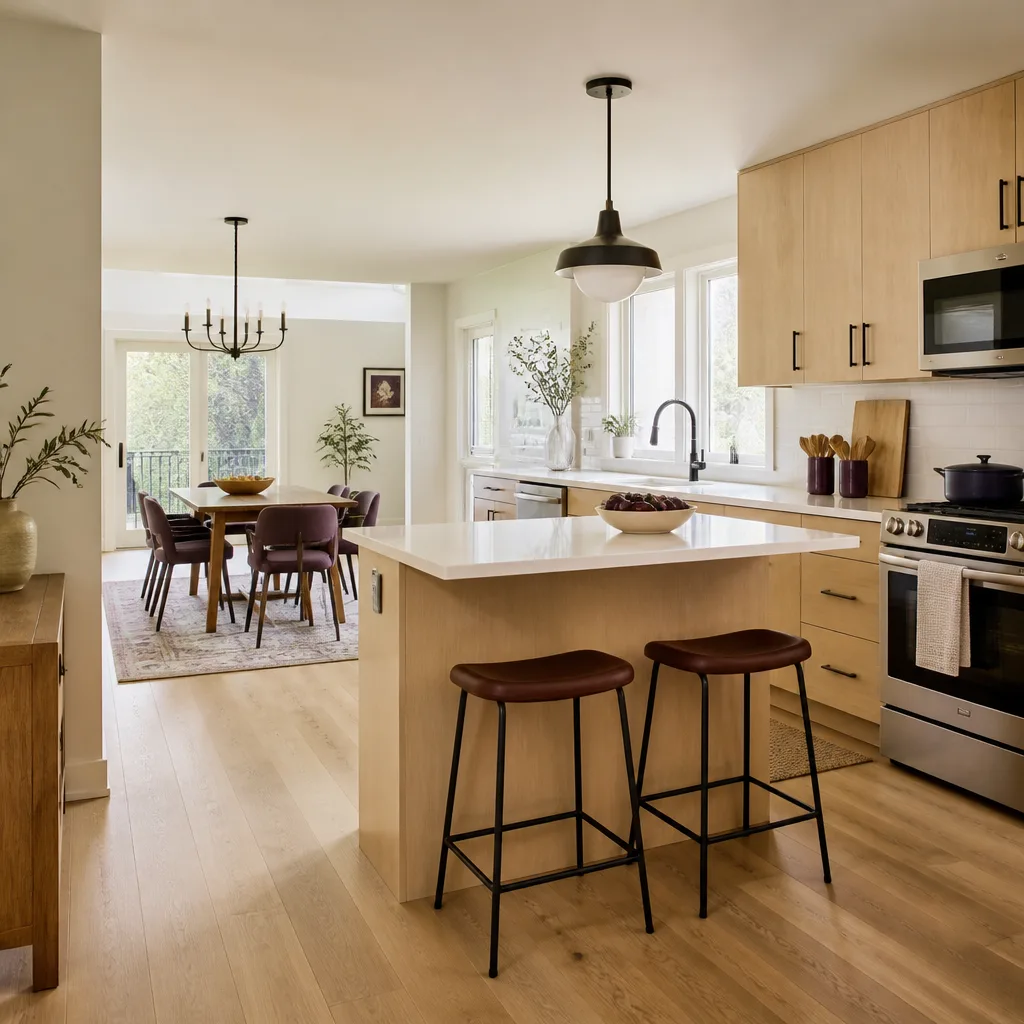
- Kitchen remodeling
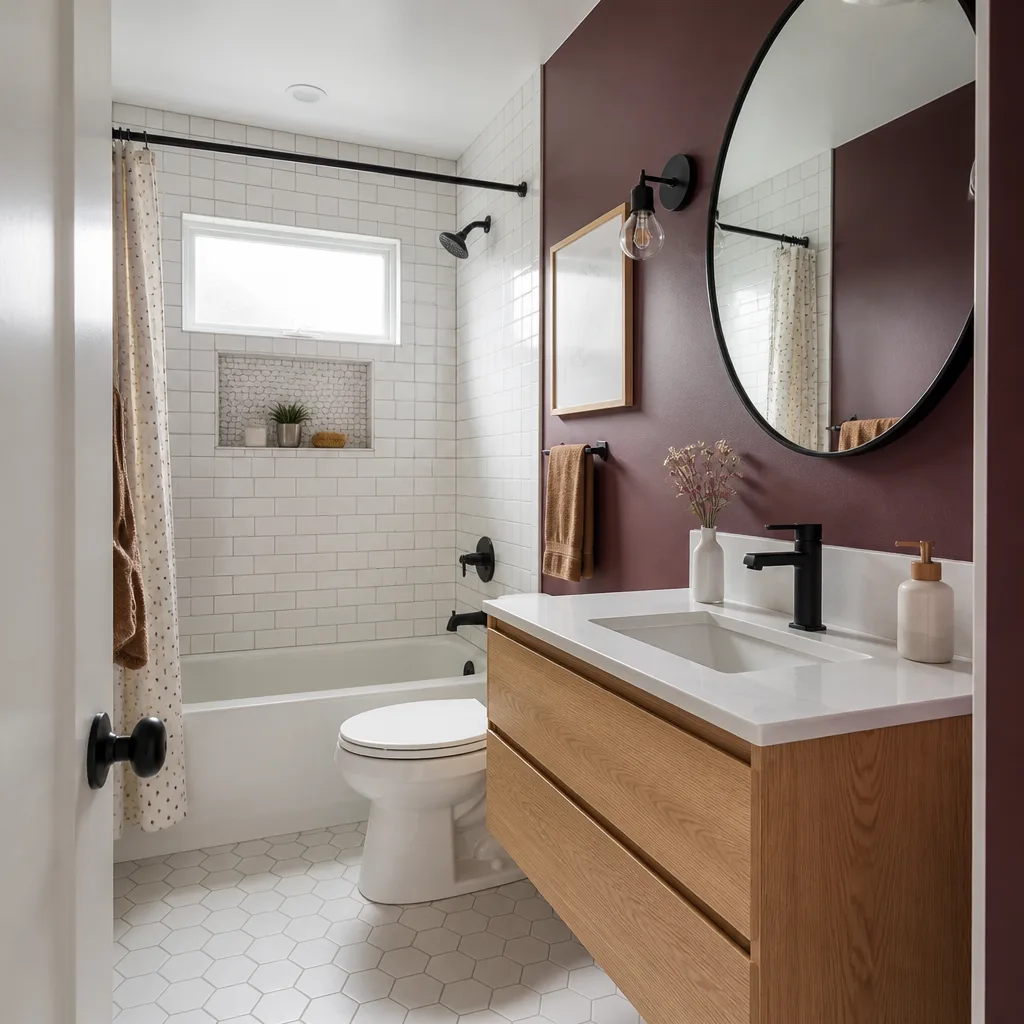
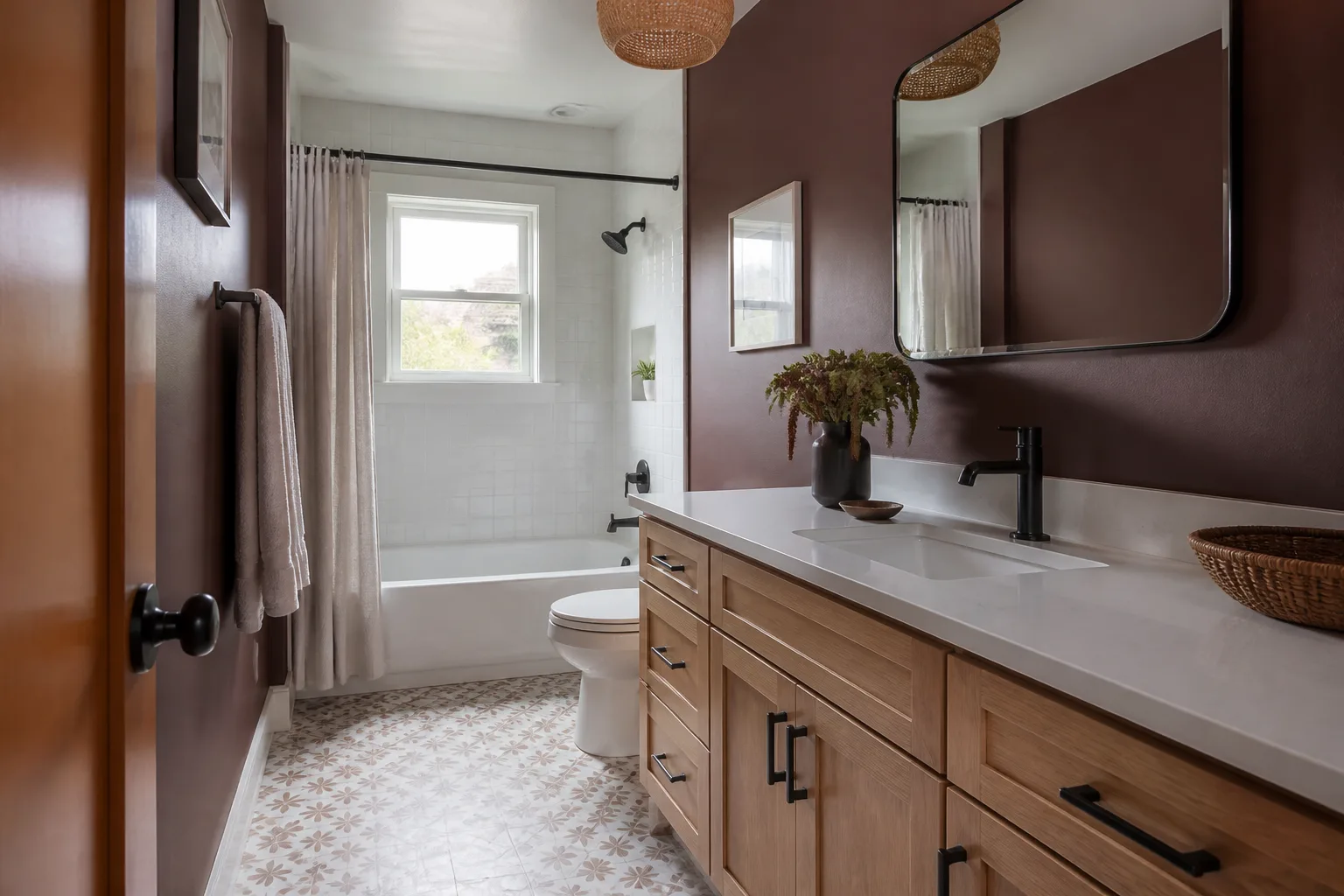
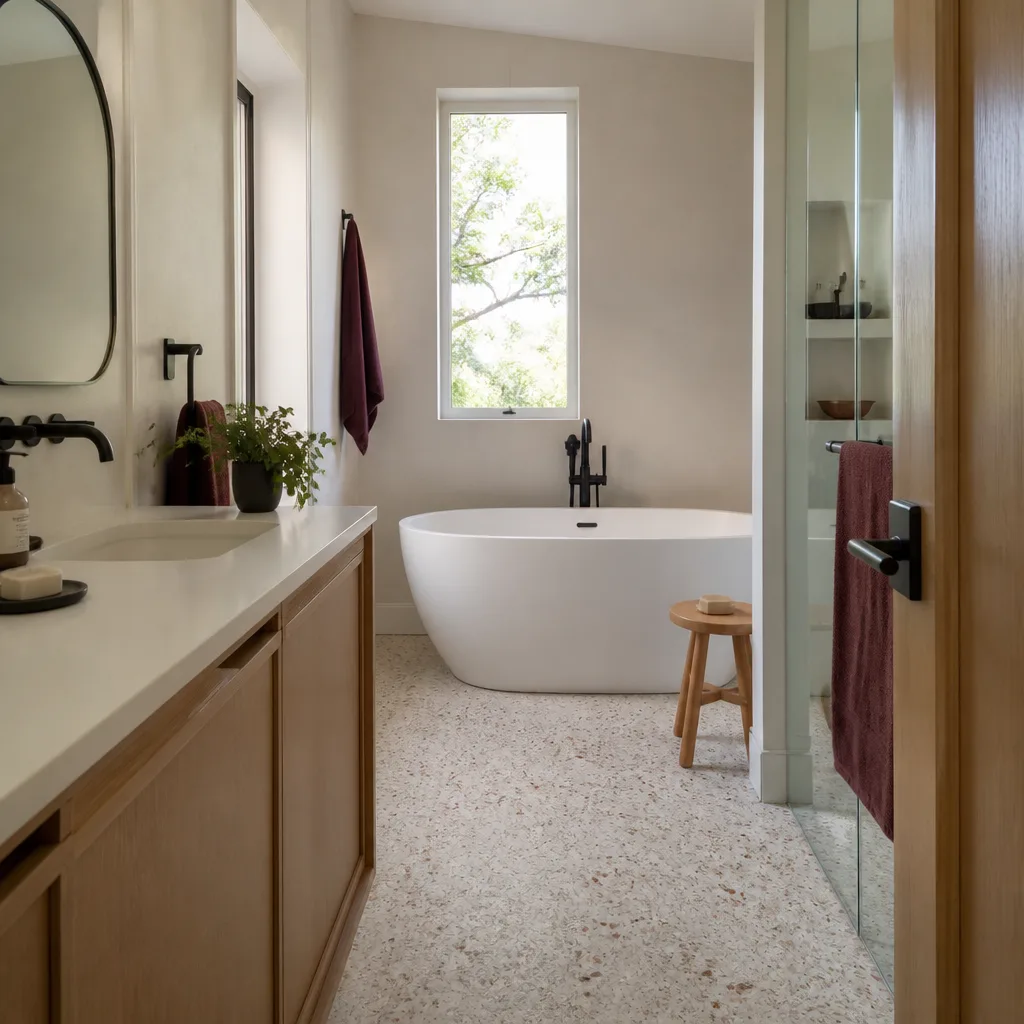
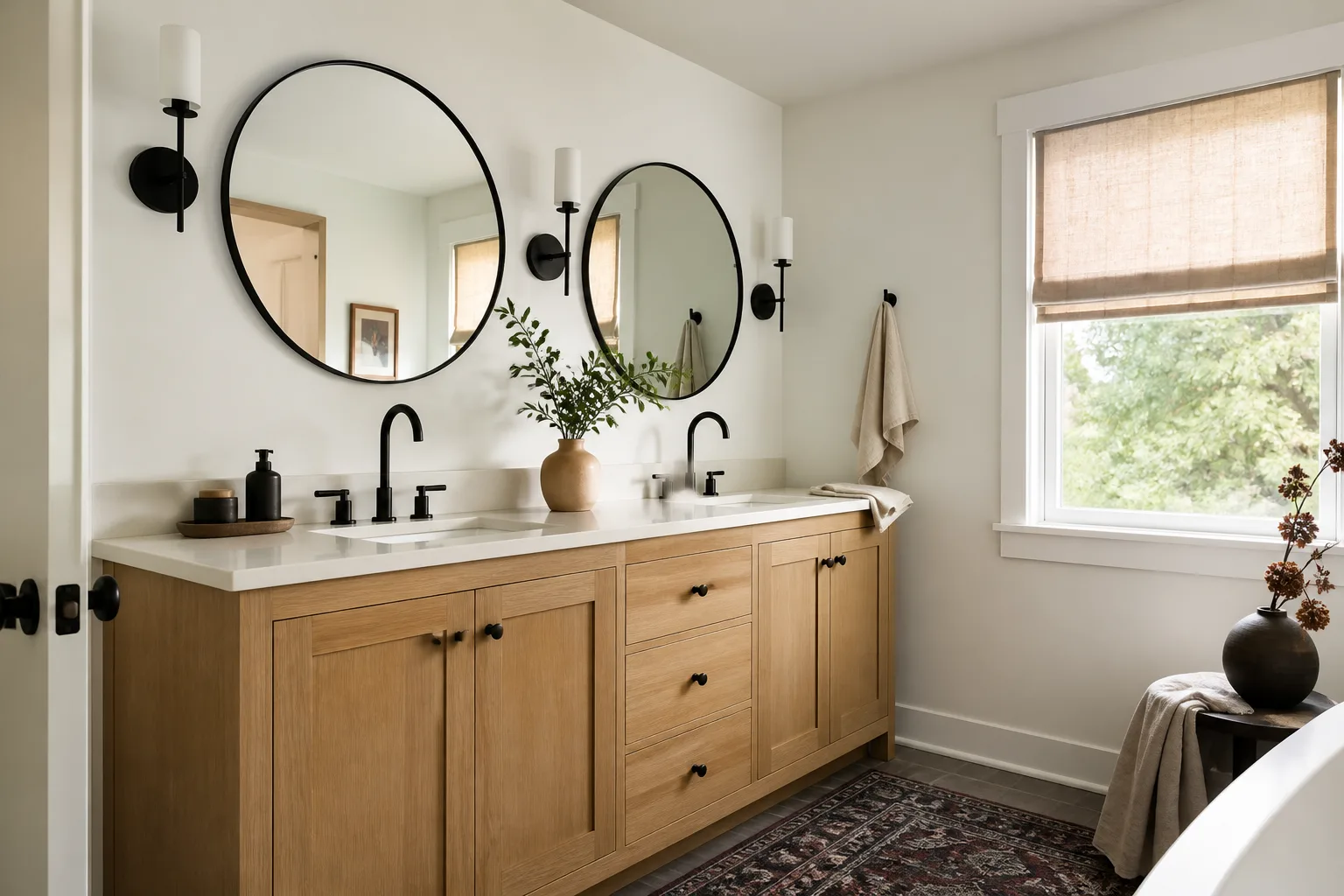
- Bathroom remodeling
- Home additions & ADU
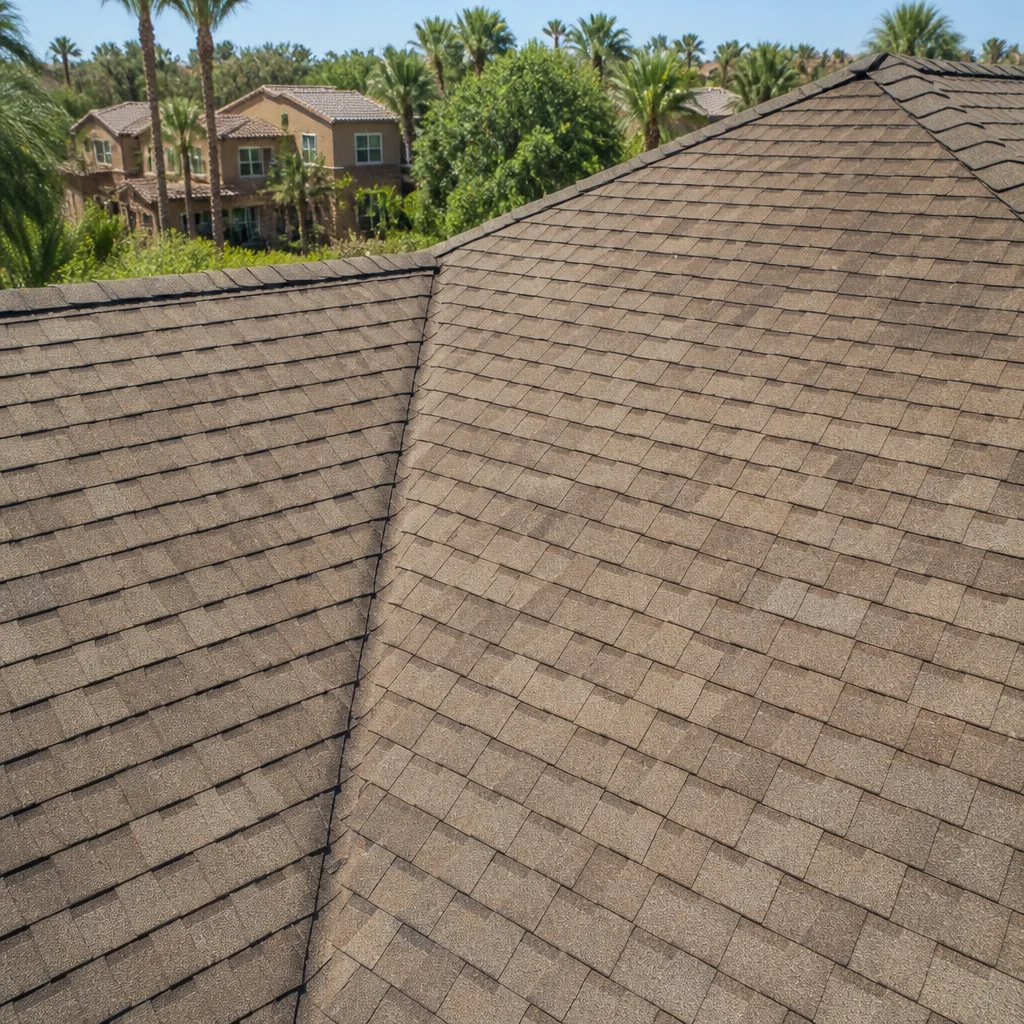
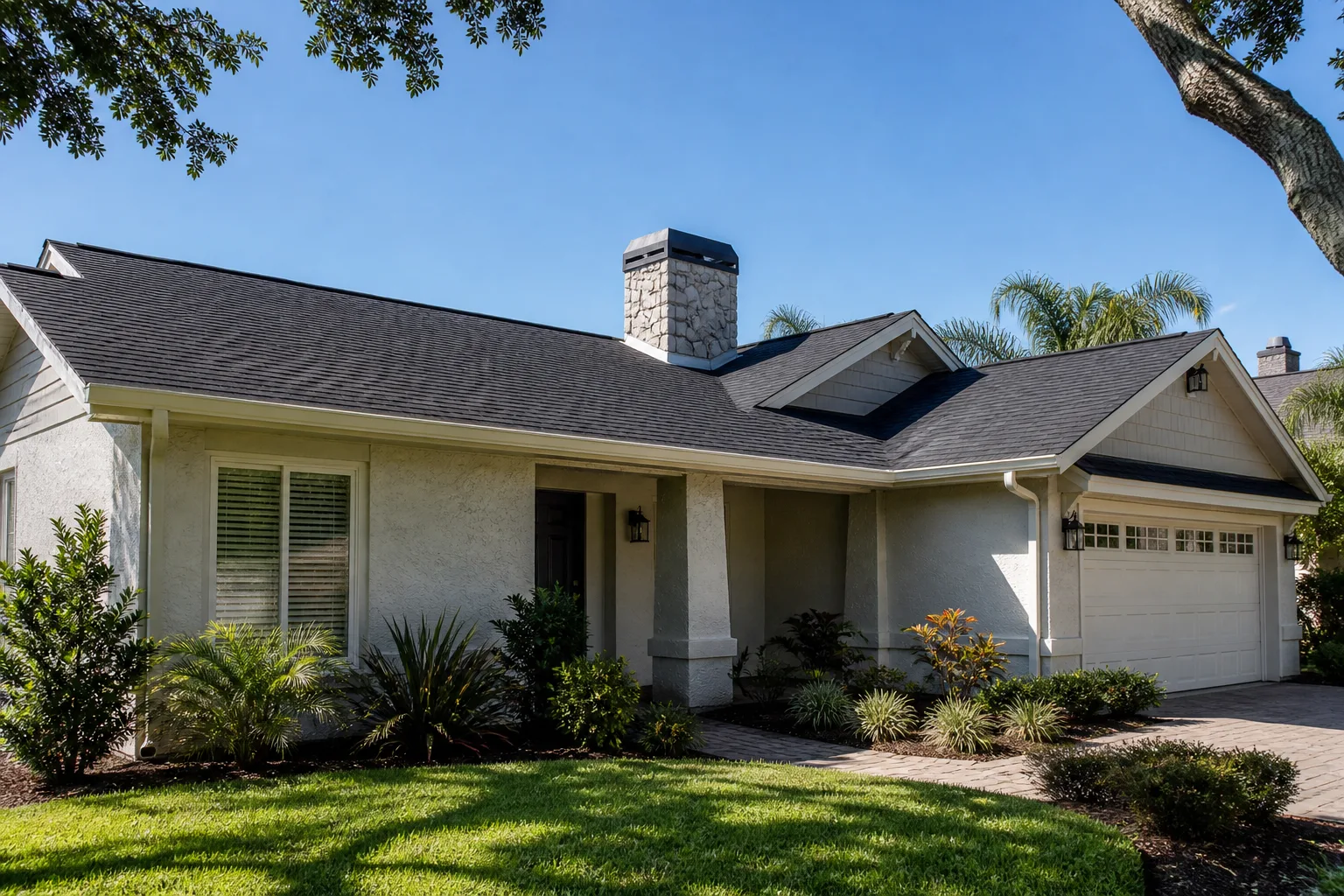
- Roofing
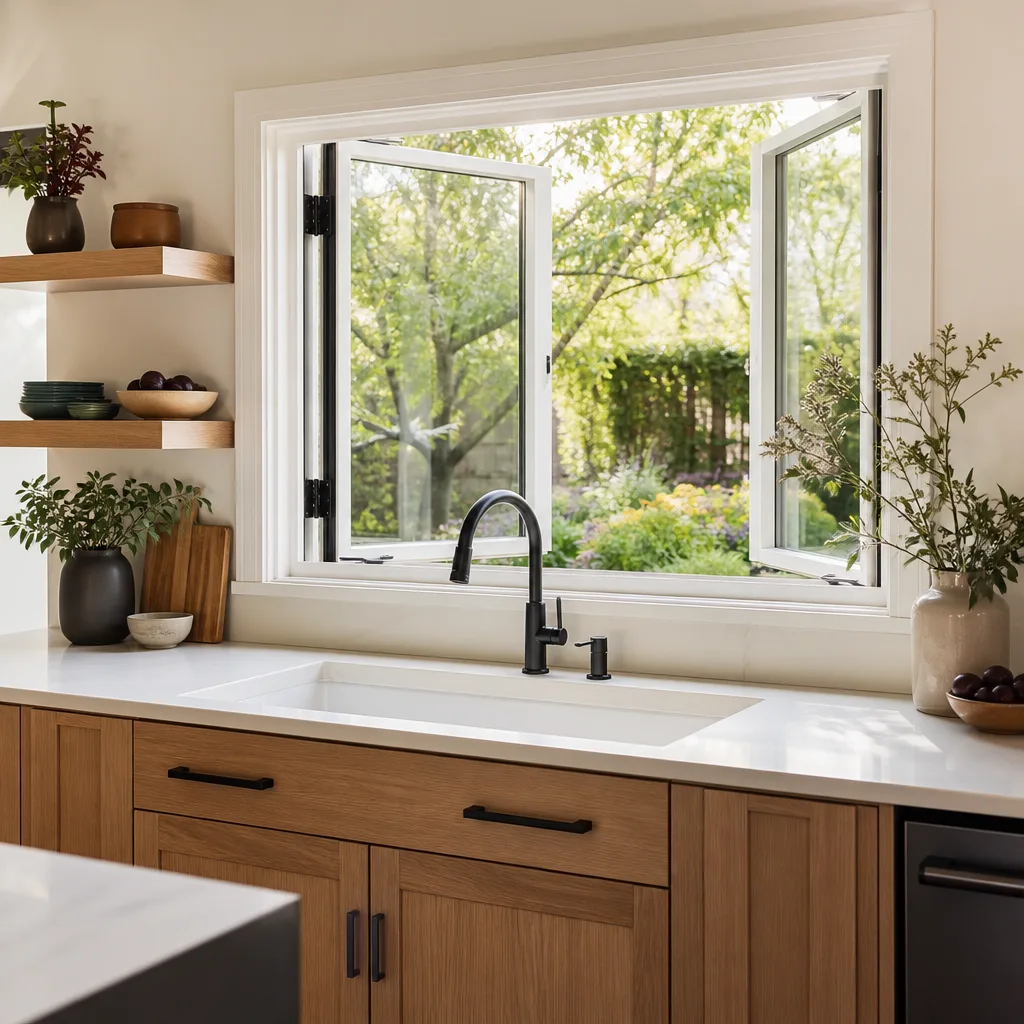
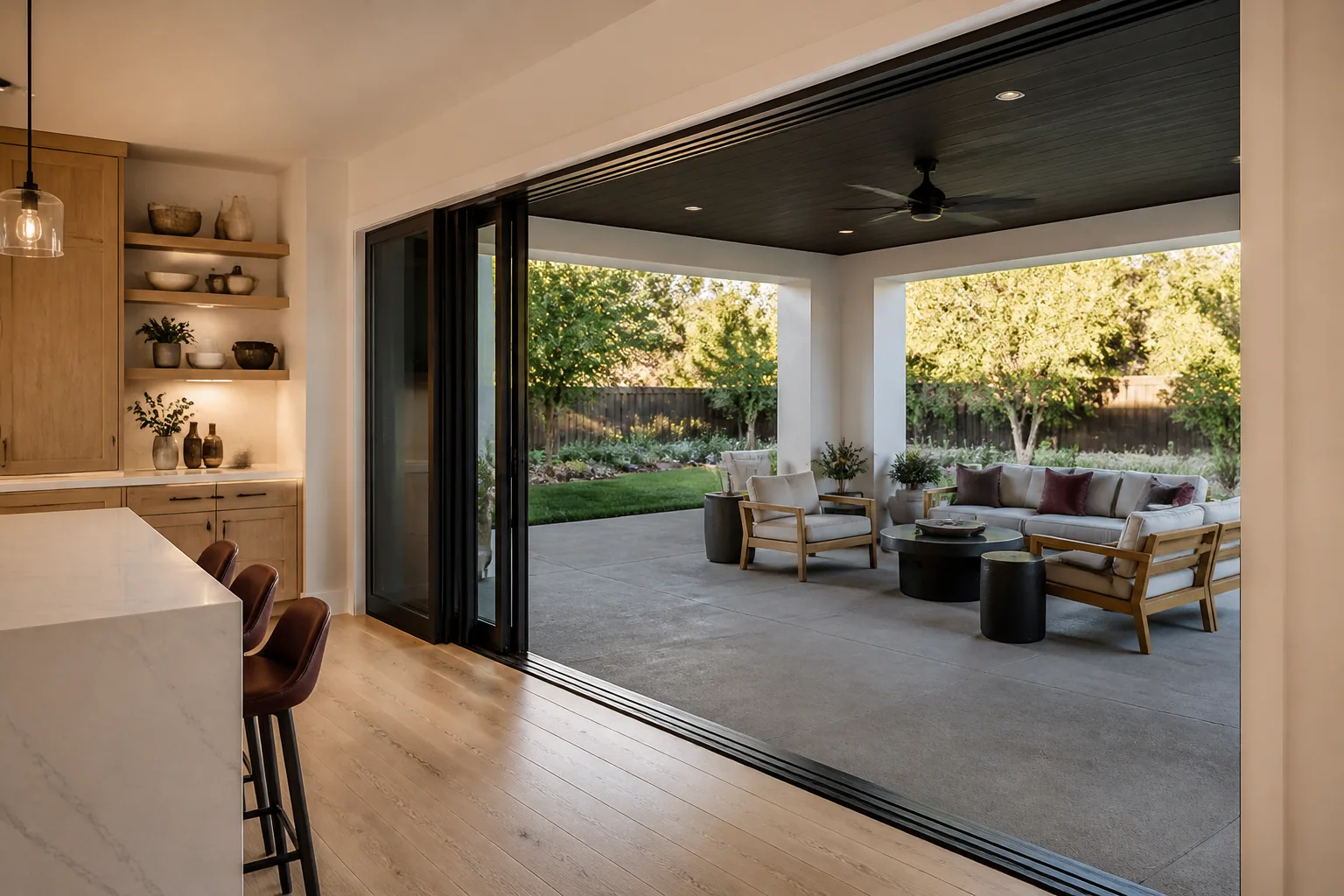
- Windows & doors
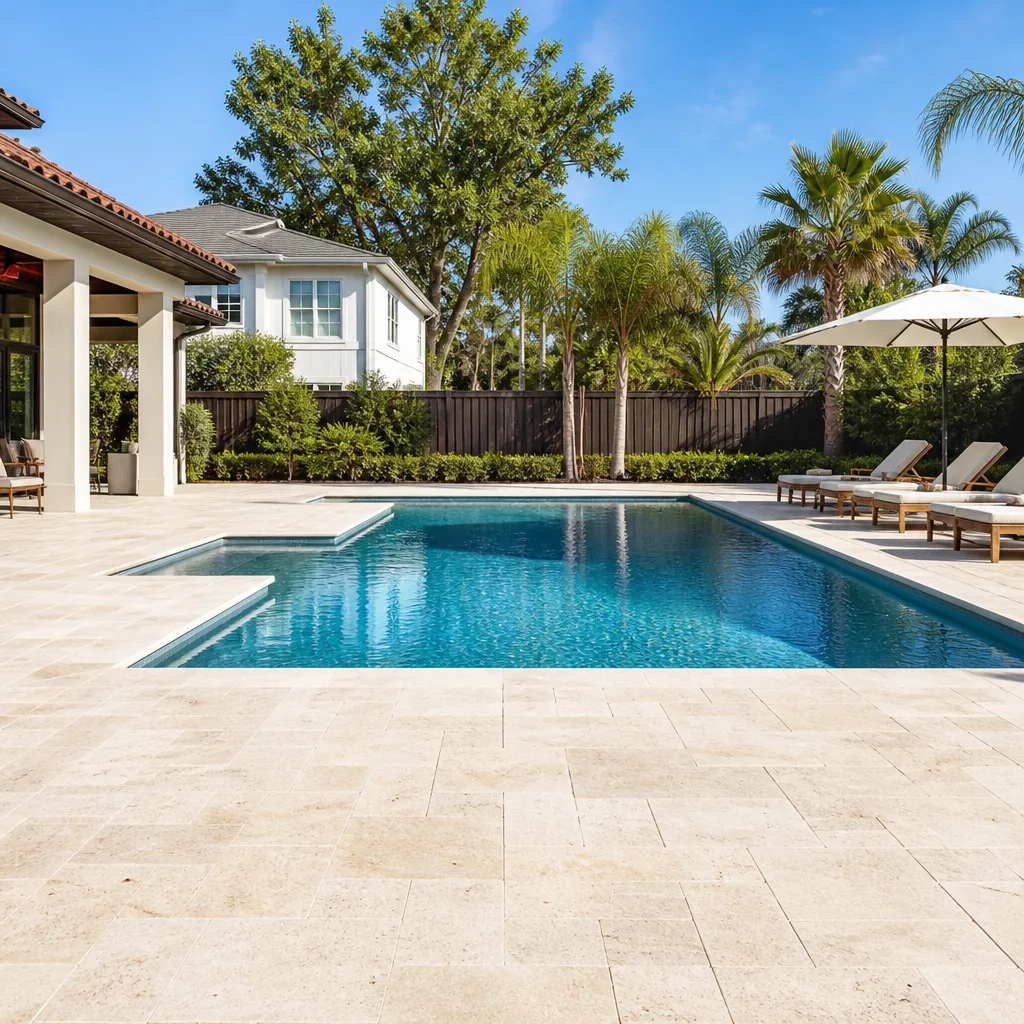
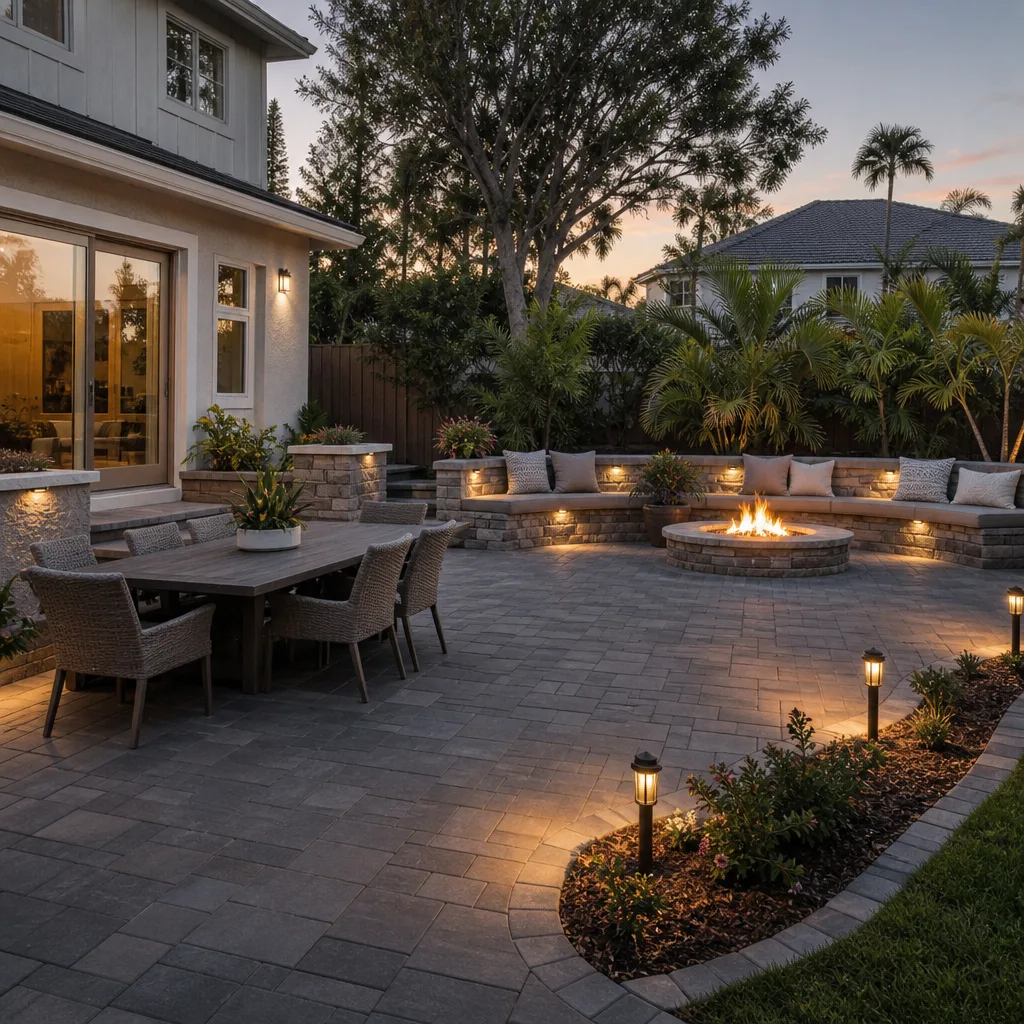
- Driveway & pavers
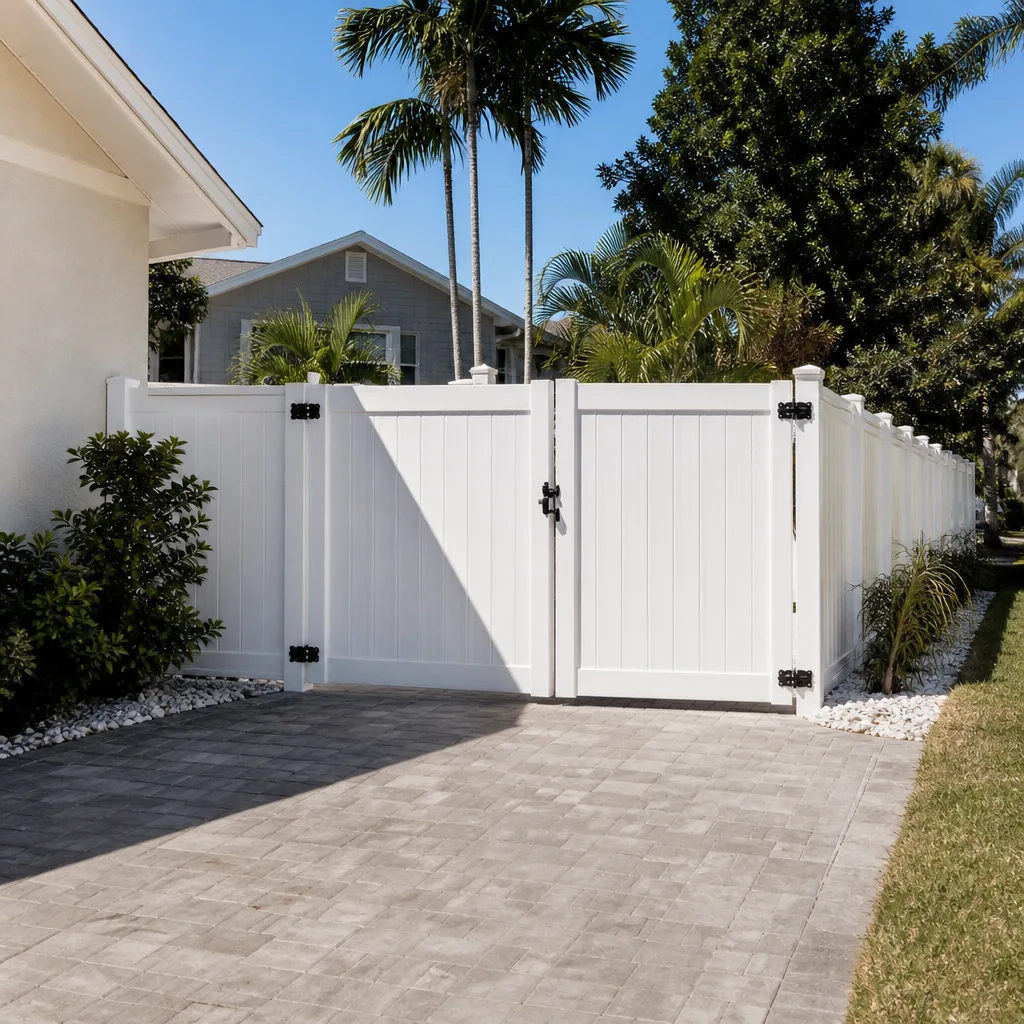
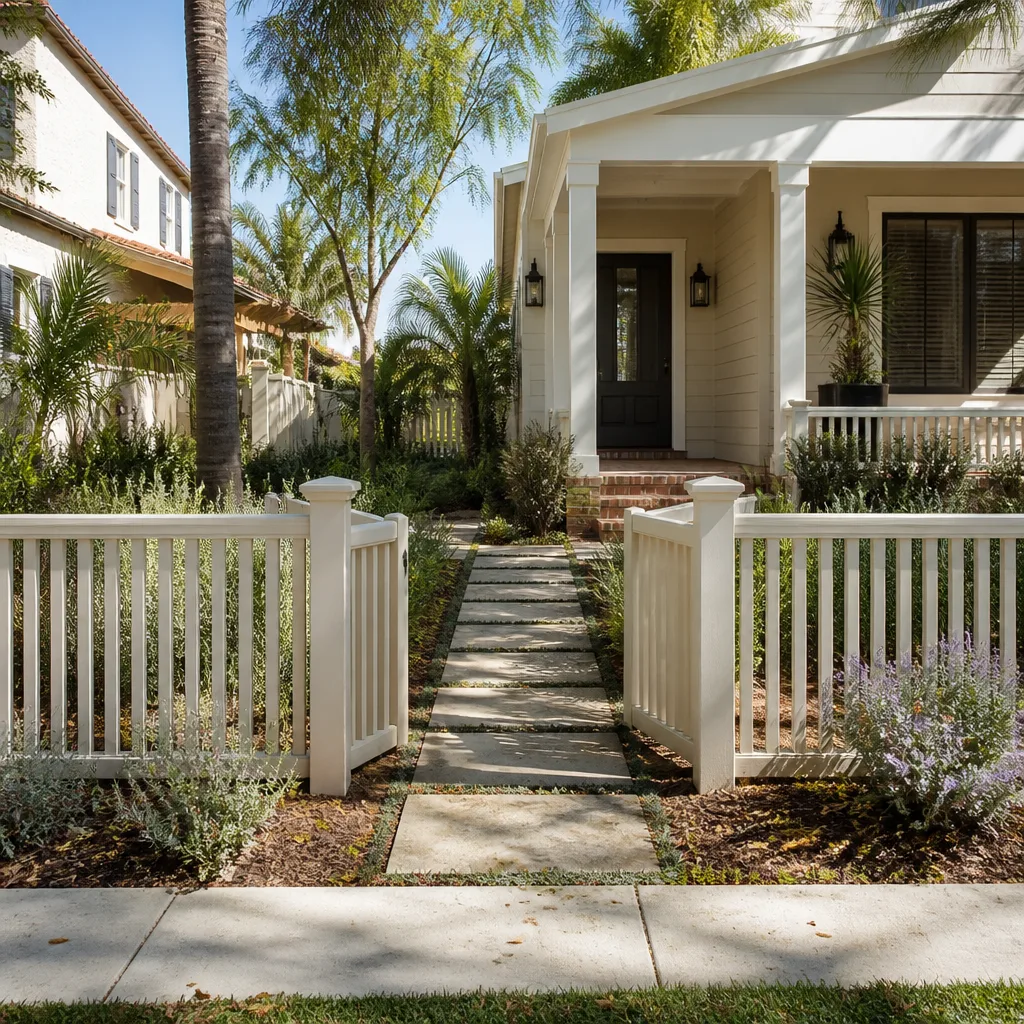
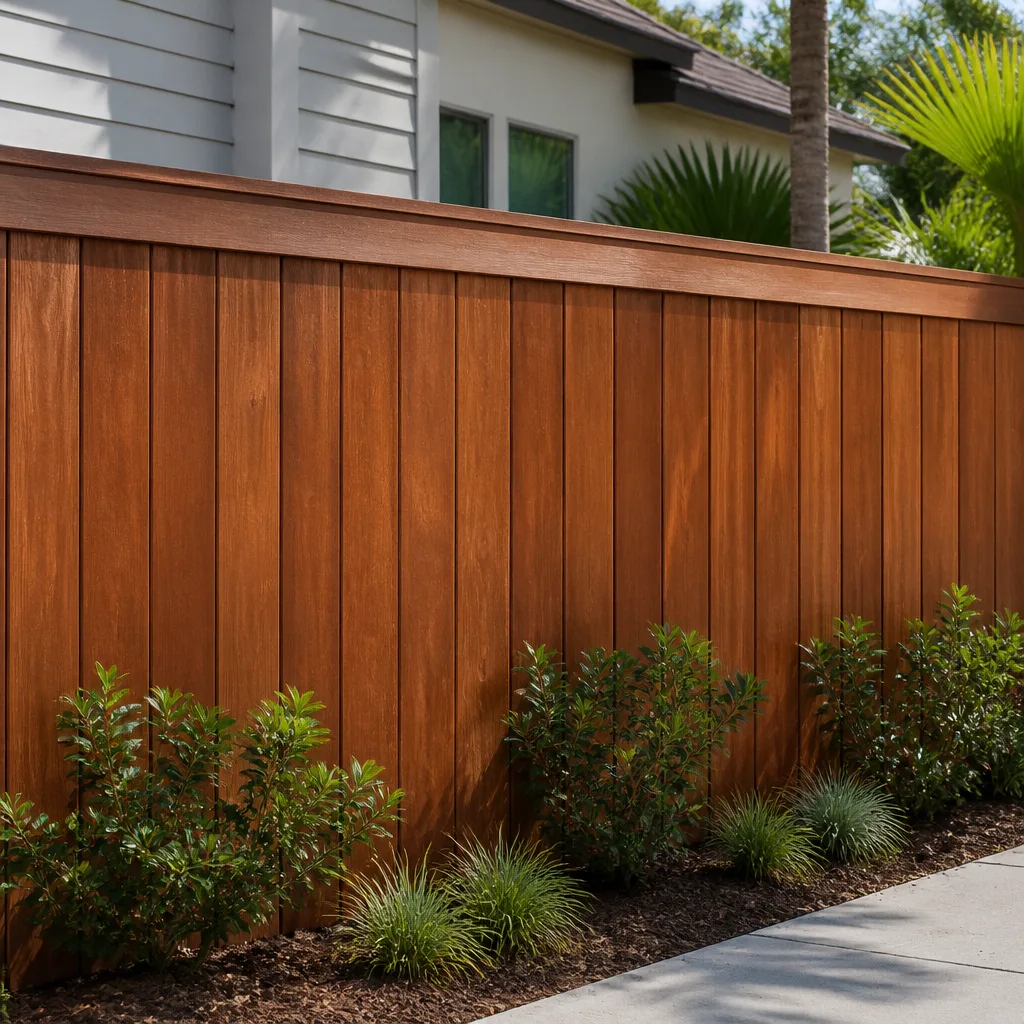
- Fence
See the difference
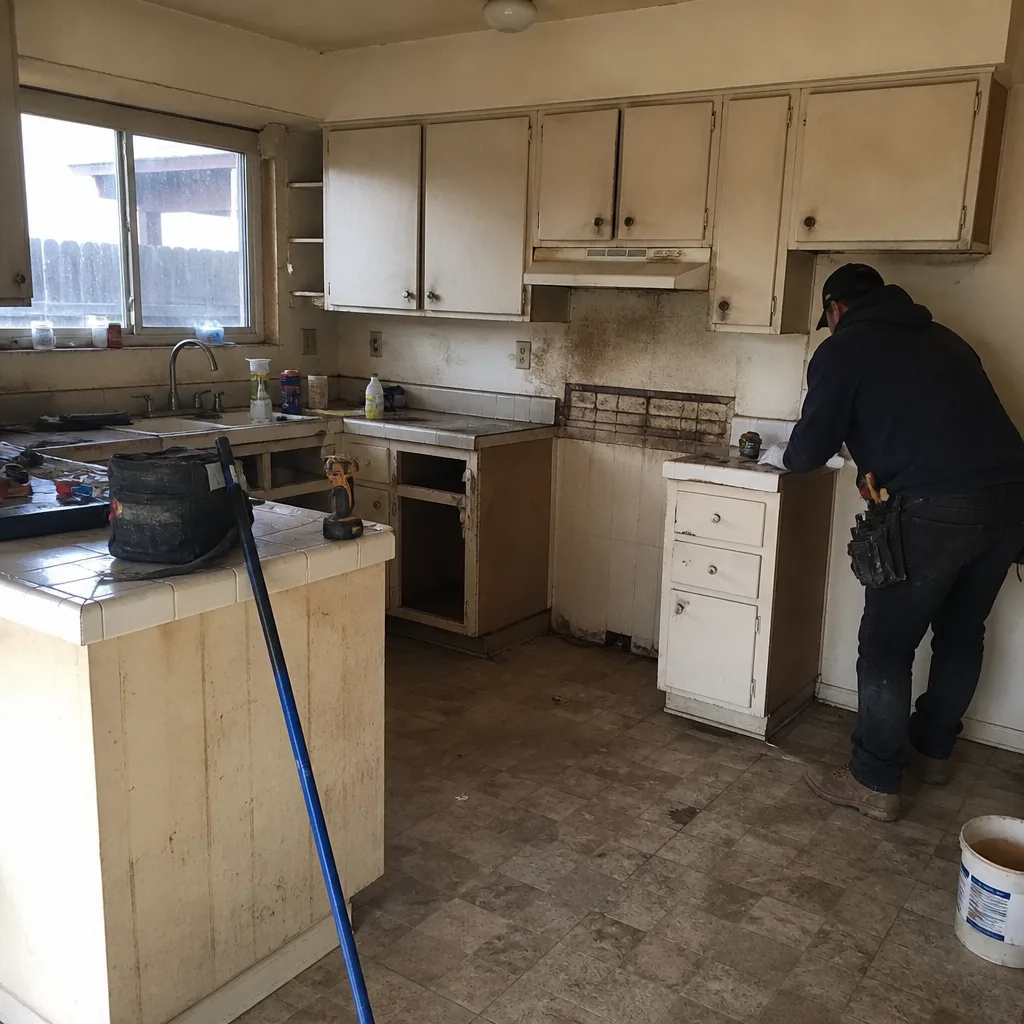 Before
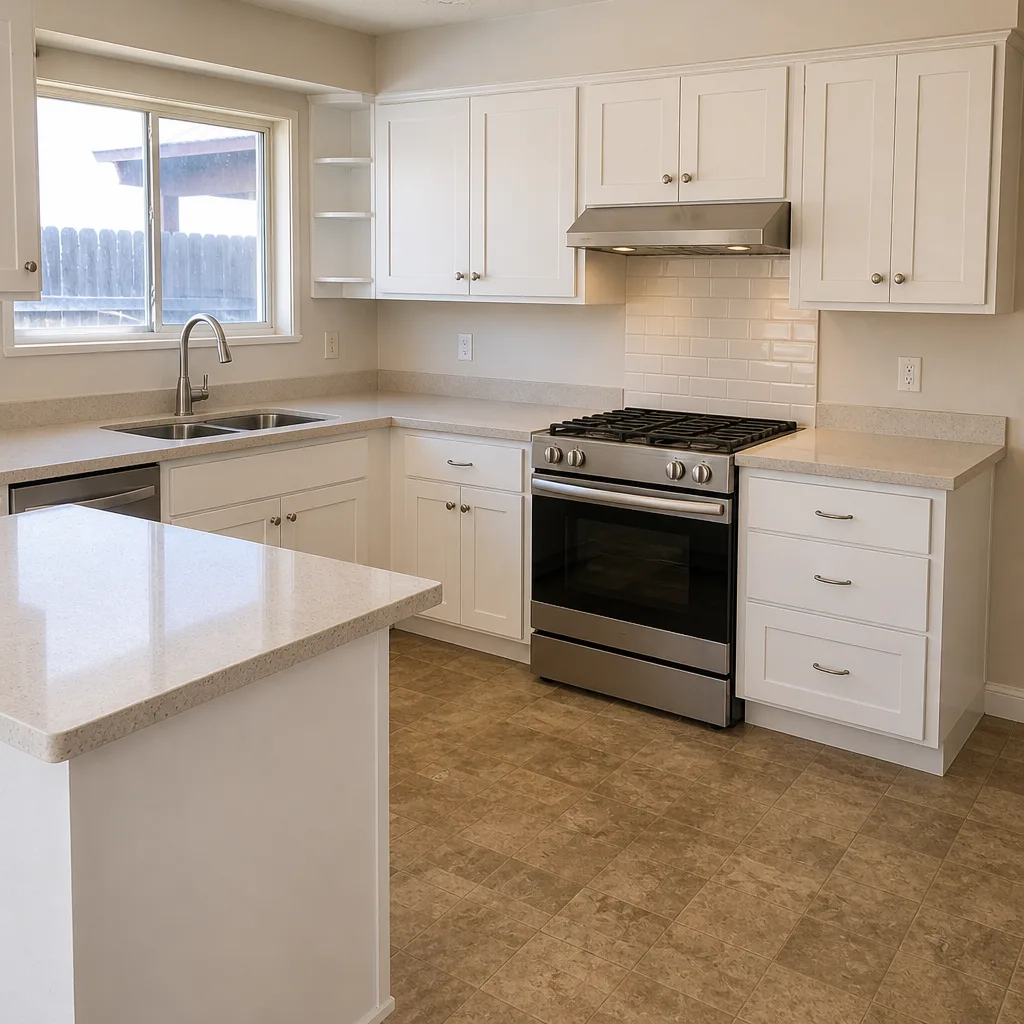 After
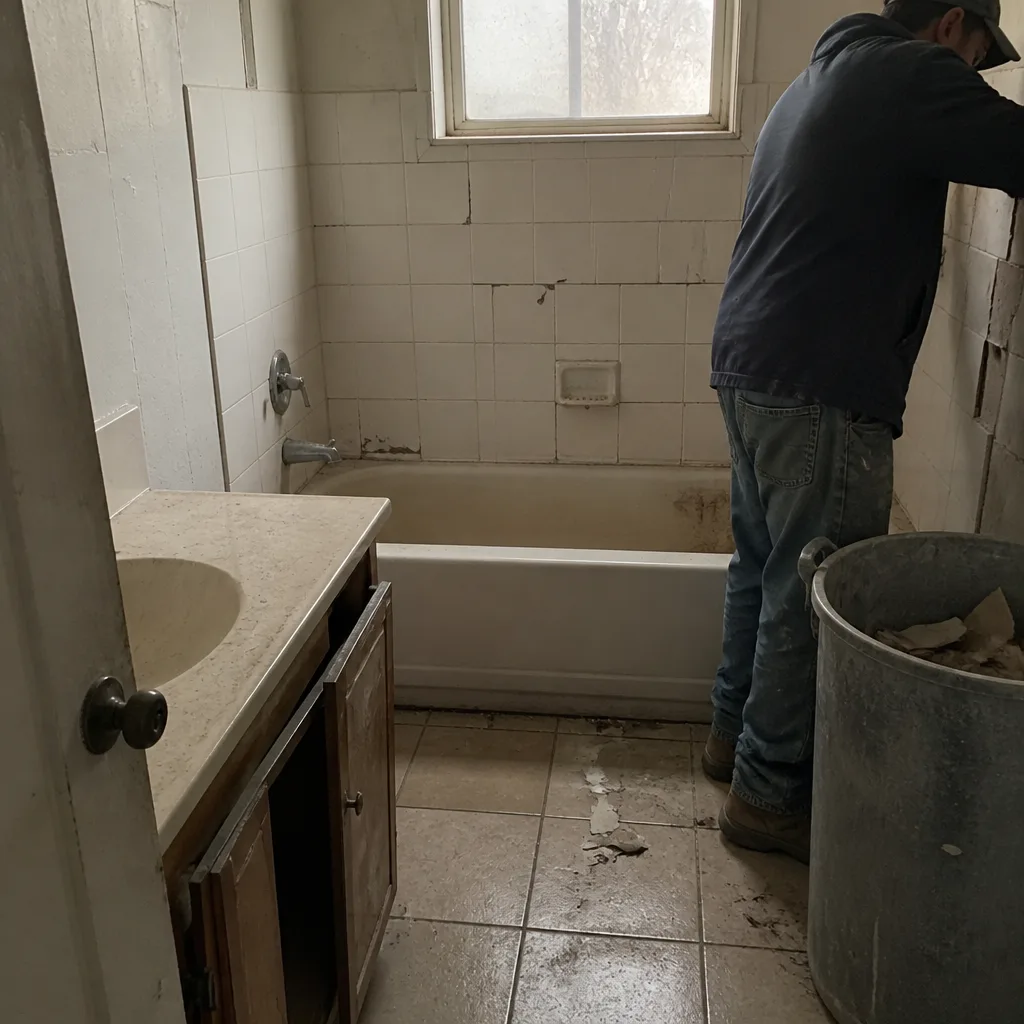 Before
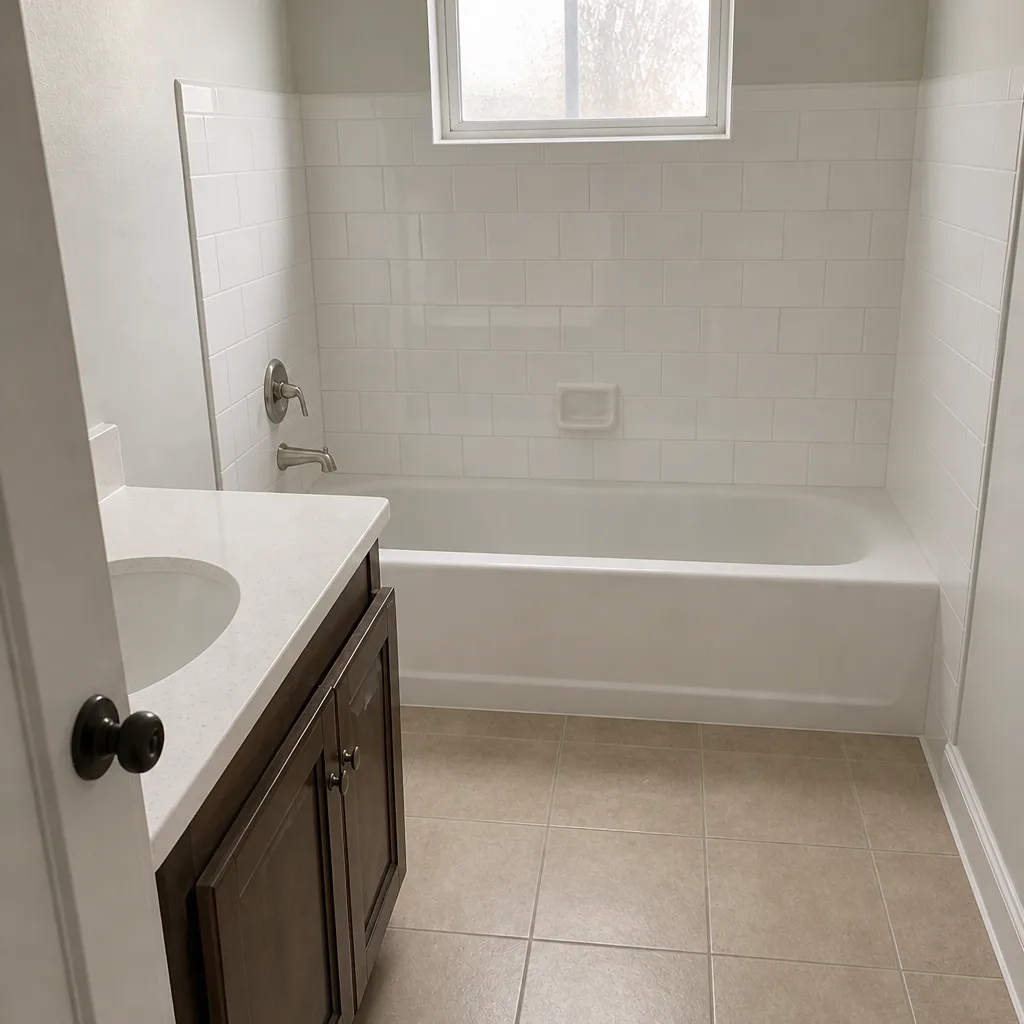 After
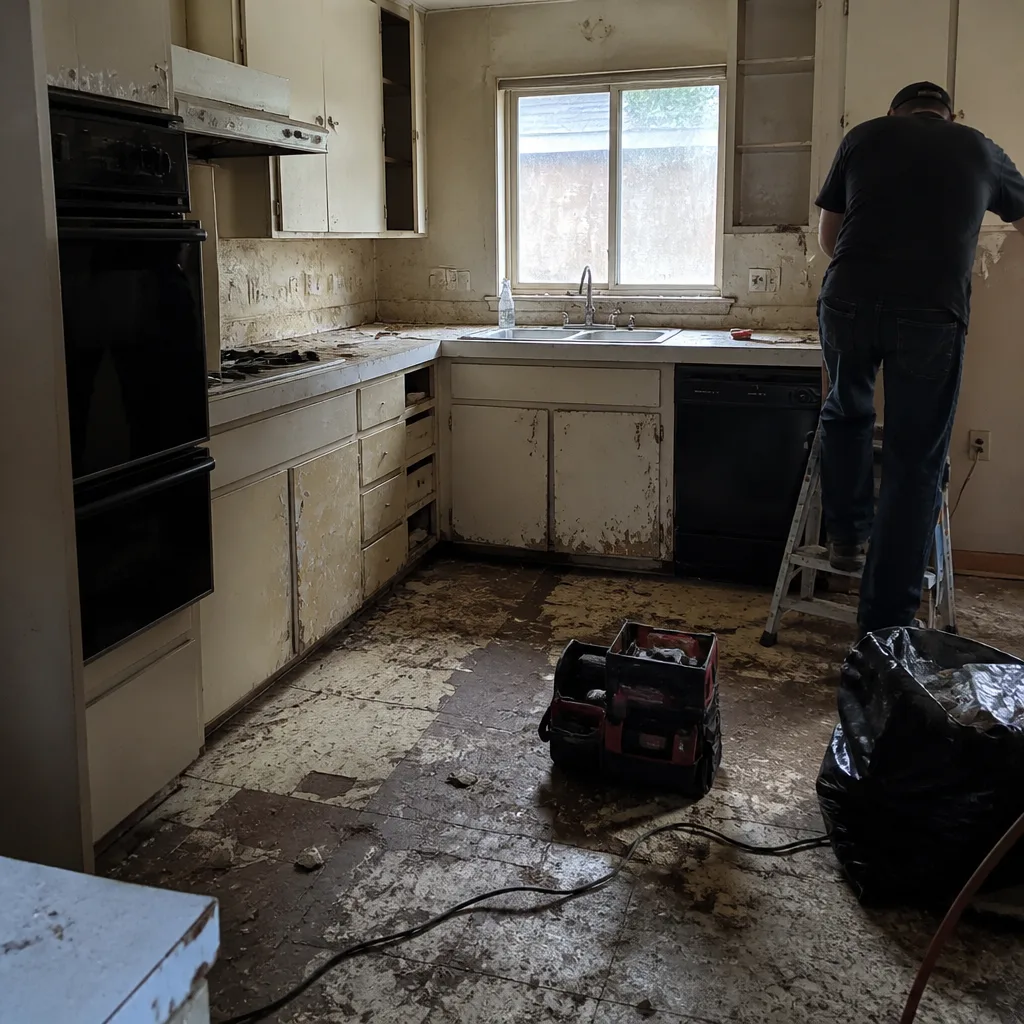 Before
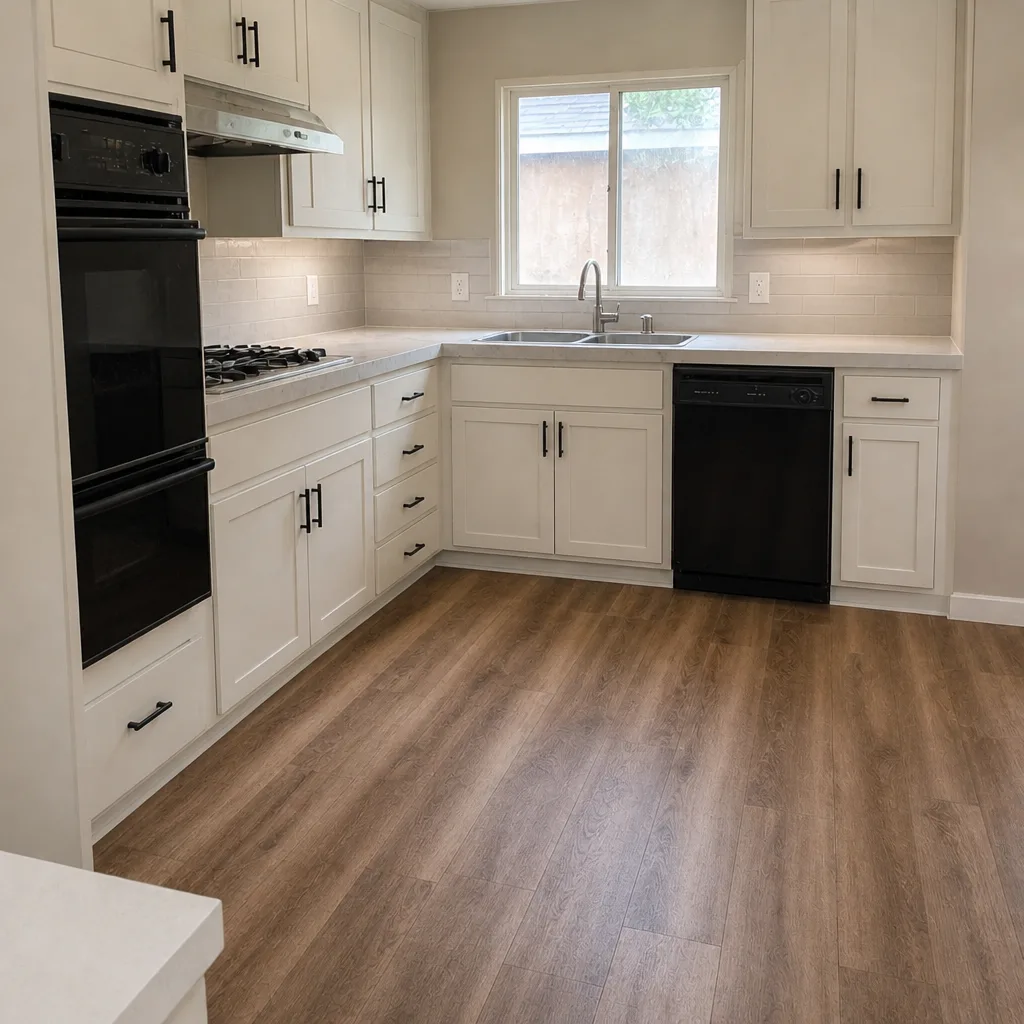 After
What It Actually Costs to Hire a General Contractor in Lancaster, CA
Hiring a general contractor in Lancaster typically runs $18,000-$45,000 on a mid-sized residential project, with the GC fee itself usually landing between 10% and 20% of total construction cost. That fee covers coordination, scheduling, sub-trade management, permits and oversight. But the number that decides what you actually pay at the end isn’t the fee. It’s what happens when the scope shifts. Call (844) 797-3312 for a written, flat-price estimate before anything starts.
Here’s the pattern we see across the Antelope Valley. A homeowner gets three bids on an addition or a whole-house remodel. The low bid wins. Eight months later the final invoice is 20% over, because every “sure, we can add that” during construction turned into a verbal change with no signed document attached. The neighbor who hired the higher bidder, the one with a written change-order protocol, finished within a few percent of the number on the contract.
Key Takeaways
- GC fees in Lancaster run 10-20% of project cost; on a mid-sized job that’s $18,000-$45,000.
- The hidden cost isn’t the fee or the sub markup. It’s undocumented change orders, which inflate final bills 15-30% on jobs with no written protocol.
- Lancaster’s expansive clay soils and caliche hardpan regularly surface mid-project discoveries that trigger changes.
- A signed change-order requirement (Rowan’s Clause 1 under The Haven Standard) is the mechanism that keeps the final number near the agreed price.
- Our technicians have up to 19 years of experience; every job gets a documented photo record as a standard deliverable.
Why Lancaster Construction Produces More Change Orders Than Most of LA County
Lancaster sits at roughly 2,300-2,400 feet on the western edge of the Mojave, and the ground here doesn’t behave like the temperate Southern California most contractors are trained on. Expansive clay soils common across parts of the valley move with moisture swings, and caliche, a cemented calcium-carbonate hardpan, turns up under slabs where nobody expected it. A 30-40°F diurnal temperature swing and intense high-desert sun add slab and stucco movement on top of that.
What that looks like on a real job: a homeowner plans a 400-square-foot addition on a 1980s tract house built during the Antelope Valley boom. The crew opens the trench and finds buried debris from the original grading, or slab movement that requires an engineered fix before the pour. On a job with no written change protocol, that discovery becomes a verbal conversation and an invoice line nobody agreed to in advance. On a job with one, it becomes a signed change order with a number attached, reviewed before a single tool moves.
Add the region’s wind and fire exposure. Blowing sand pits west-facing stucco, roof and exterior assemblies on west- and south-edge parcels often need stricter wind and fire-rated detailing, and that detailing carries real cost. Caliche, clay, wind rating, fire-interface: every one of these is a legitimate line item. The problem is when they show up as surprise charges instead of planned ones.
The Three Cost Components – and the One Nobody Prices Out
Every GC bid you’ll see in Lancaster is built from three parts. Only two get a number on the page. The third is where projects go wrong.
- GC fee: typically 10-20% of project cost, covering management, scheduling, permits and oversight. On a $150,000 addition, that’s $15,000-$30,000.
- Subcontractor markup: the GC’s margin on the trades it brings in (framing, electrical, plumbing, roofing, finish carpentry). Usually folded into the line items rather than shown separately.
- Change-order exposure: the cost of scope that shifts mid-project. On jobs with no signed protocol this runs 15-30% over the original bid. Almost no other GC prices it, because almost no other GC has a documented mechanism for it.
That third line is the one that decides what your final bill looks like. A contractor quoting 12% on labor with no written change discipline is quoting a lower number than a contractor at 15% who puts every change in writing before work continues. The 12% bid often costs more in the end. What makes Rowan Construction Group Lancaster different isn’t the fee – it’s Clause 1 of The Haven Standard: no work proceeds on a change until the change order is signed.
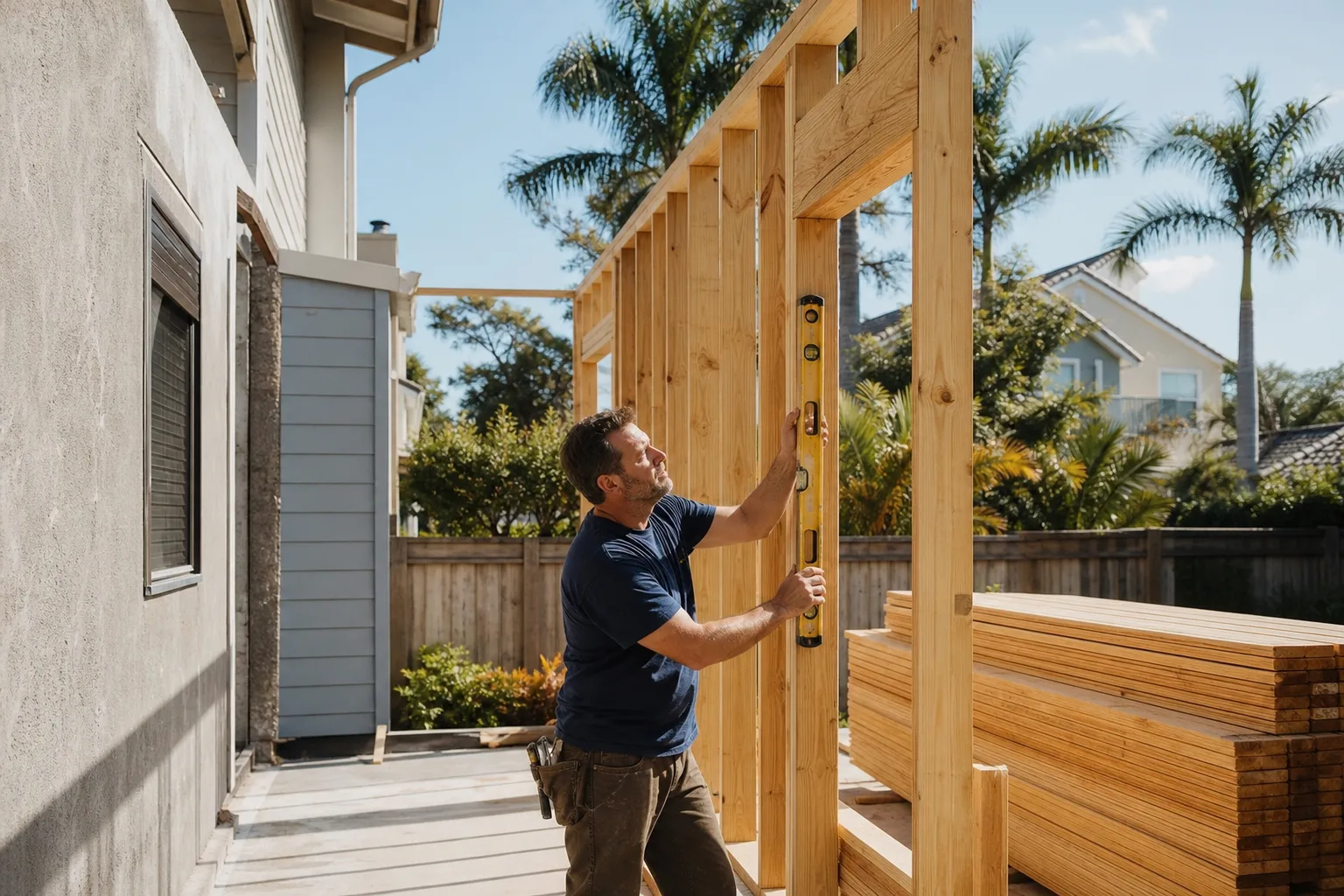
What a Written Change-Order Protocol Looks Like on a $150,000 Lancaster Project
Take a $150,000 home addition in Lancaster, roughly within our home addition range of $45,000-$130,000 on the smaller end with finish choices pushing higher. On a job that size, three to six change orders are typical over a four-to-six-month build – anything from a soil fix to a window upgrade to an electrical panel adjustment. Left verbal and unpriced, those same changes commonly add $22,000-$45,000 to the final invoice, a 15-30% overrun.
With Clause 1 in force, each change gets priced and signed before the crew proceeds. The arithmetic is the point: a job that starts at $150,000 and picks up four documented changes of, say, $2,000 each finishes at $158,000, which is genuinely within a few percent of where it started, not 25% past it. That discipline is why Rowan’s projects across 4,000-plus jobs have finished within a few percent of the agreed cost. The price is written on every trade, from kitchen remodeling through roofing and windows and doors.
Free second opinion, by the way: bring a competitor’s written estimate and we’ll review it line by line at no charge. That’s a standing offer, not a sales tactic.
Cost to Hire a General Contractor in Lancaster: Line-Item Ranges
Below are the ranges we quote for the trades a general contractor typically manages in Lancaster. The GC fee (10-20%) sits on top unless it’s already folded into the total. Every Rowan quote is a flat written price with a written scope and a written warranty – “call for a quote” isn’t how we work.
| Project | Typical Range |
|---|---|
| Home Addition | $45,000-$130,000 |
| ADU Construction | $90,000-$220,000 |
| Garage Conversion | $30,000-$80,000 |
| Kitchen Remodel | $14,000-$45,000 |
| Bathroom Remodel | $9,000-$28,000 |
| Roof Replacement | $8,000-$20,000 |
| Window Replacement | $4,500-$15,000 |
| Impact Window Installation | $8,000-$25,000 |
| Paver Driveway Installation | $7,000-$18,000 |
| Vinyl Fence Installation | $3,500-$9,000 |
Why desert-construction complexity justifies these numbers rather than obscures them: a roof here isn’t a temperate-climate roof. UV degradation on tile and composition shingles is faster, wind-driven sand erodes parapets and flashing, and fire-rated detailing on west- and south-edge parcels is a real cost. A bathroom remodel that includes a walk-in shower gets a membrane and waterproofing spec relevant to expansive-soil movement and hard winter freezes. We name the fixture brands we source – Kohler, Moen, Delta – so the numbers are honest, not padded. Explore our bathroom remodeling and driveway and pavers pages for the line-item detail.
Every quote is flat and written, backed by the 365-Day Done Right Promise: if it isn’t done right, we make it right. Background-checked, uniformed technicians. A live person answering calls 24/7. A documented photo record on every visit, included. The 4,000-plus projects behind that system were delivered to homeowners across the region, from the home base outward, including crews serving nearby Palmdale.
Questions Lancaster Homeowners Ask Before Hiring a GC
How much does it cost to hire a general contractor in Lancaster?
A general contractor in Lancaster typically costs $18,000-$45,000 in fees on a mid-sized residential project, calculated at 10-20% of total construction cost. On a $150,000 addition, expect the GC portion around $15,000-$30,000. Call (844) 797-3312 for a free, written flat-price estimate – the number comes before any work starts.
Is it cheaper to repair or replace when a Lancaster remodel uncovers a problem?
It depends on what’s found, which is why we price it in writing before touching a tool. Slab movement or caliche hardpan discovered mid-project can often be engineered and repaired, while compromised framing or a failing roof deck may favor replacement. Either way, the decision gets a signed change order with a number, so you’re choosing between two figures, not guessing. Estimates are free – call (844) 797-3312.
Can you come out the same day for an estimate?
We take calls 24/7 with a live person, and we schedule Lanaster estimates quickly, with same-day availability when the schedule allows. Bring a competitor’s written bid and we’ll review it line by line at no charge, via our free second opinion. Call (844) 797-3312 to confirm today’s openings.
Why do Lancaster contractors’ final bills run over the original bid?
Most overruns come from undocumented change orders, not the GC fee – typically 15-30% above the original number on jobs with no written change protocol. Expansive clay soils and buried boom-era grading debris make mid-project discoveries common here. A signed change-order requirement, like Clause 1 of The Haven Standard, prevents that overrun before it happens. Call (844) 797-3312 to get a quote that holds.
Get the Number in Writing Before Anyone Picks Up a Tool
If a low bid doesn’t come with a written change-order protocol, it isn’t a low bid – it’s an opening figure. Rowan Construction Group puts the price in writing on every trade, prices every change before work continues, and backs it with the 365-Day Done Right Promise. Call (844) 797-3312 for a free estimate today. We’ll show you the scope, the price, and the documentation before a single tool moves.
Written by the team at Rowan Construction Group Lancaster.
What Our Customers Say
"Good communication throughout. Weekly written update meant I never had to chase them."
- Nadine G."Fence and retaining wall along a sloped boundary. They photographed the footing depth at each post, which mattered when the county inspector came."
- Iona F."Final invoice was within two percent of the contract. Every change was priced and signed before anyone picked up a tool."
- Malcolm T.