



Free written scope consultation - allowances, timeline, and change-order rules on paper before a single trade is scheduled
Styles & brands we work with
- Kitchen remodeling
- Bathroom remodeling
- Home additions & ADU
- Roofing
- Windows & doors
- Driveway & pavers
- Fence
See the difference
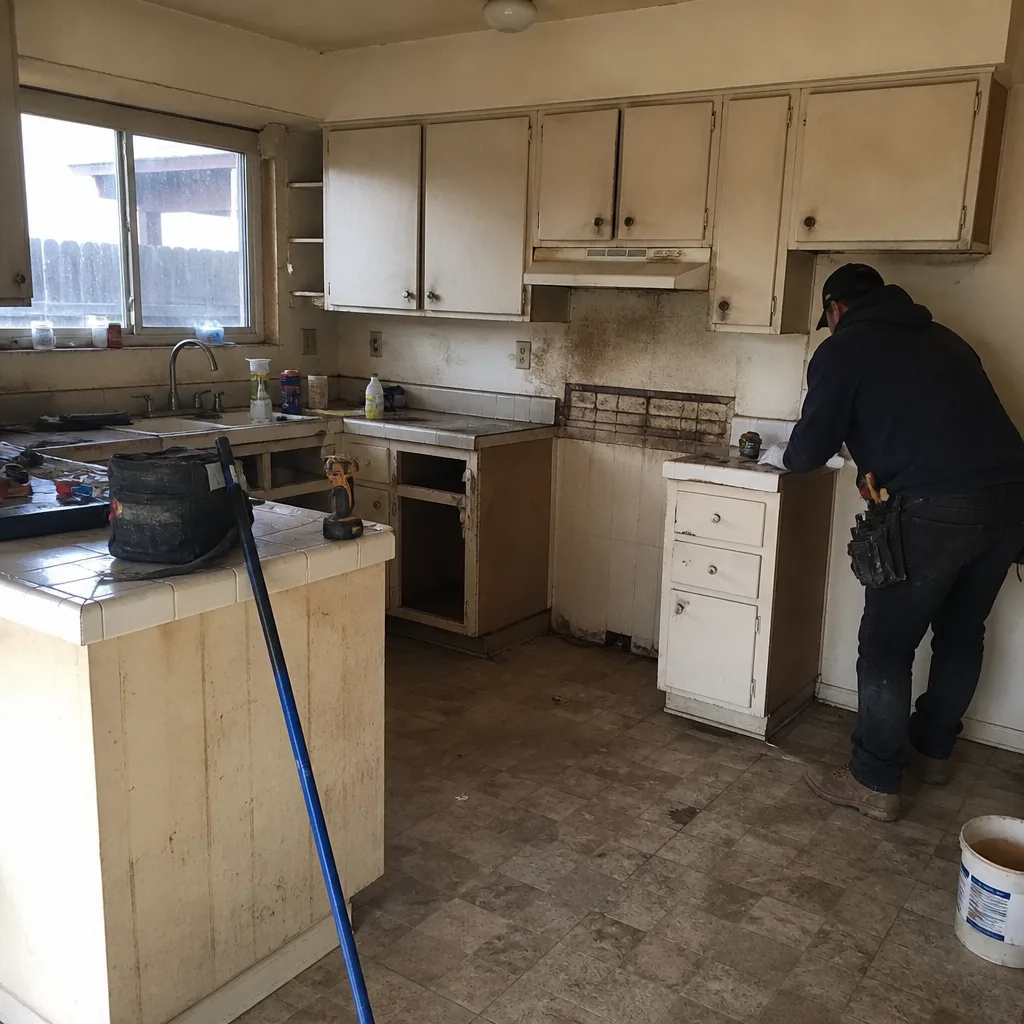 Before
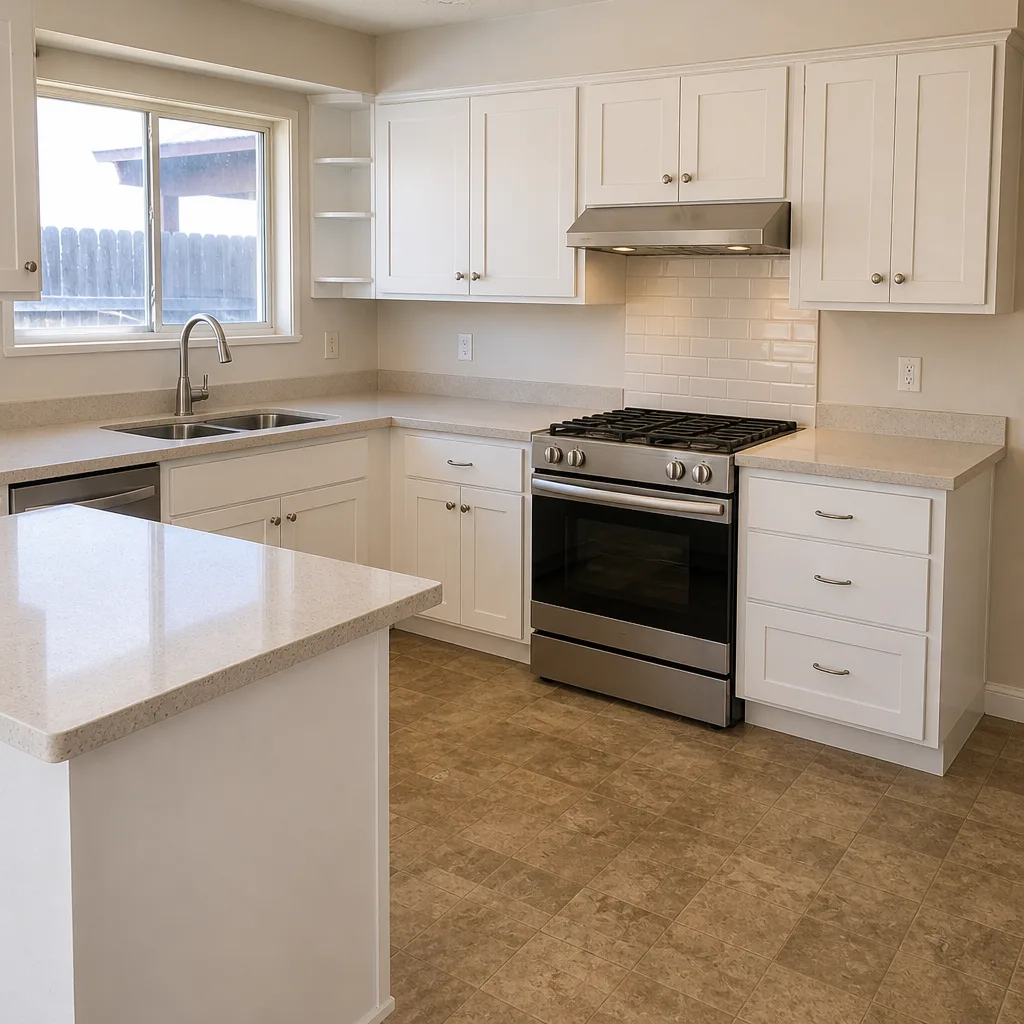 After
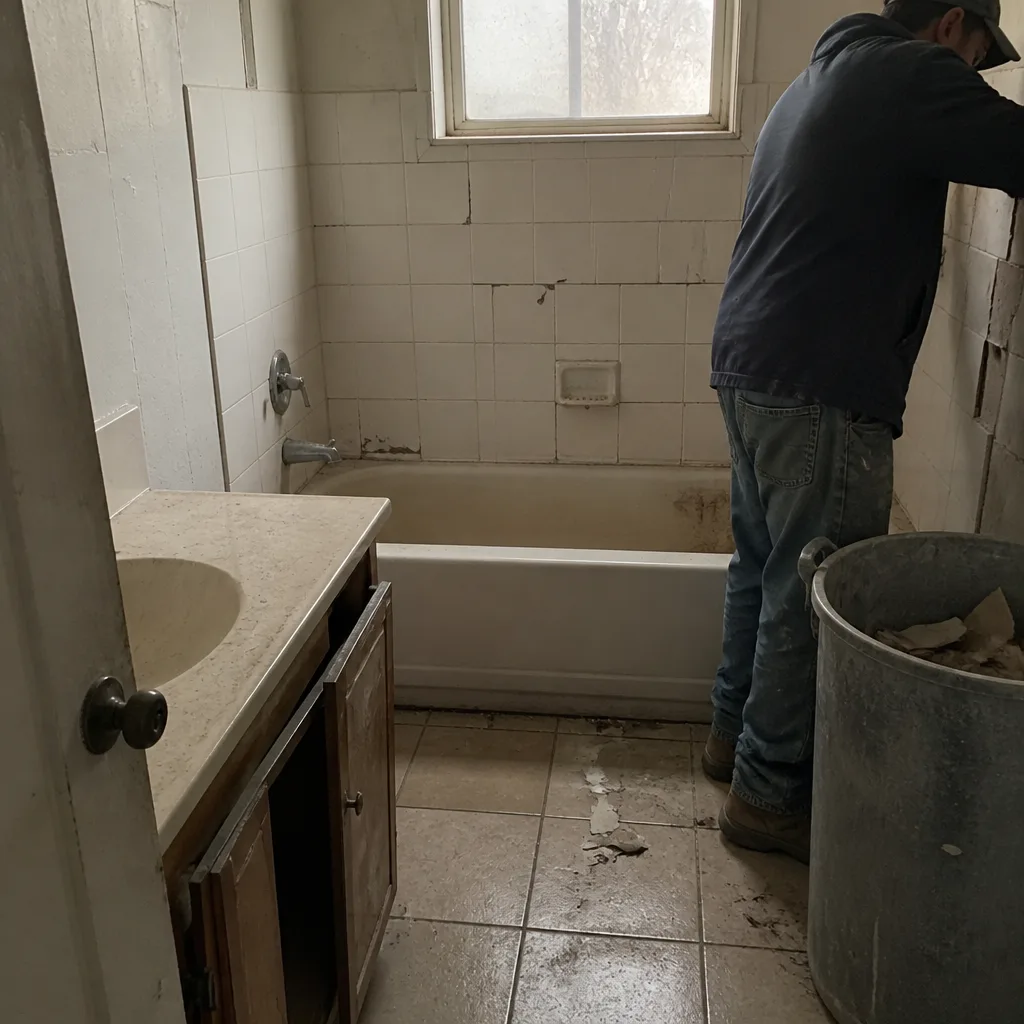 Before
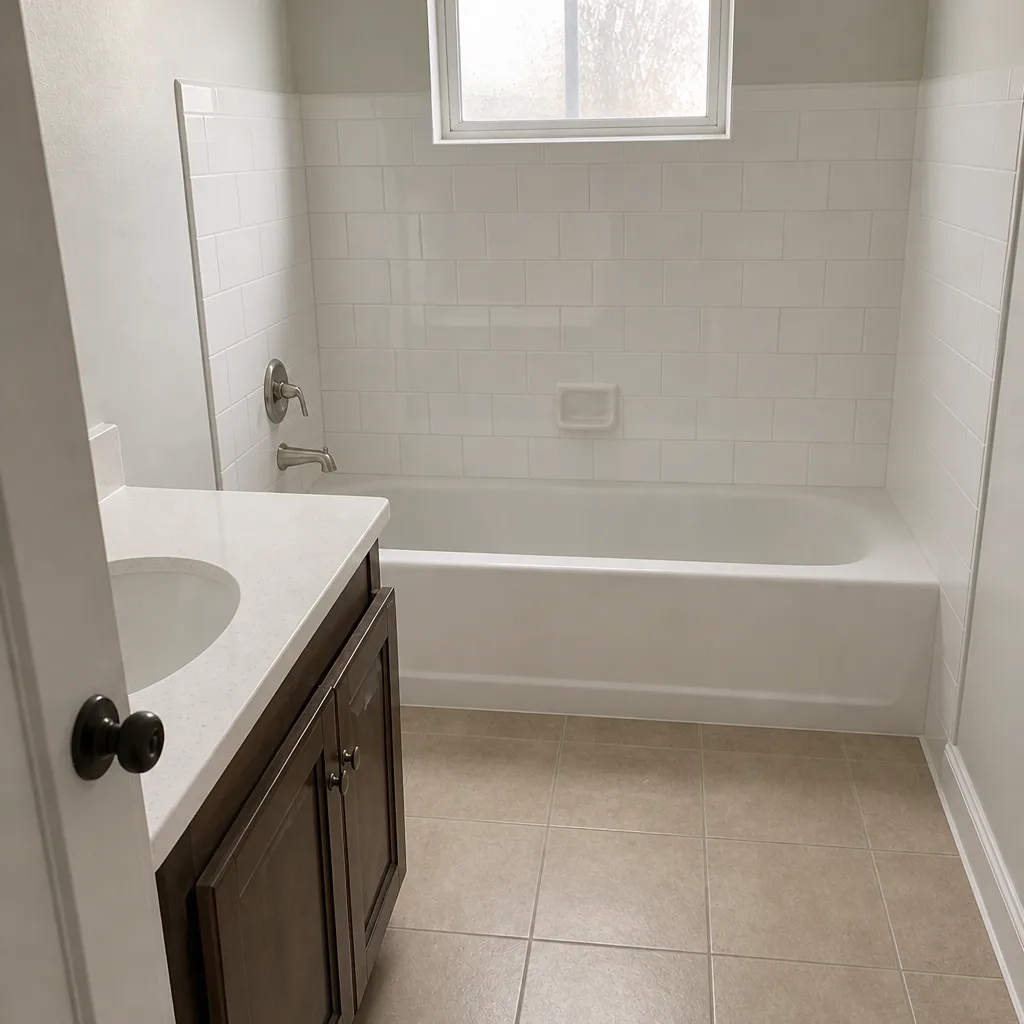 After
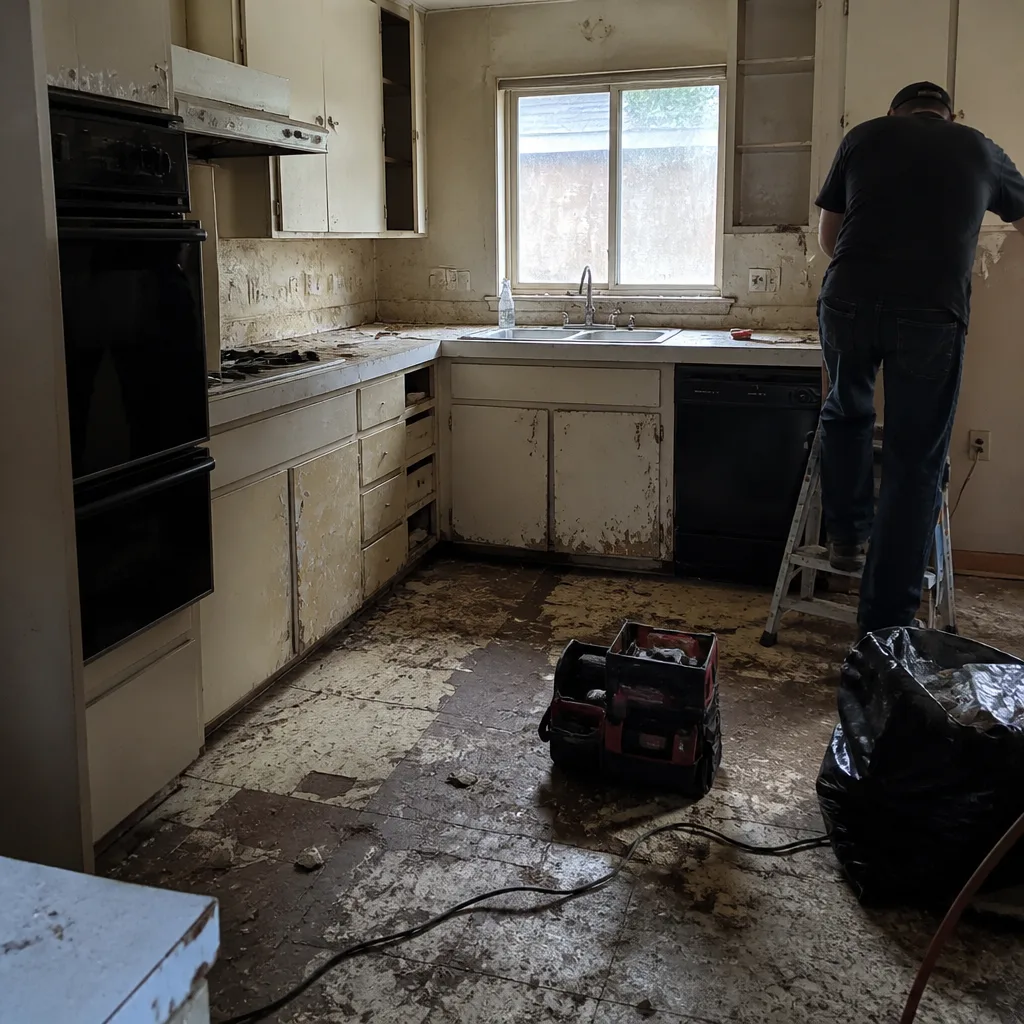 Before
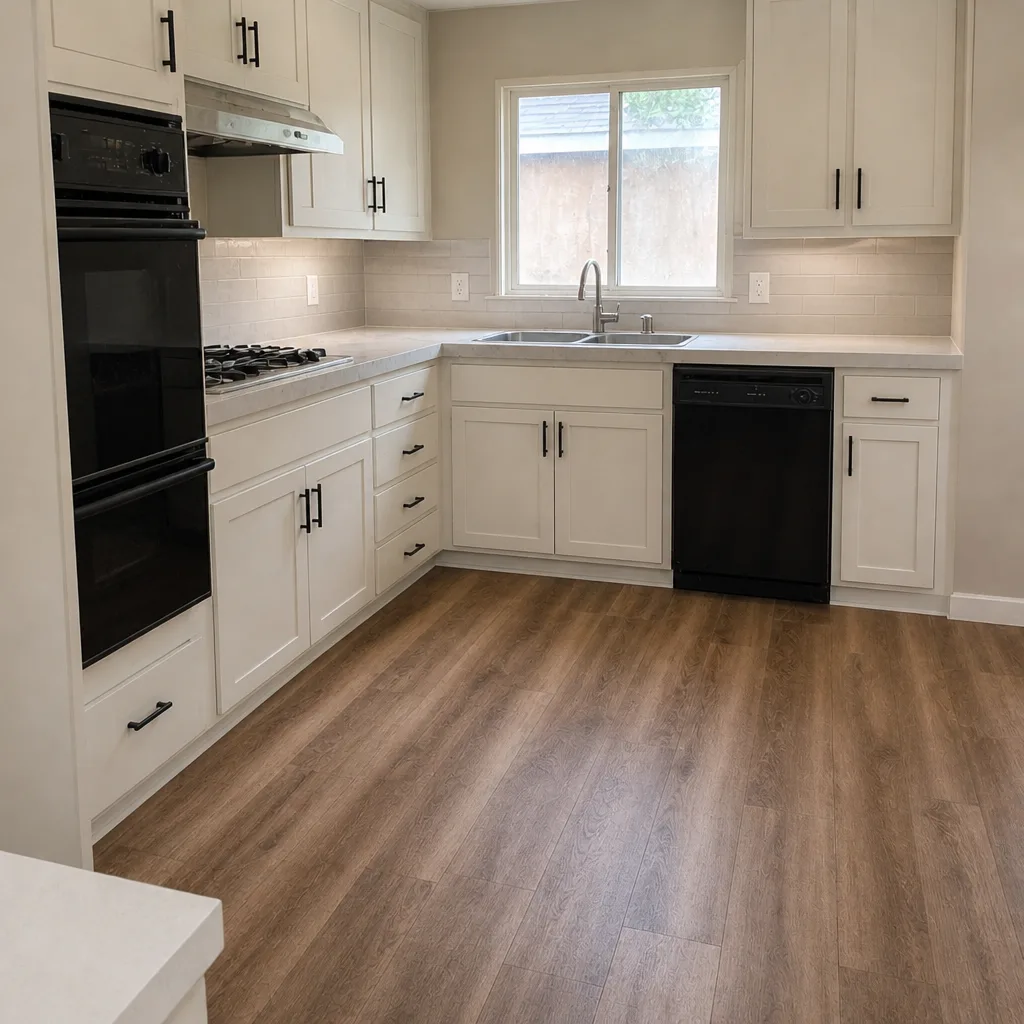 After
General Contractor vs Handyman in Lancaster, CA: Which One Keeps You Covered?
Choose a licensed general contractor when the work needs a permit, changes the structure, or touches anything an inspector has to sign off on – and in Lancaster, that starts earlier than most homeowners expect. Use a handyman for surface repairs under California’s $500 threshold that need no permit and no engineered connection. The decision is really about liability, because in this market an unpermitted addition becomes a disclosure item at resale. Call (844) 797-3312 for a free second opinion on any written estimate before you choose.
The $500 Line, and What It Means in Lancaster
California law draws the line at a combined $500 in labor and materials for a single project. Above that, the person doing the work must hold a contractor license – a B general building license, a C-10 for specialty trades, or a trade-specific classification. Below it, a handyman can operate legally without one.
The catch is what a handyman cannot do at any price: pull a permit. No permit means no inspection, and no inspection means no final sign-off. That gap does not disappear. It shows up on a title report years later, and in Lancaster’s hotter resale market, buyers order third-party inspection reports that flag both the missing permit and the workmanship behind it.
Local housing makes this sharper. A large share of Lancaster’s stock is mid-century-to-1990s tract housing, mostly stucco-over-wood-frame on slab-on-grade foundations, plus a deep inventory of manufactured homes and rural parcels on private wells and septic. Expansive clay soils are common in parts of the valley, and slab movement is a recurring remodel and addition problem. A patio cover bolted down without the right footing, or a bedroom bump-out framed without engineered connections, is not a cosmetic shortcut – it is a defect written into the property record.
Three Lancaster Conditions That Demand a License
Wind, wildfire exposure, and soil are the reasons “just hire a handyman” stops working here. Each one turns an unpermitted project into a personal liability question.
- Wind uplift. Lancaster sits in a high-wind zone, and the Antelope Valley’s spring and summer gusts hammer west-facing walls until stucco pits and erodes. Structural connections – patio cover anchors, addition framing, roof-to-wall ties – need engineered uplift specs. Only a licensed contractor can certify those connections, and an inspector will not final the work without them.
- Wildfire-interface exposure. Roof and exterior assemblies on the west and south edges of town often need stricter fire-rated detailing, and the valley has a history of wind-driven grass fires. If an uninsured contractor’s work contributes to a fire event, the property owner can be left holding the exposure. A licensed GC carries a bond and general liability insurance. Ask for both before anyone lifts a tool.
- Expansive clay and caliche. Slabs poured without proper treatment over expansive soils crack and heave. That is a foundation problem, not a punch-list item, and it is the kind of repair a handyman will quietly decline.
Two minutes on the roof, one honest number
Roofing is where the difference shows fastest. UV degradation is severe at this elevation, roughly 2,300 to 2,400 feet, and composition shingles from a brand like IKO or Tamko still take a beating from blowing sand. A handyman can chase a leak. A licensed roofer can tell you the shingle layer count, describe the condition of the decking and flashing, and hand you a written price before anyone climbs up. We use real trade vocabulary – membrane, soffit, weep screed, uplift tie – and explain it in the same sentence, so you can compare two written quotes line by line instead of guessing.
Side-by-Side: What Each Option Actually Covers
| Question | Handyman | Licensed GC (Rowan Construction Group Lancaster) |
|---|---|---|
| Can pull a permit? | No, by law | Yes |
| Work inspected and finaled? | No | Yes |
| Workers’ compensation? | Rarely | Yes, on every crew |
| Bond and general liability? | Usually none | Yes |
| Engineered uplift certification? | Cannot provide | Yes, for structural work |
| Written price before work starts? | Often verbal | Always, with a written scope |
| Change orders | “While I’m here” additions | Signed before any new work |
| Typical range | Small repairs | Kitchen $14,000-$45,000; bath $9,000-$28,000; roof $8,000-$20,000; addition $45,000-$130,000; ADU $90,000-$220,000 |
The row homeowners underestimate is workers’ compensation. A handyman working inside your home unsupervised without coverage transfers injury liability to you under California law. Background-checked technicians are table-stakes for any project where someone is alone in your house, and a live person answering the phone matters when something goes wrong on a Saturday.
The “While I’m Here” Problem, Priced Honestly
Most handyman invoice surprises are not fraud. They are scope creep. You approve a $400 repair, and by the time the job is done it is $900 because three things got added in conversation. Nobody wrote it down.
Rowan Construction Group Lancaster was built around the opposite discipline. No work proceeds on a change until the change order is signed. That single rule is why projects finish within a few percent of the number the customer agreed to – not because anyone is unusually virtuous, but because the paperwork makes the alternative impossible. Every visit also comes with a documented photo record as a standard deliverable, so you have evidence of what was found and what was done. And the 365-Day Done Right Promise means if something is not right, we make it right.
Bring a competitor’s written estimate and we will review it line by line at no charge. That offer applies whether the other bid came from a handyman or a licensed general contractor.
The Practical Rule of Thumb
If the job needs a permit, touches structure, involves roofing or wind-rated assemblies, sits near a wildfire-interface zone, or involves work over $500 in labor and materials, hire a licensed contractor. If it is a closet door, a faucet, or a patch of drywall, a handyman is fine and often cheaper. When the scope is genuinely unclear, get one written price from a licensed contractor and one written price from a handyman, then compare what each one includes. The number on the page tells you more than the pitch on the phone.
For a broader look at what we handle across all seven trades, our home page lays out the full range from kitchen and bathroom work to driveway pavers and home additions.
FAQs
A handyman is cheaper up front, usually by a wide margin, but only for work that needs no permit. Once a project crosses California’s $500 labor-and-materials threshold or requires an inspection, the handyman price stops being a real comparison, because the work cannot be legally finaled. Unpermitted work can cost more to correct at resale than the licensed job would have cost the first time. Call (844) 797-3312 for an exact written quote – estimates are free.
No. A handyman cannot pull a permit, which means the work cannot be inspected or finaled, and that gap appears on title reports later. Structural additions, patio covers, roofing, electrical, and plumbing all require a licensed contractor to permit the job. If someone offers to “handle the paperwork,” ask to see the license classification before you agree.
Yes. A room addition of any size requires a permit, and Lancaster’s wind zone means even a modest bedroom bump-out needs structural connections built to engineered uplift specs that a handyman cannot stamp or certify. Home additions in Lancaster typically run $45,000-$130,000, and ADU construction runs $90,000-$220,000. Call (844) 797-3312 for a written price with a written scope before any work begins.
Yes, in two ways. Unpermitted work becomes a material disclosure item at resale, and an uninsured contractor whose work contributes to a fire or injury event can leave the loss with the property owner. A licensed GC carries a bond and general liability coverage, and every crew should be background-checked. Ask for proof of insurance and workers’ compensation before work starts.
If you’d rather have it looked at than argued about, Rowan Construction Group Lancaster offers a no-pressure assessment in Lancaster – call (844) 797-3312 for a free estimate. Our technicians have up to 19 years of experience, and the written price arrives before anyone picks up a tool.
Written by the team at Rowan Construction Group Lancaster, serving Lancaster, CA.