Free written scope consultation - allowances, timeline, and change-order rules on paper before a single trade is scheduled
Styles & brands we work with
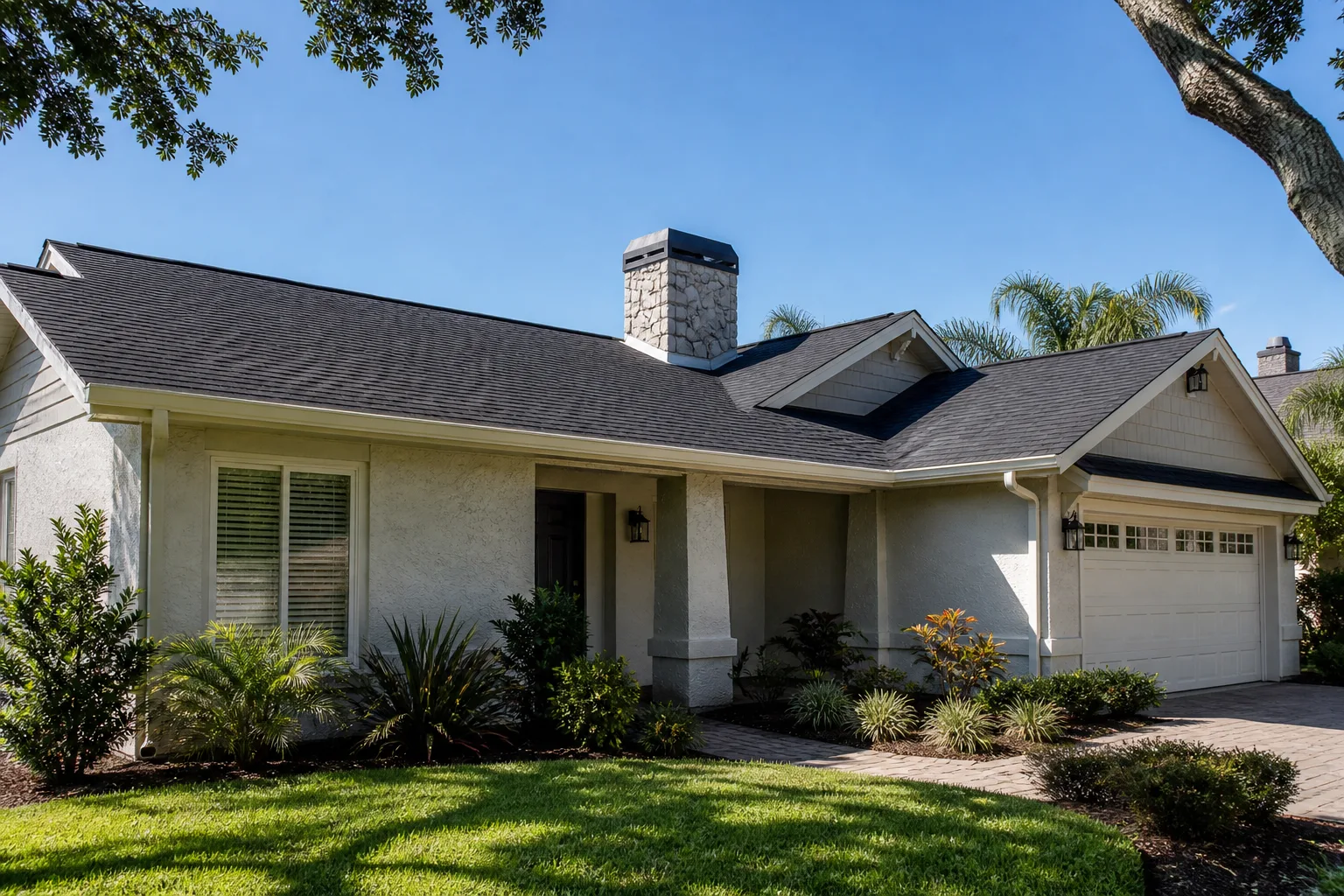
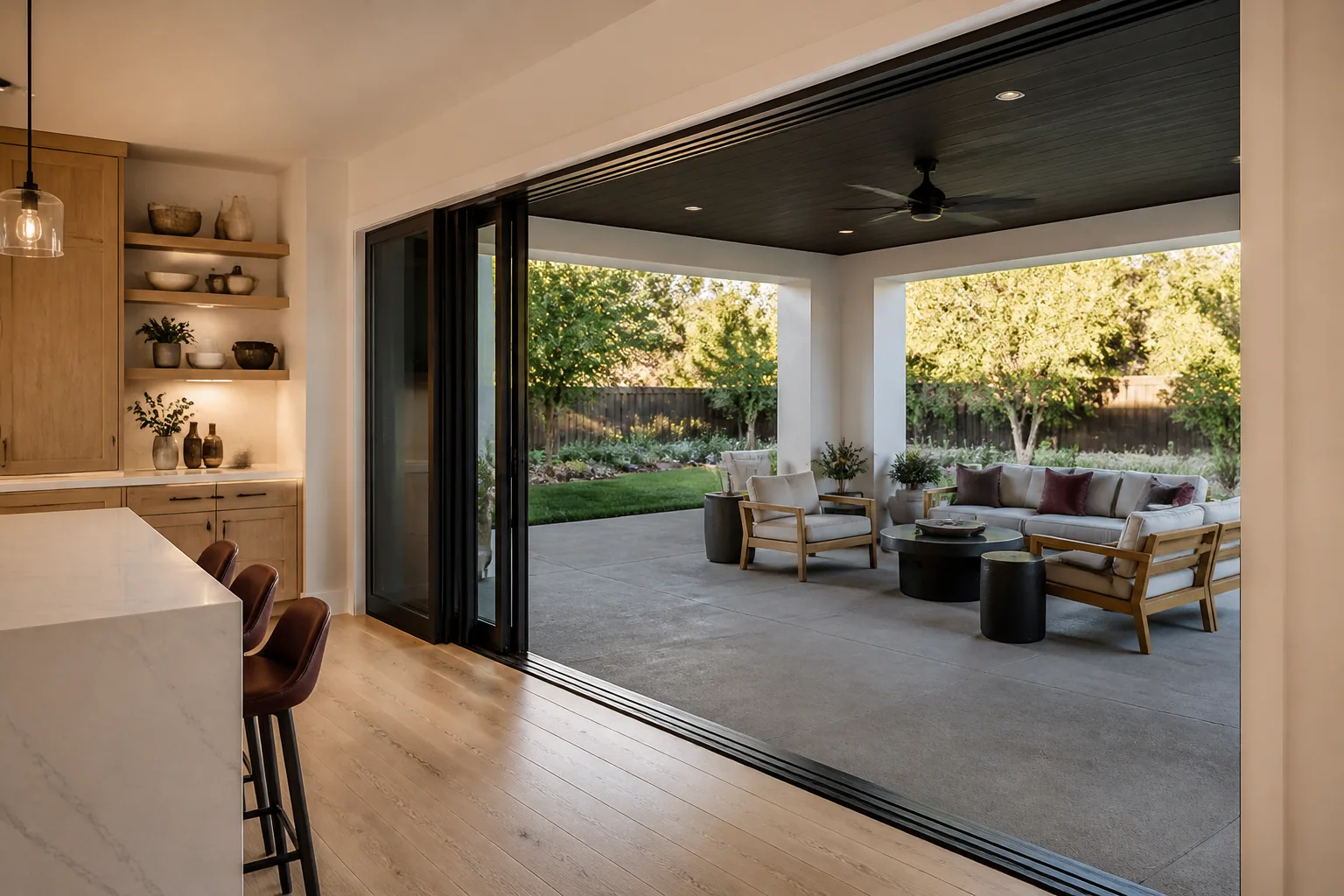
- Kitchen remodeling
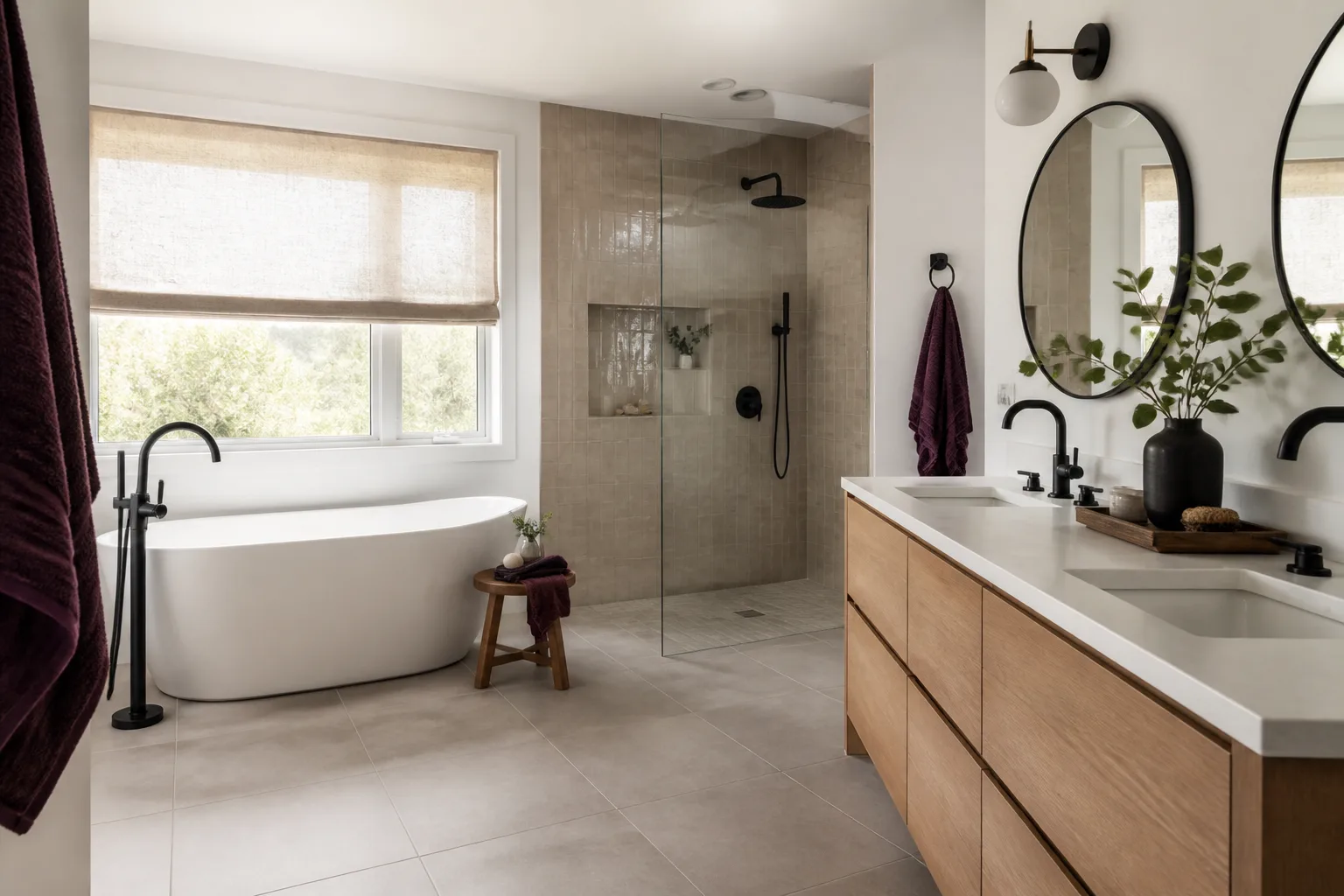
- Bathroom remodeling
- Home additions & ADU
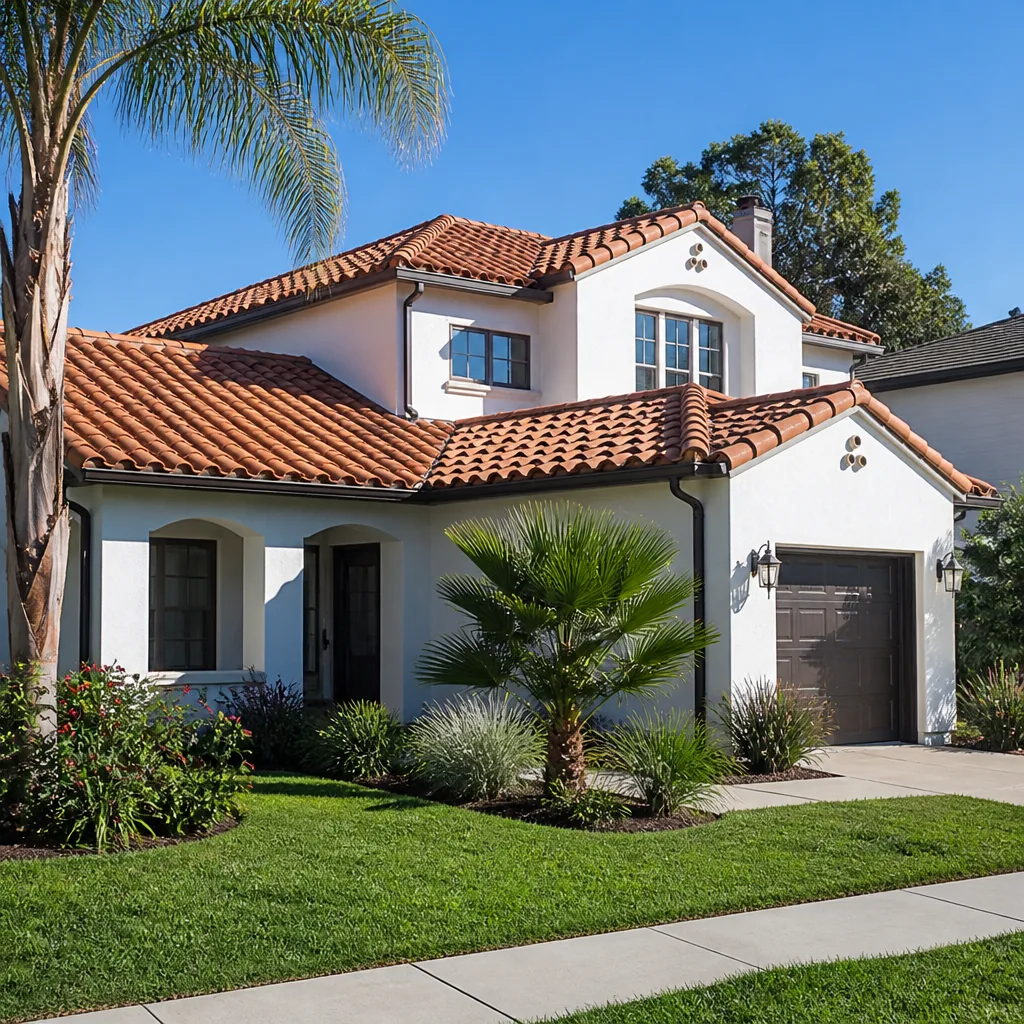
- Roofing
- Windows & doors
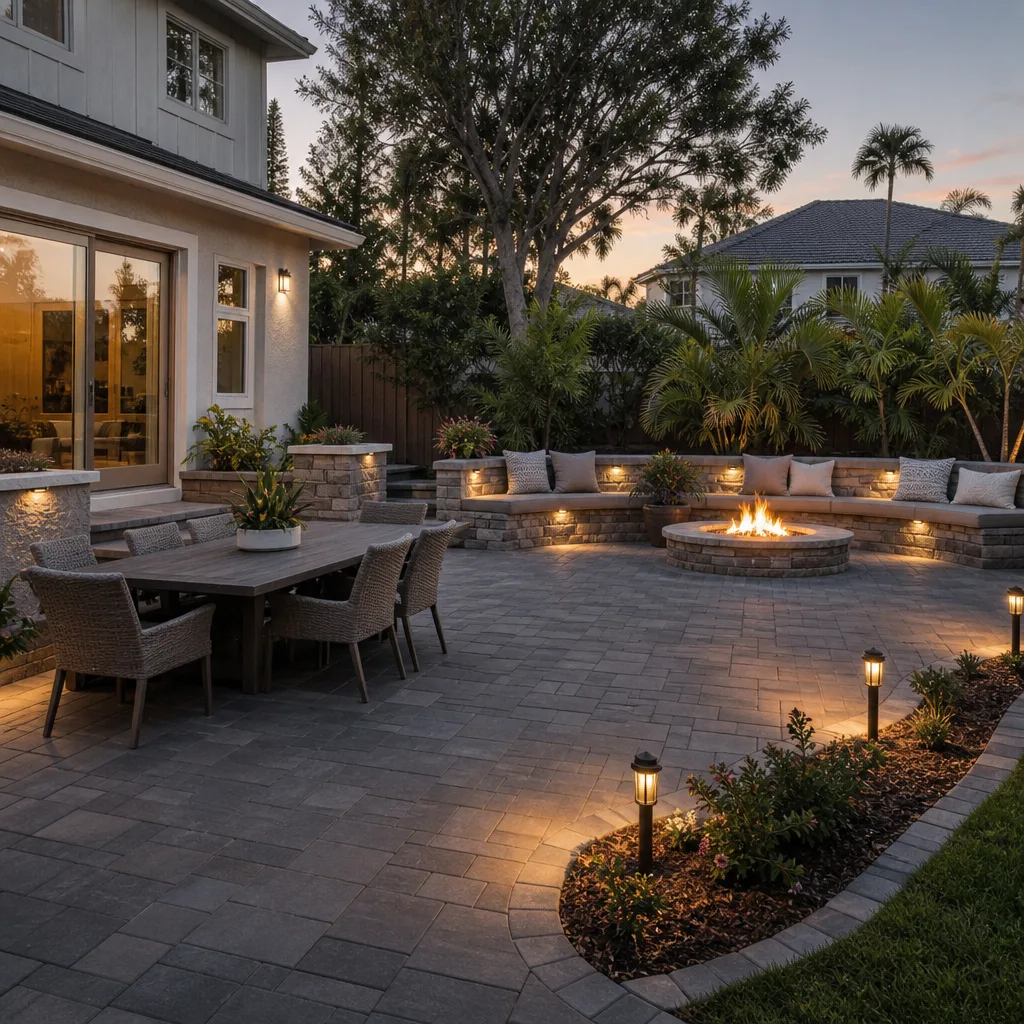
- Driveway & pavers
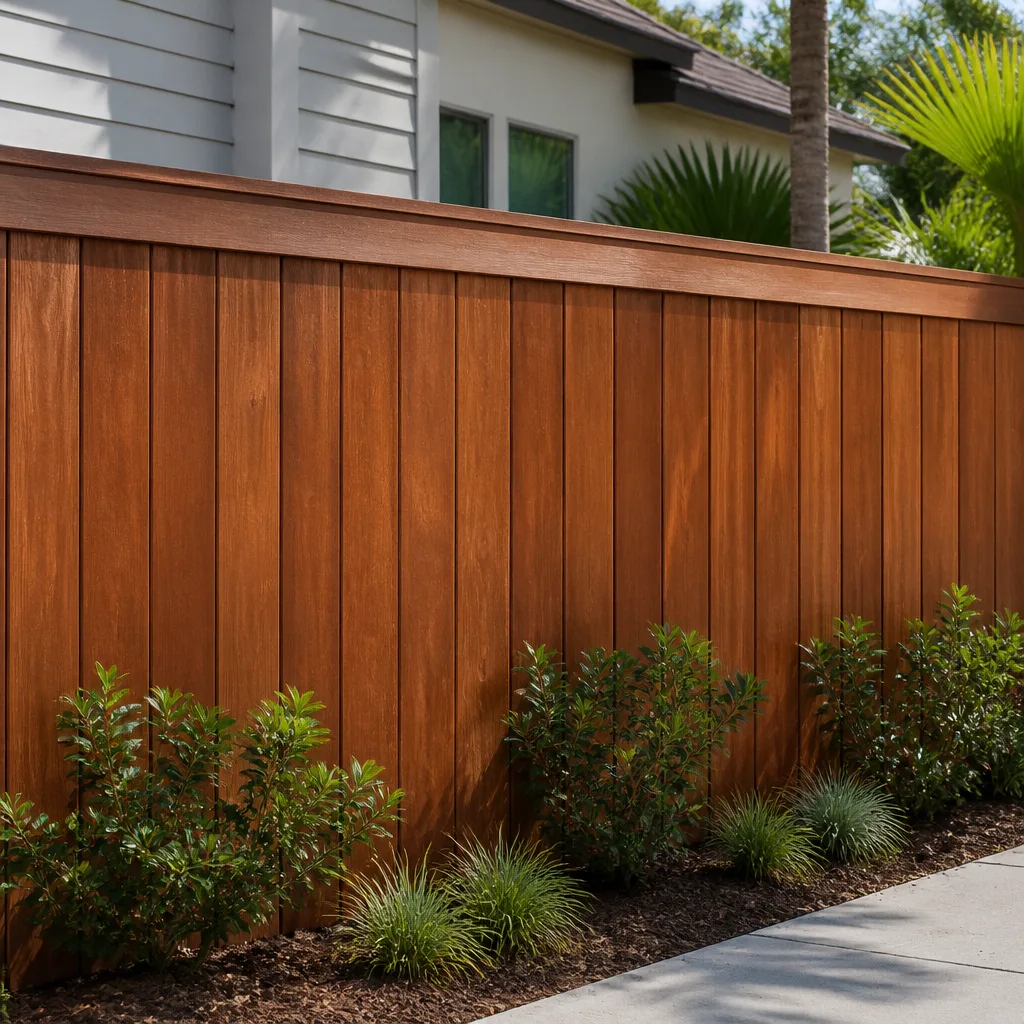
- Fence
See the difference
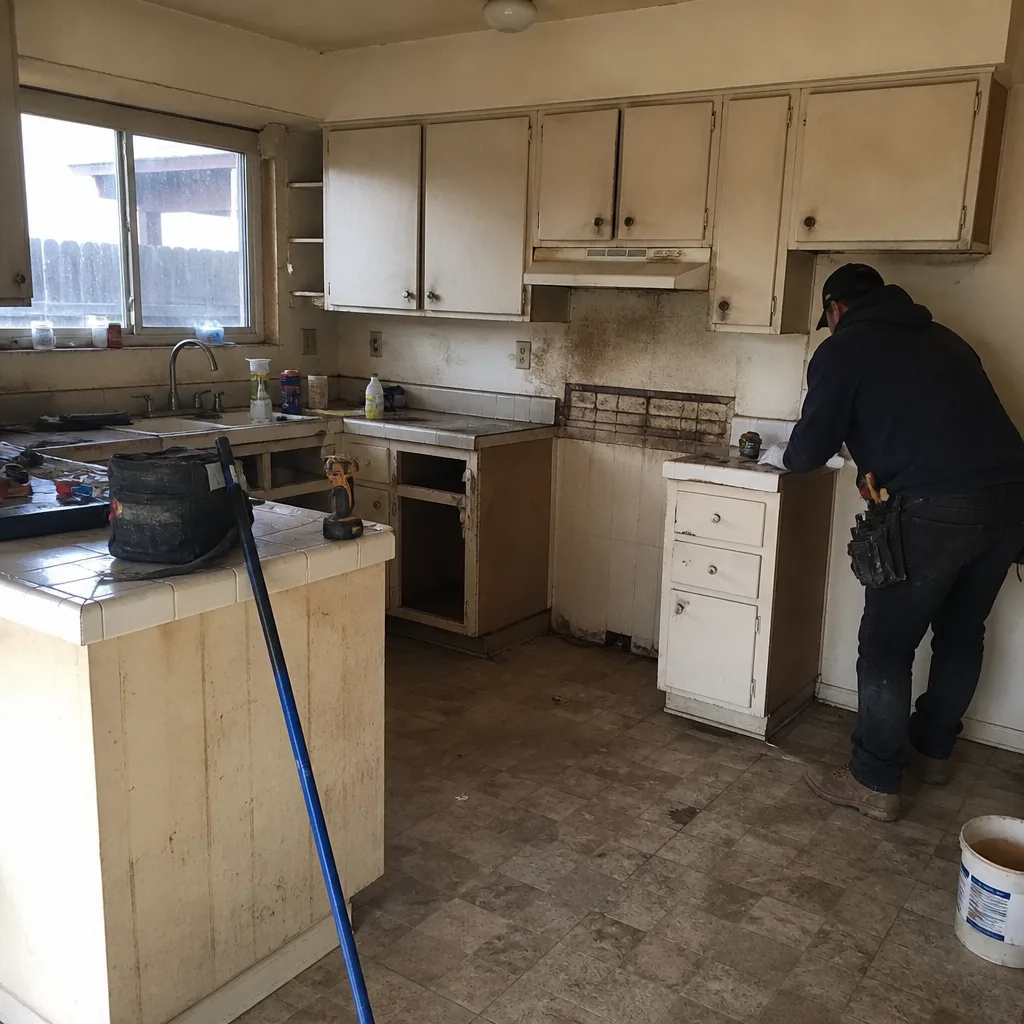 Before
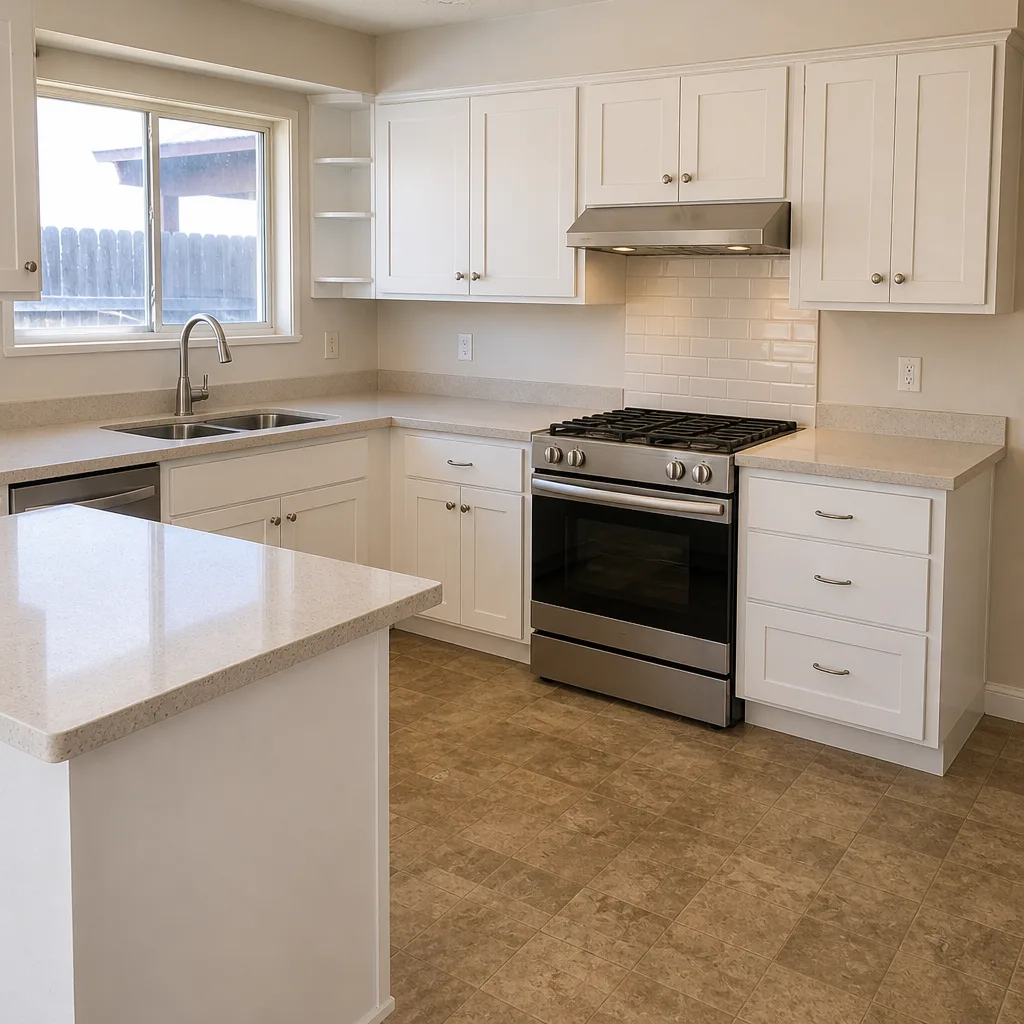 After
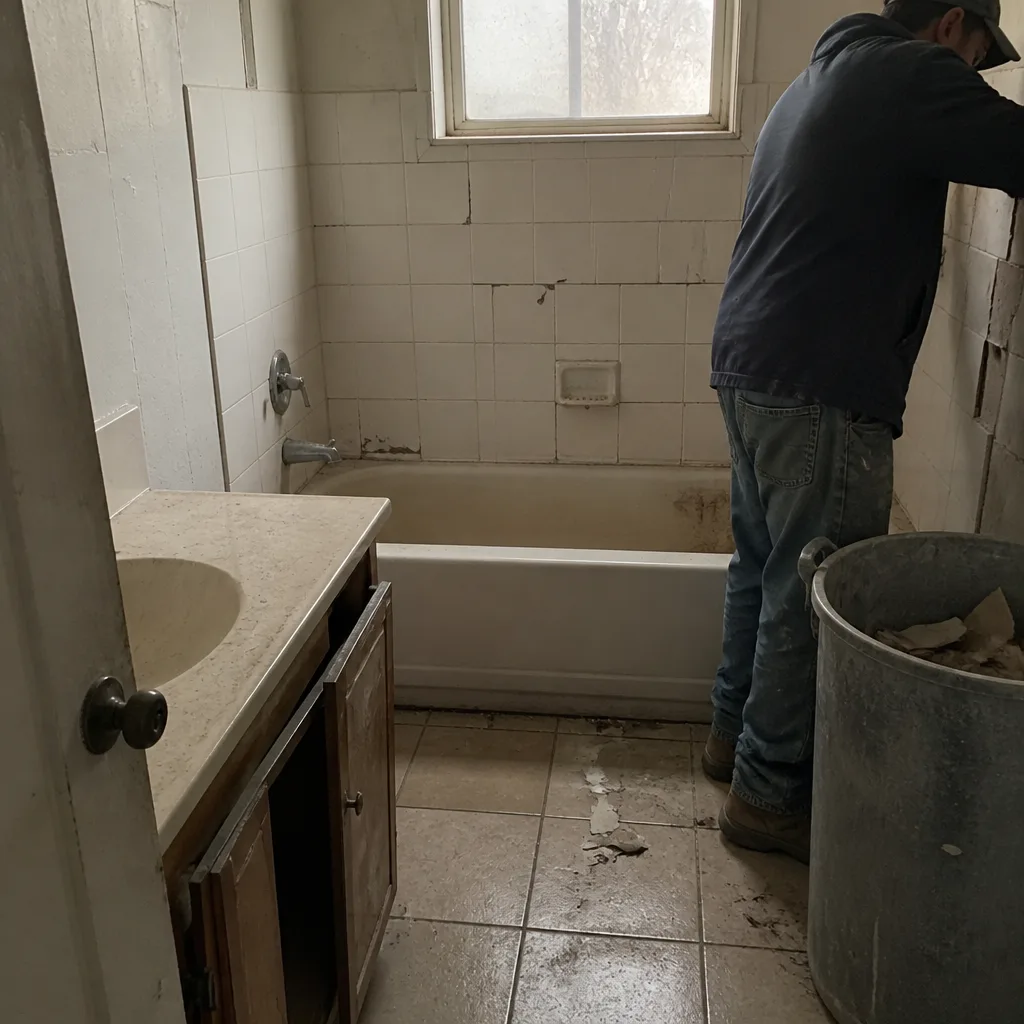 Before
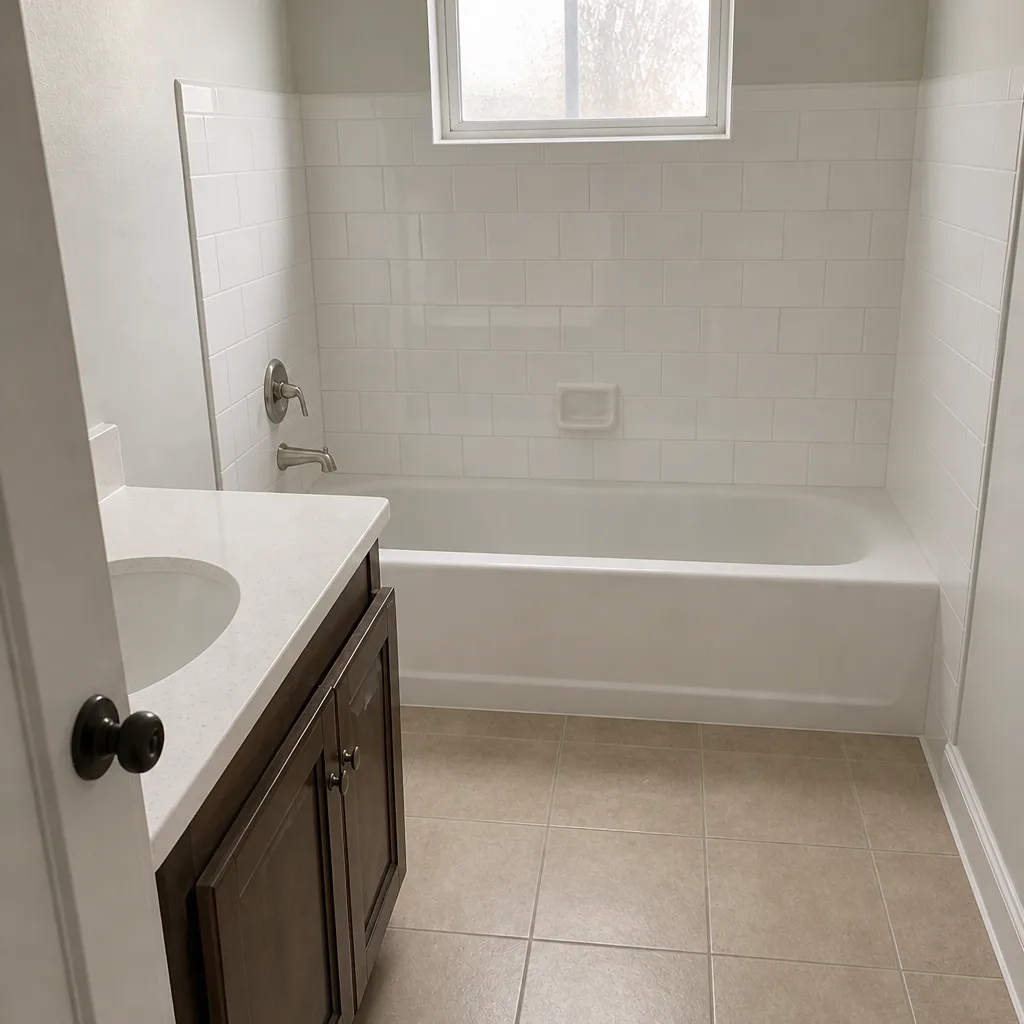 After
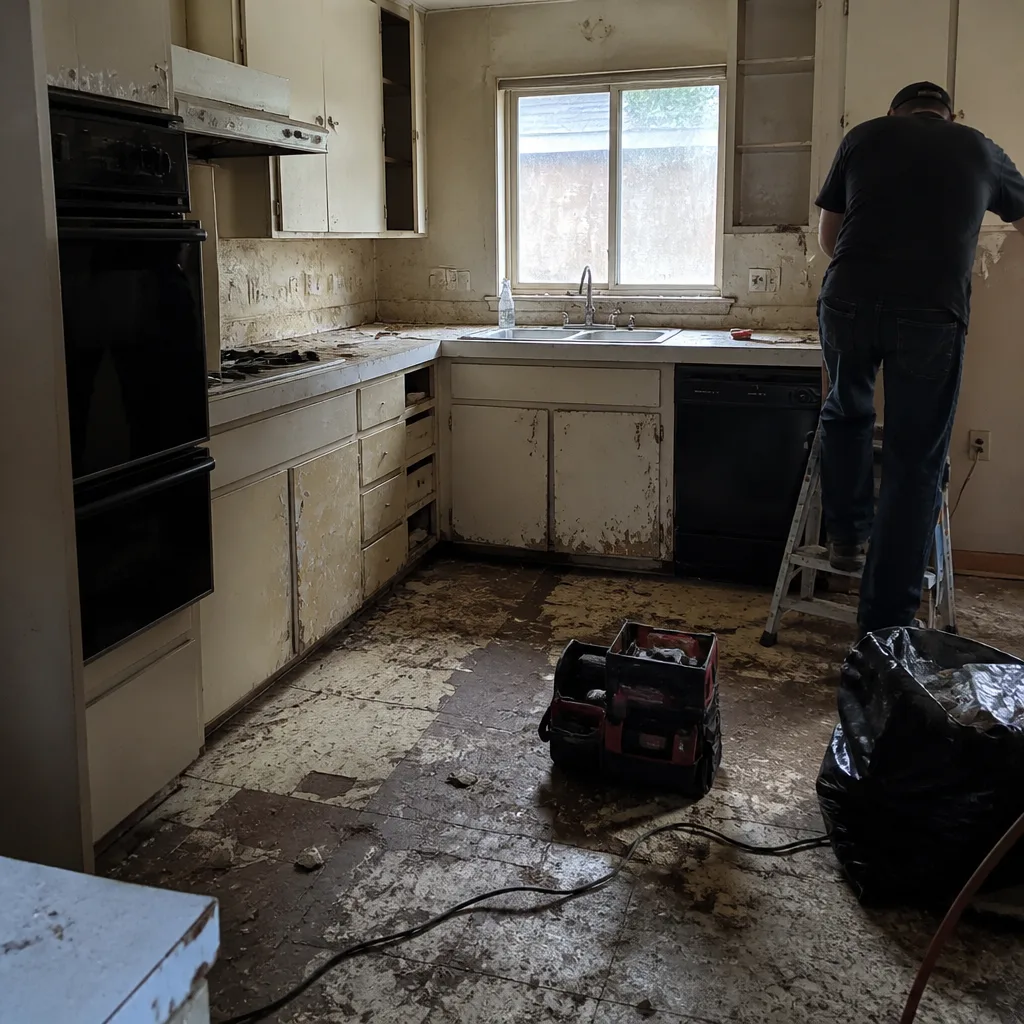 Before
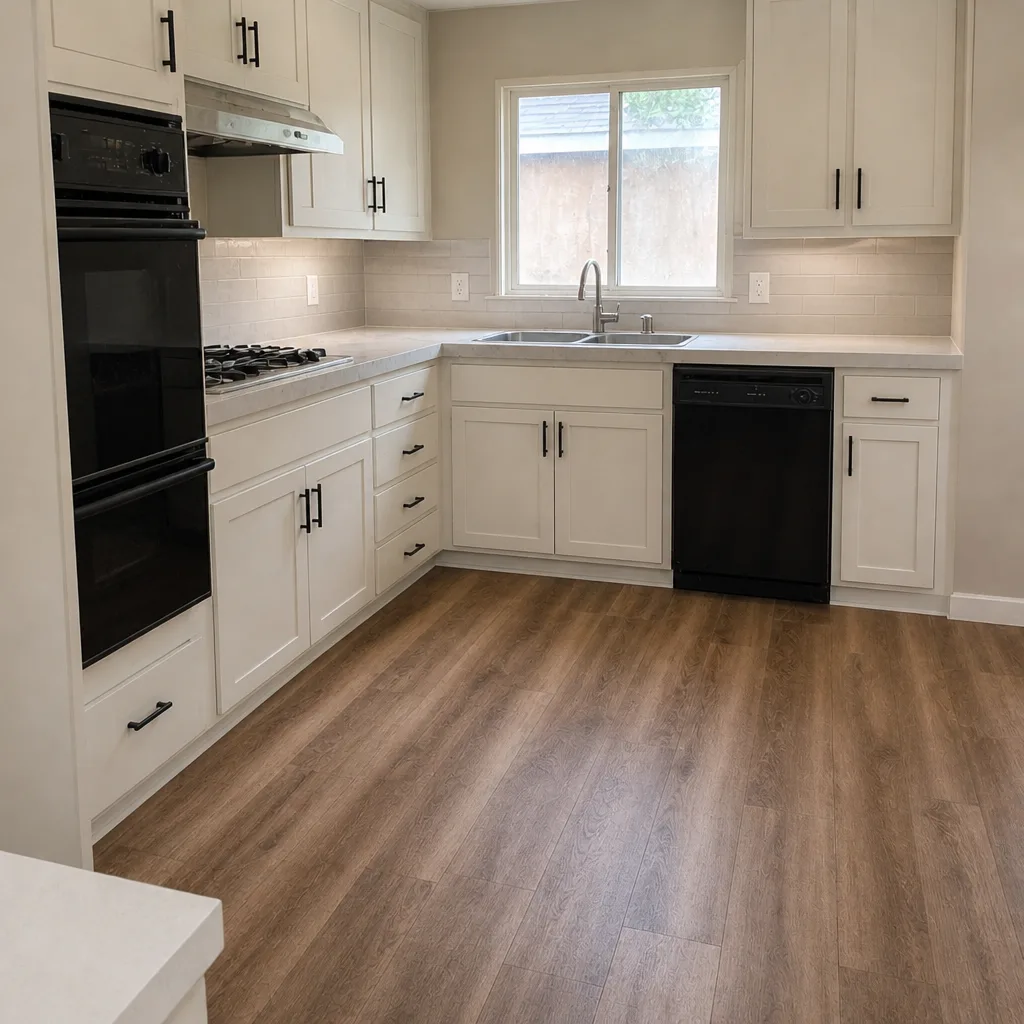 After
How to Choose a General Contractor in Lancaster, CA: Ask for a Signed Change Order
The fastest way to choose a general contractor in Lancaster is to ask one question most hiring guides skip: show me a signed change order from a past project. A contractor who uses written, signed approvals keeps your final invoice close to the number you agreed to. A contractor who runs on verbal “we’ll figure it out” approvals almost always bills over. Call Rowan Construction Group Lancaster at (844) 797-3312 for a free second opinion on any written estimate you’ve already received.
Every guide tells you to check the license and get three bids. Neither step tells you whether your $95,000 project finishes near $95,000 or near $114,000. That gap lives in change-order discipline, and in Lancaster it matters more than in most of Southern California. Here’s why, and the exact questions to ask before you sign.

Why Lancaster’s Housing Stock Makes the Change-Order Question Critical
Lancaster sits at the western edge of the Mojave Desert at roughly 2,300 to 2,400 feet, where summer highs hit triple digits and the day-to-night swing runs 30 to 40°F. Construction here is desert construction. A large share of the city’s housing is mid-century-to-1990s tract stock, much of it stucco-over-wood-frame with slab-on-grade foundations. Three conditions follow, and each one generates mid-project discoveries.
- Slab-on-grade foundations hide plumbing. When a remodel reaches under the slab and the drain line is galvanized pipe at the end of its life, the fix is a saw-cut, a trench, and a re-pour. That’s a real cost that doesn’t appear in any initial bid because no one saw it until the concrete opened.
- Expansive clay soils move slabs. Parts of the Antelope Valley sit on expansive clay, and foundation and slab movement is a recurring remodel and addition issue. Footing conditions that looked fine on paper can require engineering and a changed scope once excavation starts.
- Aging materials must be upgraded when touched. Homes built during the 1980s-2000s boom commonly used single-pane aluminum windows and R-11 insulation. Once a permitted remodel opens that wall, code requires bringing the assembly current. That’s a legitimate mid-project cost, and it needs to be written down before the work proceeds.
Blowing sand and spring and summer gusts also pit and erode stucco on west-facing walls, and the area’s high-wind and wildfire-exposure zones push roof and exterior assemblies toward stricter fire-rated and wind-rated detailing than standard inland LA-county work. Desert construction demands assembly specs a temperate-climate contractor may never have priced.
None of this is a scare tactic. It’s the operating reality of building in Lancaster, and it’s exactly why the change-order question separates a documented contractor from an enthusiastic one. Under Clause 1 of The Haven Standard, a written price is delivered before anyone picks up a tool. And no work proceeds on a change until the change order is signed. That single administrative step is the reason our 4,000-plus projects have finished within a few percent of the agreed cost. If you want to see how that plays out in a specific trade, start with our home page.
The Five Questions Lancaster Homeowners Should Ask Every GC
Bring this script to every interview. The answers tell you more than any brochure.
- Can you show me a signed change order from a past project? You want to see the actual document: a written scope change, a written price, and a customer signature. Verbal approval systems are the single biggest predictor of an invoice that overshoots the bid.
- What is your process when excavation hits something unexpected? The right answer names a stopping point, a written scope, and a price before work resumes. The wrong answer is “we’ll take care of you.”
- How do you handle a scope change I request mid-project? A kitchen change from a $2,000-$6,500 countertop install to something different should generate a signed order, not a conversation and a revised invoice at the end.
- Are your subs background-checked and uniformed? A general contractor coordinates trades. If the framing, plumbing, and electrical crews aren’t verified before they arrive at your door, your project’s quality and safety are only as good as the worst sub on site.
- Who answers the phone on a Saturday at 7 PM? A live person, or a voicemail box? Water intrusion and a failed rough-in don’t wait for Monday.
What a CSLB License Check Actually Tells You (And What It Doesn’t)
A CSLB license confirms the contractor is legal to operate – nothing more. It says nothing about change-order discipline, whether their insurance is current, or whether they background-check subs. Use the lookup, then read the right fields.
- License status and classification. Confirm “Active” and that the classification matches residential construction work.
- Expiration date. A lapsed license at your project’s start leaves you exposed.
- Workers’ compensation and bonding. The record shows whether coverage is on file. Ask for a current certificate, not an old one.
- Complaints and disciplinary actions. Read them. The three-star reviews and the formal complaints together tell the story a five-star page hides.
The license check clears the legal bar. The paperwork standard below is what clears the quality bar – and it’s the part no lookup will show you.
The Documentation Standard: Three Paperwork Items That Separate Contractors
The paperwork is the project. Three items you should be able to see before you hire:
- A photo record of every visit. Included as a standard deliverable, not an upgrade. You get evidence of what was found and what was done – a photo of the substrate condition, the shingle layer count, the tile membrane, described in plain terms.
- A written material spec with brand names and model numbers. Not allowances. If the quote says “cabinets” instead of KraftMaid or Wellborn, or “countertops” instead of Cambria or Caesarstone, or “roofing” instead of GAF or Owens Corning, or “windows” instead of Therma-Tru or ViewLux, or “fence” instead of Barrette, you don’t have a price. You have a placeholder.
- A 365-day warranty backed by a named standard. A verbal promise isn’t a warranty. Ours is the 365-Day Done Right Promise: if it isn’t done right, we make it right – printed on every page, backed by a terms page, not an asterisk.
Our crews are background-checked and uniformed, and our technicians have up to 19 years of experience. Calls are answered by a live person around the clock, which matters when a rough-in fails after hours.
The Bid-Comparison Trap: Why the Lowest Number Is Usually the Highest Cost
Three bids come in at $95,000, $112,000, and $78,000 for the same project. The $78,000 bid is almost always low for three reasons: it uses allowances instead of named materials, it has no change-order protocol, and it excludes permit fees. Normalize the three to the same scope before you compare the totals.
| Line Item | What to Verify in Each Bid |
|---|---|
| Materials | Brand names and model numbers, not allowances. A $9,000-$20,000 small kitchen remodel and a $14,000-$45,000 full kitchen remodel should each name the exact cabinets and countertops. |
| Permits | Included or excluded? An addition ($45,000-$130,000) and an ADU ($90,000-$220,000) both require permits – a bid that excludes them isn’t a price. |
| Change protocol | Signed change order or verbal? If the bid doesn’t mention one, assume none exists. |
| Warranty | In writing, with a named standard and a duration, or a handshake? |
A written scope and a flat written price before any work starts is the only way to compare numbers honestly. “Call for a quote” isn’t a quote. And a roof replacement quoted at $8,000-$20,000 with a GAF or Owens Corning spec sheet attached is a completely different bid than the same headline number with no spec.
FAQs
Ask for a signed change order from a past project before you hire. That one document shows whether the contractor runs on written, signed approvals that keep your final invoice close to the bid, or on verbal approvals that drift. Pair it with a CSLB license check and a bid comparison normalized for materials, permits, and warranty.
It protects you from the invoice surprise – the “20% over the bid” call at the end. Lancaster’s slab-on-grade foundations hide plumbing, expansive clay soils produce unexpected footing conditions, and aging materials require code upgrades once a wall is opened. Those discoveries are the norm here, not the exception. A signed change order means the price of each one is written and agreed before any work proceeds. Call (844) 797-3312 for a free review of any written estimate you’ve received.
Normalize them line by line before you look at the totals: named materials versus allowances, permits included or excluded, change-order protocol present or absent, written warranty with a named standard or not. The $78,000 bid on a $95,000 job is almost always low because it’s missing items – once you add them back, the numbers converge or the low bid disappears. Bring a competitor’s quote and we’ll review it line by line at no charge.
No. A CSLB license confirms the contractor is legal to operate, but it doesn’t confirm current insurance, change-order discipline, or whether subcontractors are background-checked and uniformed. Check the license status, expiration, workers’ comp and bond on the CSLB lookup, then ask the five questions above to cover what the license leaves out.
Get a Free Second Opinion Before You Sign
If you’d rather have a written estimate reviewed by our team before you commit, Rowan Construction Group Lancaster offers a no-pressure assessment in Lancaster. Bring any contractor’s quote and we’ll walk it line by line, at no cost. Call (844) 797-3312 for a free estimate.
Written by the team at Rowan Construction Group Lancaster, serving Lancaster, CA.