Free written scope consultation - allowances, timeline, and change-order rules on paper before a single trade is scheduled
Styles & brands we work with
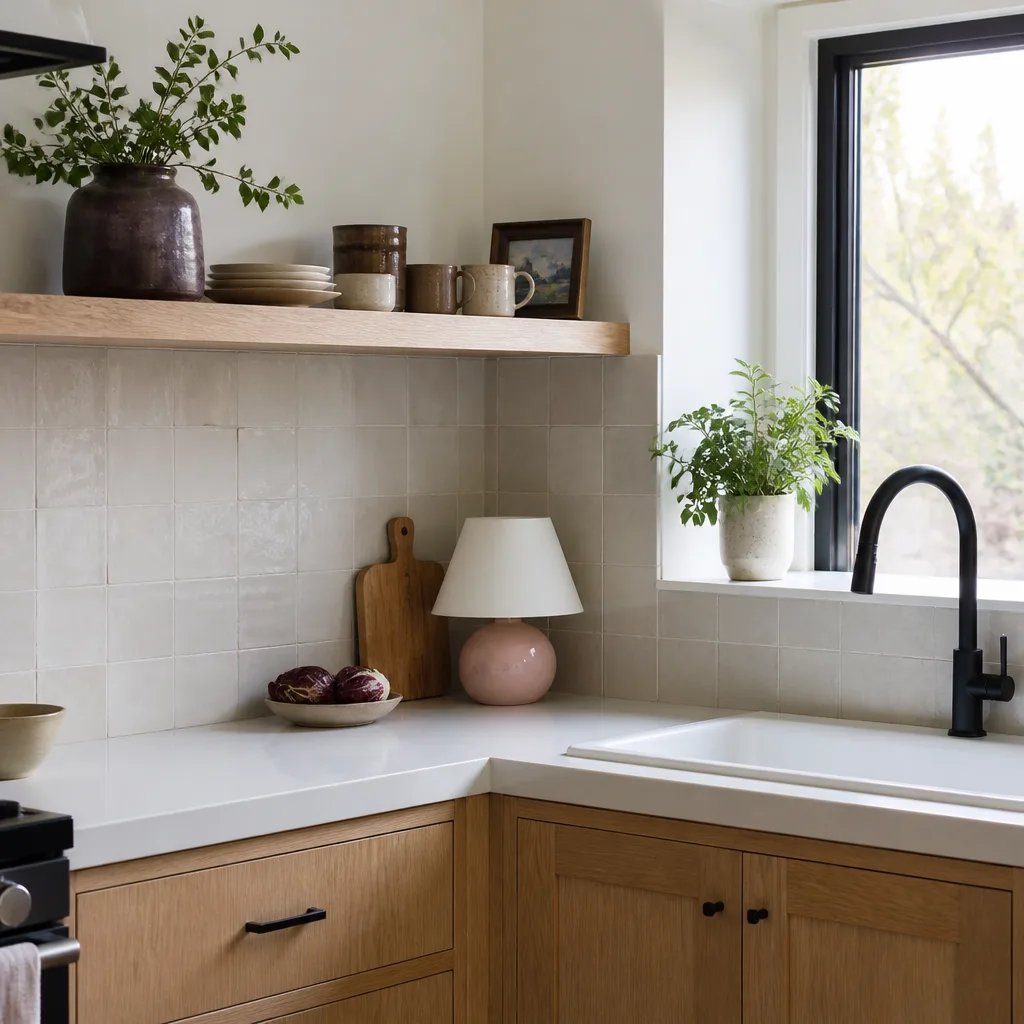
- Kitchen remodeling
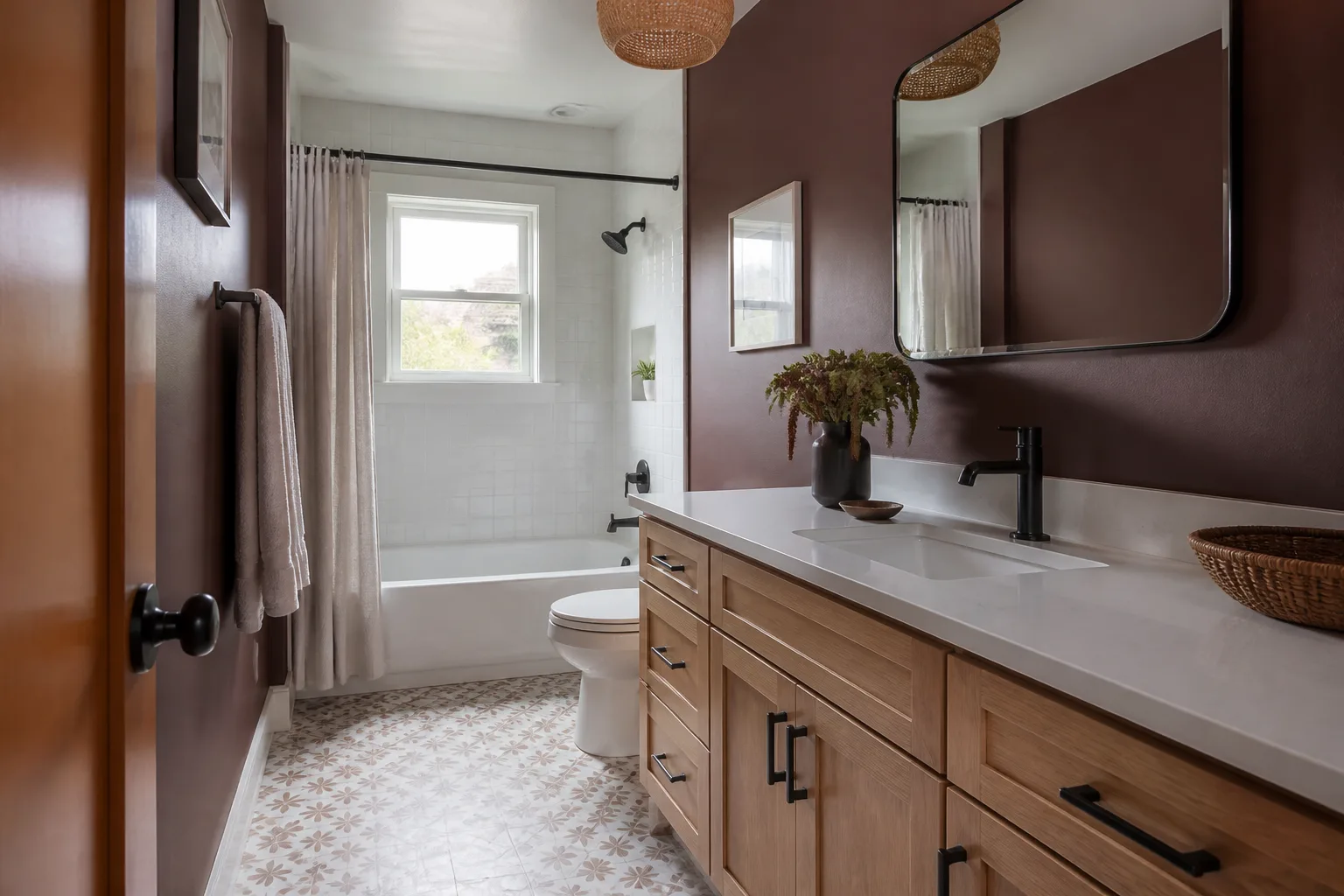
- Bathroom remodeling
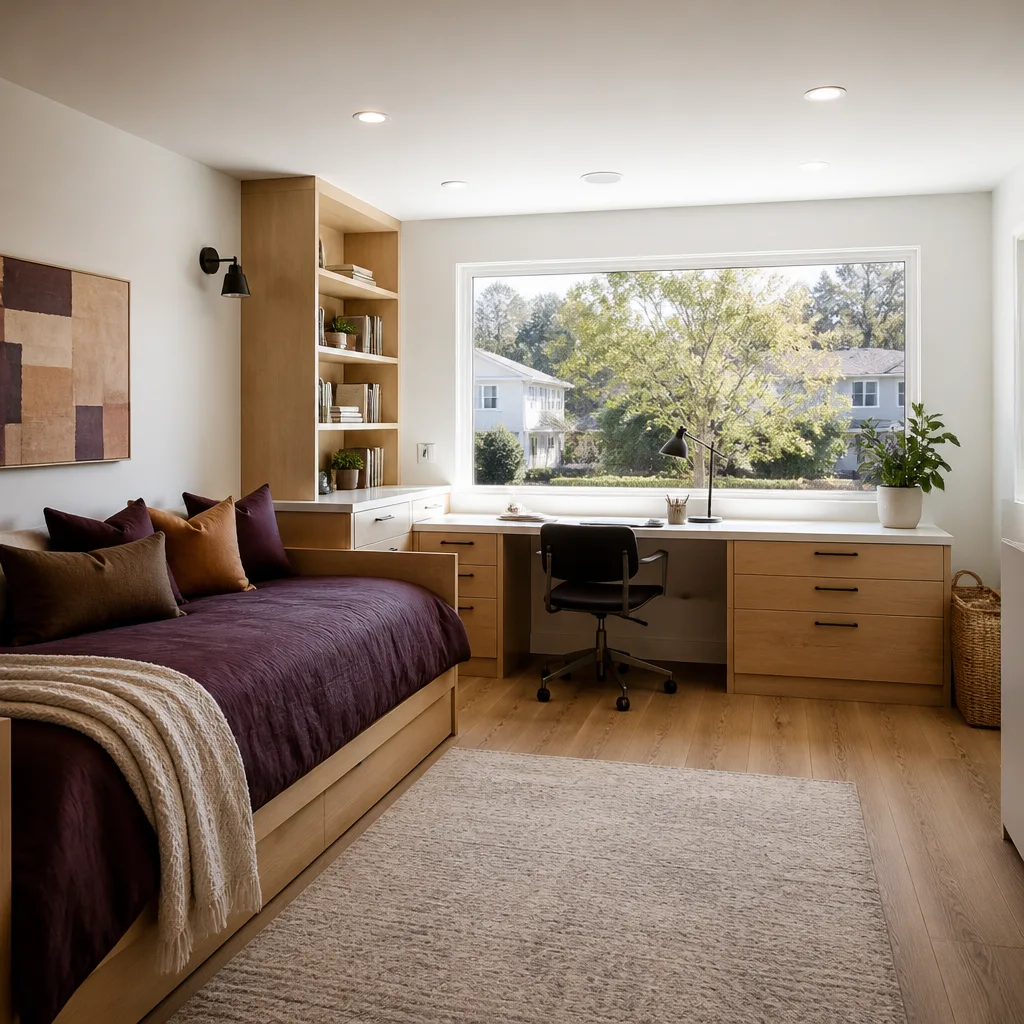
- Home additions & ADU
- Roofing
- Windows & doors
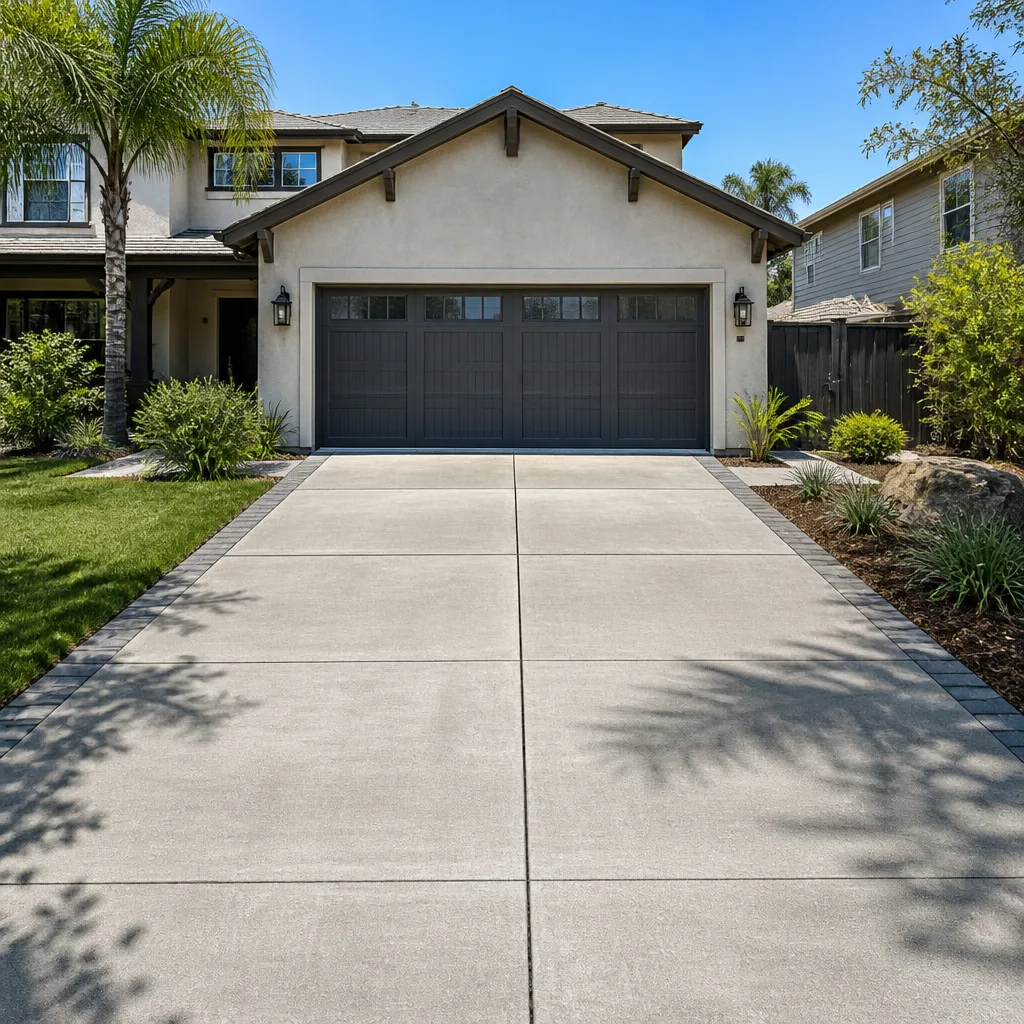
- Driveway & pavers
- Fence
See the difference
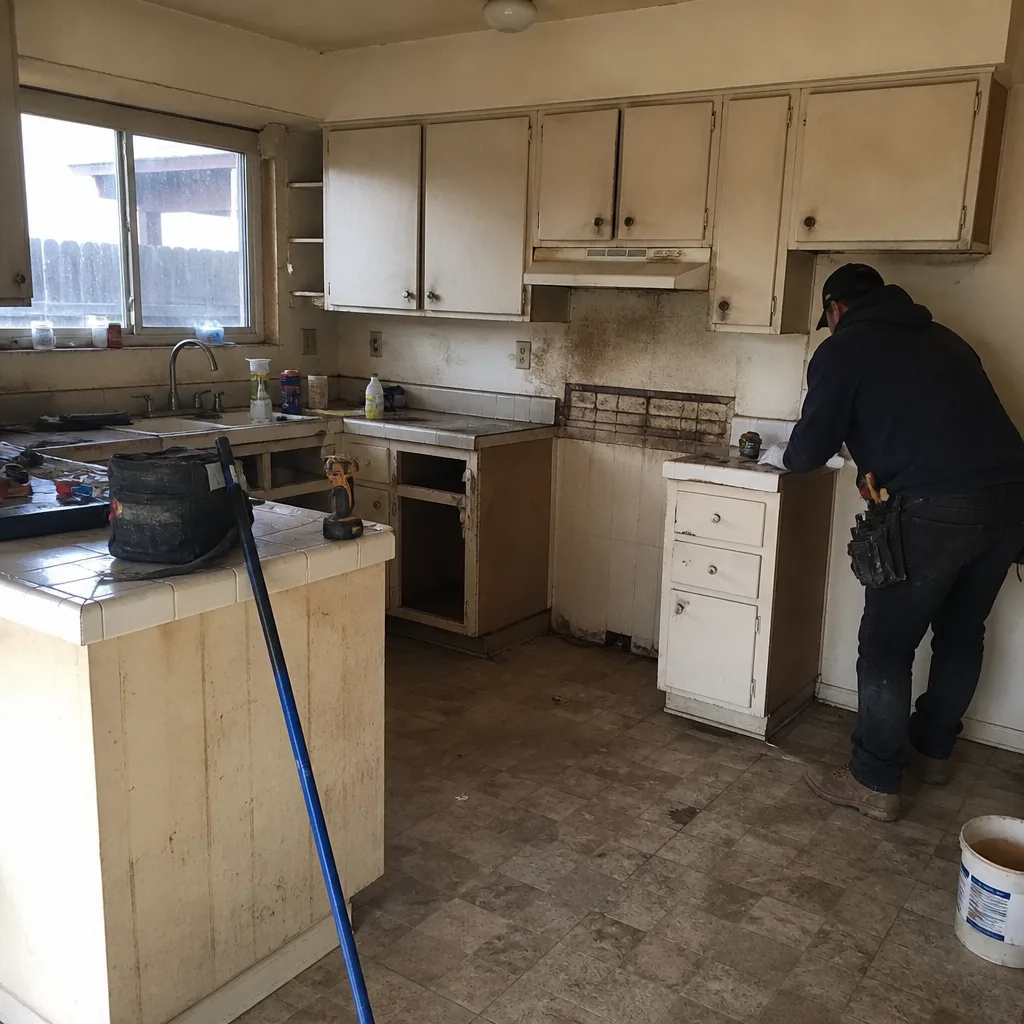 Before
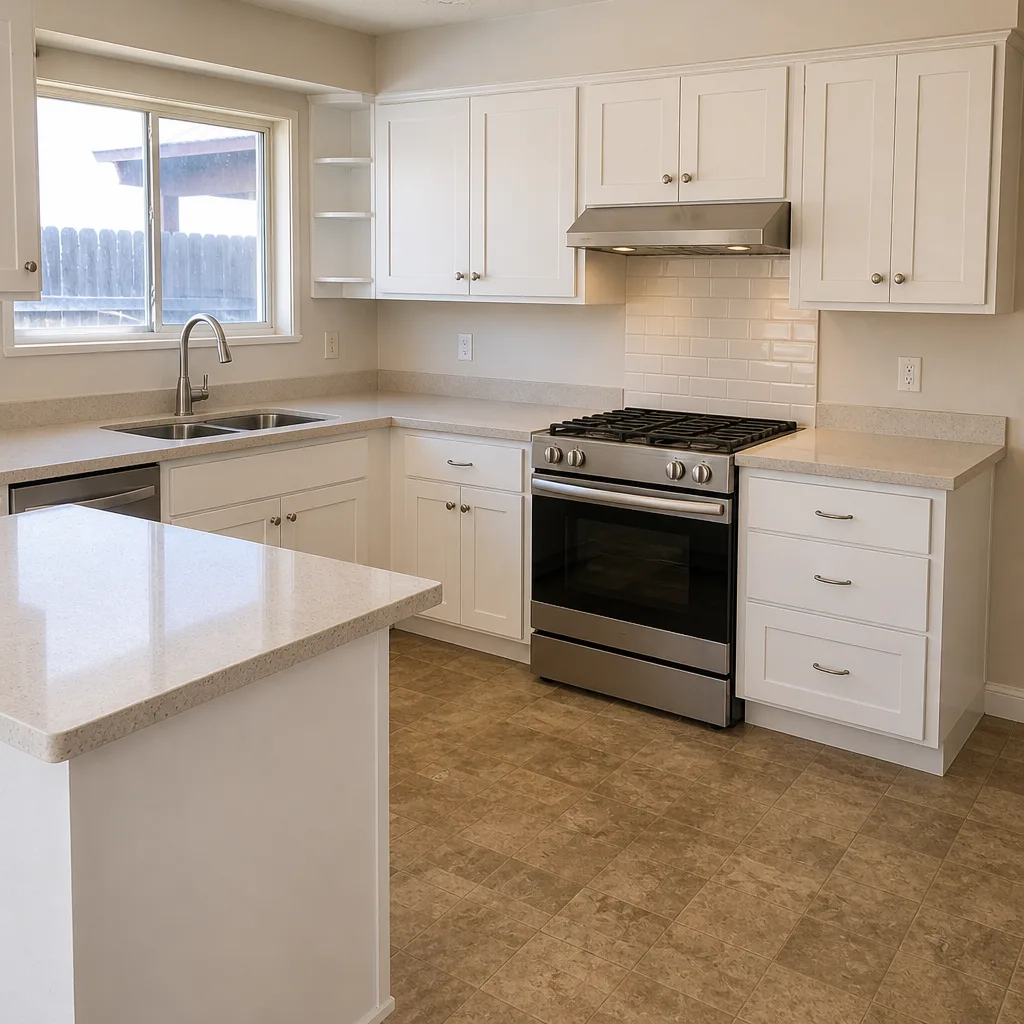 After
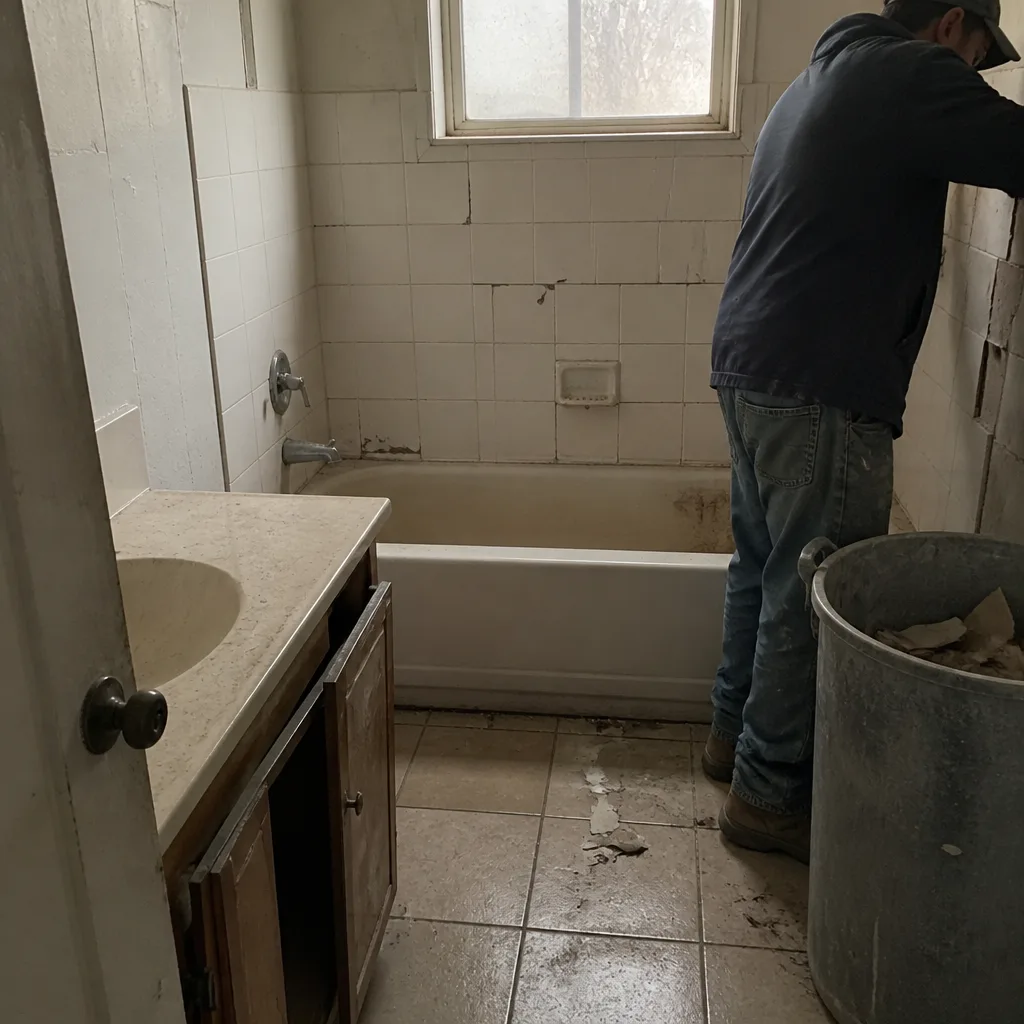 Before
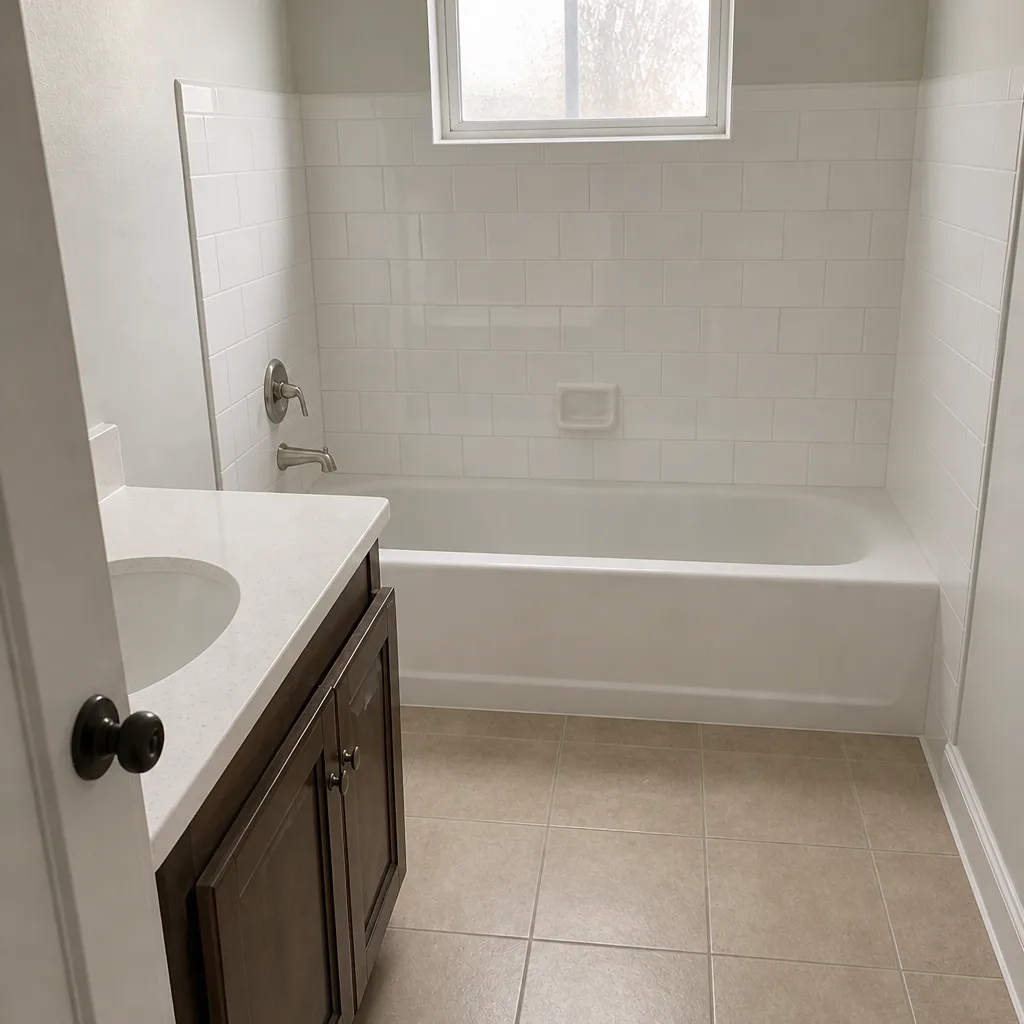 After
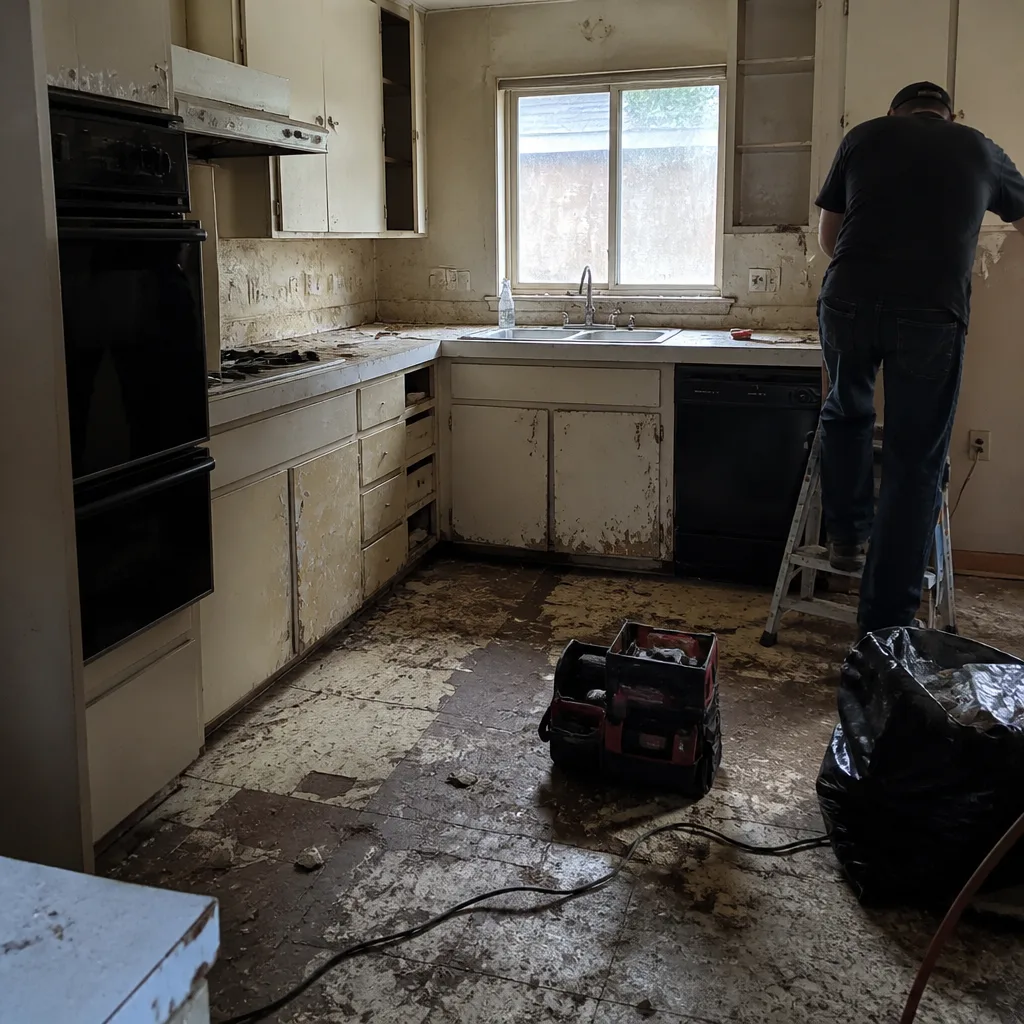 Before
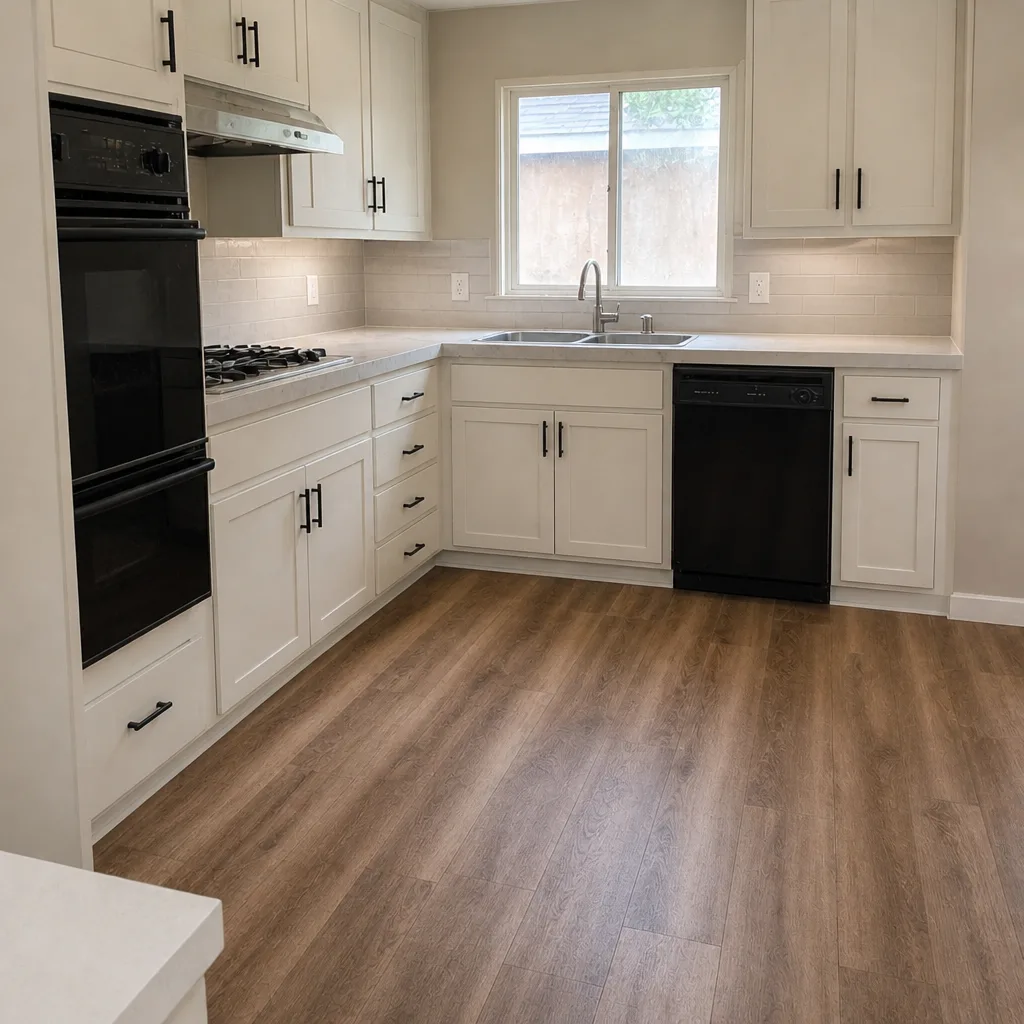 After
How Much Does Walk-In Shower Installation Cost in Lancaster?
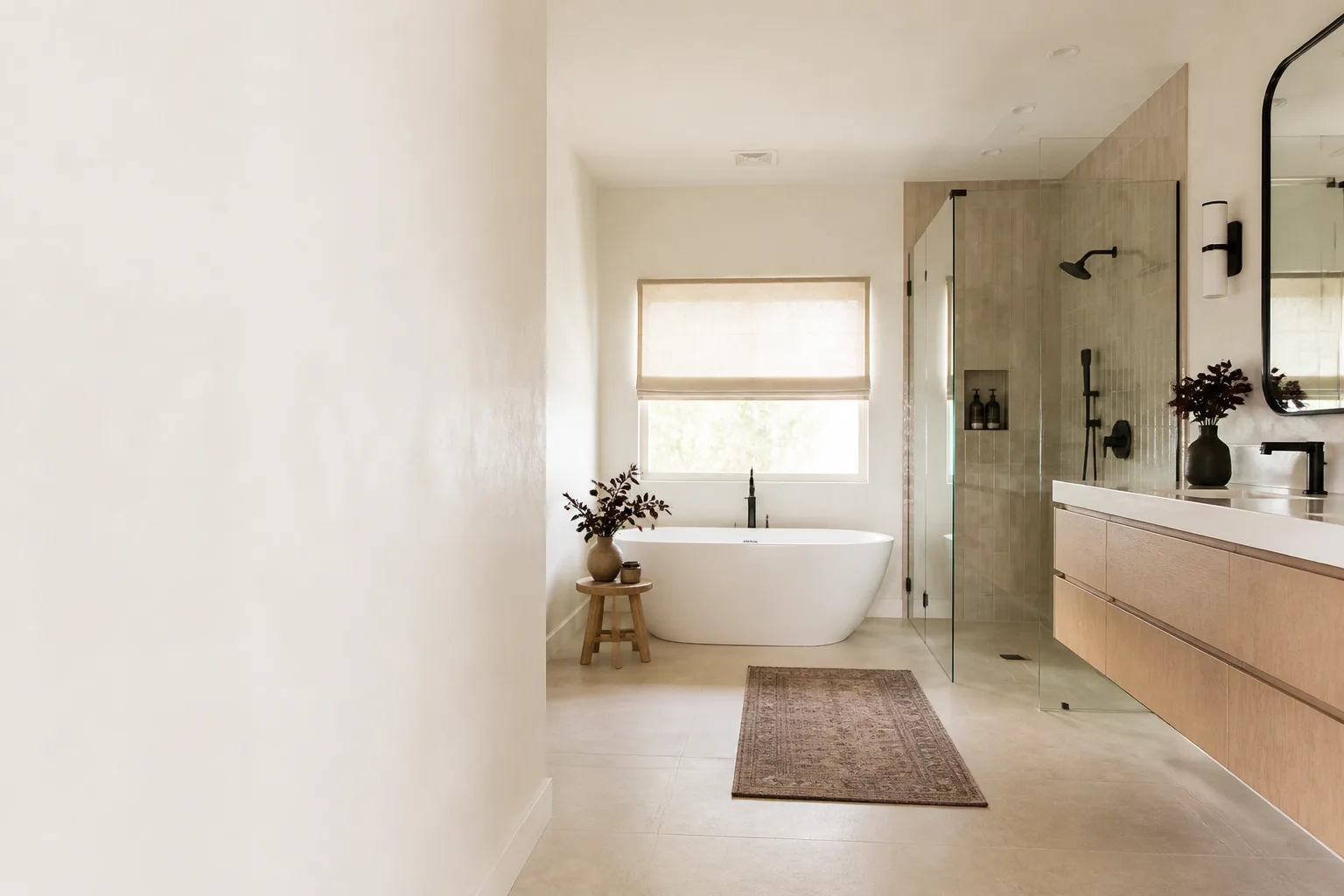
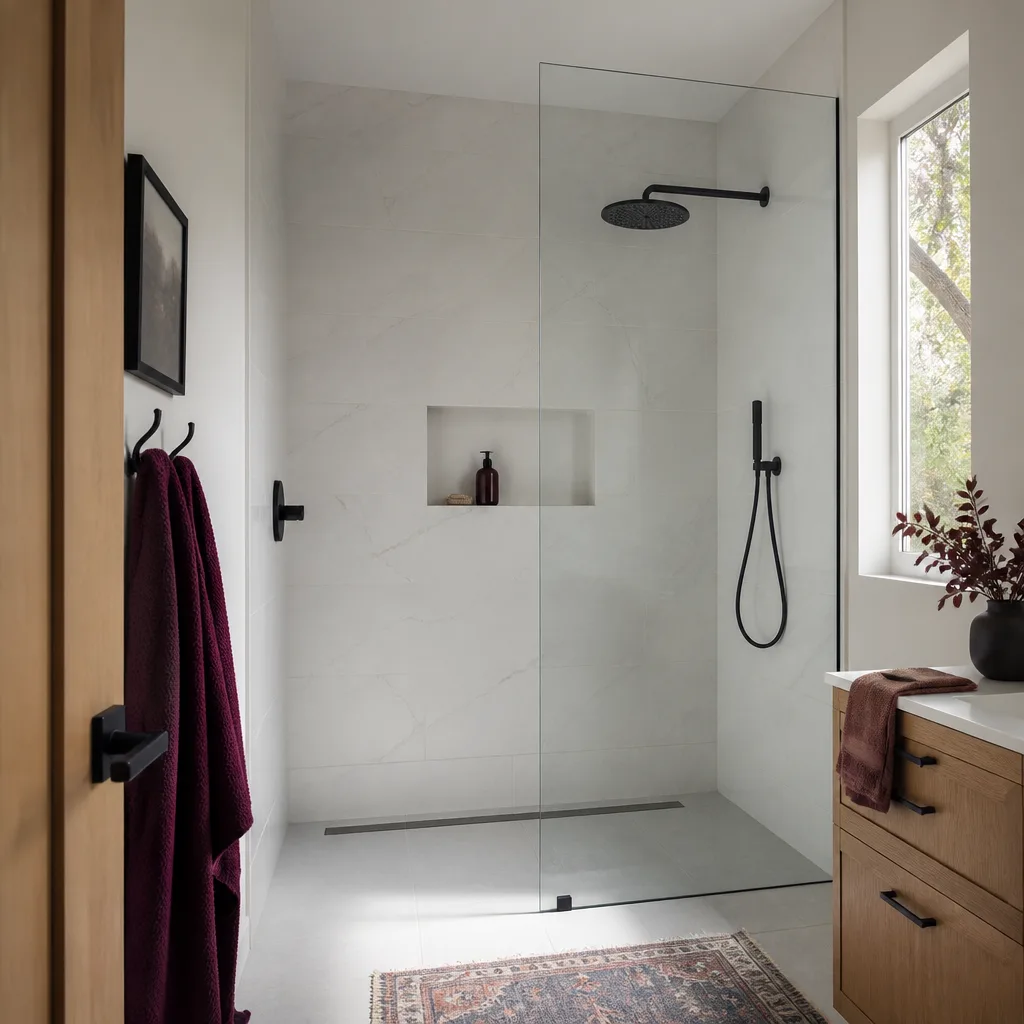
Walk-in shower installation in Lancaster typically costs $4,500 to $12,000 for a full tear-out and rebuild, with most homeowners landing near $7,200 for a curbless tile shower with a frameless glass panel. That range covers demo of the old unit, waterproofing, tile, the shower valve and trim, and a new drain assembly. A straight tub-to-shower conversion runs less, closer to $3,500 to $10,000, because the plumbing rough-in usually stays put.
The number moves most on tile choice and glass. Porcelain tile at $4 per square foot and a single fixed glass panel sit at the low end. Natural stone, a bench, a niche, and a frameless enclosure with a swinging door push toward the top. What doesn’t change is the process: under our written-price standard, you get a flat number in writing before anyone touches the wall, and no work proceeds on a change until you’ve signed the change order. Call (844) 797-3312 for a free estimate and you’ll have the range for your exact bathroom in hand.
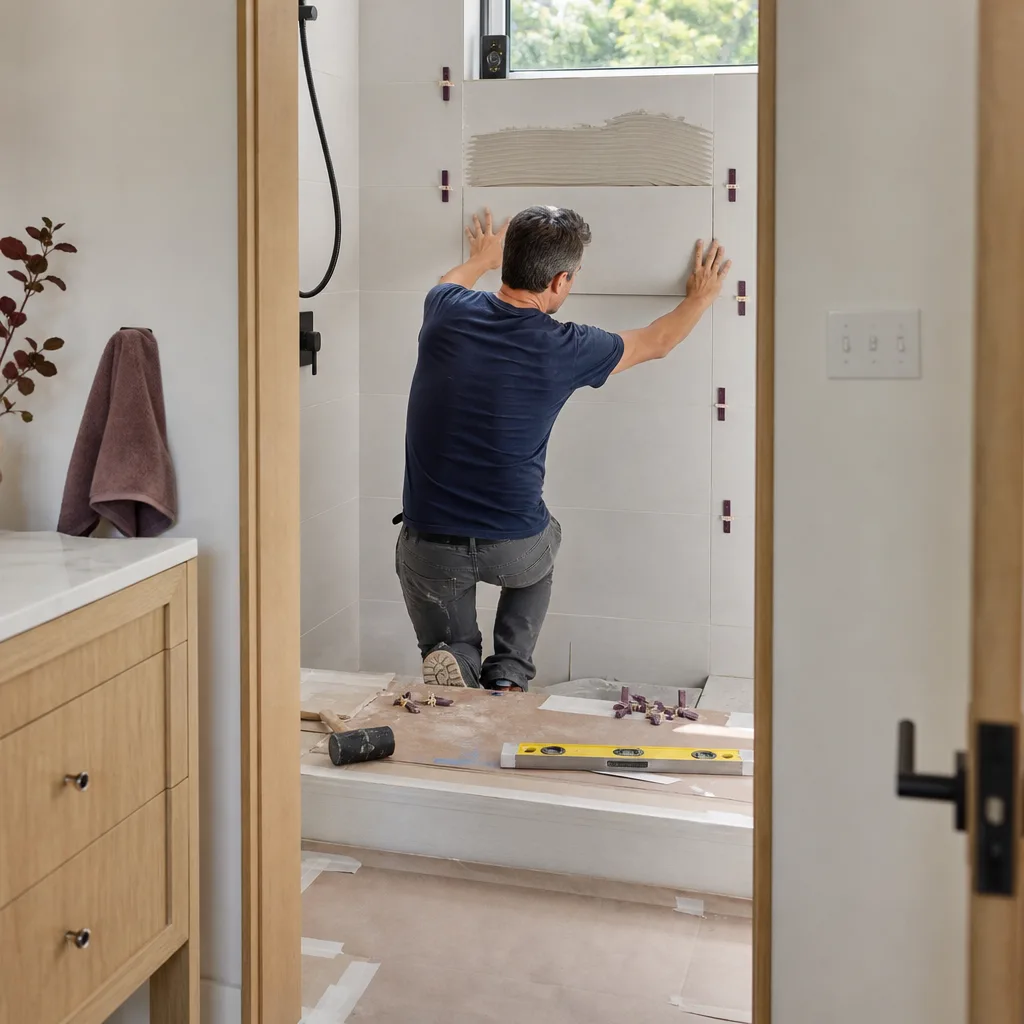
Walk-In Shower Installation Cost Breakdown (2026)
Here’s how the total splits up in the Lancaster market. These are line-item ranges based on what we actually see quoted here, not national averages pulled from a database.
| Line Item | Typical Range | What It Covers |
|---|---|---|
| Demo and disposal | $300 – $900 | Remove the old tub or shower insert, haul to the dump, patch the subfloor |
| Plumbing rough-in and valve | $600 – $1,800 | Relocate the drain and shower valve, new pressure-balance or thermostatic trim |
| Waterproofing system | $700 – $2,000 | Pan liner or bonded sheet membrane, cement board, flood test |
| Tile and setting material | $1,200 – $4,000 | Wall and floor tile, thin-set, grout, sealant; varies widely by tile choice |
| Glass enclosure | $800 – $2,800 | Frameless or semi-frameless panels, hinges, door, professional templating |
| Fixtures and trim | $400 – $1,500 | Showerhead, hand sprayer, grab bars, niche, bench |
| Labor and permits | $1,200 – $3,000 | Crew time, city permit if the drain or valve moves, inspection |
Add those up and the total lands where the market puts it: $4,500 to $12,000. A modest 3-by-5 shower with porcelain tile, a simple pan, and a single glass panel sits near the bottom. A curbless 4-by-6 walk-in with a bench, a recessed niche, large-format tile, and a frameless enclosure with a swinging door climbs toward $12,000. The gap between them is almost all materials and glass, not labor. Labor in Lancaster runs fairly steady across the range because the crew time for waterproofing and setting tile doesn’t shrink much.
What pushes the price toward the top
- Curbless construction. Recessing the floor to eliminate the curb means cutting and re-framing joists, which adds a structural step and more membrane work. Budget roughly $800 to $1,500 over a curbed build.
- Natural stone. Marble and travertine cost two to four times what porcelain does, and stone needs a penetrating sealer and a more careful substrate.
- Frameless glass with a door. A single fixed panel is one price; a swinging frameless door with custom templating is another. The door hardware alone runs into the hundreds.
- Drain or valve relocation. The further the drain moves, the more floor has to come up and the more likely a permit is triggered.
- Niche, bench, and steam. A recessed niche is a small add. A bench adds framing and tile. A steam shower adds a vapor barrier and a generator hookup and can push a walk-in well past $12,000.
Before you settle on a scope, it also helps to see the full range of bathroom work, because a shower is often the right time to address the vanity or the floor at the same time. Our home page lays out the trades we cover, and the broader Lancaster service area page covers how projects get scheduled across the Antelope Valley.
What Affects Walk-In Shower Installation Pricing in Lancaster
Several things specific to Lancaster and the Antelope Valley move the number. These aren’t generic cost drivers lifted from a national cost guide; they’re the ones that come up on actual local jobs.
- Water hardness. Lancaster’s municipal water runs hard, and hard water leaves mineral scale on glass and tile grout faster than softer water does. Homeowners here tend to choose epoxy grout and a squeegee habit, and some opt for a water softener loop while the wall is open. Epoxy grout adds roughly $200 to $500 but holds up better against scale.
- Slab-on-grade construction. Much of the housing stock in Lancaster sits on a post-tension slab. Moving a drain in a post-tension slab is a real cost item because you can’t just cut through the tensioned cables. That’s why a drain relocation here can add $500 to $1,200 versus a raised-foundation home.
- Tile choice and grout joint width. Large-format tile (12-by-24 or bigger) sets faster and looks cleaner but demands a flatter substrate. Small mosaic costs more to install per square foot. Either way, the tile itself is the single biggest swing in the materials line.
- Glass type and tempering. Tempered glass is required by code for shower enclosures, and low-iron glass (which doesn’t turn green at the edges) costs more than standard clear. Standard clear tempered is the default; low-iron is an upgrade.
- Permits and inspection. Moving the drain or the shower valve requires a plumbing permit through the City of Lancaster, and the work has to be inspected before the wall closes. Keeping the existing valve and drain location often avoids the permit entirely.
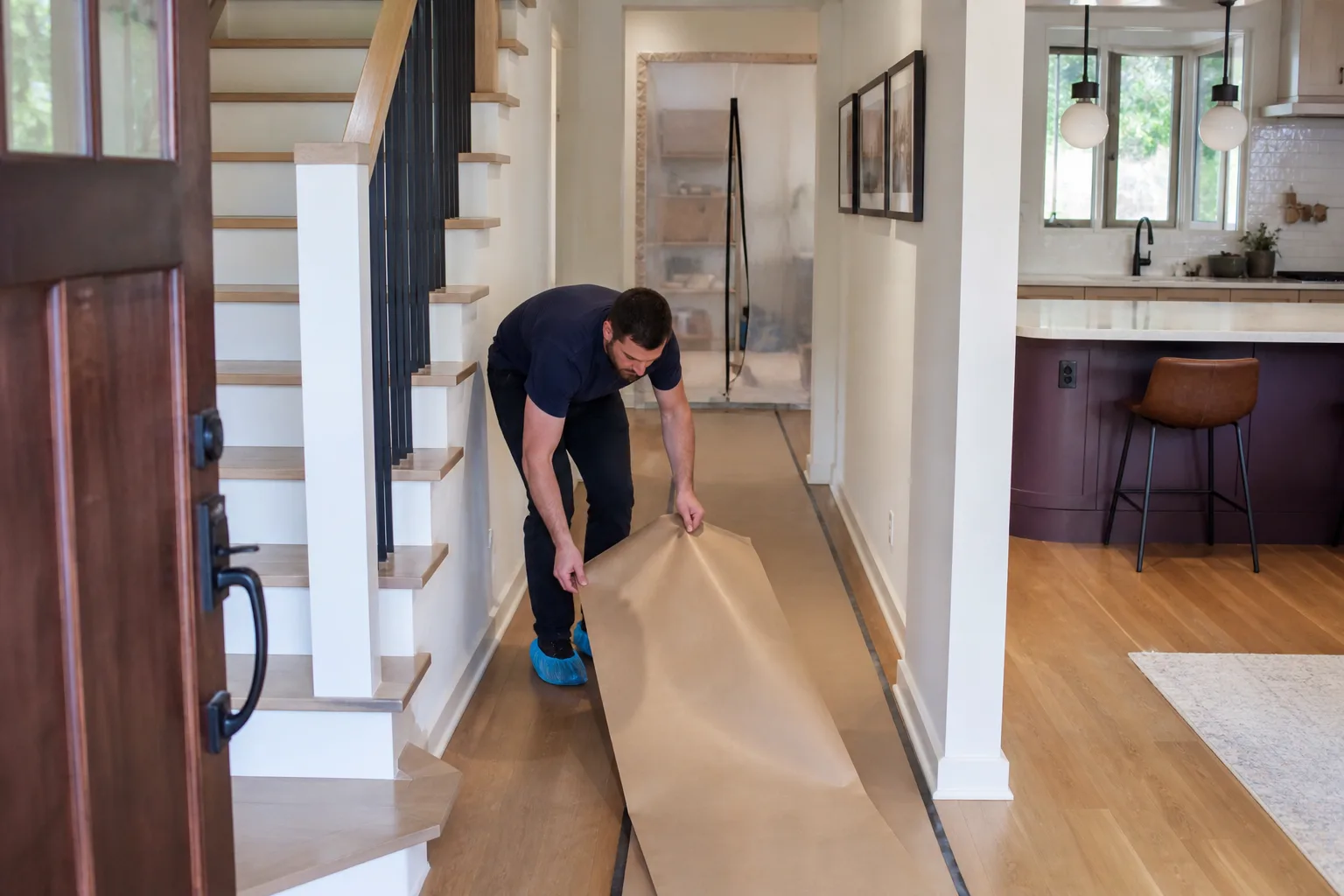
- Access and bathroom size. A tight hall bath where the crew has to protect flooring and carry materials through a narrow doorway adds labor time. A primary bathroom with room to stage materials doesn’t.
One more factor worth naming: waterproofing quality. It’s the part of a walk-in shower you can’t see once the tile goes up, and it’s where cheap jobs fail. A properly built shower has a sloped pan, a bonded membrane or a liner with a pre-slope, and a flood test before tile. Skipping any of that saves a few hundred dollars up front and costs thousands when the shower leaks into the ceiling below. Under the 365-Day Done Right Promise, if something isn’t right within a year, we come back and make it right. That’s backed by our written terms, not a verbal handshake.
Walk-in shower versus tub-to-shower conversion versus a full bathroom remodel
It helps to compare scopes side by side, because the line between “shower installation” and “bathroom remodel” is where budgets drift.
- Walk-in shower installation: $4,500 – $12,000. A shower replaces the tub, or a new shower goes where one already was. One fixture, one wet zone.
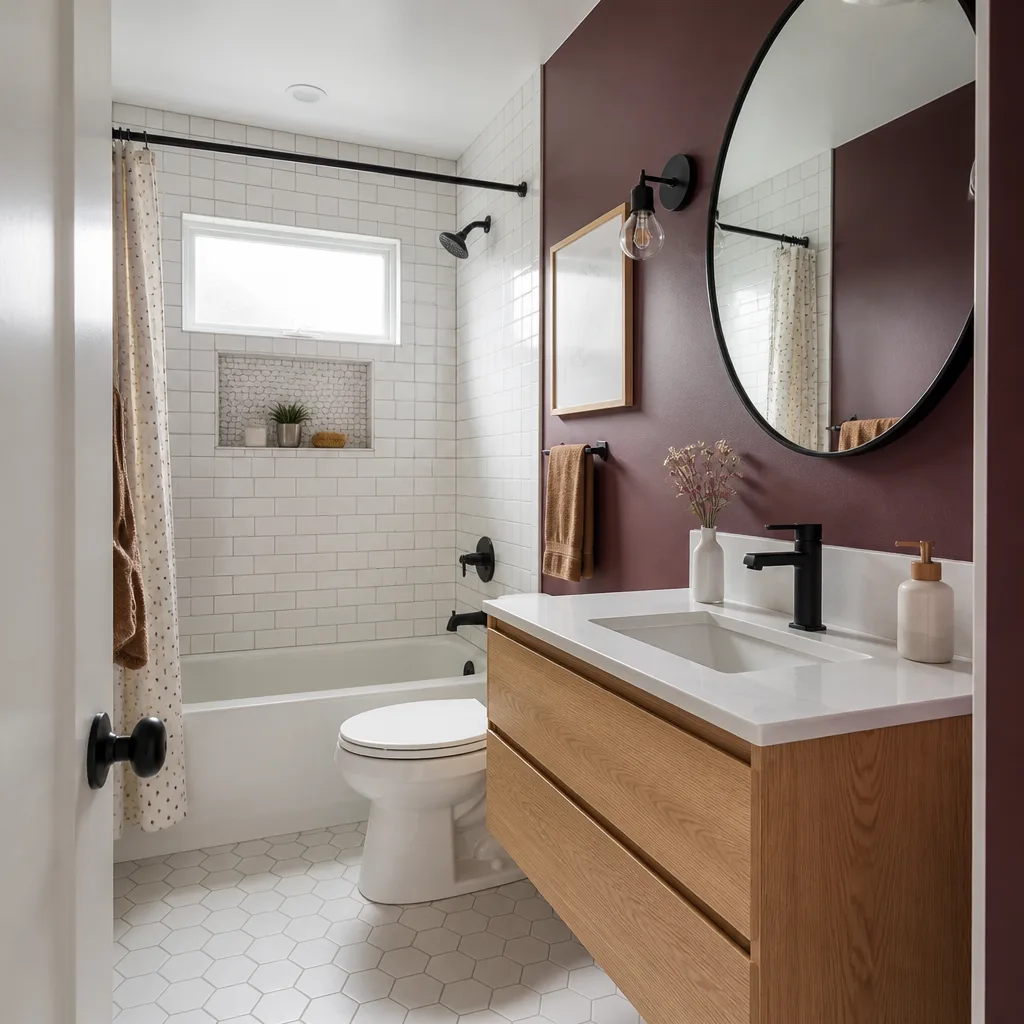
- Tub-to-shower conversion: $3,500 – $10,000. The same footprint, tub out and shower in. Often the least expensive path because the rough-in stays.
- Shower replacement: $3,000 – $8,500. Straight swap of an existing shower with minimal plumbing change.
- Full bathroom remodel: $9,000 – $28,000. Shower plus vanity, floor, toilet, lighting, and paint. If the vanity and floor are already tired, doing it all at once usually beats two separate mobilizations.
If you want to see where those larger scopes land, the bathroom remodeling page breaks out the full range, and the small bathroom remodel guide covers the tighter hall-bath numbers. For a sense of scale on other trades, our kitchen remodeling in Lancaster page and the home additions in Lancaster guide show how a whole-room project is priced. If your bathroom shares a wall with a failing roof or older windows, it may be worth pairing the work with a roof replacement in Lancaster or window replacement in Lancaster so the crew isn’t mobilized twice.
How Walk-In Shower Installation Works: What the Price Actually Buys
A walk-in shower is mostly hidden work. The visible result is tile and glass; the price you pay is largely for what sits behind them. Here’s the sequence a proper job follows, so you know what to look for in any quote.
- Demo and inspection. The old unit comes out, and the crew checks the framing and subfloor for soft spots, rot, or old leaks. What we find gets described in plain terms, with photos, before any new material goes in.
- Rough-in. The drain and valve are set to code. If they move, a plumbing permit gets pulled.
- Waterproofing. A sloped pan, cement board, and a bonded membrane or liner. A flood test confirms the pan holds water before tile goes on.
- Tile and grout. Wall and floor tile set over the membrane. We recommend epoxy grout in Lancaster’s hard water.
- Glass templating and install. Enclosures are templated after tile so the fit is exact, then installed and sealed.
- Photo record and walkthrough. You get a documented photo record of every visit as a standard deliverable, including the waterproofing stage before it’s covered, so you have evidence of what was built.
This is the kind of work where a written scope matters more than a verbal promise. Our written price is delivered before any work starts, on every trade, and it names the waterproofing system, the tile, the glass, and the valve. If the job turns up something unexpected once the wall is open, we stop, write a change order, and won’t proceed until it’s signed. That’s the discipline that keeps a project within a few percent of the number you agreed to, and it’s the reason we can hand you a flat price instead of an hourly guess.
A note on safety and scope: the plumbing and electrical behind a shower are not places to improvise. Relocating a drain through a slab, resetting a shower valve, or wiring a steam generator or a lighted niche each involve work that’s genuinely risky done wrong. Our technicians have up to 19 years of experience and are background-checked and uniformed, and they’re the ones who should be opening that wall. We’ll explain what we found and what it means, but the actual work on the plumbing and any electrical is for a trained, licensed professional.
How to Save on Walk-In Shower Installation in Lancaster
You can bring a $12,000 shower down toward $6,000 without cutting the waterproofing. Most of the savings come from choosing wisely, not from hiring cheap.
- Keep the drain and valve where they are. Avoiding a permit and a slab cut can save $500 to $1,200. If the layout works, leave the plumbing.
- Choose porcelain over natural stone. Good porcelain performs well and costs a fraction of marble. You can get the stone look with a porcelain slab at a lower price.
- Go with a single fixed glass panel. Skip the swinging door if the layout allows. A fixed panel with a walk-in opening runs several hundred dollars less and means less hardware to maintain.
- Install a semi-frameless enclosure instead of fully frameless. The visual difference is small; the price difference is real.
- Pay for the membrane, buy your own fixtures. Never save on waterproofing. Do save by choosing an off-the-shelf showerhead and trim instead of a specialty finish.
- Bundle the bathroom. If the vanity or floor needs work, doing it during the same mobilization avoids a second round of demo and setup. See the bathroom remodeling in Lancaster page for the full-scope range.
Before you commit, use our free second opinion. Bring a competitor’s written estimate and we’ll review it line by line at no charge, so you know whether their waterproofing line is priced honestly and whether the scope actually covers the flood test and the templating. Call (844) 797-3312 and a live person answers. Estimates are free, and you get the written price before anything starts.
Are there financing options or payment schedules?
Most walk-in shower projects are structured in stages: a deposit to order materials, a progress payment when the waterproofing passes inspection, and the balance at completion. Because the price is flat and written, your payment schedule is set against a fixed number, not a moving one. Any materials upgrade is documented on a signed change order so you always know what you’re paying for and why.
Do I Need a Permit for a Walk-In Shower in Lancaster?
You need a plumbing permit when the drain or the shower valve is relocated, and the work has to pass inspection before the wall closes. If you’re replacing a shower or tub in the same location without moving the plumbing, a permit is often not required, though the waterproofing still has to be done correctly. Because Lancaster sits largely on slab foundations, moving a drain through post-tension concrete is a bigger job than in a raised-foundation home, and that’s the most common reason a Lancaster shower project needs a permit and an inspection. We’ll tell you in the written scope whether your job needs one, so there are no surprises.
FAQs – Walk-In Shower Installation Cost
How much does walk-in shower installation cost in Lancaster?
Walk-in shower installation in Lancaster typically costs $4,500 to $12,000, with most jobs landing near $7,200 for a tile shower with a frameless panel. A curbless build or natural stone pushes toward the top of the range. Call (844) 797-3312 for an exact quote, and estimates are free.
Is it cheaper to repair or replace a walk-in shower?
Replacement is almost always cheaper than prolonged repair when the waterproofing has failed. A shower replacement runs $3,000 to $8,500, while repeatedly patching a leaking pan or re-grouting a failing shower often costs $1,500 to $3,000 over a few years and never fixes the underlying membrane. If you’re seeing water stains on the ceiling below or loose tile, a replacement usually pays for itself. Call (844) 797-3312 and we’ll look at the photos with you.
How long does walk-in shower installation take in Lancaster?
A typical walk-in shower takes 5 to 10 working days from demo to final seal. Waterproofing and flood testing take a day or two, tile setting and grout take several, and the glass enclosure is templated after tile and installed a few days later. A curbless job with a lot of framing can run longer. Call (844) 797-3312 to schedule and we’ll give you a start date and a written timeline.
Can you convert a tub to a walk-in shower in Lancaster?
Yes, and a tub-to-shower conversion in Lancaster typically runs $3,500 to $10,000. It’s often less than a full walk-in build because the rough-in usually stays in the same alcove, though a post-tension slab can add cost if the drain has to move. Call (844) 797-3312 for a free estimate on your alcove.
Can you come today for an estimate?
We can usually schedule a free estimate within a day or two, and a live person answers the phone around the clock. We won’t invent same-hour availability, but if your shower has an active leak, tell us when you call and we’ll prioritize the assessment. Call (844) 797-3312 and we’ll find the earliest slot and put the written price in your hands before any work starts.
What’s the difference between a walk-in shower and a curbless shower?
A walk-in shower is any shower you step into over a low curb, while a curbless (zero-threshold) shower has the floor recessed so there’s no curb at all. Curbless construction costs an extra $800 to $1,500 in Lancaster because the subfloor has to be recessed and re-framed, and on a post-tension slab that’s careful work. Both are priced inside the $4,500 to $12,000 range. Call (844) 797-3312 and we’ll tell you which your floor will allow.
Pricing reflects the Lancaster market as of 2026. Rowan Construction Group Lancaster offers free estimates – call (844) 797-3312.
What Our Customers Say
"Good communication throughout. Weekly written update meant I never had to chase them."
- Nadine G."Fence and retaining wall along a sloped boundary. They photographed the footing depth at each post, which mattered when the county inspector came."
- Iona F."Final invoice was within two percent of the contract. Every change was priced and signed before anyone picked up a tool."
- Malcolm T.