Last updated November 17, 2026
Free written scope consultation - allowances, timeline, and change-order rules on paper before a single trade is scheduled
The Complete Guide to Construction in Lancaster
Most construction bids prepared for a Lancaster lot are wrong before the first tool comes off the truck. Caliche hardpan sits under a majority of Antelope Valley parcels, and contractors who price from a template learn about it the hard way – usually after their excavator stalls in ground that reads like weak concrete. Remove that surprise and the budget moves 12-18%. This guide covers how Lancaster’s desert climate, soil, and Los Angeles County code jurisdiction change the numbers on a bid, which trades you’ll actually contract, and how to read a proposal so the price you sign is the price you pay.
Styles & brands we work with
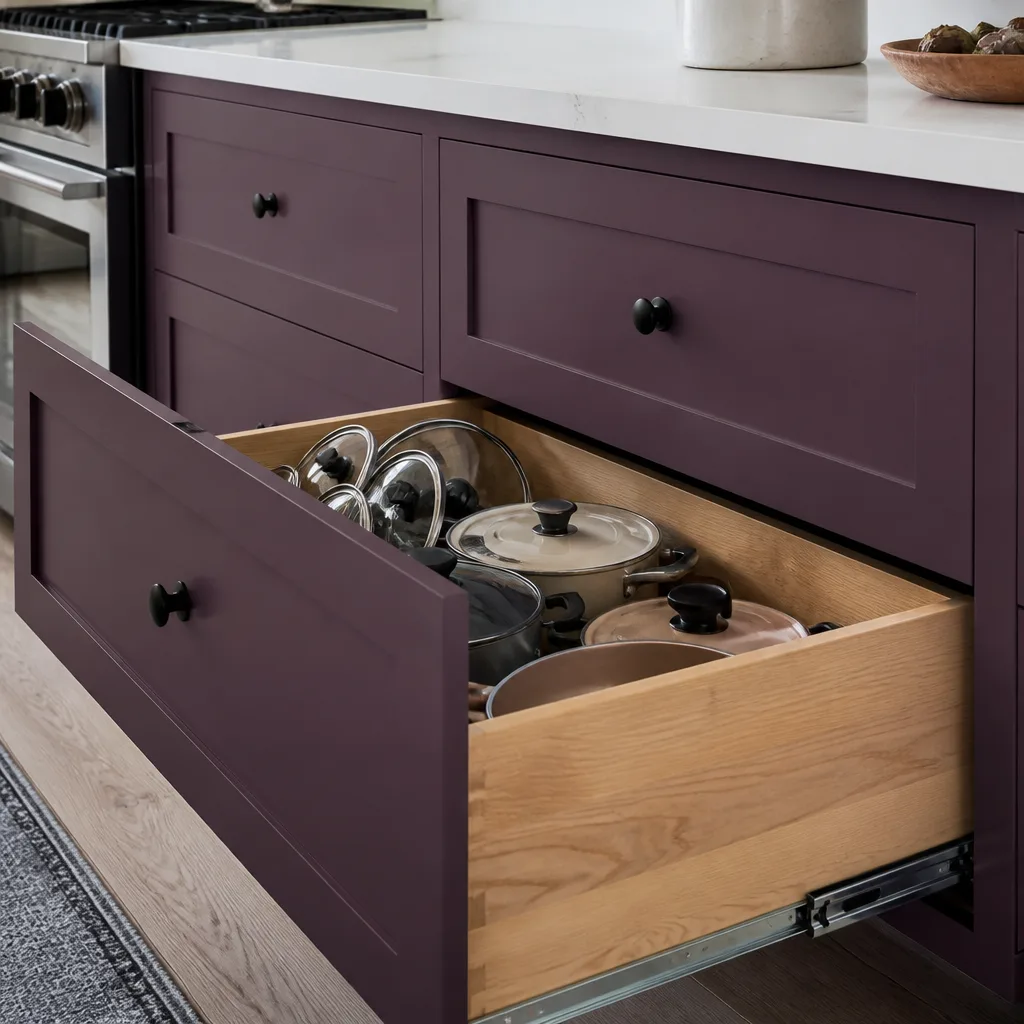
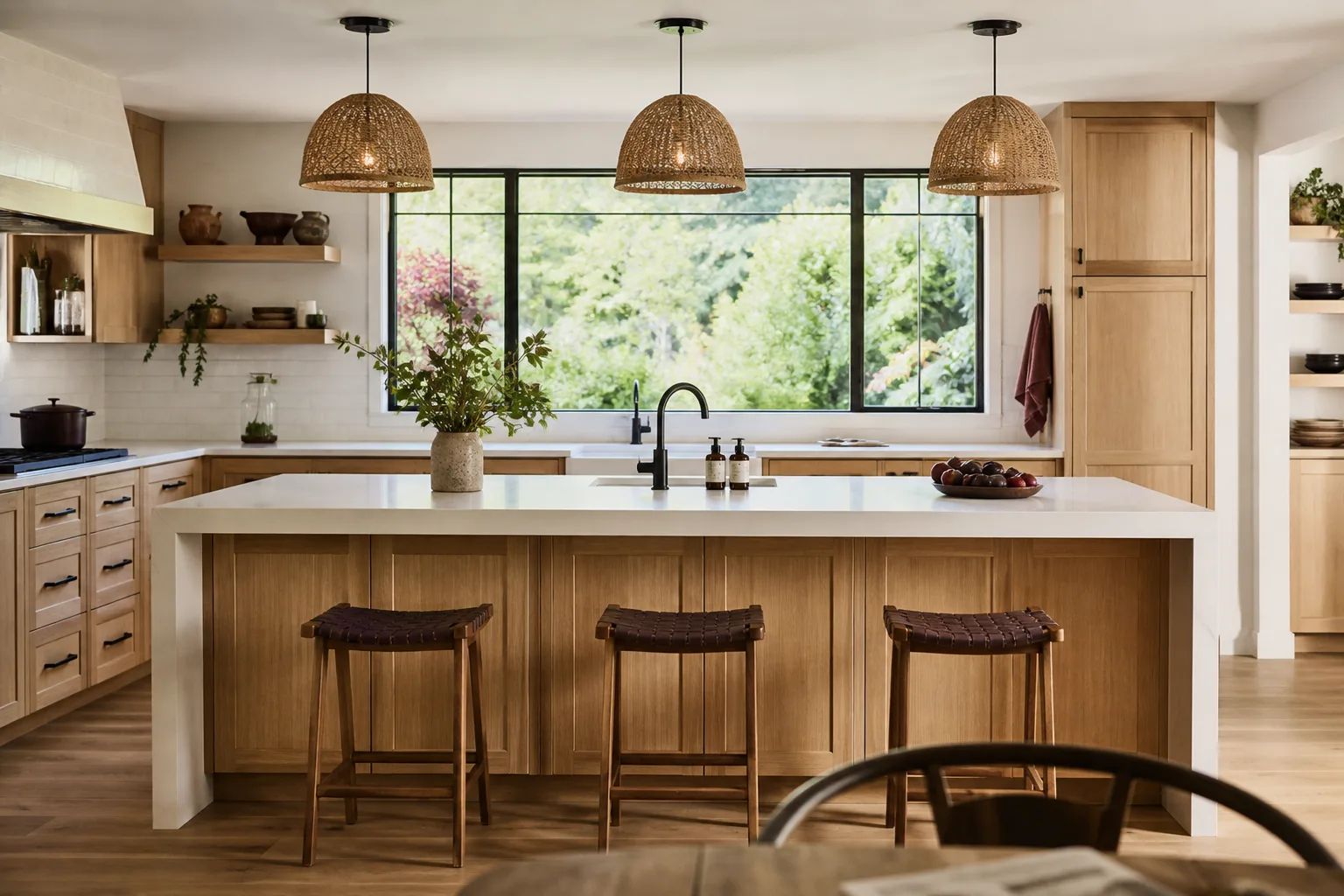
- Kitchen remodeling
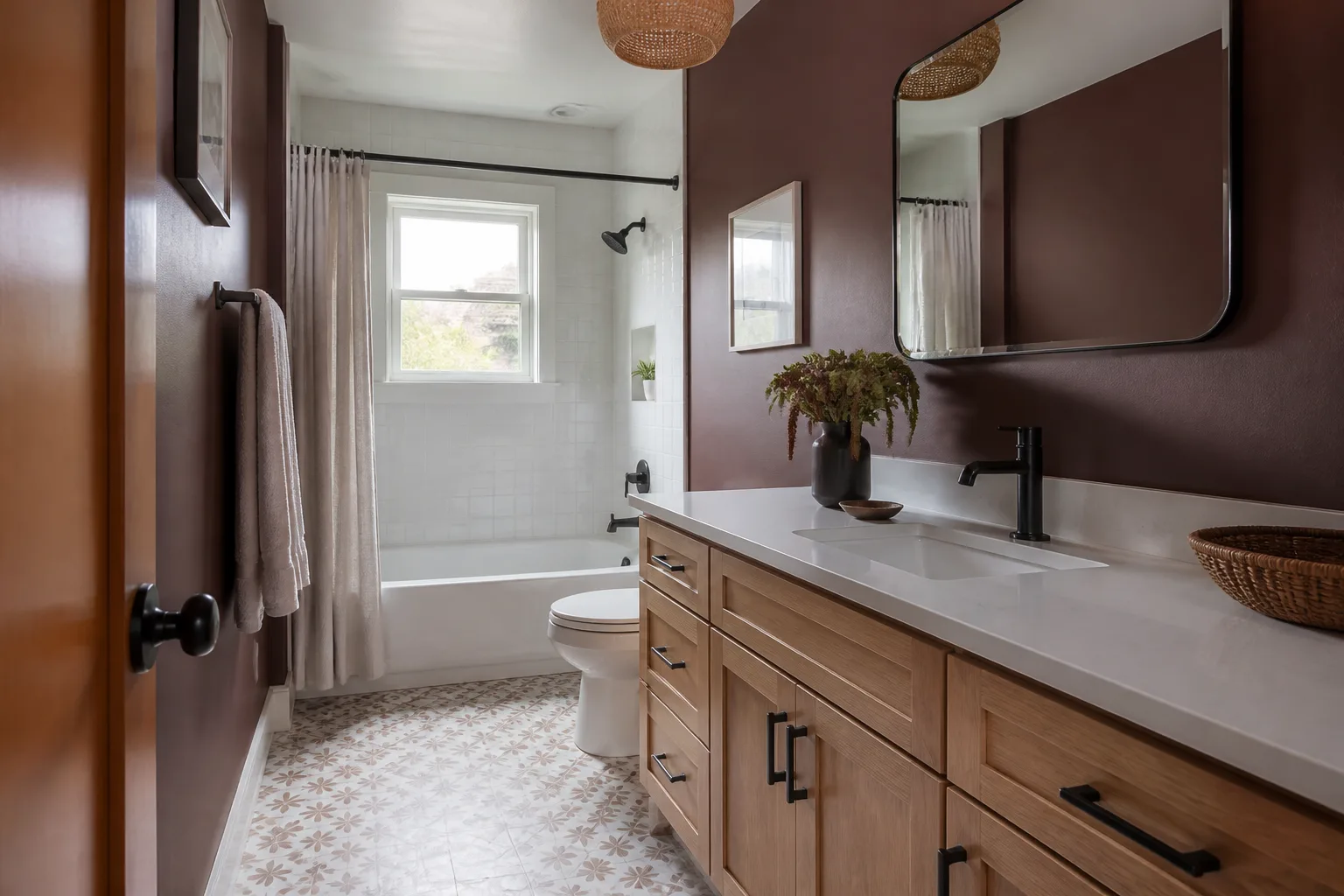
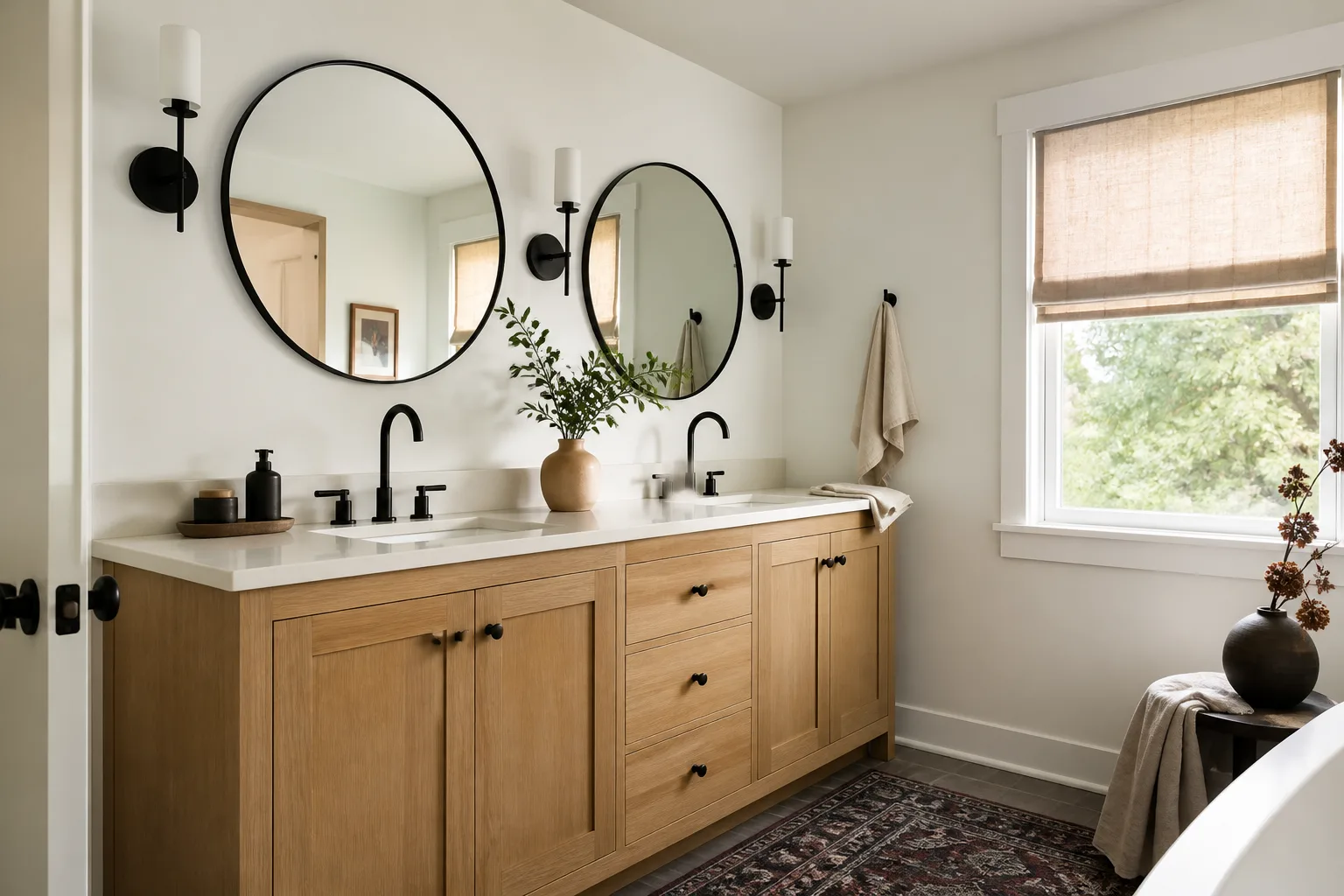
- Bathroom remodeling
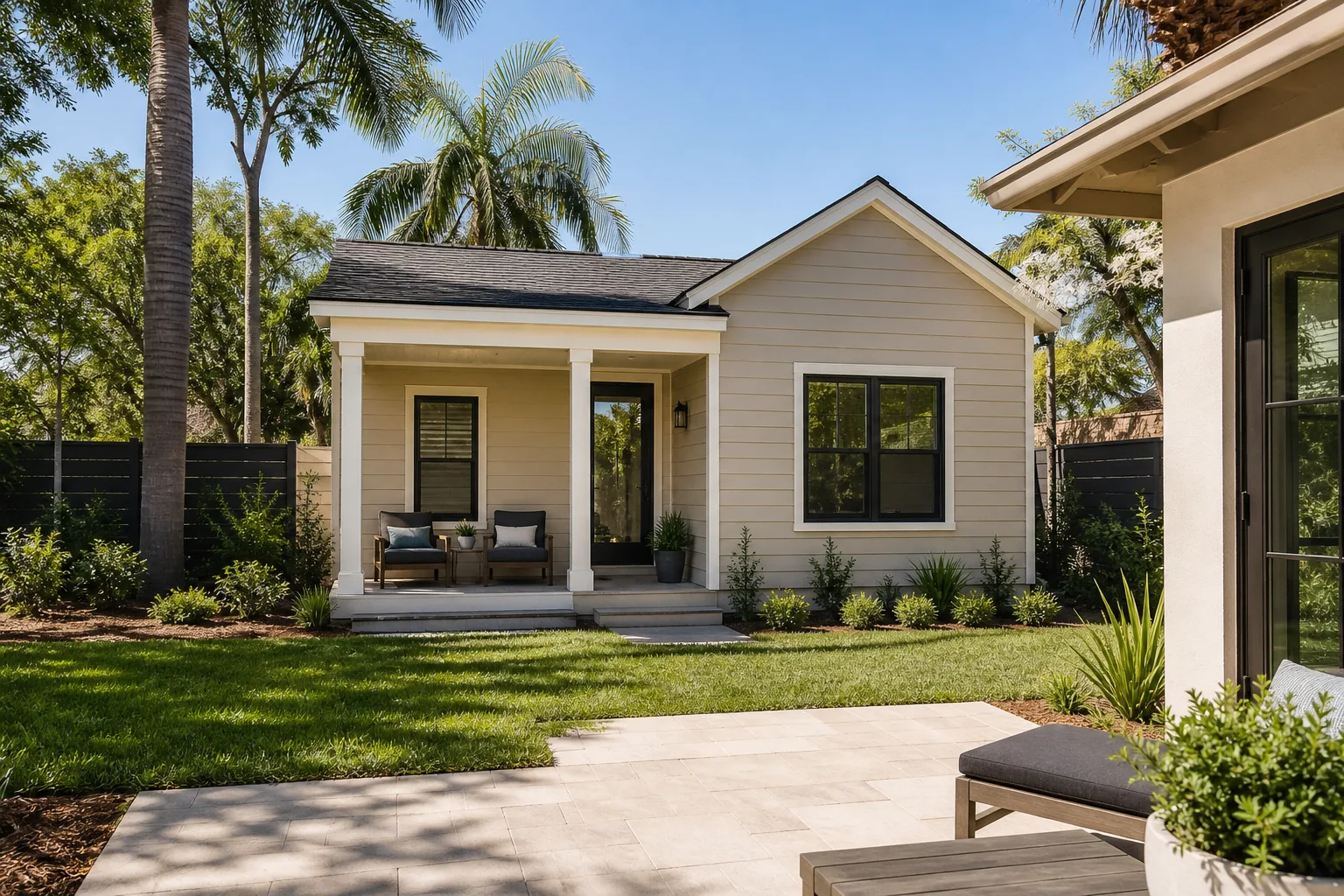
- Home additions & ADU
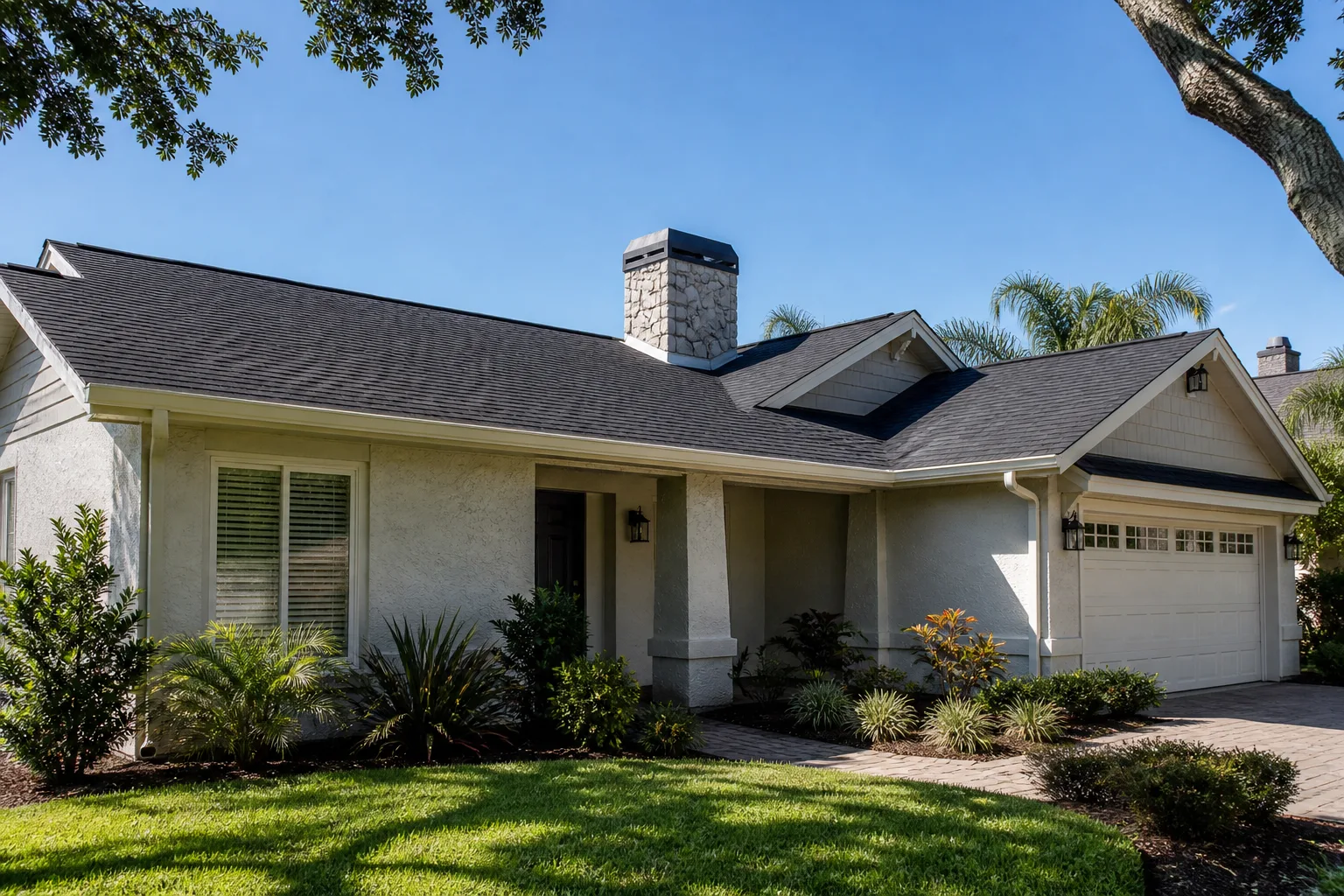
- Roofing
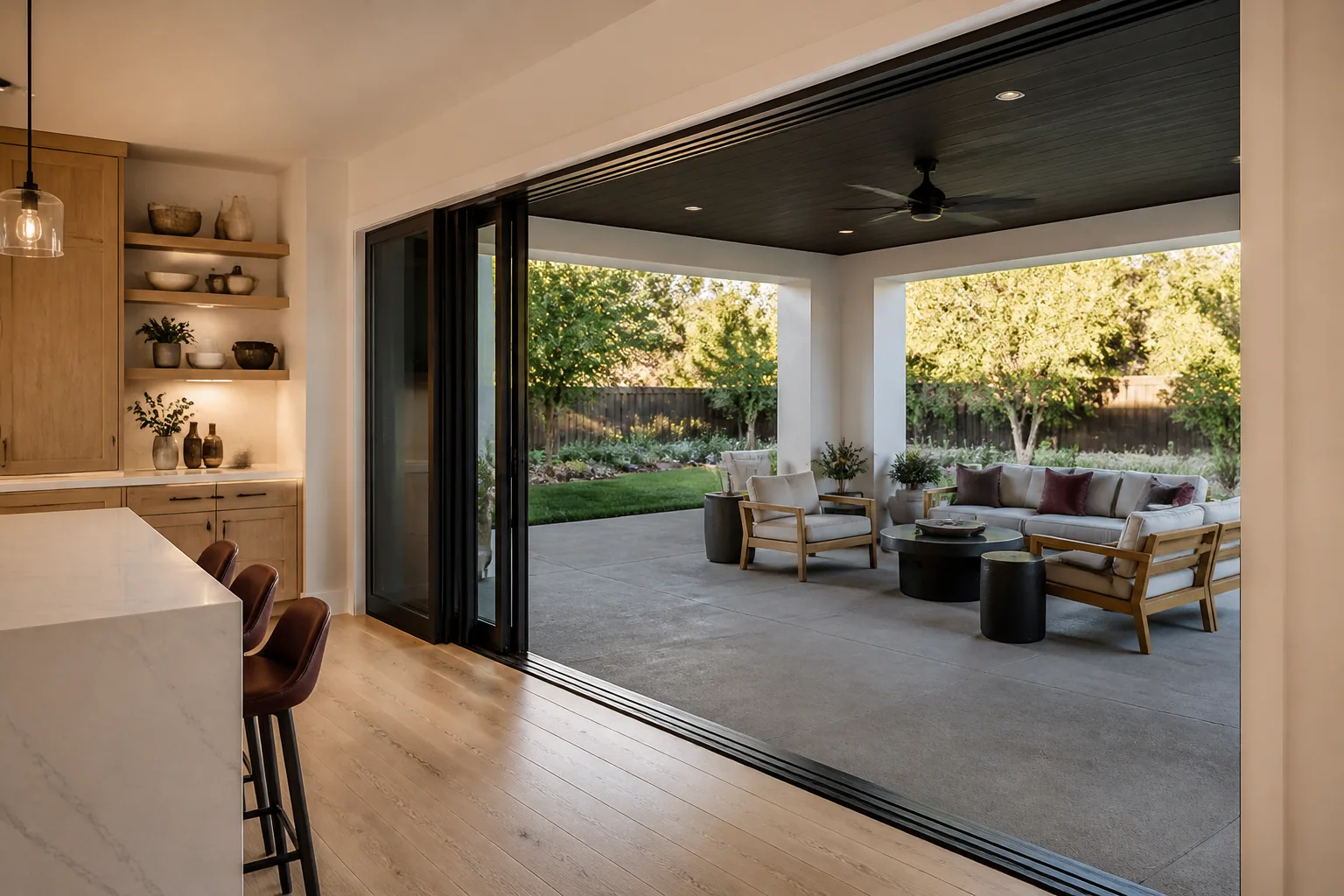
- Windows & doors
- Driveway & pavers
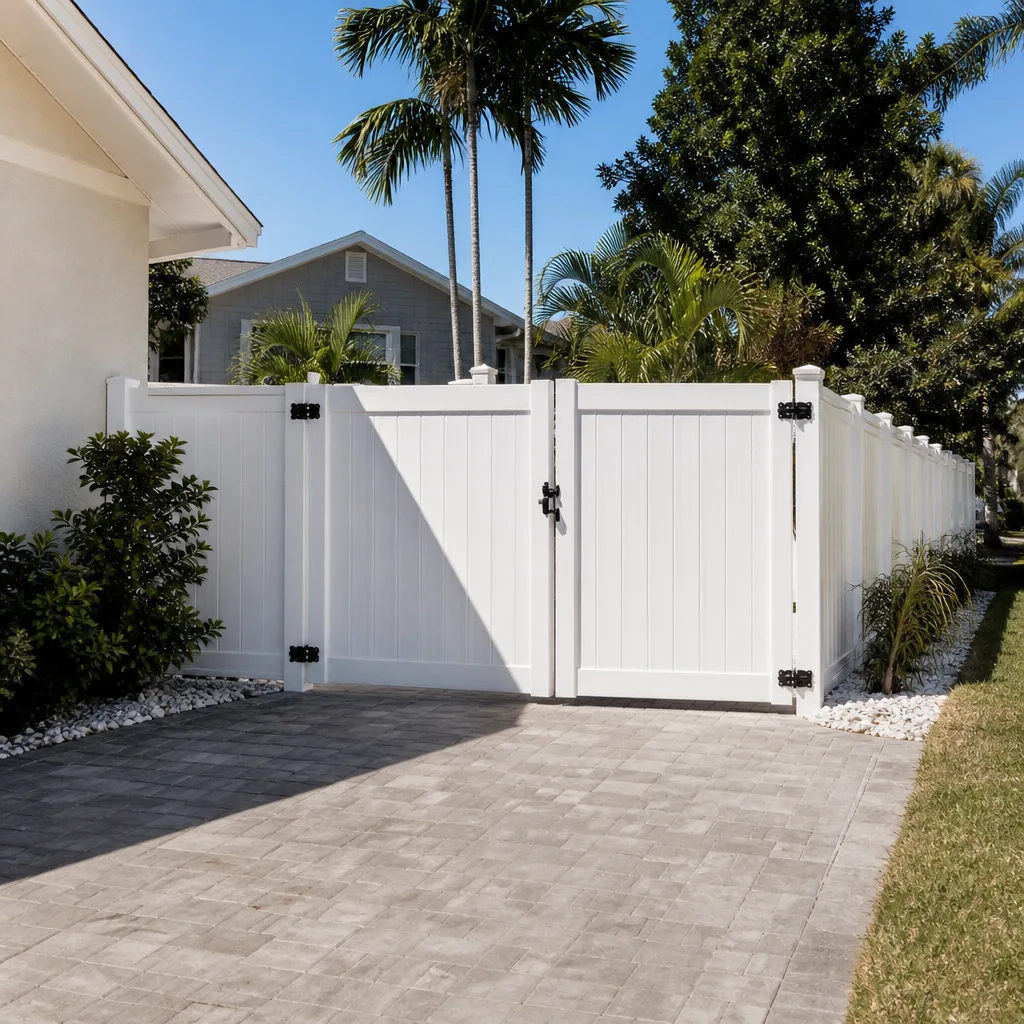
- Fence
Quick Answer
Construction in Lancaster costs more than coastal California estimates suggest because caliche hardpan excavation, wind exposure category D framing, and Mojave Desert curing protocols all add line items a generic bid leaves out. Permits for unincorporated parcels route through Los Angeles County Public Works rather than the City of Lancaster, which shifts inspection timelines by 3-6 weeks. A realistic Lancaster budget starts with a soils report and a written, itemized scope, not a square-footage guess.
Table of Contents
- Quick Answer
- How do Lancaster building permits work?
- What is caliche hardpan and why does it matter?
- How does Lancaster wind exposure affect construction?
- What are the seven trades most contracted in Lancaster?
- Why does Lancaster summer heat change your schedule?
- What does construction cost in Lancaster in 2026?
- How do you read a Lancaster construction bid?
- Common mistakes to avoid
- When to call a professional
- Frequently asked questions
- The bottom line
How Do Lancaster Building Permits Work?
Permit routing in Lancaster depends on whether your parcel sits inside city limits or in unincorporated Los Angeles County, and the two paths are not interchangeable. A project on a city parcel goes through the City of Lancaster Building and Safety division. A project on unincorporated land – much of the acreage east toward the Antelope Valley foothills and north of Avenue M – routes through Los Angeles County Public Works. Getting this wrong means a rejected submittal and a restart, which is where the 3-6 week delay usually comes from.
Here’s the sequence a Lancaster project follows:
- Zoning verification. Confirm the parcel’s jurisdiction and zoning before you draw anything. A county lot with a city mailing address is common in Lancaster and catches homeowners off guard.
- Soils report. Required for most structural work. This is also where caliche shows up, and it’s the document that should drive your excavation line item.
- Plan submittal. Structural calcs, energy compliance (Title 24), and site plan go to the correct jurisdiction.
- Plan check. Expect comments. A clean first-pass submittal is rare on additions and ADUs.
- Permit issuance and inspection scheduling. County and city inspection calendars fill differently, so the same scope can sit a week or two longer on one path than the other.
We’ve watched homeowners lose a month because a contractor assumed a city permit on an unincorporated parcel. Ask your contractor to write the jurisdiction and permit number path into the proposal. That single line tells you whether they’ve actually worked in Lancaster or are guessing. For scope like an addition or a garage conversion, the permit trail is the paper spine of the whole project. Our Home Additions & ADU in Lancaster page breaks down how that routing plays out on a real addition.
What Is Caliche Hardpan and Why Does It Matter?
Caliche is a calcium carbonate layer that forms in desert soil when groundwater leaches minerals upward and leaves them behind as the moisture evaporates. In Lancaster it shows up in a soils report as a consolidated layer that reads like very stiff clay or weak concrete. It can be inches thick or several feet, and it doesn’t care how nice your plans look.
What to look for in a soils report:
- A boring log that notes “caliche,” “calcareous hardpan,” or “cemented layer” at a specific depth.
- Excavation difficulty notes tied to that layer – a decent geotech will flag it directly.
- Recommendations for over-excavation or special footings if the layer sits where a foundation needs to bear.
Which trades get hit? Excavation is first, and it drives everything behind it. Concrete crews can’t pour footings in ground they can’t cut. Fence and hardscape crews hit it setting posts and base. Utility trenching for plumbing and electrical slows down when the trencher meets a cemented band. In 2025-2026 Antelope Valley pricing, caliche removal runs roughly $45-$120 per cubic yard depending on thickness and access – a line item that simply doesn’t exist on a bid prepared by someone who assumed normal soil. If your contractor hasn’t mentioned it and there’s no soils report, the number you’re looking at is a placeholder. We’d rather name it upfront, which is why every Rowan proposal is a flat written price with the excavation scoped, not a range that grows later. Our Driveway & Pavers in Lancaster page covers how base prep changes when the subgrade is hardpan.
How Does Lancaster Wind Exposure Affect Construction?
Lancaster sits in a high-wind corridor, and much of the ground above 2,300 feet falls into wind exposure category D under ASCE 7. Category D is the most severe exposure classification – it assumes open terrain with little to slow the wind, and it tightens your framing and fastening specs. A coastal crew used to category C writes a lighter spec and doesn’t know it’s wrong.
What category D changes in practice:
- Framing. Sheathing attachment and anchorage get heavier nailing schedules and closer spacing.
- Roofing. Fastener schedules tighten – more nails per shingle, specific patterns for the uplift zone at edges and ridges. We spec GAF and Owens Corning systems because their published installation instructions for high-wind areas leave no room to guess.
- Material selection. Roof edge metal, ridge caps, and window ratings all need to meet the design pressure a category D site produces.
- Windows and doors. Replacement units should carry a design pressure rating that matches the exposure, not whatever the box says.
This is a genuine structural issue in Lancaster, not a footnote. A roof installed to a coastal spec will fail early on a windy Antelope Valley ridge, and the warranty usually won’t cover it once the installer’s method is examined. Ask to see the fastener schedule before roofers touch your deck. Roofing fastening is also one of the places we flag real safety: working at height on a steep or high-wind roof is not a homeowner job. Call a licensed roofing professional.
What Are the Seven Trades Most Contracted in Lancaster?
Most Lancaster residential work falls into seven trade categories. Knowing the realistic scope of each helps you compare bids apples to apples.
Concrete. Slabs, footings, driveways, and patios. In Lancaster the scope always includes subgrade prep and, often, caliche removal, plus curing measures for heat.
Framing. Stick framing for additions and garages, plus structural repair. Category D wind exposure drives the connection details.
Roofing. Tear-off and replacement, with attention to the shingle layer count and underlayment. Desert UV degrades roofing faster than coastal installs experience, so material choice matters.
Electrical. Panel work, circuits, and EV chargers – increasingly common in Lancaster garages. Anything at the panel or on the service is a licensed-electrician job with real shock and fire risk. Don’t open a panel yourself.
Plumbing. Repipes, water heater replacement, and rough-in for additions. Hard water in the valley shortens fixture life, which is one reason many homeowners end up weighing Kohler and Toto replacements over cheap builder-grade units.
HVAC. Desert summer load means right-sizing the system matters. A unit sized for a coastal climate will run constantly from June to September in Lancaster.
Hardscape. Pavers, retaining walls, and patio work. Belgard and Techo-Bloc pavers hold up to the heat-and-cold swing better than plain poured concrete, which is worth knowing if you’re weighing the two. Our Fence Installation in Lancaster team handles the fence-and-wall side of the same yard work.
Why Does Lancaster Summer Heat Change Your Schedule?
Lancaster summers regularly push past 100°F, and concrete doesn’t cure well in that heat without help. A pour that goes down at 2 p.m. in July will lose workability, flash-set, and crack before it’s finished. That’s why summer schedules in Lancaster are built around sequencing, not just labor availability.
The protocol that competent crews follow:
- Early-morning or evening pours. Flatwork goes down when the ambient temperature is workable.
- Slump adjustment and admixtures. Retarders and water-reducing admixtures keep the mix placeable without adding water on site.
- Curing measures. Curing compound, wet curing, or blankets, depending on the pour. Skip it and surface cracking follows.
- Shade and wind protection during cure. Wind pulls moisture from a fresh slab fast in the Antelope Valley.
- Adjusted inspection timing. Scheduling around the heat can push a pour to a different day, which cascades into framing and roofing.
All of that adds roughly 5-10% to concrete labor costs compared with a coastal project, and it’s the kind of number a bid prepared by an out-of-area contractor never accounts for. If you’re planning a project between May and September in Lancaster, ask whether the proposal includes heat-weather curing measures. It’s a fast way to tell who’s worked a desert summer and who hasn’t.
What Does Construction Cost in Lancaster in 2026?
Price ranges below are for typical residential scope in the Lancaster market, in 2026 dollars. They are ranges because soil, access, and wind exposure shift the number – the point is to give you a benchmark to compare a written bid against. Every Rowan project starts from a flat written price with a written scope, so the range becomes a single number before anyone starts.
- Caliche excavation: roughly $45-$120 per cubic yard, depending on thickness and access.
- Basic driveway, concrete: around $8-$14 per square foot; paver driveways run more, with the base-prep cost tied to subgrade.
- Full roof replacement: broad range driven by pitch, layer count, and material – a category D fastener spec adds to the labor side, not a small line.
- Electrical panel upgrade: commonly quoted in the low-to-mid four figures depending on service size and trenching.
- HVAC system replacement: desert-load sizing and efficiency tiers push the range well above a builder-grade swap.
- Addition or ADU rough-in: the largest swing item, because permit jurisdiction, soils, and wind exposure all stack on the foundation end.
Take any bid without a soils report and mentally add 12-18% to the foundation and excavation lines. That’s the headroom a caliche surprise eats. We’d rather show you the number now than hit you with it mid-project, which is why the written price comes before the tool and a signed change order is required before any change proceeds.
How Do You Read a Lancaster Construction Bid?
A Lancaster bid that doesn’t reflect the local environment is a bid that will change. Here’s how to read one:
- Look for the soils report reference. No soils, no caliche line, and you’re the one holding the risk.
- Find the wind exposure category. Category D framing and fastener schedules should be written into the scope, not assumed.
- Confirm the permit jurisdiction. City of Lancaster or Los Angeles County Public Works – the bid should say which, and who’s pulling it.
- Check the curing and sequencing language. A summer pour with no curing plan is a crack waiting to happen.
- Confirm what documentation you’ll receive. A photo record, a signed change order process, and a written warranty should be part of the deal, not a verbal extra.
If a competitor’s quote leaves you uncertain, we review any written estimate line by line at no charge. Bring it in.
Common Mistakes to Avoid
- Accepting a bid with no soils report. Caliche hardpan sits under most Antelope Valley lots, and the excavation line only appears once you’ve paid for a report. Skipping it just moves the cost to mid-project.
- Assuming a city permit on an unincorporated parcel. Much of eastern Lancaster routes through Los Angeles County Public Works, and the wrong path costs weeks on plan check.
- Letting a coastal contractor set the wind spec. Category D framing and fastener schedules are required in high-wind areas, and a lighter spec fails early.
- Scheduling a July pour with no curing plan. Desert heat flash-sets concrete; curing measures add 5-10% to labor and prevent a cracked slab.
- Weighing pavers against concrete on price alone. Base prep over hardpan is the real cost driver, not the surface material.
- Signing a proposal with no change-order discipline. Without a signed change order governing every change, the “few percent” margin between bid and final bill evaporates fast.
- Size an HVAC system for a coastal climate. Lancaster’s desert load will leave an undersized unit running all summer.
When to Call a Professional
Some Lancaster work is fine to take on yourself – painting, landscaping, minor trim. The moment the job involves caliche excavation, a footing, anything at the electrical panel, gas or plumbing rough-in, or work at height on a roof, it’s a licensed professional’s job. These components fail dangerously, not just expensively. A mis-set footing in hardpan, a panel wired wrong, or a roof fastener schedule skipped on a windy ridge all carry real risk. If a bid you’ve received is vague on excavation, wind specs, or permit routing, bring it in for a free second opinion. Rowan Construction Group Lancaster offers free estimates in Lancaster – call (844) 797-3312 to schedule yours.
Frequently Asked Questions
It depends on scope, but the local realities are the caliche excavation line (roughly $45-$120 per cubic yard) and the category D wind details, both of which are easy to leave out of a bid. A written, itemized quote gives you a single number instead of a range. Call (844) 797-3312 for an exact quote – estimates are free.
Yes for most structural work. The soils report is where caliche hardpan gets identified, and it’s the document that should drive your excavation budget. Without it, the number you’re looking at is a placeholder. Call us to talk through what a report for your lot should include.
It depends on your parcel. City parcels route through City of Lancaster Building and Safety; unincorporated parcels route through Los Angeles County Public Works. Getting this wrong costs 3-6 weeks on plan check. Confirm the jurisdiction before you submit.
Much of Lancaster above 2,300 feet falls into wind exposure category D, which tightens framing specs and roofing fastener schedules. A roof installed to a lighter coastal spec fails early on a windy ridge. Ask to see the fastener schedule before work starts.
It shouldn’t. Under Rowan’s Haven Standard, the price is written before anyone starts, and no change proceeds without a signed change order. That discipline is why our projects finish within a few percent of the agreed number. Call (844) 797-3312 for a written price on your scope.
Summer heat adds 5-10% to concrete labor because of sequenced pours and curing measures, so shoulder seasons can pencil out better on flatwork. The trade-off is scheduling availability. Call us and we’ll walk you through timing for your specific project.
The Bottom Line
Construction in Lancaster isn’t hard to get right – it’s hard to bid right from a template. The variables that decide your final number are local: caliche hardpan that most bids ignore, wind exposure category D that tightens every fastener, Los Angeles County permit routing on unincorporated parcels, and desert summer curing that adds 5-10% to concrete labor. Get a soils report, confirm your permit jurisdiction, and insist on a written, itemized scope. Then compare bids against local reality instead of a coastal estimate. Every Rowan project starts from a flat written price with a written scope, and we’re glad to review your current quote line by line for free. Call (844) 797-3312 to get started, or start at our Rowan Construction Group Lancaster home.
Written by the team at Rowan Construction Group Lancaster.
See the difference
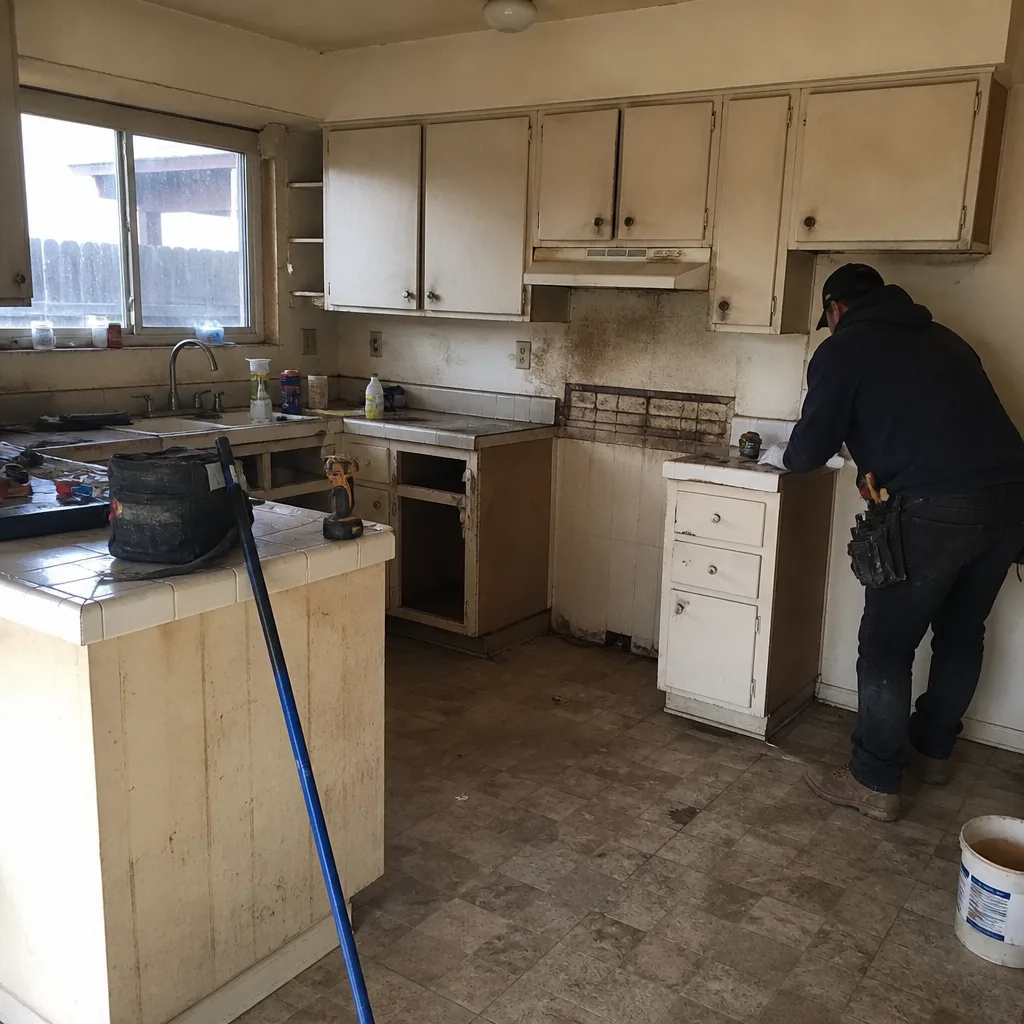 Before
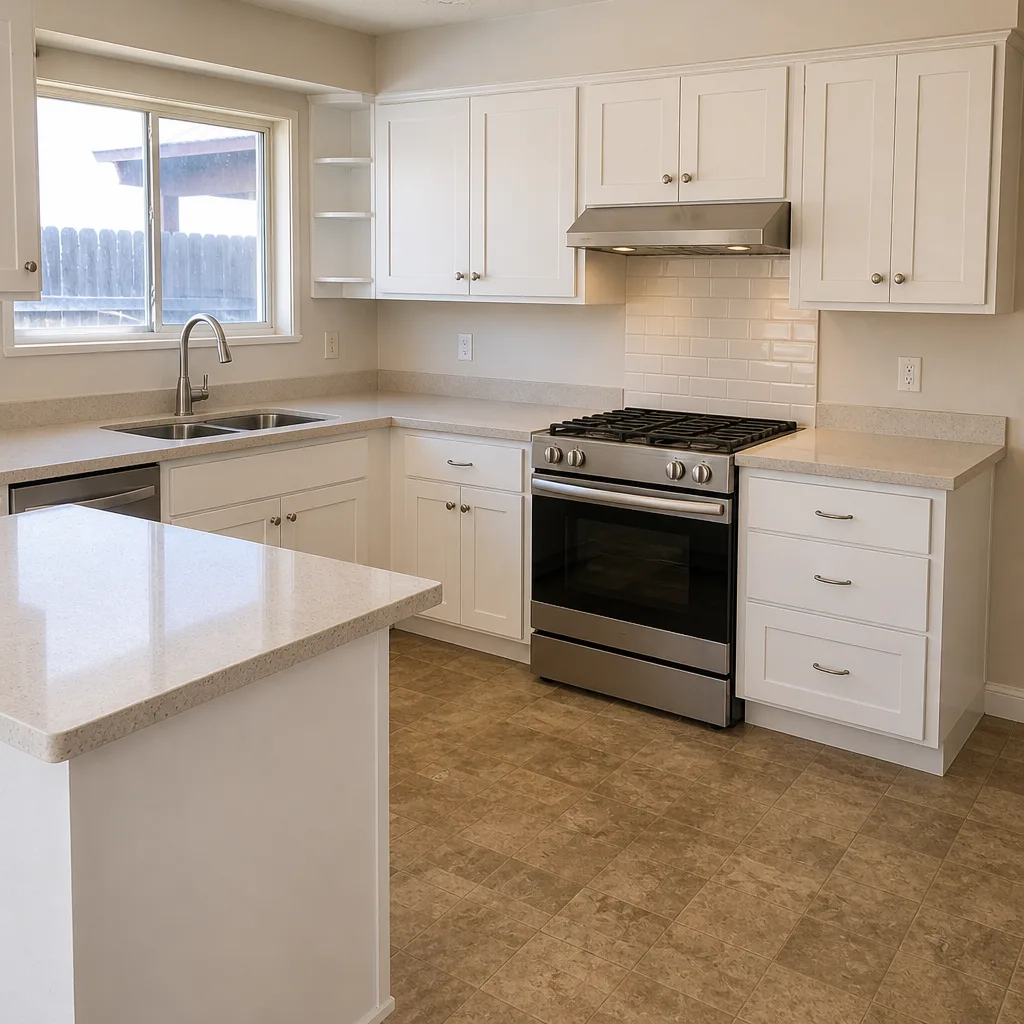 After
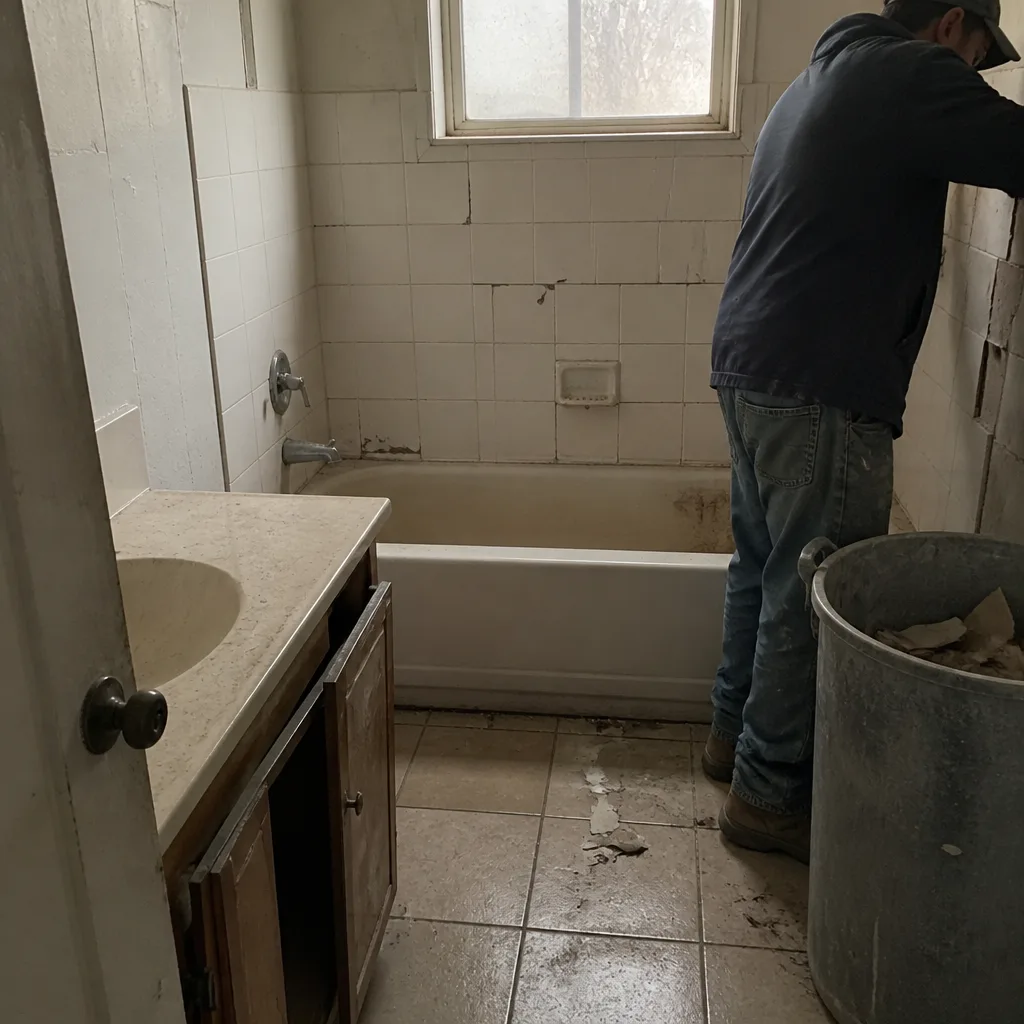 Before
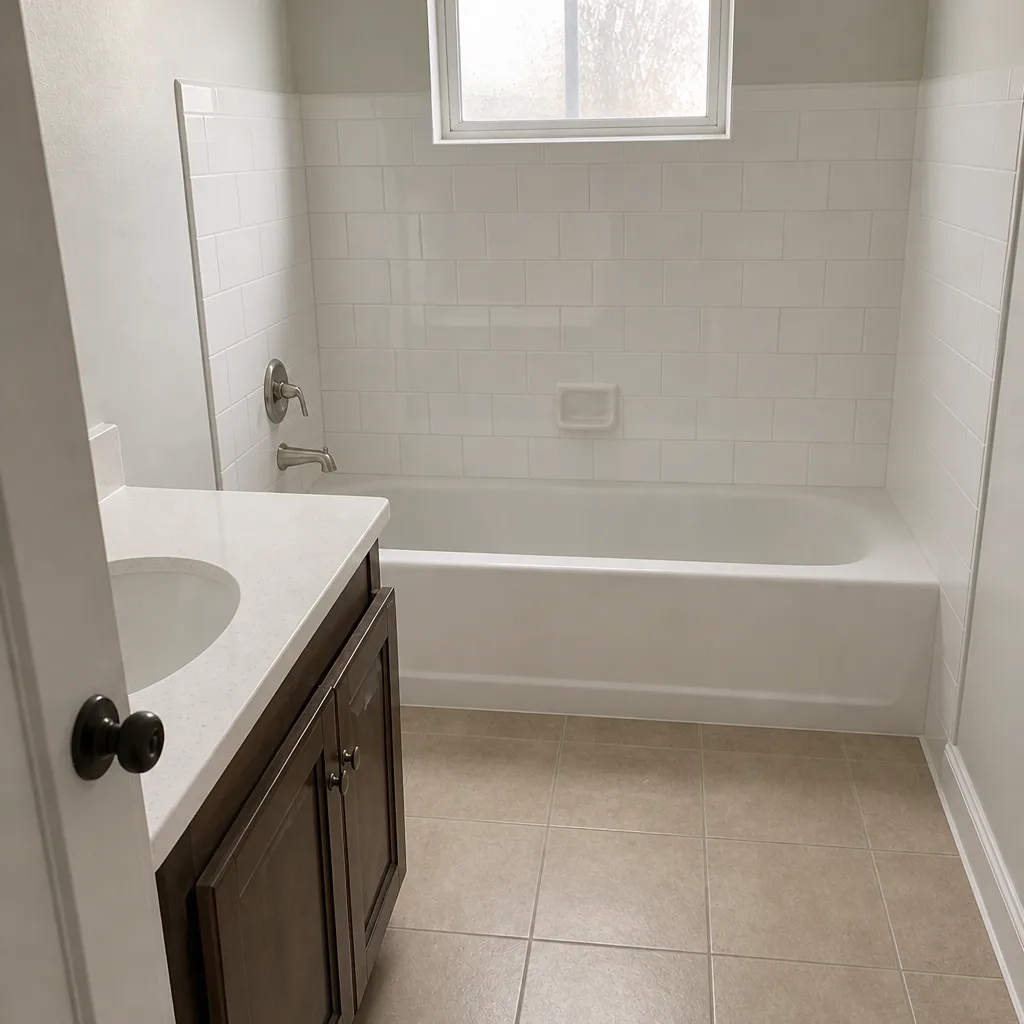 After
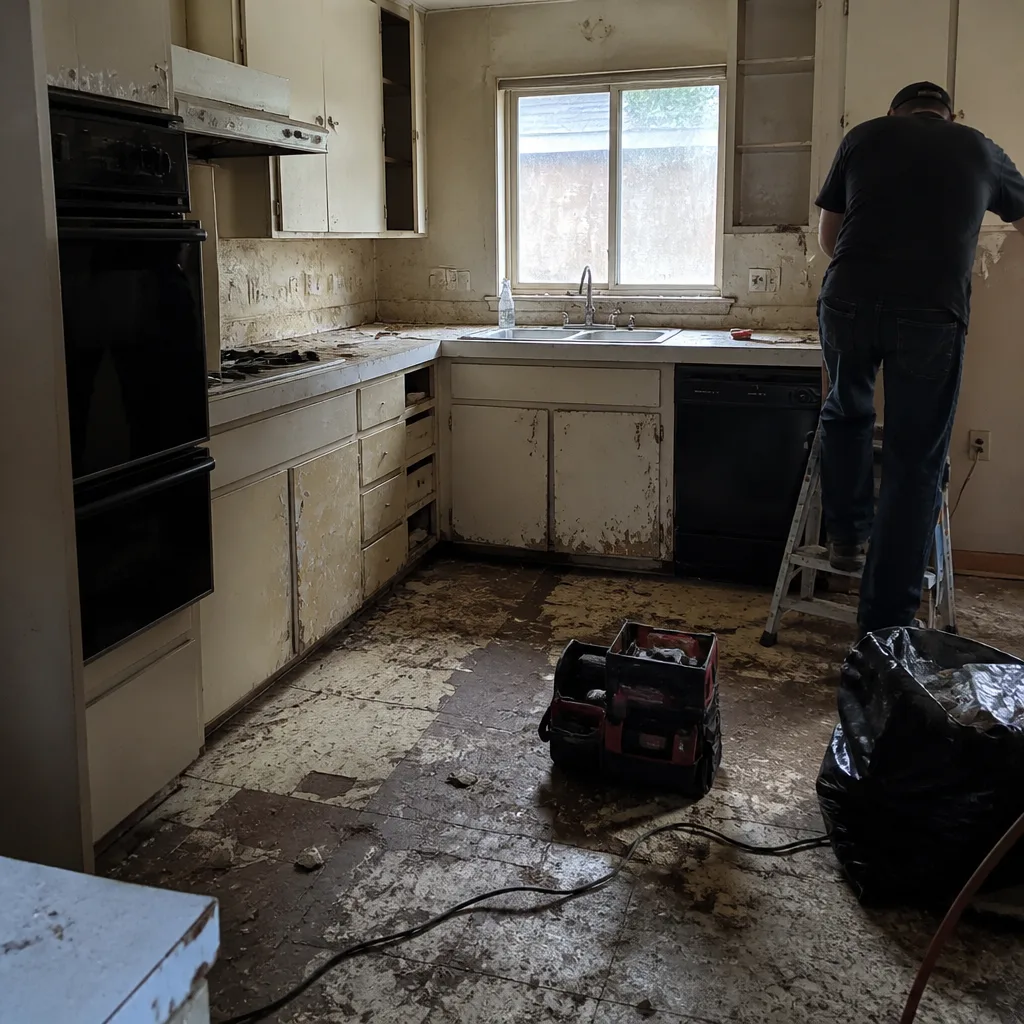 Before
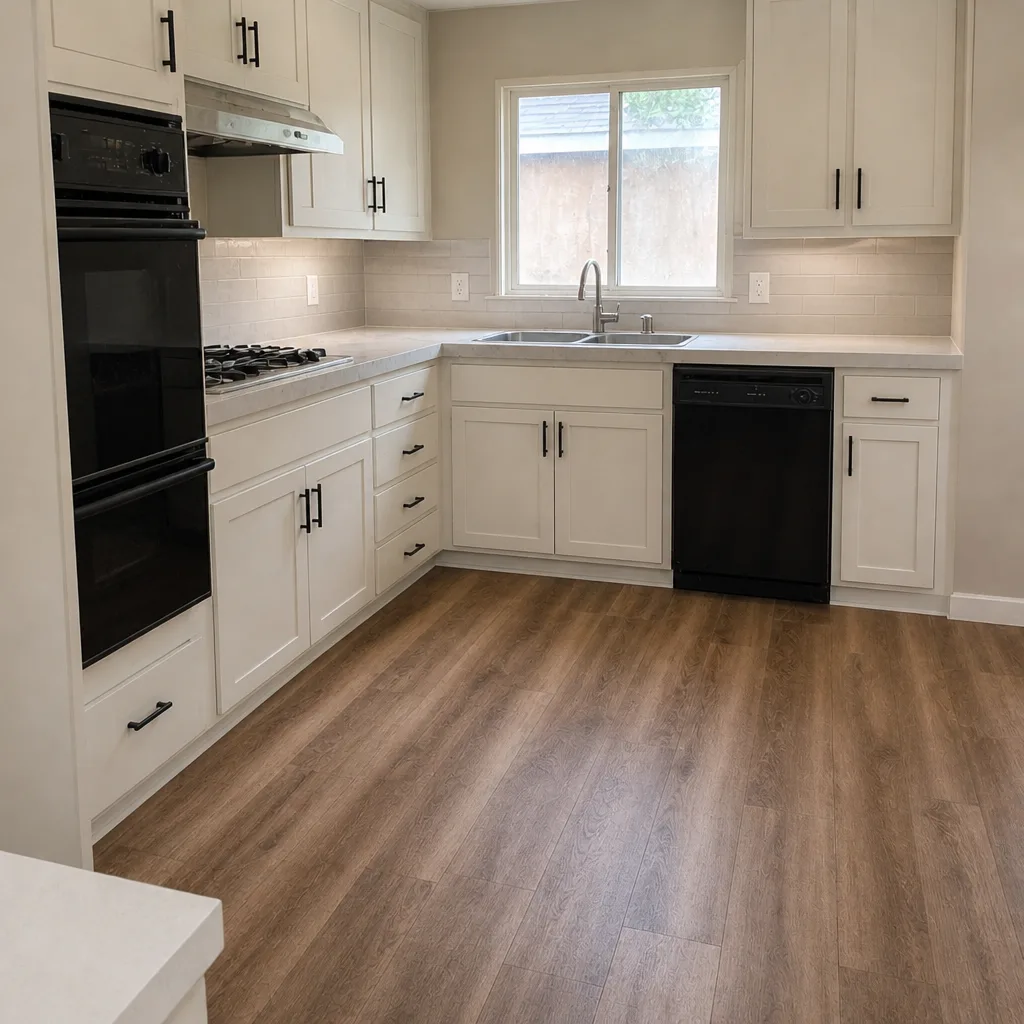 After