Last updated November 17, 2026



Free written scope consultation - allowances, timeline, and change-order rules on paper before a single trade is scheduled
Construction Warning Signs: A Lancaster Homeowner’s Reference Guide
Diagonal cracks at window corners and door frames are the most misdiagnosed symptom in Lancaster residential construction. They’re routinely patched with paintable caulk when roughly 30% of the time they point to differential foundation settlement caused by expansive soil – a condition that runs $8,000 to $40,000 to remediate and doesn’t improve with surface patching. This guide translates 22 specific visual and physical symptoms into probable causes, urgency tiers, and cost ranges, so you can tell a $200 caulk repair from a $14,000 foundation investigation. We’ve walked Lancaster homes long enough to know which cracks talk and which just look loud.
Quick Answer
The most serious construction warning signs in a Lancaster home are stair-step cracks in block walls, diagonal cracks wider than 1/8 inch at window and door corners, granules collecting in gutters, and doors that bind seasonally with rainfall. Treat foundation cracks, roof decking sag, and any through-wall stucco crack as high-urgency and call a structural engineer or licensed contractor before patching. Everything else can usually wait for a scheduled evaluation, but it should be logged and photographed so you can track whether it’s moving.
Styles & brands we work with
- Kitchen remodeling
- Bathroom remodeling
- Home additions & ADU
- Roofing
- Windows & doors
- Driveway & pavers
- Fence
Table of Contents
- Foundation warning signs, ranked by urgency
- Roofing warning signs you can’t see from the ground
- Stucco cracking: hairline, map, and through-wall
- Electrical and plumbing signals that masquerade as cosmetic issues
- Soil-specific warning signs in Lancaster’s caliche and expansive clay
- How to log seasonal door and window binding
- The 10-minute monthly walkthrough
- What each repair actually costs in Lancaster
Foundation Warning Signs, Ranked by Urgency
Foundation symptoms come in three families, and the shape of the crack tells you which family you’re looking at. Stair-step cracks that follow the mortar joints in block or brick are the most reliable indicator of differential settlement – the foundation is sinking unevenly, usually at one corner. Diagonal drywall cracks at window and door corners are the next most common, and they’re the ones most often misread as cosmetic. Floor slope is the third, and it’s the one homeowners notice last because the eye adjusts to a tilting floor within a few weeks.
- Stair-step cracks in block: Probable cause is differential settlement. High urgency. Call a structural engineer first, not a contractor.
- Diagonal drywall cracks over 1/8 inch at openings: Probable cause is settlement or framing movement. Medium-to-high urgency. Engineer if the crack has grown since you last measured.
- Floor slope under 1/4 inch over 10 feet: Often within tolerance. Log it quarterly and compare.
- Floor slope over 1 inch over 10 feet: High urgency. Engineer, not a patch.
- Doors out of square with the frame: Medium urgency if it’s stable, high if it’s cycling monthly.
A contractor patches. An engineer diagnoses. When you see stair-stepping or a crack that’s widened since you last looked, the right first call in Lancaster is a licensed structural engineer – their report is what any repair quote should be built on, and it stops you from paying for cosmetic work on a structural problem. Once you have that report, a written scope for the actual repair is the next step, which is exactly the sort of conversation our Rowan Construction Group Lancaster home team handles before anyone picks up a tool.
Roofing Warning Signs You Can’t See From the Ground
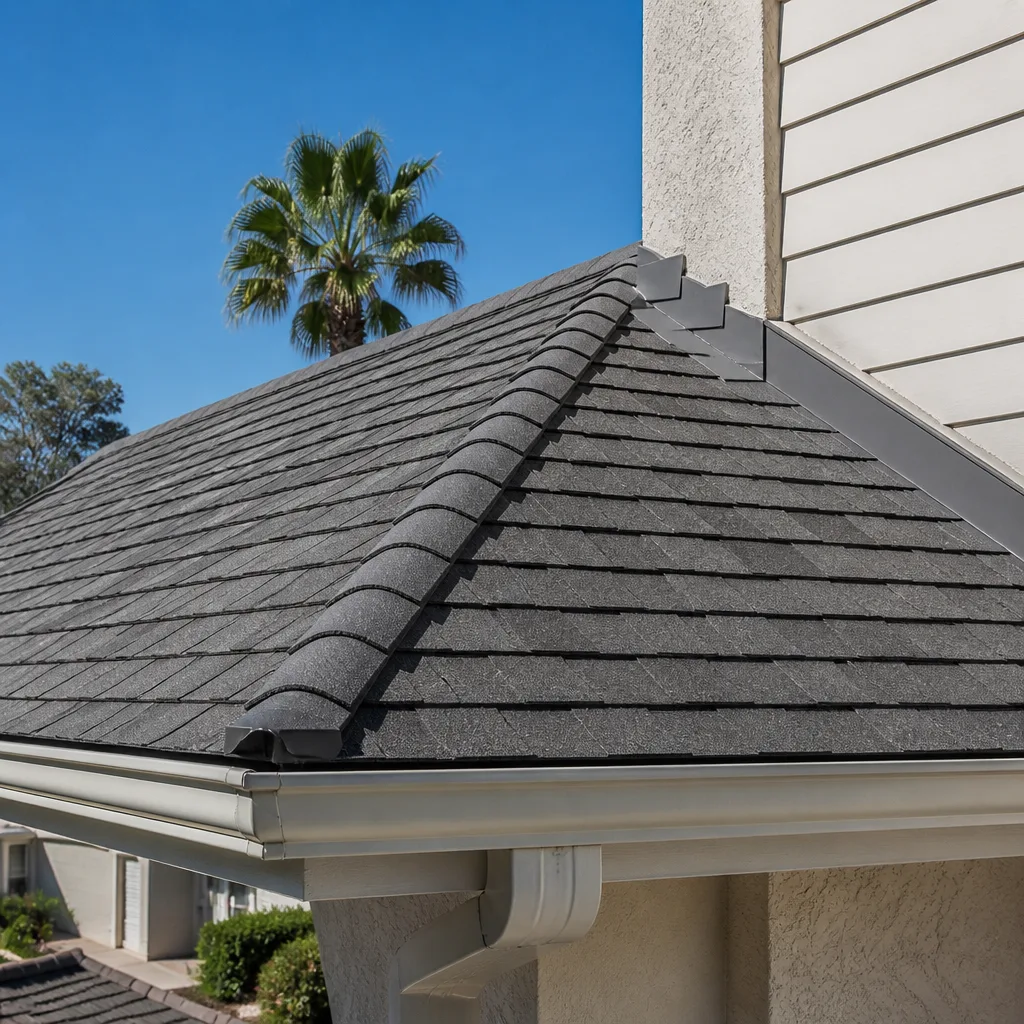
Most roofing failures declare themselves long before a leak reaches your ceiling, but the evidence sits where nobody looks: in the gutters, at the penetrations, and in the attic. Granule loss in the gutter is the cheapest signal to read – a scatter of granules after a rain is normal for a new shingle, but a steady accumulation of gray grit in every downspout means the shingle mat is wearing past its protective layer. On a Lancaster roof, that layer is what’s standing between your decking and the summer sun.
Flashing lift at penetrations – the metal collars around vents, chimneys, and skylights – is the second most common cause of interior stains, and it’s visible from the ground with binoculars if you know where to look. What you cannot see from the ground is decking sag, which shows up only from inside the attic as a dip between rafters or a soft spot near a valley.
- Check gutters after every significant rain for granule accumulation. If you find grit in three or more downspouts, schedule a roof inspection.
- Inspect flashing at every penetration annually with binoculars. Any lifted edge or missing sealant is a repair, not a replacement.
- Walk the attic twice a year. Look for daylight, water staining on rafters, and any visible sag in the decking between rafters.
- Log the date of every inspection and what you saw. Roofing decisions get easier when you can compare against a written record.
Roof inspections in Lancaster should happen annually, or every six months if the roof is past 15 years. A shingle layer count of two is common on mid-century Lancaster homes and worth knowing before you get a quote – replacement pricing is different for a one-layer tear-off versus a two-layer.
Stucco Cracking: Hairline, Map, and Through-Wall
Stucco cracking comes in three types, and each one tells you something different about the layers beneath. Hairline cracks are cosmetic, usually the result of normal curing shrinkage, and a quality elastomeric sealant handles them. Map cracking – the fine, interconnected pattern that looks like the surface of a dried lakebed – is usually a scratch coat problem: the base layer cured too fast or was mixed too thin, and the top coat is cracking as it moves with the substrate. Through-wall cracks, where you can see the lath or paper beneath, are the ones that matter most because they let water behind the water barrier.
- Hairline (under 1/32 inch): Cosmetic. Seal and monitor.
- Map cracking (web pattern): Scratch coat or curing issue. Seal if water is getting in, but investigate the barrier if the pattern is widespread.
- Through-wall (visible lath or paper): Water is entering the assembly. High urgency. Repair before the next rain season.
- Horizontal crack at a floor line or band: Often a framing or control-joint issue. Have a contractor read it before sealing.
The water barrier behind your stucco is what makes a through-wall crack serious – once water gets behind the barrier, it sits against the sheathing and framing, and rot follows within a few wet seasons. If your stucco is on a 1990s or earlier Lancaster home and you’re seeing map cracking near windows, our Home Additions & ADU in Lancaster team can look at the assembly as part of a broader structural review, because the same barrier question comes up any time framing is opened up.
Electrical and Plumbing Signals That Masquerade as Cosmetic Issues
Two of the most expensive hidden problems in residential construction announce themselves as cosmetic symptoms: efflorescence and outlet discoloration. Efflorescence – the white, powdery staining that appears on block, stucco, or concrete – is salt brought to the surface by moisture moving through the material. When it appears in a vertical streak on an interior wall or a slab edge, the streak traces the path a leak has taken, and it very often points to a plumbing line above or behind the surface. If you see efflorescence and you can’t find a roof or stucco source, call a plumber.
Outlet discoloration is the electrical equivalent. Brown or yellow staining around a receptacle face, a warm cover plate, or a faint burning smell at a switch means the circuit is carrying more load than the wiring is rated for. In older Lancaster homes this pattern shows up in kitchens where a modern appliance has been added to an original circuit.
- Streaked efflorescence on an interior wall: Suspect a supply or drain leak. Call a plumber before patching.
- Efflorescence on a slab edge or garage floor: Often a moisture vapor issue. Lower urgency, but track it.
- Discolored outlet covers or warm plates: Overloaded or loose connections. High urgency. A licensed electrician should look at the panel, not just the outlet.
- Breakers that trip repeatedly on the same circuit: High urgency. Never upsize the breaker to stop it tripping.
Electrical panel work falls into the “sell the diagnosis, don’t sell the DIY” category: no homeowner should open a panel or re-terminate a circuit. The right move is a licensed electrician with a documented inspection, and the right follow-up is a written scope for what needs replacing.
Soil-Specific Warning Signs in Lancaster’s Caliche and Expansive Clay
Lancaster sits on a mix of caliche – the lime-cemented layer that behaves almost like rock – and expansive clay soils that swell when wet and shrink when dry. That combination is why Lancaster homes show a specific cycle of symptoms that homeowners elsewhere never see: doors that bind in the wet season and free up in the dry, then bind again the next year, and windows that stick a little more each spring. The key is not whether your door binds once. It’s whether the pattern is cycling and getting worse.
Caliche adds a wrinkle because it doesn’t drain the way ordinary soil does. When water pools on a caliche surface, it finds a path, and that path is often under or against a foundation. The warning signs specific to Lancaster soil:
- Doors and windows that bind with rainfall and free up in dry months: Expansive clay movement. Log it monthly.
- New cracks that appear after the first rain of the season: Moisture-driven settlement. Measure and photograph on the same day each month.
- Standing water against the foundation after a rain: Grading or caliche drainage issue. Fix the fall of the soil before you patch the crack.
- Soil pulling away from the foundation line by more than an inch: Shrinkage. Medium urgency. Investigate irrigation and grading.
When the seasonal pattern crosses into actionable territory, we’ve seen it most often in Lancaster’s older neighborhoods where original grading has settled over decades. The Driveway & Pavers in Lancaster conversation often starts here, because the grading and drainage fix and the hardscape fix are the same project.
How to Log Seasonal Door and Window Binding
Binding doors and windows are the single best early signal you have, because the data is easy to collect and the trend tells you more than any single reading. The trick is to log it, not judge it. Use your phone: once a month, on the same day, open and close each interior door and window and note whether it drags at the top, the latch side, or the bottom. Take a photo of any crack next to the frame with a coin held against it for scale.
- Pick a fixed day each month. First Sunday works for most people.
- Open and close every interior door and note where it drags. Photograph the gap at the top of each door as a reference.
- Measure and photograph any crack over 1/16 inch with a coin or a ruler for scale.
- Note the date and recent weather. Rain and heat matter to the reading.
- After six months, compare. If the drag is worse in wet months and better in dry, that’s expansive clay. If it’s getting steadily worse regardless of season, that’s the early sign of settlement and worth the call.
A door that binds seasonally and returns to normal is called seasonal normal in the trade. A door that binds more each year is called progressive, and progressive is when you stop logging and call. A short review with a contractor and a copy of your log is a 20-minute conversation, and it’s the sort of thing worth getting in writing before you decide anything.
The 10-Minute Monthly Walkthrough
You don’t need a pro to do the monthly walkthrough. You need the right sequence and a phone. Here’s the one we recommend to every Lancaster homeowner, in the order that catches the most expensive problems first:
- Foundation perimeter: Walk the outside, look for new cracks in the stucco and any gap between the soil and the foundation. Photograph anything new.
- Window and door corners, inside: Look for diagonal cracks. Measure any you find.
- Under every sink: Run the tap, then look for moisture at the supply lines and the P-trap.
- Attic: Flashlight on the rafters and decking. Look for staining, daylight at penetrations, and any sag.
- Outlets: A quick visual pass on every receptacle cover for discoloration.
- Gutters and downspouts: Look for granule accumulation and any downspout that’s dumping water against the foundation.
If you find something that changes month to month, flag it. If you find something that’s clearly new, photograph it, date the photo, and get a second opinion. Our offer is simple: bring any competitor’s written estimate and we’ll review it line by line at no charge, which is the fastest way to know whether the scope you’re being quoted matches the symptom you’re seeing.
What Each Repair Actually Costs in Lancaster
The point of this reference is to give you a number to compare against, so here are the typical Lancaster ranges by category. These are ranges, not quotes, and the number that matters is the one written down before work starts.
- Caulk and sealant repair: $150 to $400, cosmetic, low urgency.
- Stucco patch and paint: $400 to $1,200 for a localized repair.
- Roof flashing repair at a single penetration: $350 to $900.
- Shingle repair after granule loss: $500 to $2,500, depending on the square footage.
- Full roof replacement, one-layer tear-off: $9,000 to $18,000 on a typical Lancaster home.
- Foundation investigation by a structural engineer: $500 to $1,500 for the report.
- Foundation remediation for differential settlement: $8,000 to $40,000, and this is the number that makes early diagnosis worth doing.
- Plumbing leak investigation and repair: $250 to $1,200, depending on access.
- Electrical panel evaluation and repair: $300 to $2,500, and never a DIY job.
A fence or driveway replacement that gets triggered by drainage correction falls into a separate budget line – the Fence Installation in Lancaster and Driveway & Pavers in Lancaster pages both carry their own written price ranges, and any grading work should be priced on its own line, not folded into the hardscape number. Under Clause 1 of the Haven Standard, the price is written before anyone starts, and no change proceeds without a signed change order. That’s the discipline that keeps a project within a few percent of the number the customer agreed to, and it’s why a written scope is worth more than a phone promise.
Common Mistakes to Avoid
- Caulking a structural crack. Paintable caulk over a diagonal crack hides the symptom for one season and lets the movement continue underneath. If the crack is over 1/8 inch at a window corner, get it read first.
- Calling a contractor for a structural problem. A contractor quotes a repair; a structural engineer diagnoses the cause. Stair-step block cracks are the classic case where the wrong first call wastes a month.
- Upsizing a breaker to stop it tripping. A tripping breaker is a signal, not a nuisance. The fix is a licensed electrician, and the panel is not a DIY project.
- Patching stucco without checking the water barrier. A through-wall crack on a Lancaster home often has water behind it. Sealing the face without checking the barrier traps the moisture against the sheathing.
- Ignoring standing water against the foundation. Caliche drainage problems in Lancaster compound – a single grading fix early saves a foundation investigation later.
- Accepting a verbal price. Get the scope and the price in writing before any work starts. If a contractor won’t put a number on paper, that’s the warning sign that matters most.
- Skipping the photo record. A dated photo log is the cheapest diagnostic tool you own. Every roof, every crack, every month.
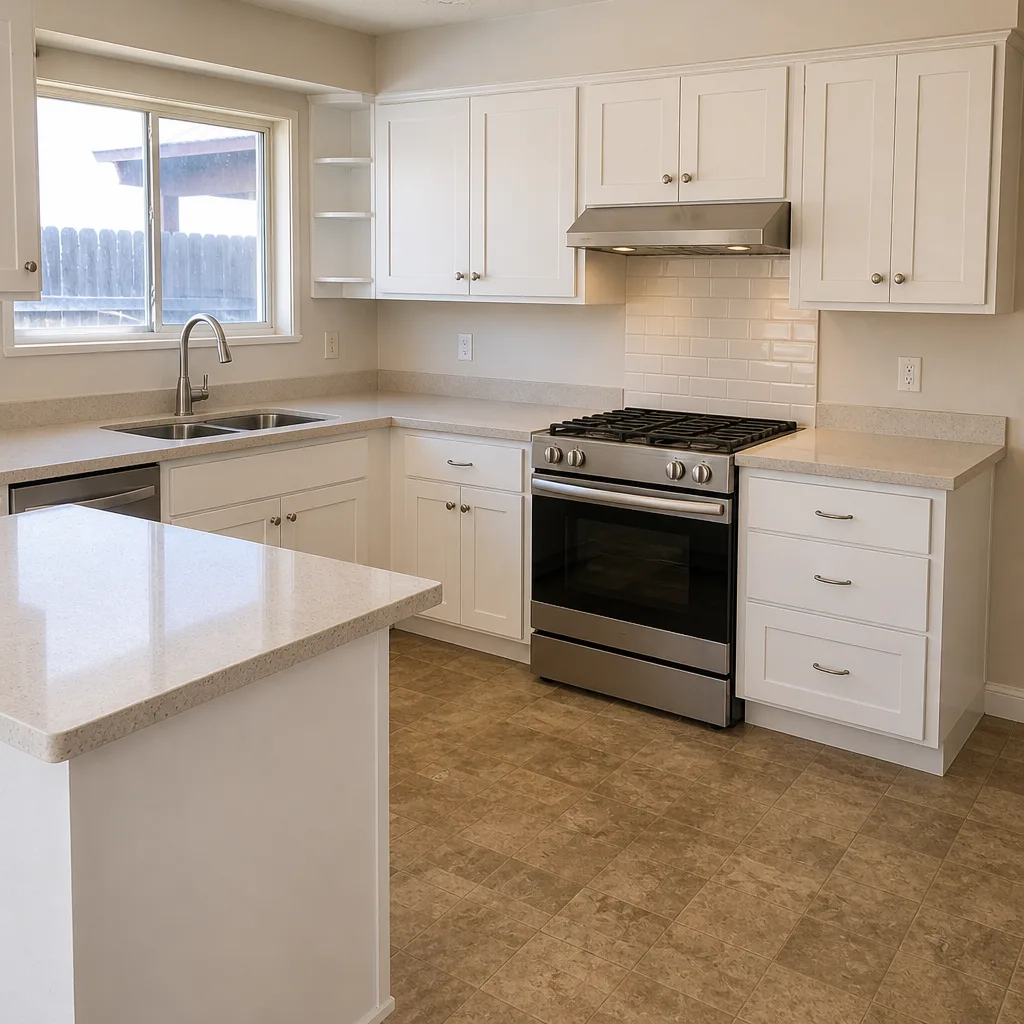
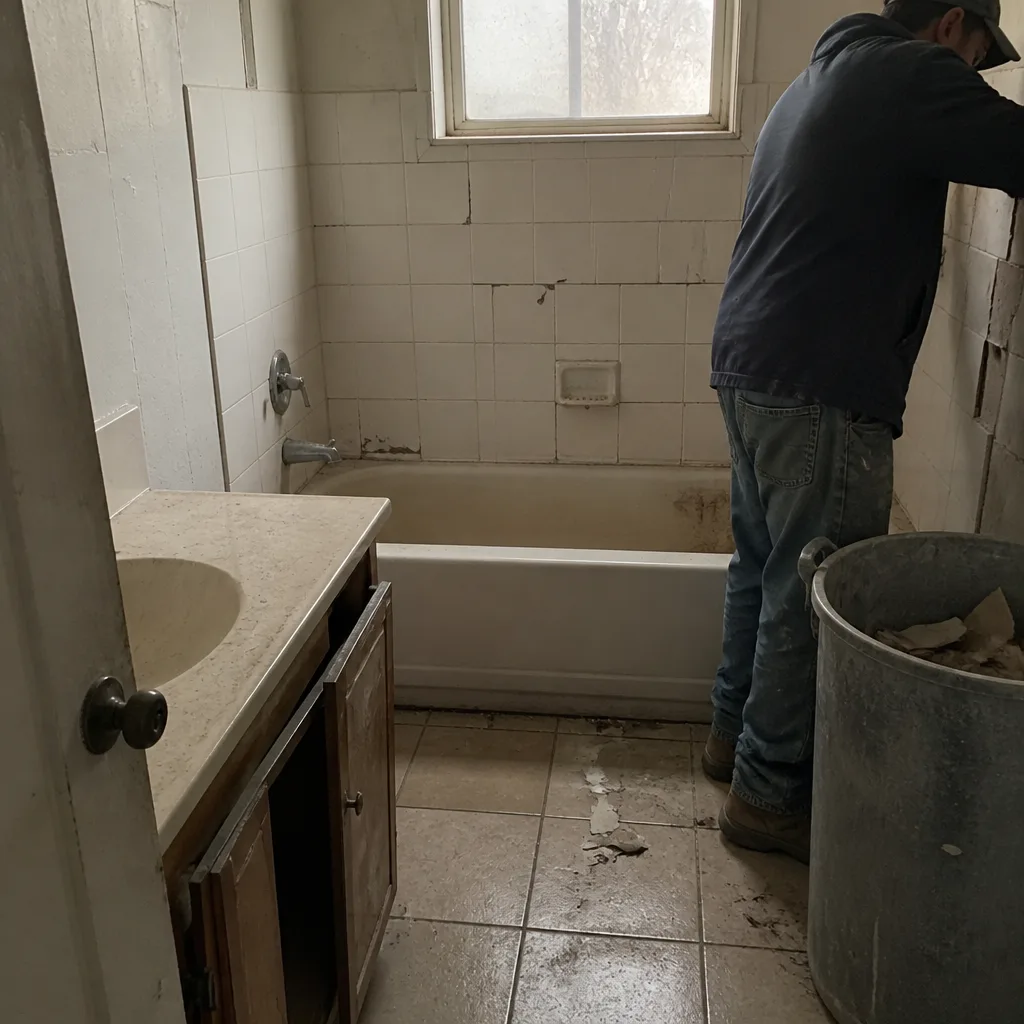
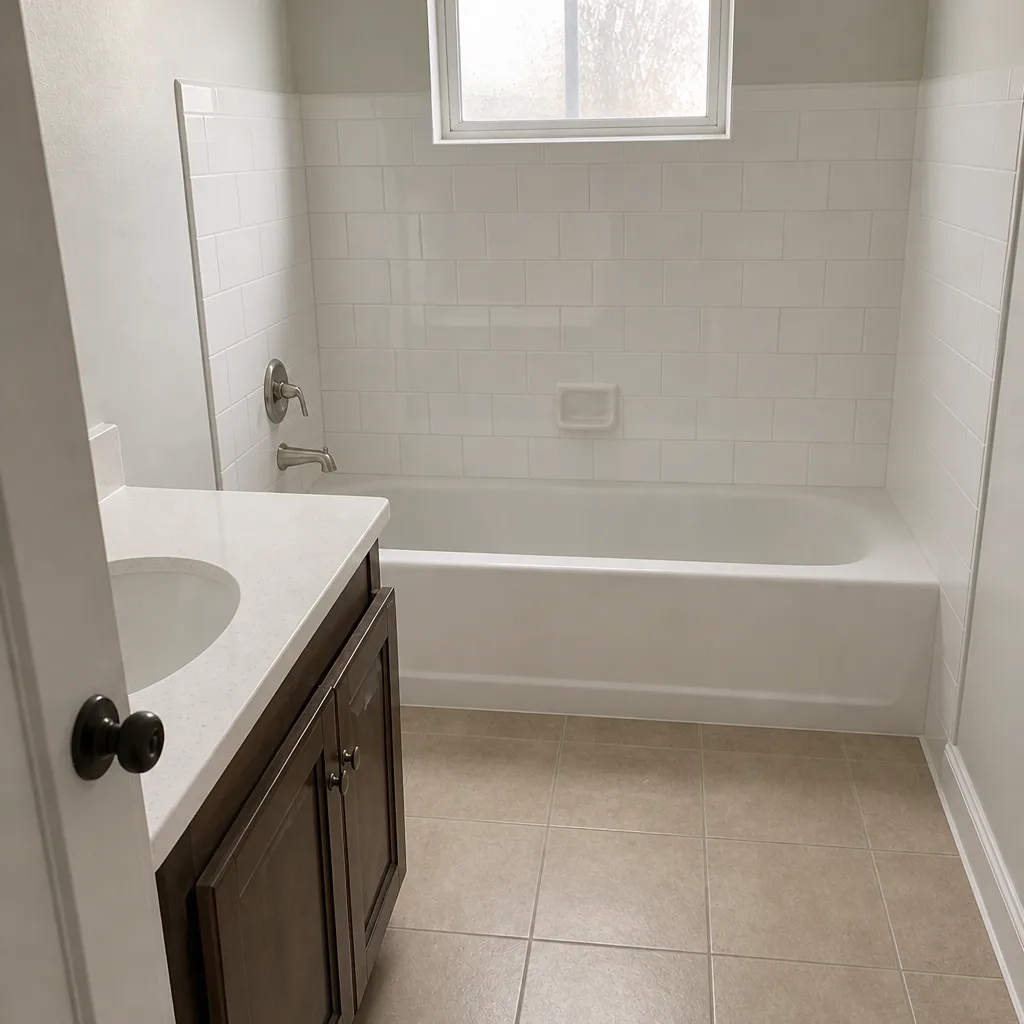
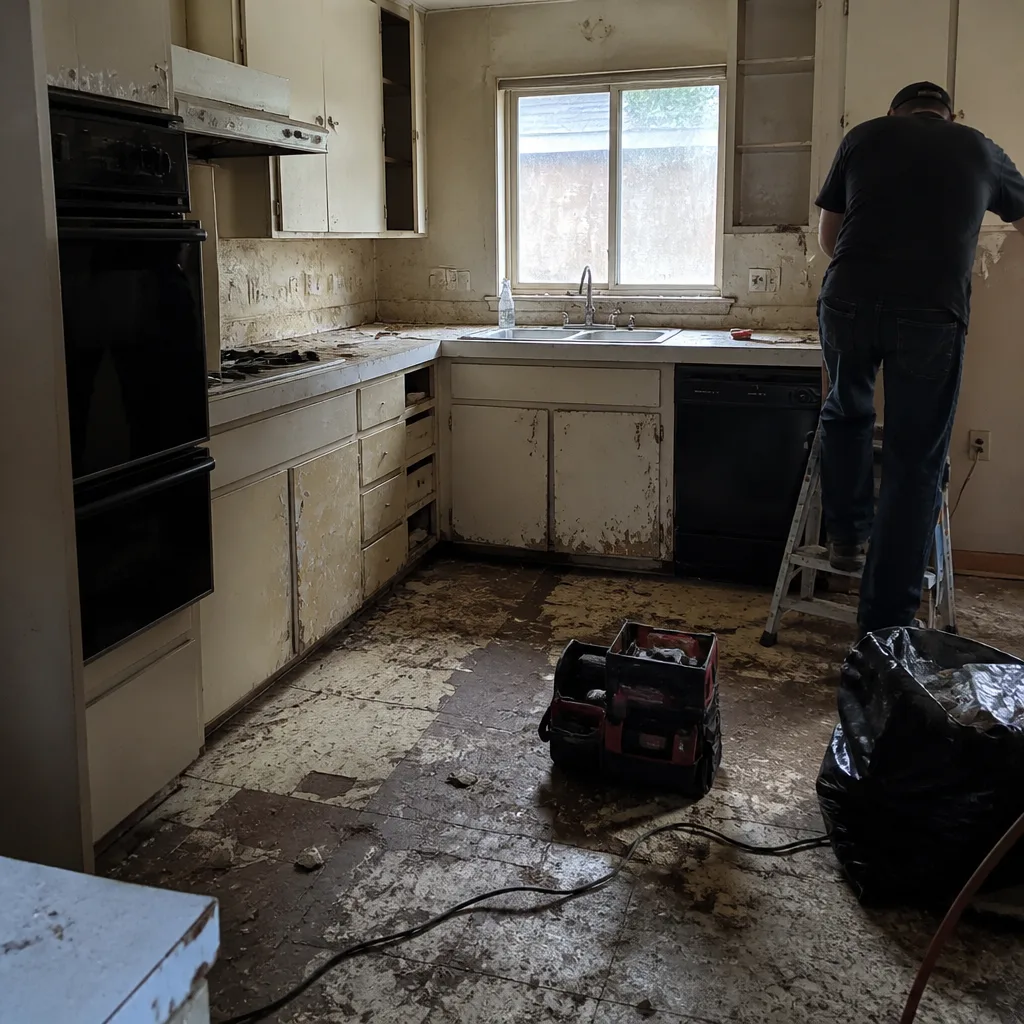
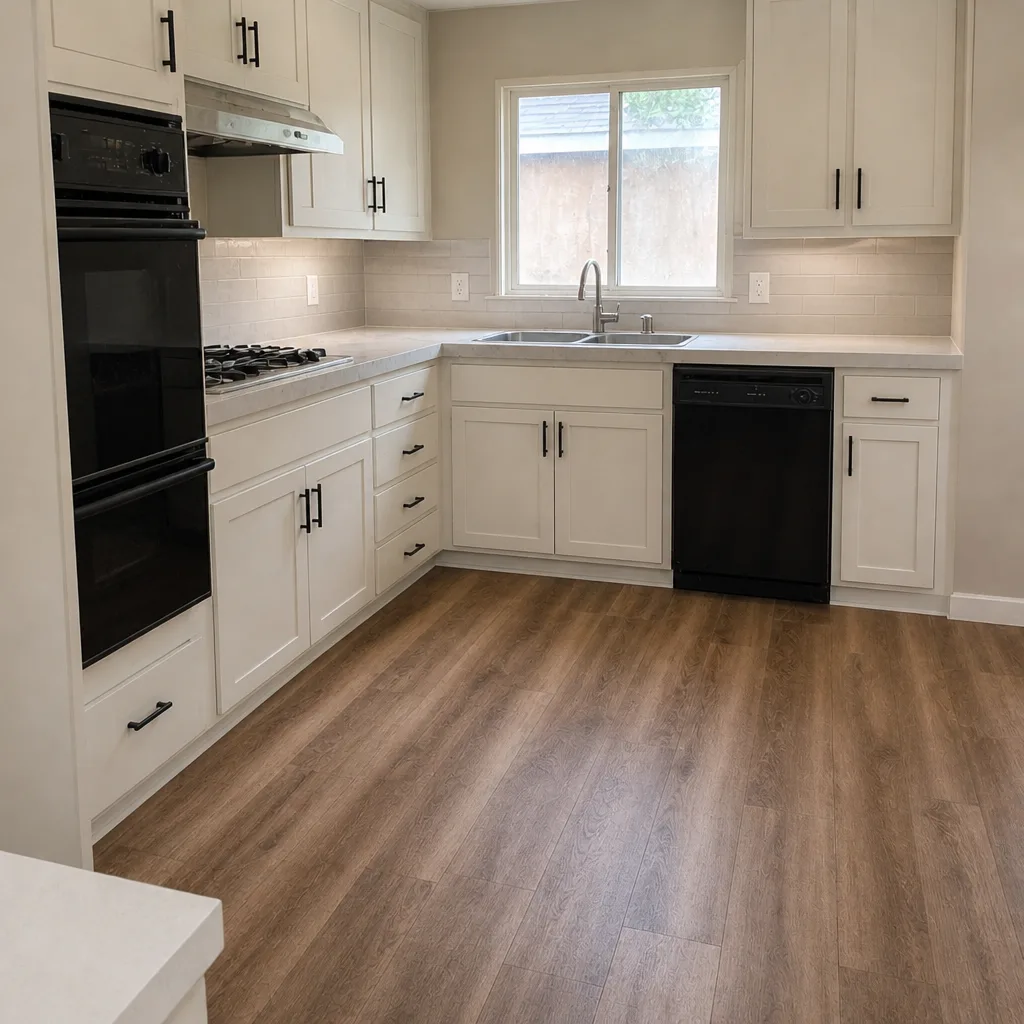
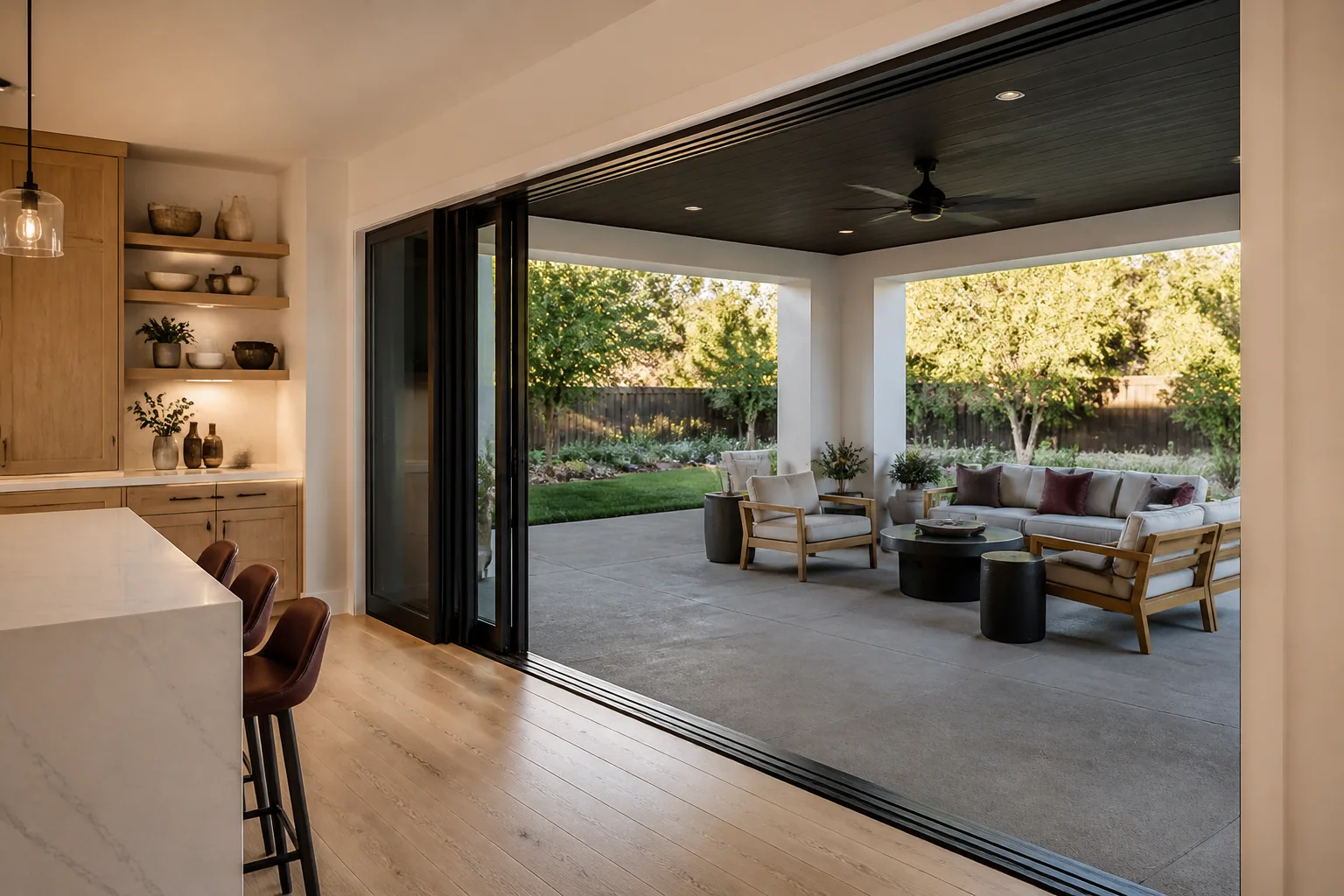
See the difference
 Before
 After
 Before
 After
 Before
 After
When to Call a Professional
Call a professional when a foundation crack is wider than 1/8 inch, when a floor slopes more than an inch over 10 feet, when you find daylight in the attic, when efflorescence appears in a vertical streak indoors, or when a breaker trips on the same circuit more than twice. Those are the symptoms where waiting is the expensive choice. For anything else, a written second opinion can tell you whether the work is cosmetic or structural without committing to a project. Rowan Construction Group Lancaster offers free estimates in Lancaster – call (844) 797-3312, and we’ll put a written price and a written scope in front of you before anyone touches a tool. Every crew arrives background-checked in uniform, and every visit comes with a documented photo record as a standard deliverable. If it’s not done right, the 365-Day Done Right Promise means we make it right.
Frequently Asked Questions
Foundation remediation for differential settlement in Lancaster typically runs $8,000 to $40,000, and the structural engineer’s report that should precede it costs $500 to $1,500. The range is wide because the number depends on how many piers or how much underpinning the engineer specifies. Get the report first, then get a written scope that matches it. Call (844) 797-3312 for a free second opinion on any foundation quote you’ve been given.
No. Roughly 30% of diagonal cracks at window and door corners in Lancaster homes indicate differential foundation settlement, and the rest are usually shrinkage, framing movement, or a stucco scratch coat issue. What separates the two is the pattern: a settlement crack widens over time and travels diagonally from the corner. A cosmetic crack stays stable at under 1/8 inch. Log it monthly and the answer becomes obvious. Call (844) 797-3312 if the crack is growing.
Annually, or every six months if the roof is past 15 years old. Granule loss in gutters is the cheapest early signal, and flashing lift at penetrations is the second. Lancaster’s summer heat is hard on shingle mats, so the annual inspection matters more here than in cooler climates. Call (844) 797-3312 to schedule one – estimates are free.
Efflorescence on an interior wall almost always means moisture is moving through the material, and the vertical streak traces the path a leak has taken. A supply or drain line above the streak is the most common source. Book a plumber before you patch the wall. Call (844) 797-3312 and we’ll review the repair scope with you at no charge.
When it stops returning to normal. Seasonal binding that eases in dry months is expansive clay doing what expansive clay does – that’s Lancaster soil behaving as expected. Binding that gets worse every year is progressive settlement and needs an engineer. A monthly log with dated photos is the tool that tells you which one you have. Call (844) 797-3312 to walk through your log with a contractor.
We can and do for the work that requires them – foundation, electrical panel, and structural repairs all need permits in most Lancaster cases. A written scope should always state which permits apply and who is pulling them. Under Clause 1 of the Haven Standard, the number is written before work starts, and no change proceeds without a signed change order. Call (844) 797-3312 to talk through a permit question.
The Bottom Line
The most expensive construction problems in Lancaster are the ones that show up as cosmetic symptoms six to eighteen months before they get called. Diagonal cracks at window corners, granules in the gutters, efflorescence streaks indoors, and doors that bind more each year are all cheap to read and expensive to ignore. The tools are a phone, a monthly date, and a written price before any work starts. When a symptom crosses from stable to moving, the right call is an engineer or a licensed professional, and the right paperwork is a written scope. Our technicians have up to 19 years of experience reading exactly these conditions across Lancaster homes.
Bring us any written estimate and we’ll review it line by line at no charge – it’s the fastest way to know what you’re actually being quoted for.
Rowan Construction Group Lancaster | (844) 797-3312 | Free estimates, written price before any work starts, documented photo record on every visit.
Written by the team at Rowan Construction Group Lancaster.