Last updated November 17, 2026


Free written scope consultation - allowances, timeline, and change-order rules on paper before a single trade is scheduled
Construction Emergency Preparedness Guide for Lancaster Homes
After the 2020 Ridgecrest aftershock sequence, homeowners without a pre-existing contractor relationship waited an average of 6 to 10 weeks for even a preliminary damage assessment. Homeowners who kept documented pre-event condition records – dated photos, maintenance logs, an existing contractor contact – processed their insurance claims 3 to 4 weeks faster, because they could prove what their house looked like before the shaking started. That gap is not about luck. It is about paperwork you either have or you don’t when the wind picks up or the ground moves. This guide covers the construction-specific preparation that decides how fast a Lancaster home returns to habitable: what to photograph, which retrofits matter, and how to vet a contractor under pressure.
Quick Answer
Construction emergency preparedness for a Lancaster home means three things done before an event: a cloud-stored photographic record of your home’s pre-event condition, targeted structural retrofits for wind and seismic risk (roof-to-wall straps, cripple wall bracing, water heater strapping), and a verified contractor contact with proof of license and insurance on file. Homes with all three recover faster on insurance claims and get back to habitable weeks sooner than homes without them.
Styles & brands we work with
- Kitchen remodeling
- Bathroom remodeling
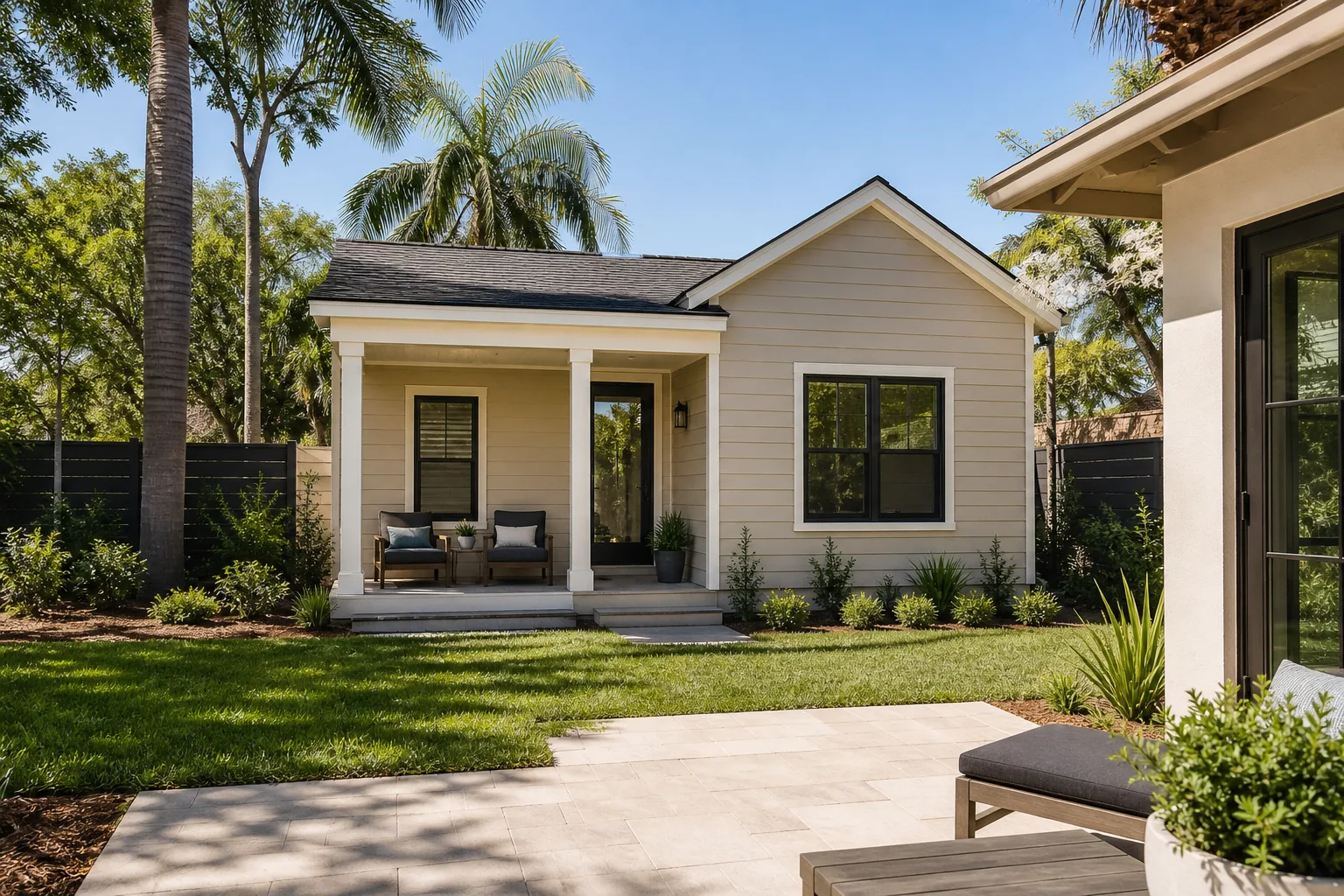
- Home additions & ADU
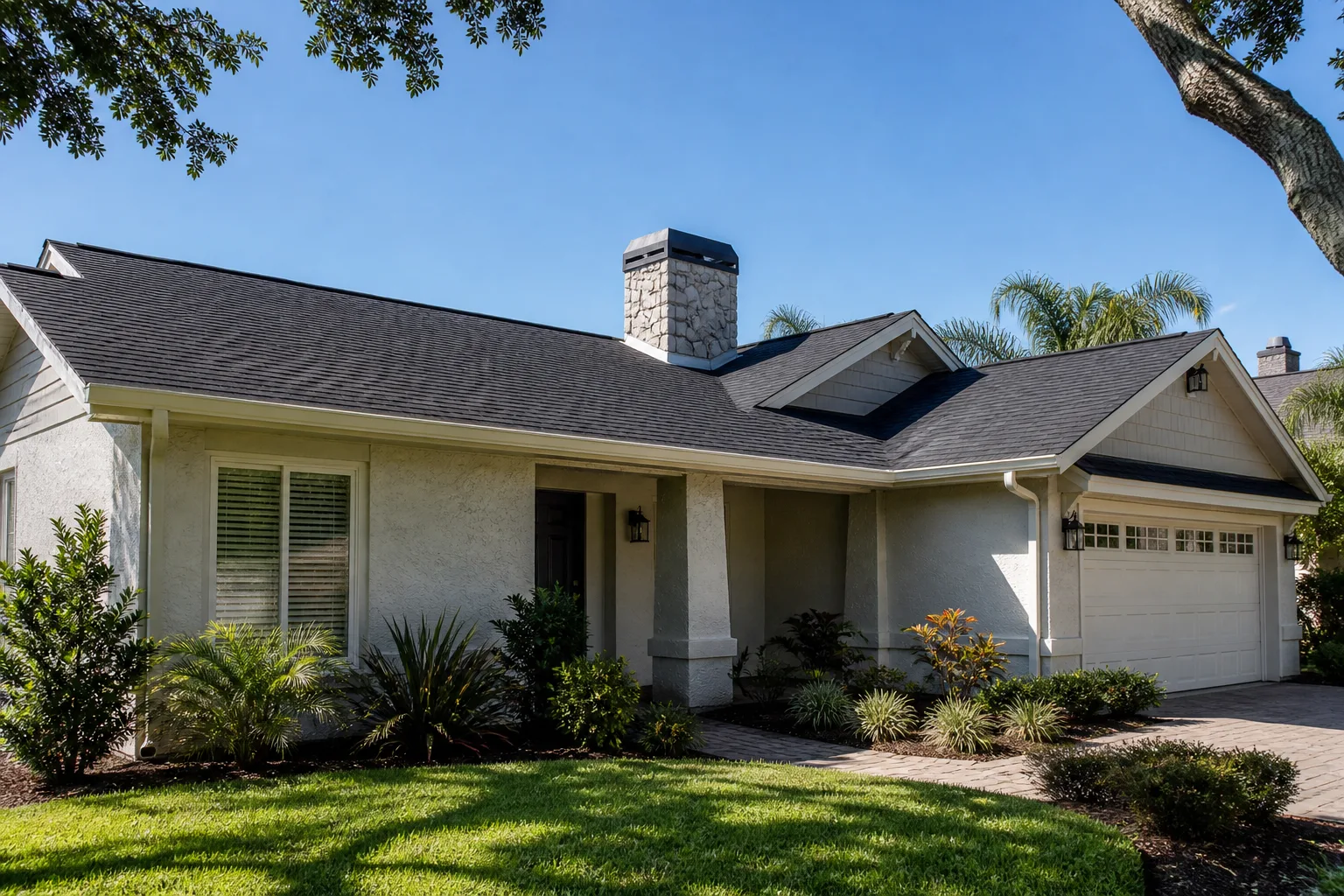
- Roofing
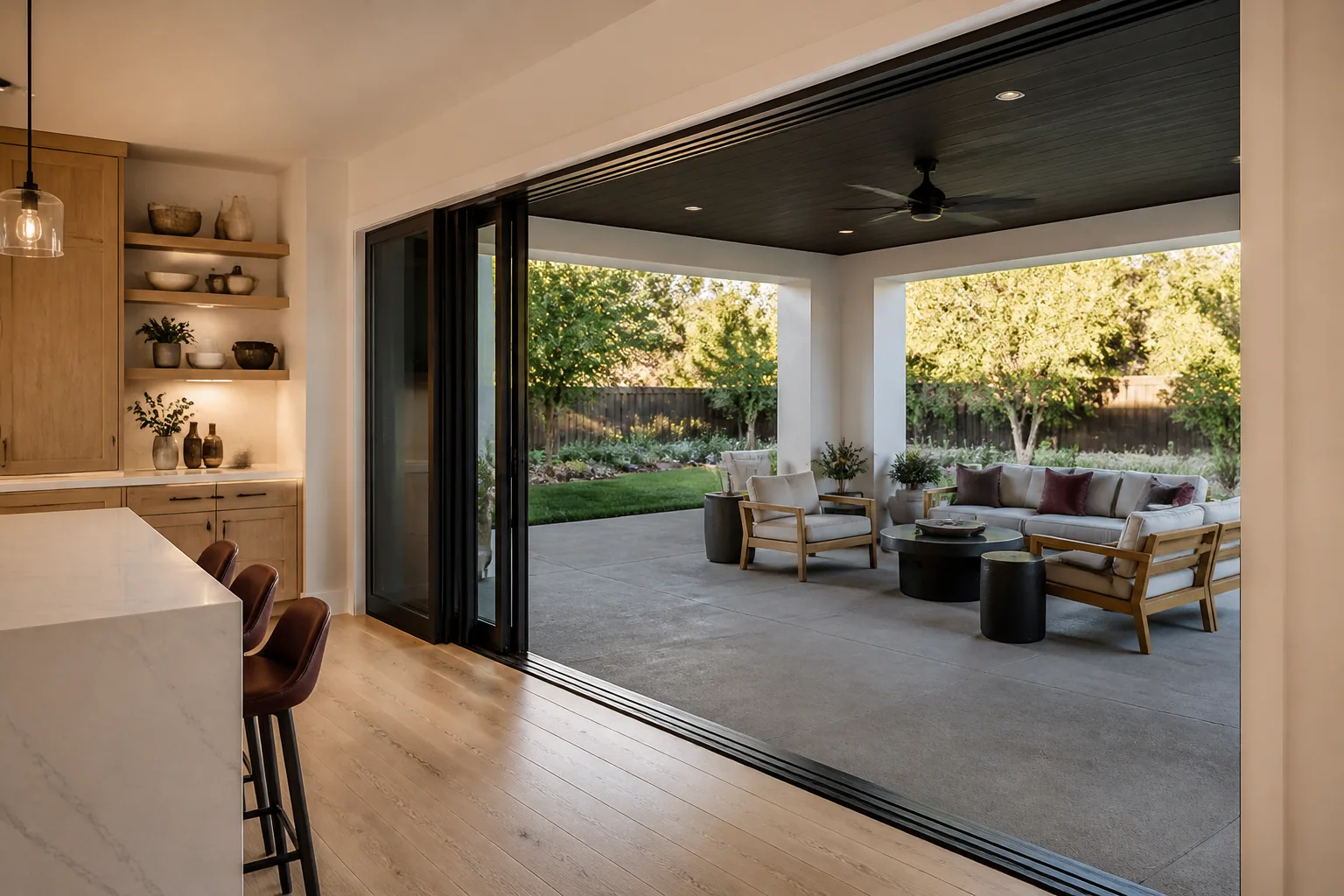
- Windows & doors
- Driveway & pavers
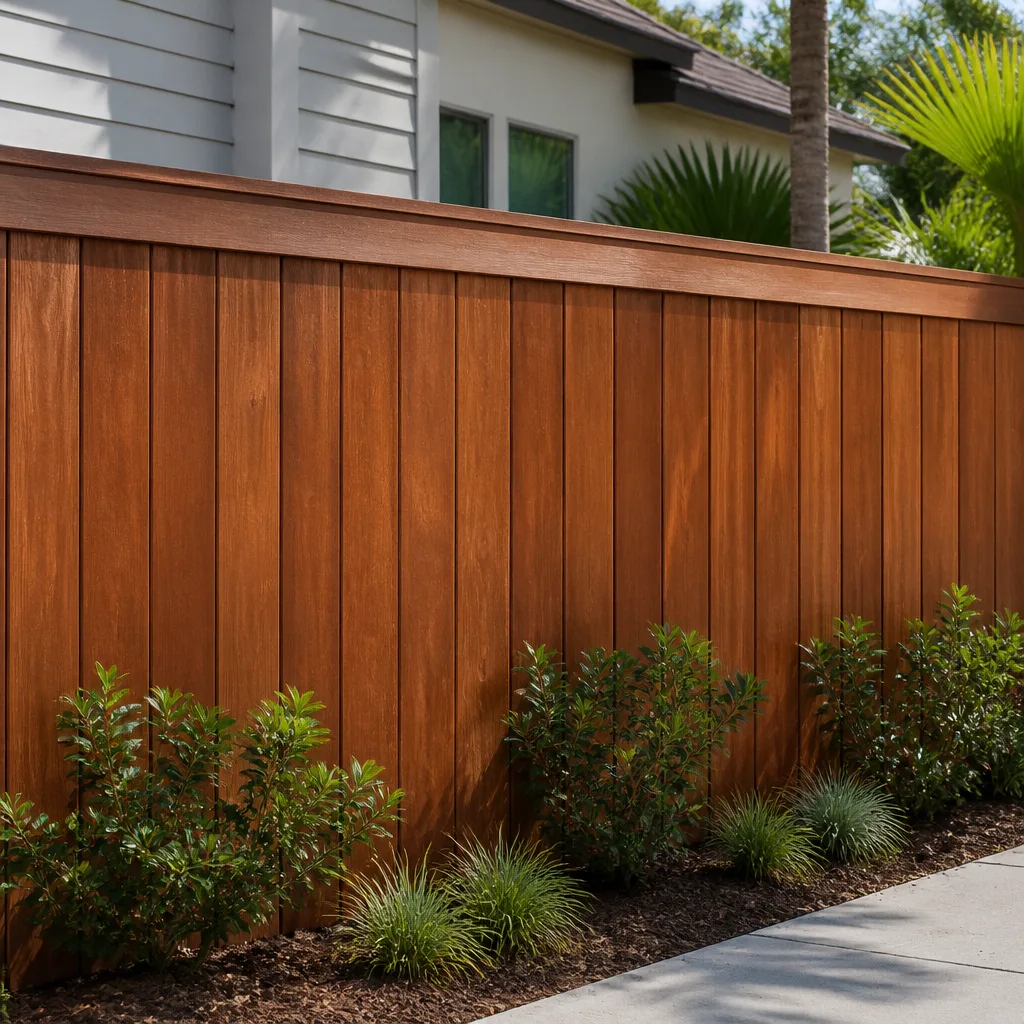
- Fence
Table of Contents
- The Pre-Event Documentation Standard
- Wind Event Risks Unique to Lancaster
- Seismic Vulnerability Checklist for Lancaster Housing Stock
- Vetting a Contractor Under Pressure
- Insurance Documentation That Speeds Claims
- The First 72 Hours After Damage
- Common Mistakes to Avoid
The Pre-Event Documentation Standard
Insurance adjusters work from evidence, not memory. The homeowner who can hand an adjuster a clean, dated, organized photo set of pre-event condition gets a replacement-cost settlement more often than one who says “it looked fine before.” The difference is how the record is captured and stored.
Here is the standard we recommend to Lancaster homeowners, and it takes about 90 minutes the first time:
- Shoot at full resolution, never a downscaled copy. Use your phone’s default camera at the highest setting. Adjusters need to read a serial number or a model plate, and a compressed image often can’t be read.
- Photograph each room in a repeating pattern. Stand in one corner, shoot the opposite wall, then rotate. Do the same in every room. Add close-ups of appliances, water heater, electrical panel, and HVAC equipment with the data plate visible.
- Capture the exterior envelope. Roof from ground level at each slope, all four elevations, fence lines panel by panel, driveway surface, and any previous repair. Note shingle layer count if you know it.
- Date and label every file. Use a folder named with the year and month, e.g. “2026-03-pre-event.” An adjuster who can sort files by date processes faster.
- Store in two places, one of them cloud. A phone backup and one cloud folder. If the phone is lost, the record survives.
Pair the photos with a one-page maintenance log: roof age, recent repairs, appliance install dates. When an adjuster is deciding between actual cash value and replacement cost, that log is the difference. If you’re planning a project this year, our guide to Home Additions & ADU in Lancaster covers how to document a build so the record starts clean.
Wind Event Risks Unique to Lancaster
Lancaster sits on the Antelope Valley floor, and the wind that funnels through the valley is not a gentle breeze. Above roughly 70 mph, the failure points on a typical Lancaster home are predictable: the roof-to-wall connection, the fence panels, and anything sitting loose on the roof or slab.
Roof-to-wall connection. Older homes here are often toe-nailed, meaning the roof truss is held to the wall with nails driven at an angle, not metal straps. When wind gets under a roof edge, toe-nailed connections lift first. The retrofit is a hurricane strap or clip tying each truss to the top plate. Installed cost typically runs $1,500 to $4,000 for a typical single-story home, depending on attic access and truss spacing.
Fence panel uplift. A solid wood privacy fence acts like a sail in a high-wind event. Panels set on shallow posts blow over; panels on deep concrete footings usually don’t. Concrete-set posts cost more upfront, but the difference shows up in the first real wind event. Our Fence Installation in Lancaster page explains footing depth for the valley’s soil and wind exposure.
HVAC displacement. Package units and rooftop condensers shift when wind load exceeds their hold-downs. Ask your HVAC tech to check the anchoring and add a wind strap if the unit sits on a raised curb.
None of these are glamorous upgrades, but they are the ones that keep a Lancaster home habitable after a wind event rather than open to the sky.
Seismic Vulnerability Checklist for Lancaster Housing Stock
Lancaster’s housing stock is old enough to matter. A large share of homes were built before the seismic provisions that tightened after 1980, and the California Earthquake Authority (CEA) sees the same three items cited in claim disputes over and over. Check your home against all three:
- Unreinforced masonry (URM). Brick or block walls without steel reinforcement – often a chimney or a decorative wall – are the most dangerous element in a quake. A URM chimney can come down through a roof. Older Lancaster homes with brick chimneys should be inspected by a licensed structural professional.
- Cripple wall bracing. A cripple wall is the short framed wall between the foundation and the first floor. If it hasn’t been braced with plywood shear panels and anchored to the foundation, the whole house can slide off its base in a significant event. Bracing typically runs $3,000 to $8,000 installed for a typical single-story home.
- Water heater strapping. Two metal straps – top and bottom third of the tank – anchor it to the wall studs. This is the cheapest seismic upgrade on the list, usually under $150 installed, and it prevents a ruptured gas line and a flooded garage.
The CEA commonly cites these three in claim disputes because they’re the items a homeowner can control and document. Photograph each one after it’s done. If you want the full picture of how your home’s structure is likely to behave, a licensed structural engineer and a construction contractor can assess the specifics – we’re happy to walk a Lancaster homeowner through what we see, and our team at Rowan Construction Group Lancaster home handles assessments free of charge.
Vetting a Contractor Under Pressure
After a damaging event, unlicensed contractors flood the affected area. That is not hyperbole; it’s a documented pattern. The CSLB license check becomes more important in the first weeks after a disaster, not less, because the pressure to get the roof tarped or the wall rebuilt outweighs judgment. Protect yourself with a short, fixed verification routine:
- Check the license number on the CSLB website. The license number should appear on the written estimate. Verify it is active, in the right classification, and has no disciplinary actions.
- Ask for a certificate of insurance and call the carrier. General liability and workers’ compensation should both be current. An adjuster waiting on the porch is not your problem – an uninsured crew on your roof is.
- Get the price and scope in writing before any work starts. “We’ll figure it out after” is a red flag, not a convenience.
- Confirm the crew is background-checked and uniformed. After a disaster, strangers claiming to be “the crew” show up on a lot of properties.
- Keep a photo record of every visit. You paid for it; document what was done.
Under The Haven Standard, our written price is delivered before any work starts, on every trade, from Driveway & Pavers in Lancaster through a structural repair. Clause 1 is the whole point: the number in writing before anyone picks up a tool. That same discipline applies when an adjuster is watching.
Insurance Documentation That Speeds Claims
The single most common reason a Lancaster homeowner’s claim stalls is missing construction records. An adjuster deciding between replacement cost and actual cash value wants to see what was there before. Three record types do the heavy lifting:
- Permit history. Pull your permit records from the city or county. If a prior addition or roof replacement was permitted, that proves the scope and date of the work.
- Change orders and written scope. If you’ve done a project, the signed change orders and written scope show what was actually built, not what a neighbor remembers.
- Material specifications. The brand and model of roofing, windows, cabinets, and fixtures. A GAF or Owens Corning shingle has a specific replacement cost; so does a Cambria countertop or a Kohler fixture. Adjusters price the spec, so keep the spec sheet.
Store these with your policy documents, in the same folder as your pre-event photos. If you’ve been through a Home Additions & ADU in Lancaster project or a major trade job, the paperwork from that project belongs with your insurance file.
The First 72 Hours After Damage
In the first three days after a damaging event, what you do matters more than what you own. A short, ordered approach:
- Document before you clean. Photograph everything as it sits. Cleaning before the adjuster sees it is the most common self-inflicted claim problem.
- Prevent further damage without committing to repair. A tarp on a missing shingle is fine; a full roof replacement before the adjuster inspects is not. Ask your contractor to separate “temporary protection” from “permanent repair” in writing.
- Contact your existing contractor relationship first. The homeowners who wait weeks for a preliminary assessment are the ones without a relationship to call. If you don’t have one, our crew answers calls by a live person around the clock.
- Hold every receipt. Temporary protection, heavy equipment, storage – all of it goes on the claim.
Then let the written process take over. No work proceeds on a change until the change order is signed, and you should expect the same from any contractor, not just us.
Common Mistakes to Avoid
- Taking photos at thumbnail resolution. A phone shot you can’t read at 100% zoom is a phone shot the adjuster can’t use. Shoot at full resolution and verify each file opens cleanly.
- Storing the only copy on the phone. When the phone goes, so does the record. Cloud-redundant storage is the minimum.
- Skipping the water heater strap because it’s the cheapest item. It’s also the one that most reliably causes a gas-line rupture in a quake. It’s not the money – it’s the consequence.
- Hiring the first truck that shows up after a disaster. Verify the CSLB license number, call the insurance carrier, and get a written price before any work starts. In Lancaster, after a wind or seismic event, this is the step that separates a claim that pays out from one that stalls.
- Letting a contractor “handle the paperwork.” Keep your own copy of every permit, change order, and material spec. The contractor’s file is the contractor’s file.
- Cleaning up before the adjuster inspects. Photos first, cleanup second. Every time.
- Assuming the fence is fine because it stood through the last wind. Panels on shallow posts can look solid in calm weather and lift in the first 70 mph gust.
See the difference
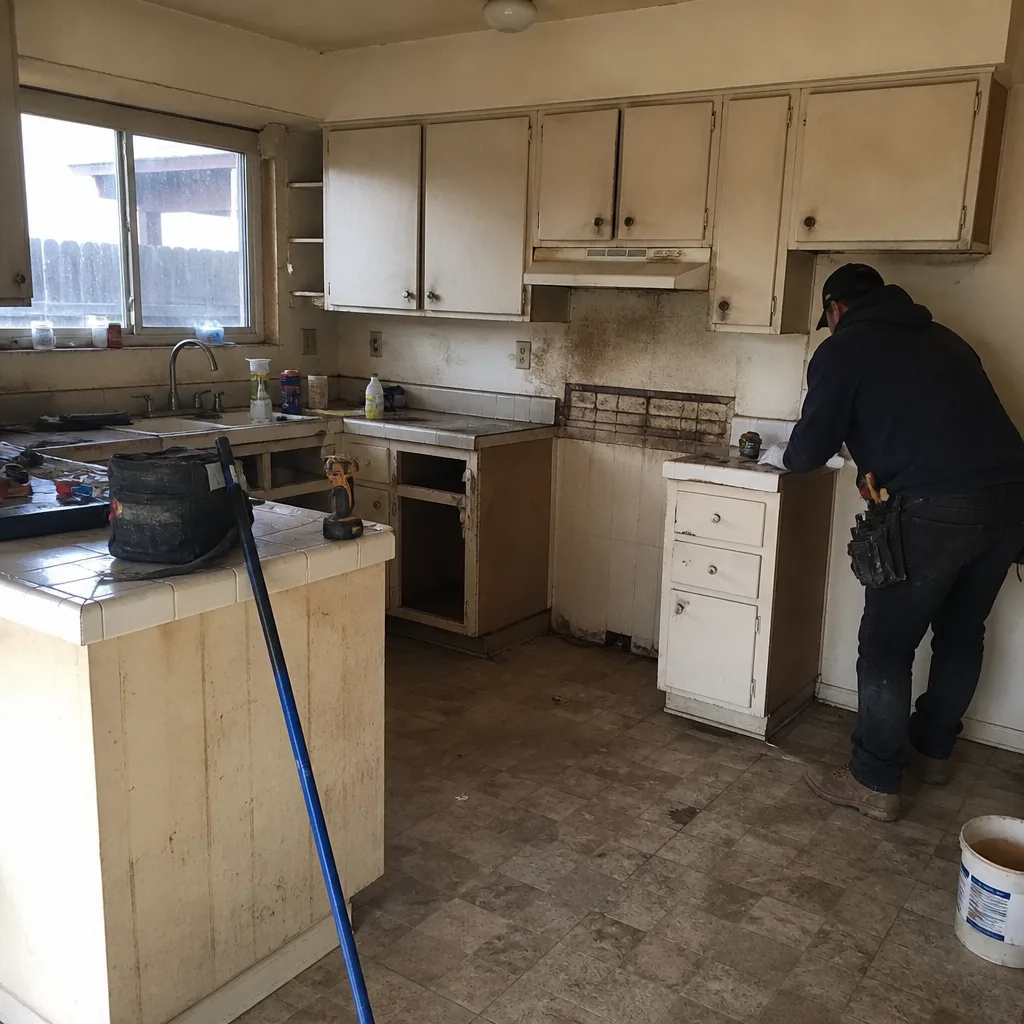 Before
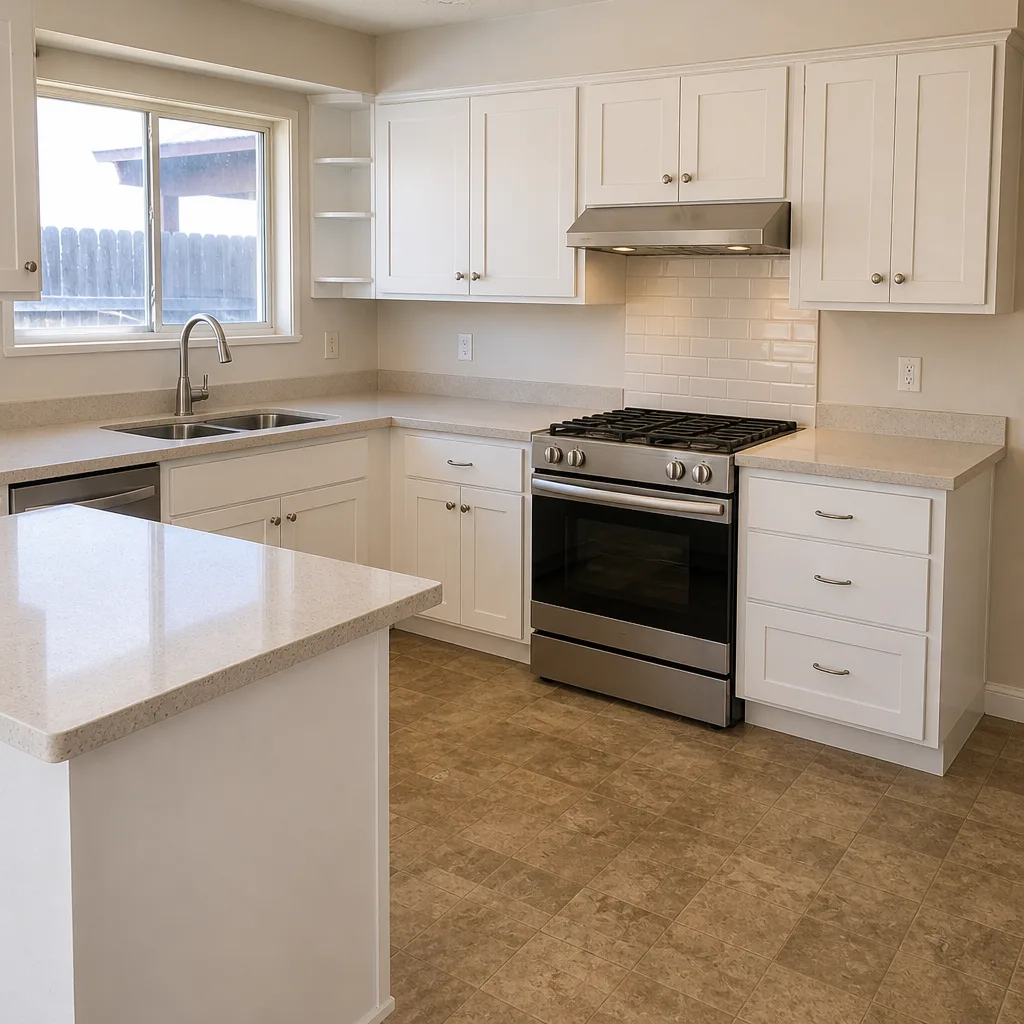 After
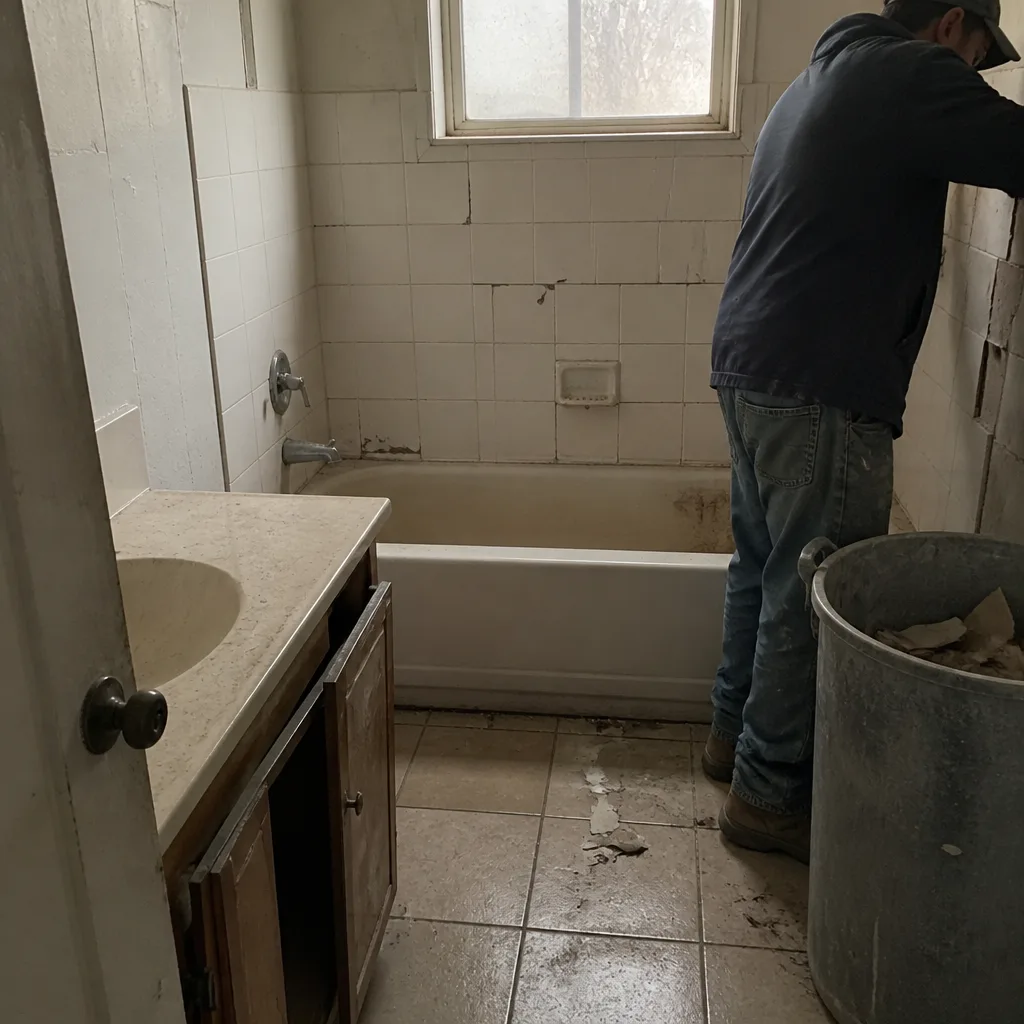 Before
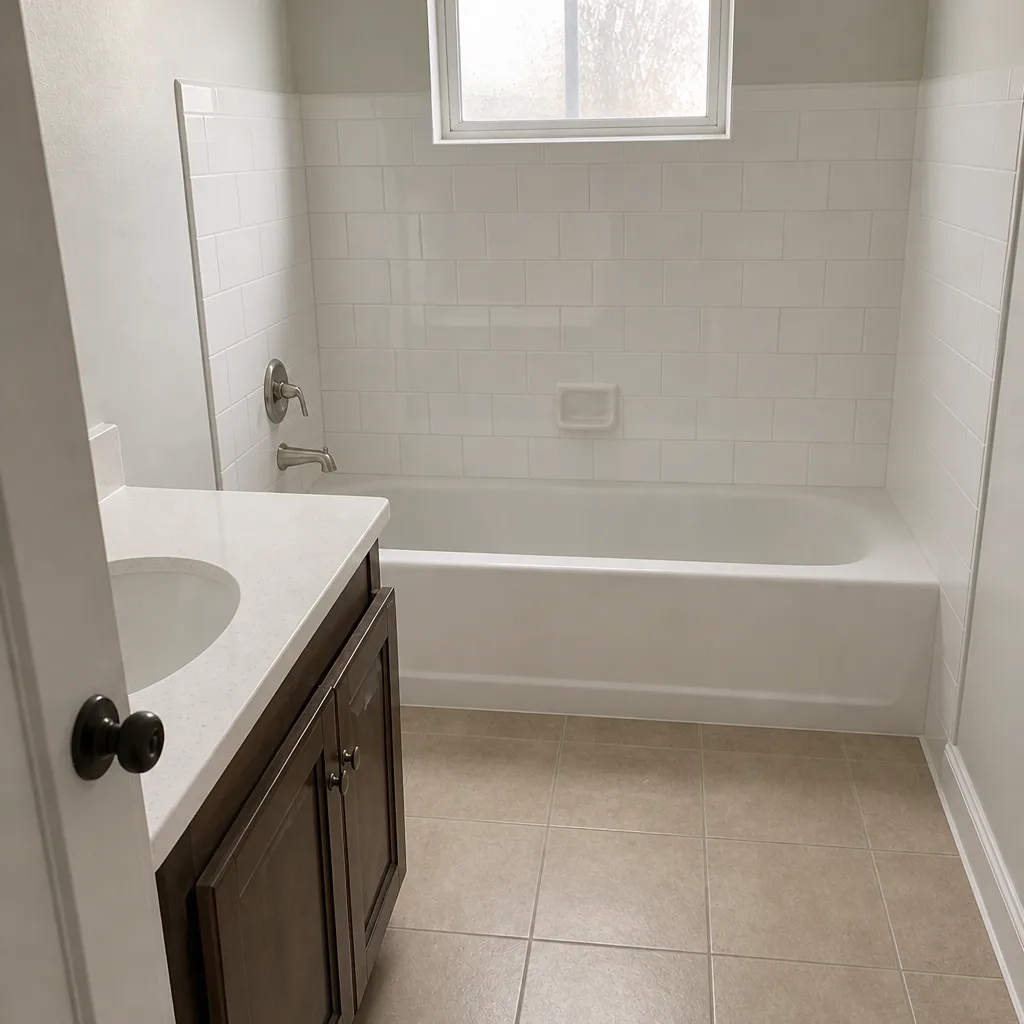 After
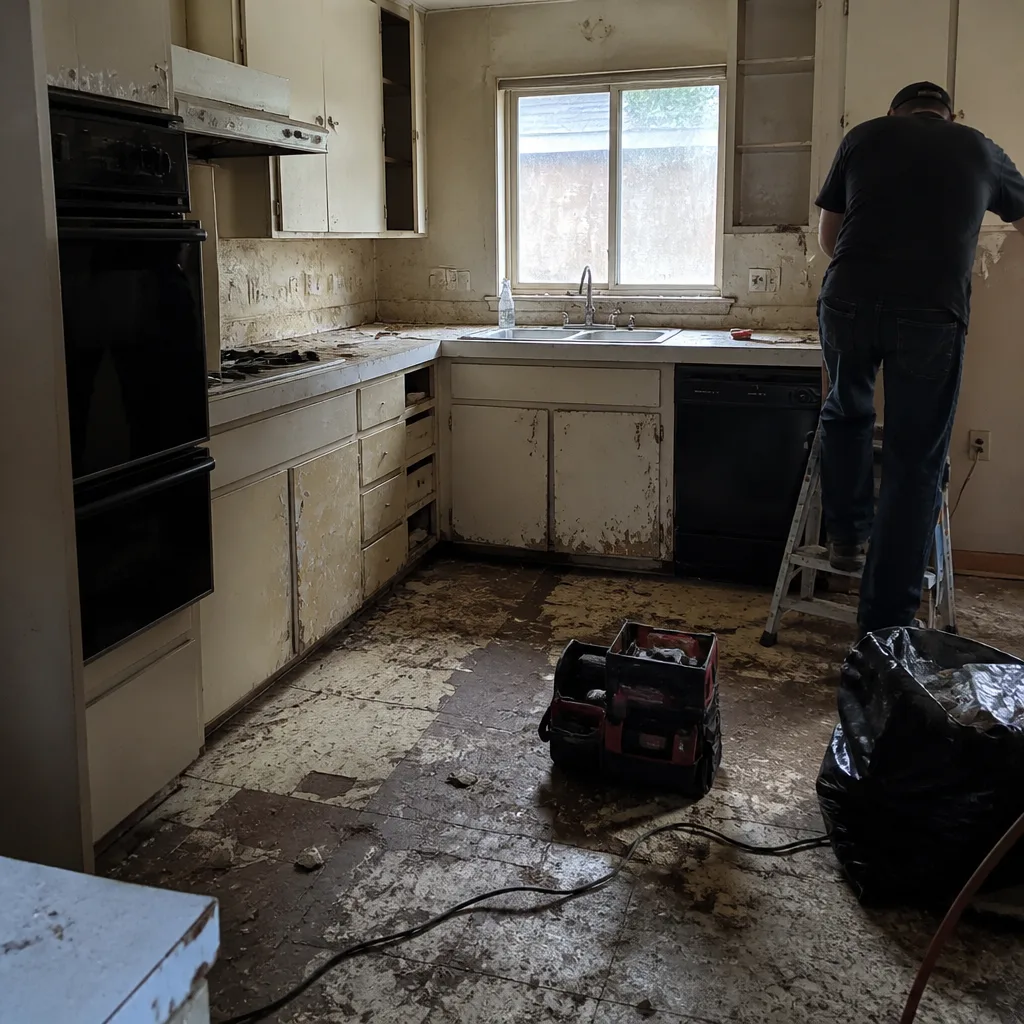 Before
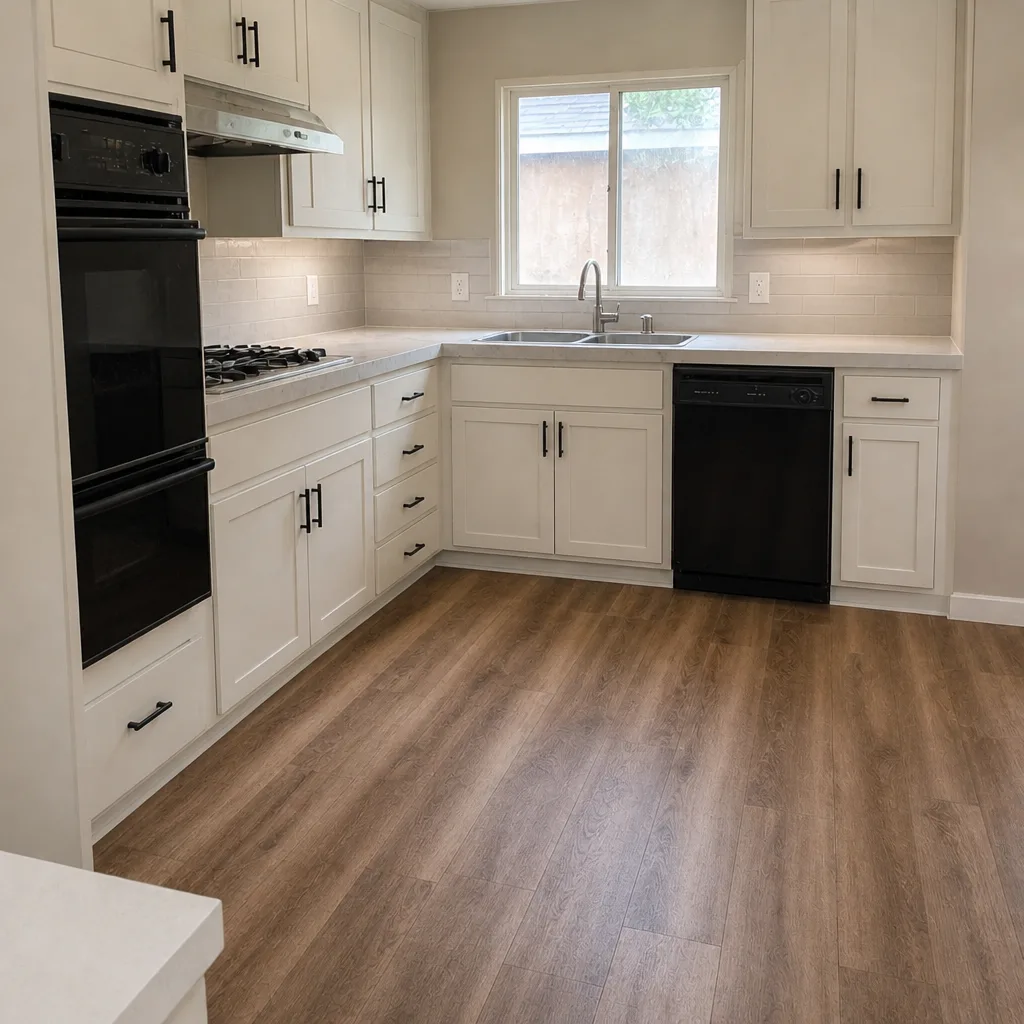 After
When to Call a Professional
Call a professional when the work touches structure, gas, fuel, or high-tension components, and don’t attempt any of it yourself. Roof-to-wall strapping, cripple wall bracing, electrical panel work, and gas line repair are genuinely dangerous, and an untrained job can turn a repairable problem into a serious injury. For documentation, the CSLB license check, and general preparation, a homeowner can handle it alone – but for the structural retrofits and any repair after damage, you want a licensed technician. Rowan Construction Group Lancaster offers free estimates in Lancaster – call (844) 797-3312. Our technicians have up to 19 years of experience, crews are background-checked and uniformed, and every visit includes a documented photo record as standard. The 365-Day Done Right Promise backs the work.
Frequently Asked Questions
Hurricane strapping for a typical single-story Lancaster home usually runs $1,500 to $4,000 installed, depending on attic access and truss spacing. The cost covers adding a metal strap or clip tying each truss to the top plate – the retrofit that keeps a roof in place when wind gets under an edge. Call (844) 797-3312 for an exact quote – estimates are free.
Every room, every exterior elevation, the roof at each slope, fence panels, driveway, water heater, electrical panel, and HVAC data plates – at full resolution, dated, and stored in a cloud folder. An adjuster needs to read serial numbers and model plates, not just see the room. Organize the files by year and month so they can be sorted.
For a straightforward retrofit – water heater strapping, hurricane straps, or repair after wind damage – a licensed construction contractor can handle the work and identify the scope. For unreinforced masonry or serious structural questions, have a licensed structural engineer assess first, then bring in a contractor for the repair. We’re glad to review a written estimate from either at no charge; a free second opinion on any written estimate is a standing offer.
Get the CSLB license number on the written estimate, check it on the CSLB website for active status and classification, and verify general liability and workers’ compensation coverage by calling the carrier. After a damaging event, unlicensed contractors flood the area, so this check matters more, not less. Never start work on a quote that isn’t written.
Not without a signed change order. Under The Haven Standard, no work proceeds on a change until the change order is signed, and the written price and written scope are delivered before work begins. That discipline is why Rowan projects finish within a few percent of the agreed cost. Call (844) 797-3312 for a written price on your Lancaster repair.
Permit history, change orders, and written material specifications – the brand and model of your roof, windows, cabinets, and fixtures. Adjusters price the spec, so the spec sheet is the difference between a replacement-cost settlement and an actual cash-value one. Store these with your policy documents and your pre-event photos.
The Bottom Line

The Lancaster homeowner who recovers fastest from a wind, grid, or seismic event is the one who did the unglamorous work first: photographed the house at full resolution and stored it in the cloud, added the three earthquake upgrades that show up in most claim disputes, and kept a verified contractor relationship current. That combination is what turns a 6 to 10 week wait into a materially shorter one. We’ve built our process around it – a written price before any work starts, a signed change order before any change, and a documented photo record on every visit. For residents of Antelope Valley and the surrounding neighborhoods, the time to make these preparations is now, not the morning after.
Call Rowan Construction Group Lancaster at (844) 797-3312 to schedule your free estimate. Our technicians have up to 19 years of experience, and we’re glad to review your written estimate from another contractor at no charge.
Written by the team at Rowan Construction Group Lancaster.