Last updated November 17, 2026


Free written scope consultation - allowances, timeline, and change-order rules on paper before a single trade is scheduled
Fence Installation Troubleshooting: Common Problems and How to Fix Them
A leaning fence post looks like a wind damage problem. In Lancaster, it’s usually a soil problem. The caliche layer that runs 12 to 36 inches below grade in much of the Antelope Valley acts as a water trap, holding winter rain against the base of a wood post and rotating it from below. The lean starts at the soil line, not the top, and that tells you almost everything about the fix. This guide walks through diagnosing a leaning post, reading rust and warping, stabilizing a fence temporarily, and documenting storm damage in a way an adjuster will accept. All of it is written from what we see on jobs across Lancaster, where a fence either gets the footing right or spends the next decade apologizing for it.
Quick Answer
Most fence problems trace back to one of three installation decisions: post depth, concrete mix ratio, or the wrong fastener for the material. A post that’s leaning because it rotted at grade needs replacement. A post whose concrete footing heaved needs excavation and resetting. A post that was never set deep enough is a fence-line problem, not a single-post problem. Diagnose which one you’re dealing with before you spend a dollar, because the repair for each is different and only one of them is cheap.
Styles & brands we work with
- Kitchen remodeling
- Bathroom remodeling
- Home additions & ADU
- Roofing
- Windows & doors
- Driveway & pavers
- Fence
Table of Contents
- How to diagnose a leaning post in three steps
- The three failures behind almost every leaning fence
- Why galvanized fasteners fail in Lancaster’s climate
- How to temporarily stabilize a leaning section
- Documenting wind and storm damage for insurance and repair
- Choosing posts, concrete, and fasteners that survive Antelope Valley soil
- Repair or replace: how to decide
- Common mistakes to avoid
How Do You Diagnose a Leaning Fence Post Before Spending Money?
You check three things in order: the direction of the lean, the soil line for rot or heave, and the rigidity of the post in its footing. Each test takes a couple of minutes and tells you which of the three failures you’re looking at. Skip them and you’ll spend money on a post replacement that doesn’t fix a footing problem, or a footing repair on a post that was already rotten above grade.
- Check the direction of the lean. A post leaning away from the fence line is usually a footing or soil heave issue. A post leaning along the fence line, with the whole run following it, points to inadequate depth or a rotted base that let go. If a single post leans and its neighbors are plumb, the problem is local. If several lean together in the same direction, the problem is systemic.
- Probe the soil line. Push a screwdriver into the wood at grade, four sides. If it sinks in easily or the wood crumbles, the post is rotted at the most vulnerable point. Look for a gap between the concrete footing and the surrounding soil, or a footing that has risen above grade. That gap means heave, and heave means water got under the concrete and lifted it during a freeze.
- Test post rigidity. Push the post firmly about six inches above grade. A post set in a proper footing barely moves. A post that rocks in its hole but the concrete stays put has rotted loose from its footing. A post that moves the concrete with it has a footing problem. A post that wobbles at grade but the footing is dry and intact was probably never deep enough, and the rest of the fence line may share that flaw.
In Lancaster, the caliche layer is the culprit more often than not. Caliche is a hard, calcium-cemented soil layer, and it doesn’t drain. Winter rain pools on top of it, saturates the soil around a post, and either rots the wood or freezes and heaves the footing. If your post failed while neighbors on a different soil profile held, that’s the answer.
What Causes a Fence Post to Lean, and How Do You Fix Each One?
There are three failures, and each one has a different repair with a different price. Naming the failure is the whole job before the repair starts.
- Rotted at grade. The wood above the footing has decayed, usually because moisture sat against the post at the soil line. The fix is a new post, set in a proper footing, with the wood rated for ground contact. You don’t excavate the old footing if it’s sound; you cut the old post out and set the new one.
- Footing heave. The concrete footing has lifted or tilted because water got under it or the soil above it expanded during a freeze. The fix is excavation: pull the post and footing, re-set with a proper base, and backfill in a way that drains. This is the most expensive of the three and the one most often misdiagnosed as a rot problem.
- Never deep enough. The post was set short of frost depth or into fill soil that never consolidated. The fix is re-setting, and if several posts in a run share the flaw, the entire fence line may need re-evaluation rather than a spot repair. This is the case where a homeowner benefits from a written second opinion before committing.
You can tell which you’re facing from the three-step diagnosis above. A post that rocks in a sound footing is rot. A post that moves the footing with it is heave. A post that was never deep enough wobbles at grade while the footing is intact and dry.
Why Do Galvanized Fasteners Fail in Lancaster’s Climate?
Galvanized fasteners fail in Lancaster because the combination of summer heat, dry wind, and winter moisture stresses the coating in a way many installers don’t anticipate. A hot, dry day expands a wood board. A cool night contracts it. Over a season, that movement backs a screw out of its hole, and the exposed shank starts to rust. Once the coating is breached, the screw loses its grip and the board follows.
Look for these signs:
- Rust streaking on the wood. Brown or orange streaks running down from a fastener line mean the coating failed. The fastener has to be replaced, and so does any board the rust has stained, because the stain will bleed through a new finish.
- Backed-out screws. A screw head standing proud of the board by a sixteenth of an inch is a screw that’s been worked loose by seasonal movement. Re-driving it into the same hole doesn’t fix it, because the hole is now oversized. A proper fix moves to a fresh hole or replaces the fastener with a larger one.
- Warping that follows fastener lines. If a board warps along the line where it’s attached rather than along its grain, the fasteners have lost holding power. That pattern is the giveaway.
The fix is the right fastener for the material. For cedar and pressure-treated boards, a coated or stainless screw rated for exterior use holds up better than a standard galvanized. For composite boards, the manufacturer’s own fastener system is the only one that keeps the warranty intact. GAF, CertainTeed, Owens Corning, and IKO all publish their own fastener recommendations for their roofing and trim products; the same discipline applies to fence hardware. Name the material to the supplier, and they can tell you the fastener it’s warranted with.
How Do You Temporarily Stabilize a Leaning Fence Section?
You brace it on the dry side, at an angle, with lumber sized to the run. The goal is to hold the section in place until a proper repair happens, not to fix the footing. A temporary brace that changes the soil or footing condition makes the permanent repair harder, so keep it above grade.
- Set a 2×4 or 2×6 brace at a 45-degree angle from the ground to the fence rail, with the bottom end on a firm footing, such as a paving stone or a small gravel pad set on the ground surface.
- Attach the top end to the rail with two exterior screws, not to the post itself, so the post can be freed for repair later.
- Drive a ground stake alongside the base of the brace and cleat the brace to the stake, so the brace can’t slip during a wind event.
- Use two braces, one in each direction, on a section longer than about eight feet.
- Keep the brace out of the footing zone and don’t bury it. You want to come back and take it out clean.
Don’t brace a post that has rotted at grade and leave it up for a season. A rotten post under a brace looks fine until the next wind event, and the section may come down all at once. Stable and repaired beats stable and ignored.
How Do You Document Storm Damage for Insurance and Repair?
Photograph the damage before you touch a thing. Then photograph it again, close, with a measuring reference in the frame. Adjusters work from a claim file, and a claim file built from clear photos and a written description moves faster than one built from memory. Have two copies: one for the insurer, one for the contractor who’ll quote the repair.
What to capture:
- Wide shots of the fence line that show the extent of the damage and the ground conditions around the posts.
- Close shots of the failed post, the soil line, and the footing, with a measured reference in the frame (a tape measure or a coin laid flat).
- Shots of the damage pattern in the boards, so an adjuster can see whether the failure is wind, rot, or heave.
- A written description for each damaged section that names the failure type, the length of the run, and the material. Keep it short and factual: “Section from the corner post east 12 feet, four posts, two leaning, soil heave at post three.”
- The date of the storm event and any supporting weather record for that date.
Give the same file to your contractor and to your adjuster. A contractor quoting from the same record you sent the insurer avoids the inflated scope that comes from verbal descriptions. If a contractor’s quote names work the photos don’t support, ask for the photo that supports the line. A written line-item scope with a photo record should match, and if it doesn’t, that’s the moment to bring it up.
What Posts, Concrete, and Fasteners Hold Up in Antelope Valley Soil?
Posts should be rated for ground contact, and in Lancaster we specify a pressure-treated rating that’s meant to sit in soil, not just above it. That matters because the caliche layer holds water against the post at a band 12 to 36 inches below grade, and a post not rated for that condition will rot at the band first. Depth matters as much as material: a post set short of frost depth will heave regardless of what it’s made of.
Concrete matters too. A mix that’s too wet cures weak and cracks; a mix that’s too dry doesn’t consolidate. The bag tells you the water ratio, and the ratio should be followed. A footing that’s crown-shaped at the top sheds water away from the post, and a footing that’s dished catches water and starts the rot cycle.
Fasteners need to match the material and the exposure. For wood, a coated or stainless exterior screw. For composite, the manufacturer’s own system. For metal panels, a fastener rated for metal-to-metal contact with a sealing washer. The wrong fastener is one of the three decisions behind a failed fence, and the other two are depth and concrete. Get all three right and the fence lasts.
Repair or Replace: How Do You Decide?
Count the failing posts and their failure types. One failing post in a run of twenty that’s local and diagnosable is a repair. Three or more posts failing in the same direction, or any post failing on a footing that never set deep enough, is a fence line that needs re-evaluation. When a fence is re-evaluated, you’re usually comparing a re-set line against a new fence, and the answer depends on the age of the boards and rails.
A repair keeps the boards and rails and costs less. A replacement resets the whole system, including the footings. The one case where a repair doesn’t make economic sense is when the fasteners have already failed on more than a few boards, because that board is going to come off regardless of what the post does. That’s a replacement in the near term either way, and it’s cheaper to do it once.
Common Mistakes to Avoid
- Replacing the post without diagnosing the footing. A new post set in a footing that heaved will lean within a season. Diagnose first, then specify the repair.
- Burying a temporary brace. A brace that goes into the footing zone changes the soil condition and has to be excavated before the repair starts. Keep the brace above grade and on a firm pad.
- Re-driving a backed-out screw into the same hole. The hole is oversized, and the screw will back out again. Move to a fresh hole or step up a fastener size.
- Setting posts short of frost depth because the soil is hard. In Lancaster, the caliche layer makes digging slow, and the temptation is to stop early. That’s the decision that causes the lean two winters later. Our crews dig through caliche for this reason, and it’s the single most common installation shortcut we correct.
- Mixing concrete by eye. Following the bag ratio is the difference between a footing that sheds water and one that cracks and holds it.
- Taking photos after the cleanup. The adjuster needs the damage in place. Photograph before a single board is moved.
- Quoting from memory instead of a written scope. A written line-item scope with a photo record and a signed change order is what separates a repair that matches the claim from one that grows in the telling. Under our fence installation in Lancaster process, that documentation is standard on every call.
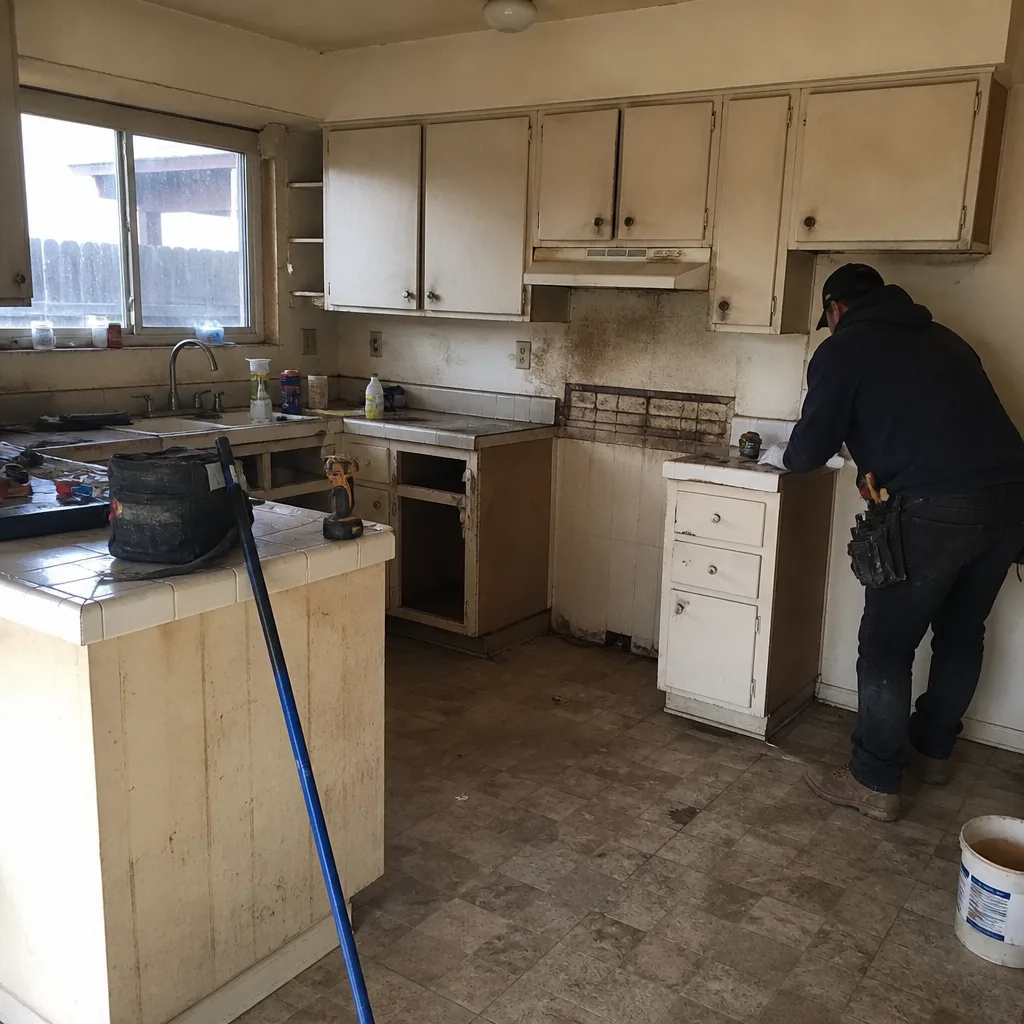
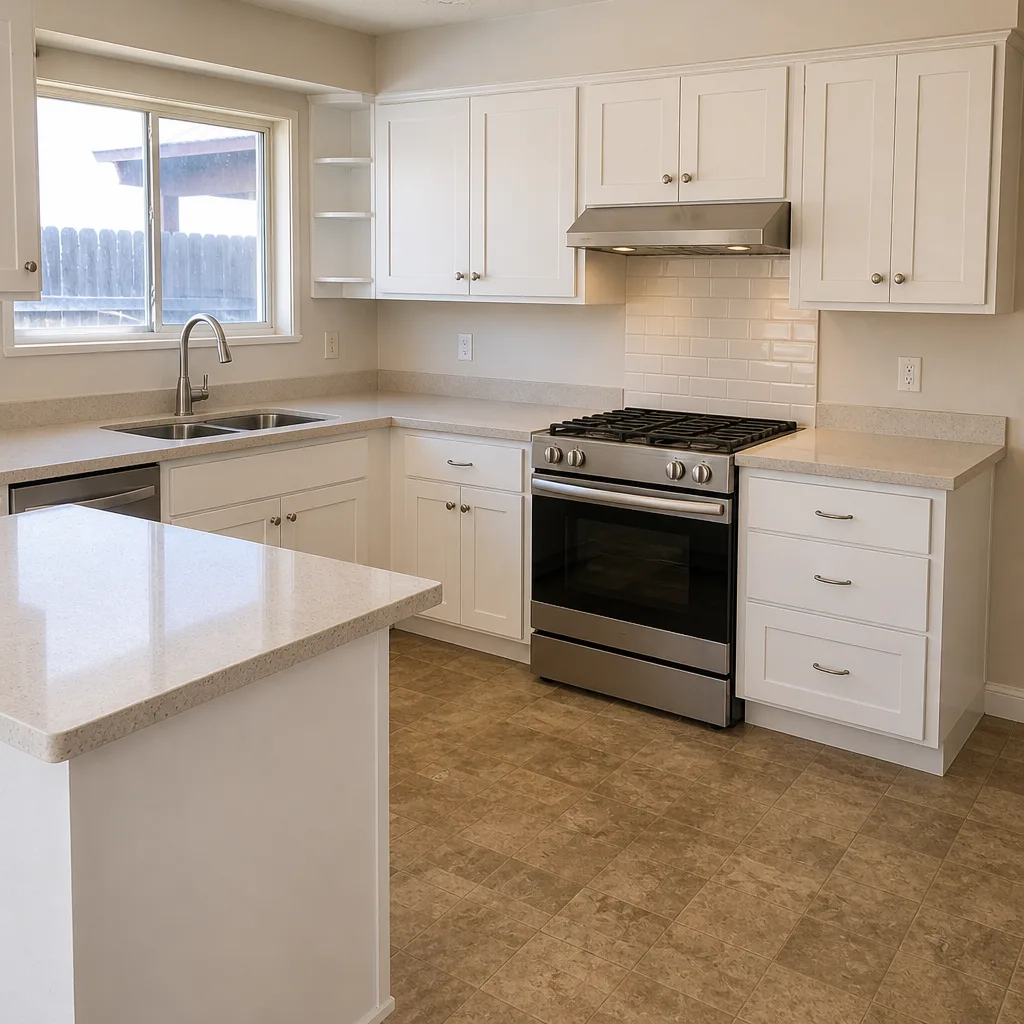
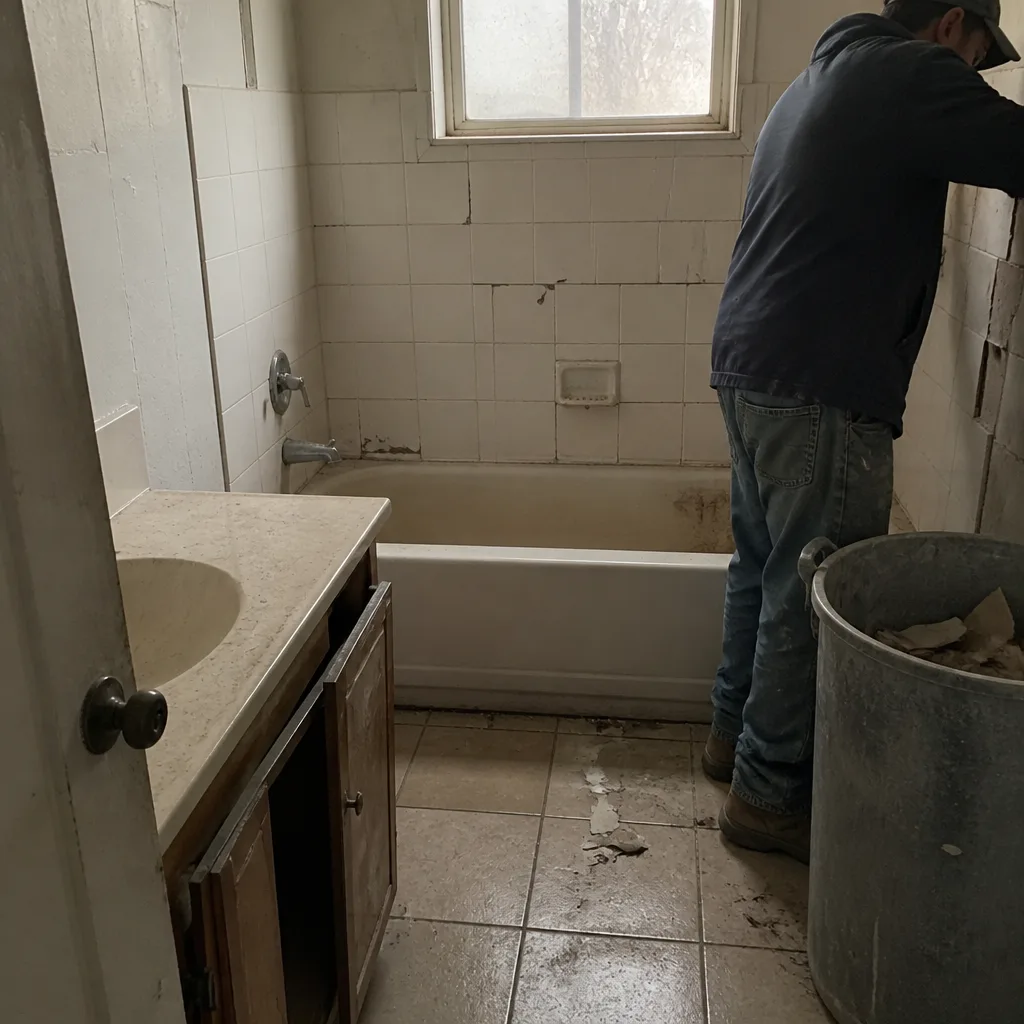
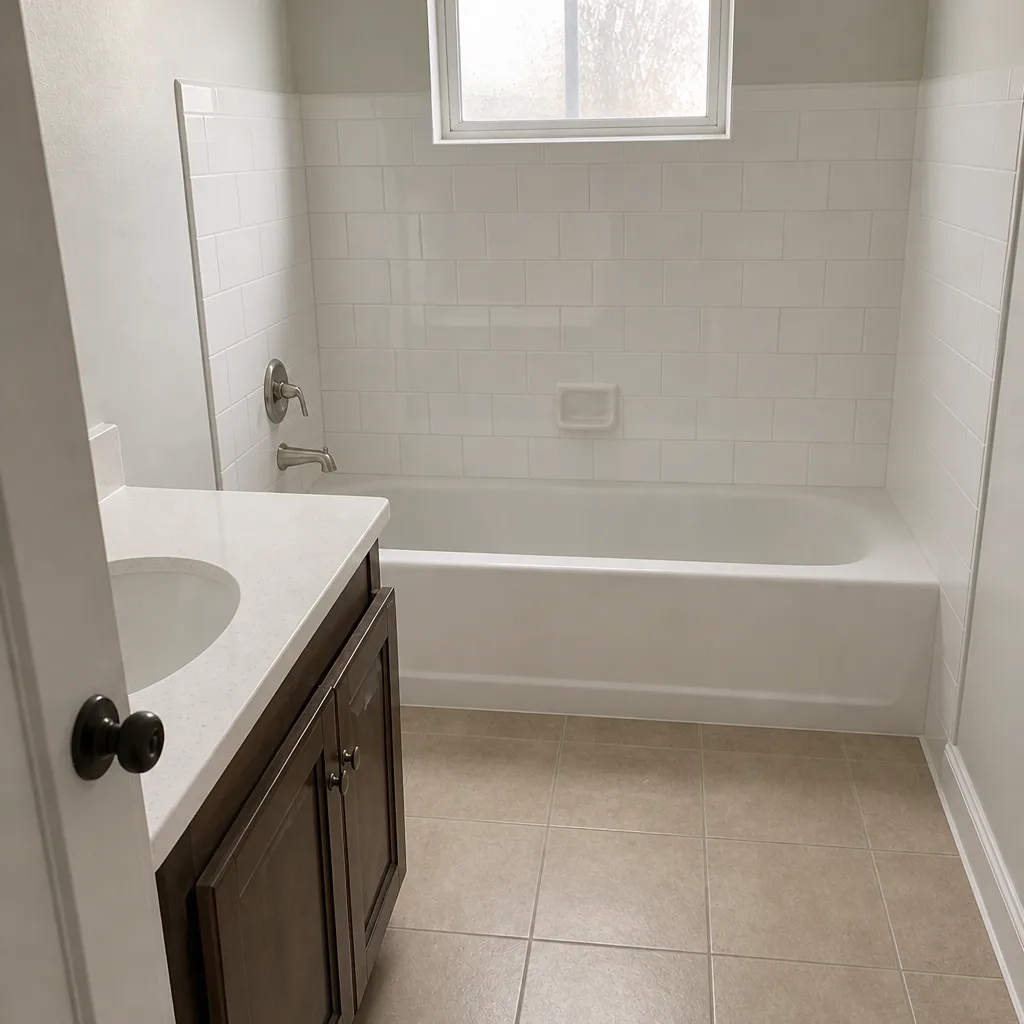
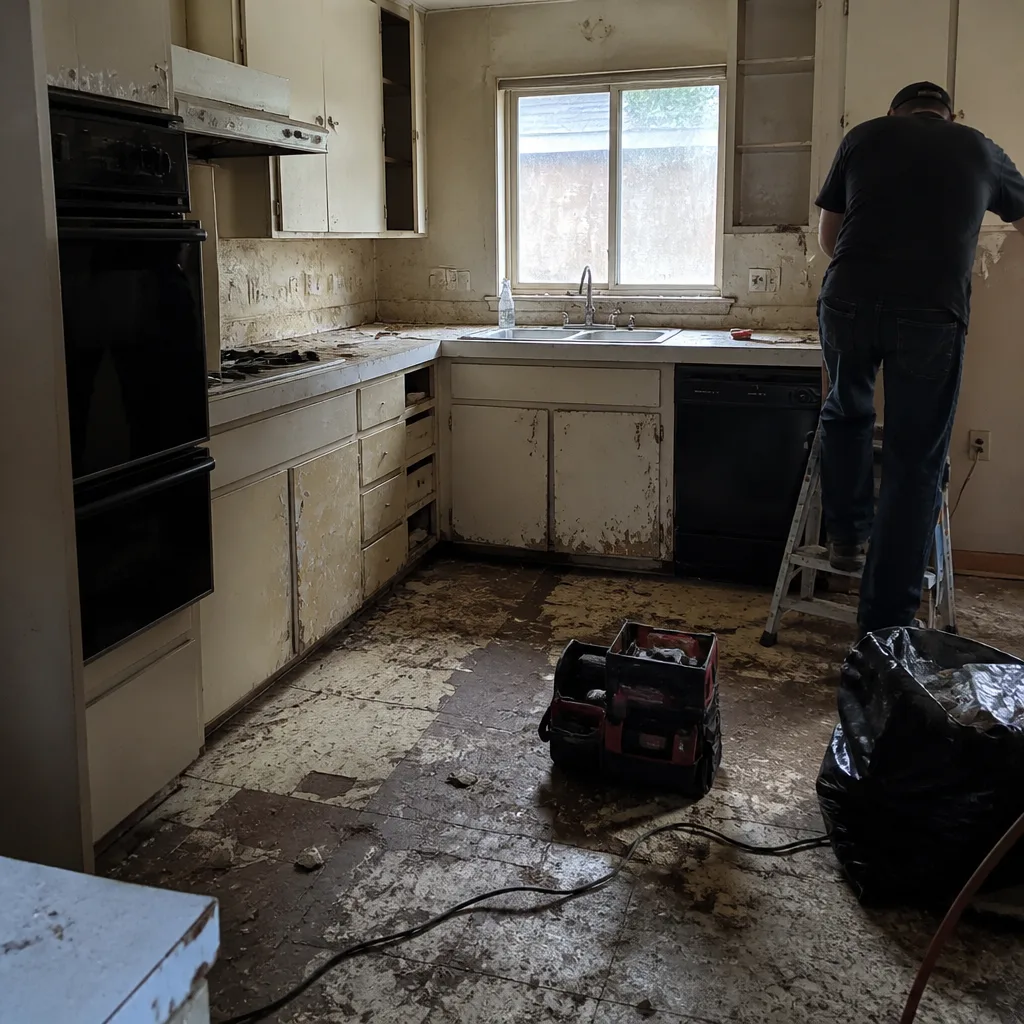
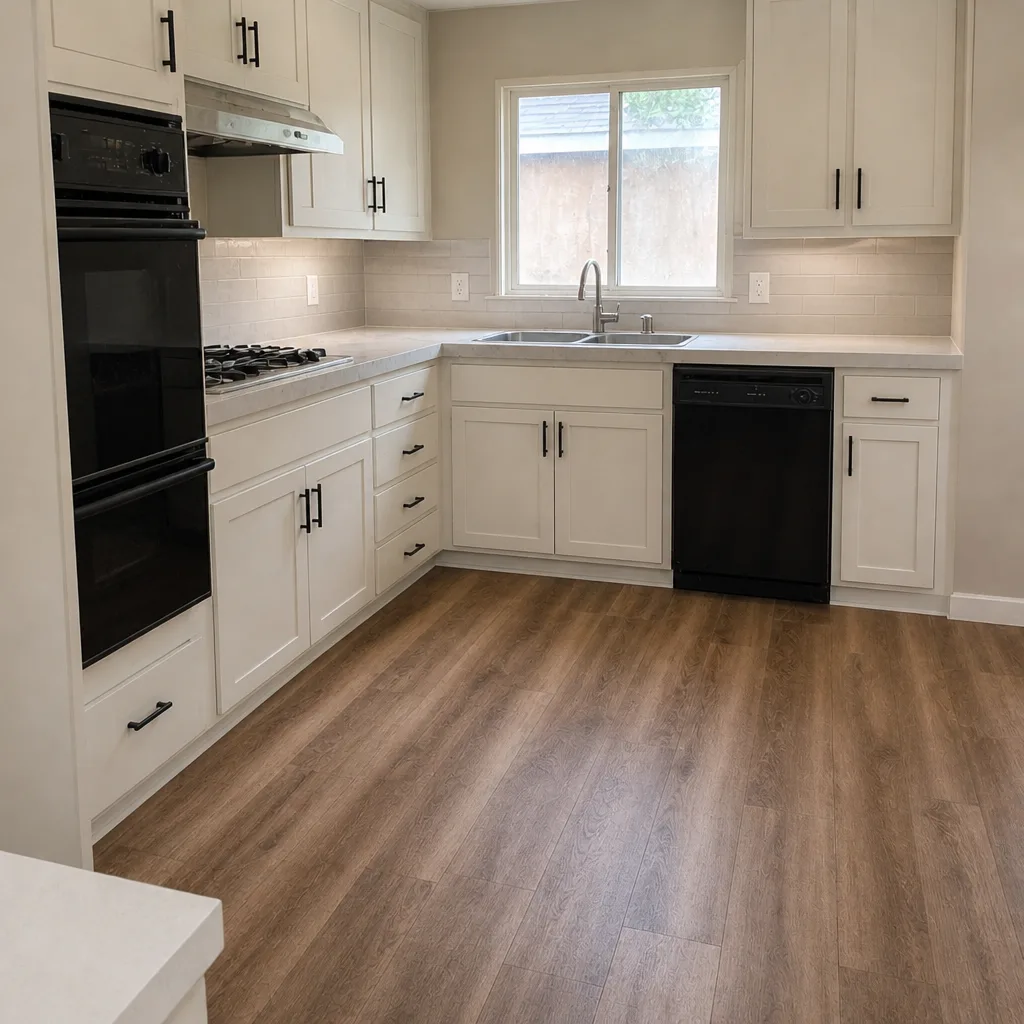
See the difference
 Before
 After
 Before
 After
 Before
 After
When to Call a Professional
Call a professional when the diagnosis points to footing heave, when more than one post in a run is failing, when the post needs to come out of a concrete footing, or when the fence is holding a load a temporary brace can’t safely carry. Call also when the damage follows a storm and an adjuster is involved, because the written scope and the photo record work best when they’re built by someone who’ll do the repair. Rowan Construction Group Lancaster offers free estimates in Lancaster. Call (844) 797-3312 to schedule yours. Our technicians have up to 19 years of experience, and every visit includes a documented photo record as standard, so you have evidence of what was found before you commit to a repair. If you’ve got a competitor’s written estimate, we offer a free second opinion on any written estimate, line by line.
Frequently Asked Questions
A single-post replacement typically runs several hundred dollars when the footing is sound and the post is rotted at grade. Footing excavation and re-setting costs more because it involves removing concrete and re-pouring. A full fence-line re-evaluation is a different number again, because the scope may be several posts. Call (844) 797-3312 for an exact written price before any work starts – estimates are free, and the price is in writing.
No. Our price is written before work begins, with a written scope and a written warranty, and no change proceeds until a signed change order is in place. If the diagnosis uncovers a bigger problem – say, footing heave that wasn’t visible at the surface – that’s a scope change, and it gets a signed change order before anyone touches the fence.
Permit requirements for fences vary by height, location, and property line, so we confirm the local requirement for your address before work is scheduled and handle the permit step in the written scope. If your fence touches a property line or a corner visibility zone, that’s the case where the permit question gets answered first.
Soil conditions. The caliche layer that runs 12 to 36 inches below grade across much of the Antelope Valley doesn’t drain evenly, and a lot with a shallower caliche layer traps water against the post at a different band. Two fences on the same street can fail at different rates because of how the soil drains under them, not because of how they were built.
If the post rotted at grade and the footing is sound and dry, yes. If the footing heaved, no – the new post will lean within a season. The three-step diagnosis tells you which you’re dealing with, and it takes about five minutes. That’s the check that keeps a cheap repair from becoming an expensive one.
A documented photo record of what was found and what was done, included as standard on every visit, plus the written scope and the written warranty. The photo record is what you show an adjuster if a storm claim is in play, and it’s what you keep for the next contractor if one ever needs to see the repair.
The Bottom Line
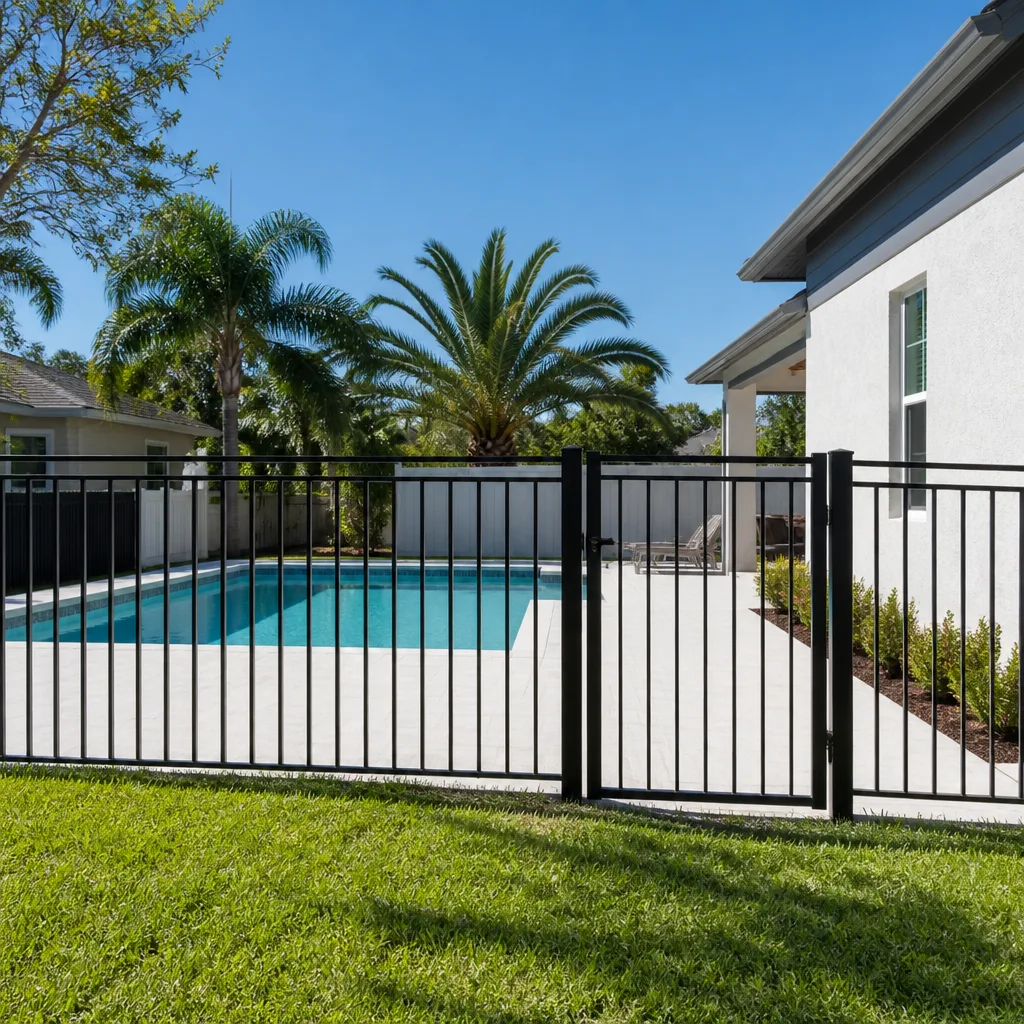
Three decisions decide whether a fence stays plumb: post depth, concrete mix ratio, and the right fastener for the material. Diagnose which one failed before you spend money, brace a leaning section only as a temporary measure, and photograph storm damage before the cleanup. A repair that addresses the actual failure lasts; one that addresses the symptom leans again within a season. Rowan Construction Group Lancaster brings a written price, a documented photo record, and a signed change order to every fence call across Lancaster. Call (844) 797-3312 to schedule a free estimate, and if you’ve got a competitor’s quote in hand, we’ll review it line by line at no charge. From Rowan Construction Group Lancaster home through every trade we work, the number gets written before anyone picks up a tool. For related work, see Driveway & Pavers in Lancaster and Home Additions & ADU in Lancaster.
Written by the team at Rowan Construction Group Lancaster.