
Last updated November 17, 2026

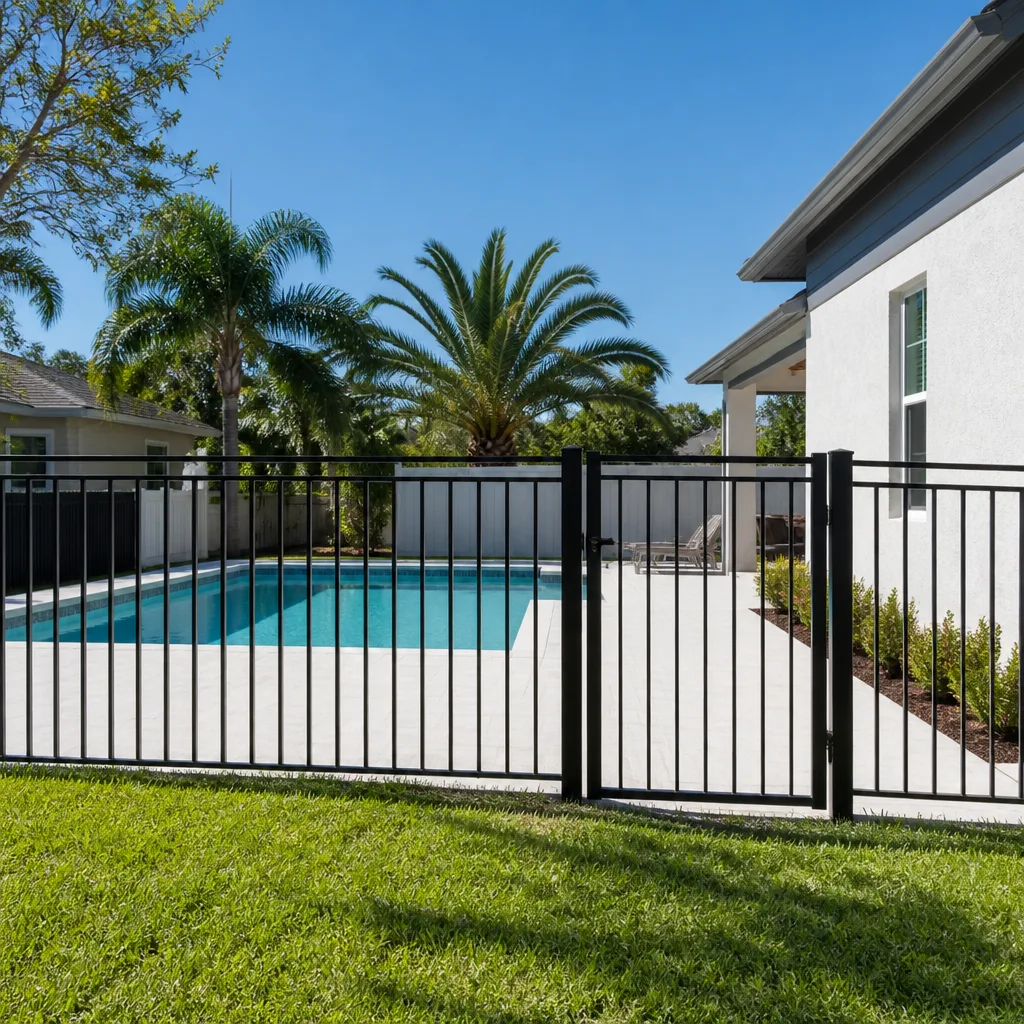






Free written scope consultation - allowances, timeline, and change-order rules on paper before a single trade is scheduled
Fence Installation Warning Signs Every Homeowner Should Know
Most fence failures in Lancaster are decided before the first bag of concrete is opened. Not at the end of the job, not after the first Santa Ana wind event knocks a panel loose, but during the paperwork phase, when a homeowner signs a one-page bid that names no material grade, cites no permit, and carries no insurance certificate. We’ve walked jobs where a five-figure fence started with nothing more than a signature on a napkin and a cash deposit. In this guide, you’ll learn the five documents a legitimate contractor produces before breaking ground, the on-site tells that separate a real crew from a fast one, and a completion checklist you can use whether you hire us or anyone else in Lancaster.
Quick Answer
The biggest warning signs of a bad fence installation are missing documents and missing specs. If a contractor can’t show you a signed contract with material specifications, a permit application or number, proof of general liability and workers’ comp insurance, an 811 utility locate confirmation, and a milestone-based payment schedule before work starts, stop. On site, watch for posts set without a level, concrete poured too shallow or mixed too wet, panels strung without a string line, and material substitutions that trade cedar for pine or 1×6 pickets for nominal 1-inch boards that actually measure 3/4 inch.
Styles & brands we work with
- Kitchen remodeling
- Bathroom remodeling
- Home additions & ADU
- Roofing
- Windows & doors
- Driveway & pavers
- Fence
Table of Contents
- The Five Documents a Legitimate Fence Contractor Produces Before Work Starts
- On-Site Red Flags During Installation
- Bait and Switch: How Material Substitution Happens
- The Two Post-Installation Failures We See Most in Lancaster
- The Completion Checklist: What to Check During the Job Walk
- Permits and Code: Why the Number Matters
- Payment Schedules and What They Reveal
- Brand Cues That Signal a Real Bid
The Five Documents a Legitimate Fence Contractor Produces Before Work Starts
Ask for these five items on the first visit. A contractor who hesitates on any one of them is telling you something, and it’s usually that the paperwork doesn’t exist.
- Signed contract with material specifications. Not a bid sheet. A contract that names the post species and dimension, the picket nominal size and thickness, the fastener grade, the concrete mix, and the post depth. “4×4 posts” alone is not a specification.
- Permit application receipt or permit number. In Lancaster and the unincorporated stretches of LA County around it, most new fence runs and any fence over six feet require a permit. The number goes on the contract before the first hole is dug.
- Proof of general liability and workers’ compensation insurance. Ask for the certificate as a PDF, not a verbal assurance. Call the carrier if you want to be certain the policy is current. Workers’ comp matters more than most homeowners realize: if an uninsured helper is injured on your property, the exposure can follow you.
- 811 utility locate confirmation. Underground Service Alert (811) tickets are free and mandatory. The contractor should have a ticket number and a marked yard before digging begins. Skip this and you risk hitting a gas line or irrigation main, and the repair bill lands on the property owner.
- Written payment schedule tied to milestones. Plan the money against progress. A 50% deposit before materials arrive is a red flag; a schedule that ties payments to post-set, panel-hung, and final walk is what a disciplined contractor writes.
At Rowan, no work proceeds until a written price and written scope are signed. Clause 1 of The Haven Standard exists for exactly this reason: the number is on paper before anyone picks up a tool, on every trade from Fence Installation in Lancaster through Home Additions. That discipline is why our projects finish within a few percent of the agreed cost, across 4,000-plus jobs since 2007.
On-Site Red Flags During Installation
Once the crew arrives, the work itself becomes readable. You don’t need to know how to build a fence to spot a crew skipping steps; you just need to know what the steps are. Here’s what to watch for on day one.
- No level on the posts. Every post should be checked for plumb, meaning vertical alignment, with a spirit level before the concrete starts to cure. A crew that eyeballs it will leave posts out of plumb by an inch or more, and every panel hung off those posts inherits the lean.
- Concrete mixed too wet. Overly soupy concrete is easy to pour and weak when it sets. The mix should hold its shape in a wheelbarrow. If the crew is adding water to keep it flowing, ask why.
- Concrete poured too shallow. The rule across most codes is that roughly one-third of the post length sits below grade. For an 8-foot post, that’s about 2 feet 8 inches in the ground. A 12-inch hole into dry Lancaster soil will not hold a post through a wind season.
- No string line. A taut string stretched from the first post to the last keeps a fence line straight. If you see a crew running panels post to post without a string, expect a snake in the fence line by the end of the run.
- Fasteners with no corrosion rating. In the Antelope Valley’s dry heat, plain zinc-plated hardware survives, but it doesn’t belong in a fence that will see irrigation overspray or the occasional wet winter. Stainless or hot-dipped galvanized is the standard.
None of these require a long conversation. A crew that knows the trade expects them to be checked. A crew that doesn’t will get defensive when asked.
Bait and Switch: How Material Substitution Happens
The most common fence fraud in Lancaster is not obvious theft. It’s a quiet swap in the material list that saves the contractor a few hundred dollars and costs you the fence.
Read the bid line by line before signing. Here are the substitutions we see most often:
- Cedar swapped for pressure-treated pine. A bid that specifies 4×4 cedar posts, but the crew pulls up with pressure-treated pine. Both are 4×4. Only one is the material you paid for. Check the species tag on the post bundle itself.
- 1×6 pickets swapped for nominal 1-inch boards. A “1×6” picket in the lumber trade actually measures 3/4 inch by 5-1/2 inches. A bid promising a full 1-inch board is either written by someone who doesn’t know lumber or written to look fuller than it is. Ask for the actual dressed dimension in writing.
- Thinner gauge chain link. Chain link is rated by wire gauge and coating weight. A bid that says “galvanized chain link” without a gauge number is a bid that can shrink on you by two sizes and still meet the letter of the contract.
- Pavers substituted at the base. For a low garden wall or decorative fence base, a bid specifying Belgard or Techo-Bloc units sometimes turns into unnamed concrete block on delivery day. The brand in the bid is a contract term, not decoration.
If the delivery doesn’t match the bid, stop the job and call it out before the concrete is poured. Once a post is set in the wrong material, the fix runs into four figures.
The Two Post-Installation Failures We See Most in Lancaster
Lancaster sits in a wind corridor. The Antelope Valley sees regular gusts of 40 to 60 mph, and the fence line on the west side of a lot takes the brunt. Two failures show up again and again on fences built by crews that priced to the bottom:
1. Posts not set deep enough
A fence that survived a mild spring season will fail its first real gust if the posts are shallow. The failure usually shows up as a post that rocks in its hole, then lifts out in a wind event. The grade of soil matters too. Lancaster’s decomposed granite and sandy loam drain beautifully, but they don’t grip a post the way clay does, which makes depth and concrete volume more critical, not less. A post set two feet deep in a wide concrete collar performs; a post set eighteen inches deep in a narrow one does not.
2. Missing wind-load bracing at corners and gates
Wind load transfers along a fence run into the corners and gates, which are the two places where a fence either holds or fails. Bracing at the corner post and a properly engineered gate frame are non-negotiable in Lancaster. A corner post braced with a diagonal to the adjacent post is a sign the crew thought about wind. A gate hung directly on two corner posts with no added support is a sign they didn’t.
For fences that tie into hardscape at the base, brand matters at the material level too: Belgard, Unilock, Tremron, and Techo-Bloc all publish load and installation specs that a good contractor will work from. If the fence meets a paver walkway, the two systems need to be planned together, which is why our Driveway & Pavers in Lancaster work coordinates with fence crews on shared grade lines.
The Completion Checklist: What to Check During the Job Walk
The job walk is your last chance to catch problems before the crew is paid in full. Bring this list and work through it in order.
- Walk the fence line with the crew. Do it in daylight, from both sides, and with the written scope in hand.
- Check post plumb at every eighth post, minimum. A level against the post face should show no visible gap on either side. Check the gate posts on both axes (side to side and front to back).
- Operate every gate. A gate should swing freely, latch without force, and return to a level rest without drifting. If the gate drags, the frame is out of square or the post has moved.
- Confirm hardware corrosion rating. Stainless or hot-dipped galvanized is the standard. Zinc-plated hardware on a fence exposed to weather or irrigation should be replaced or refused.
- Inspect the concrete collars. Every post should have a visible concrete crown above grade, not a hole filled flush to the soil line. A slightly domed collar sheds water away from the post.
- Check the string-line result. Stand at one end of the fence and sight down the line. Any post that pops out of line more than half an inch is worth flagging.
- Match delivery to bid. Confirm the post species, picket dimension, and any pavers or base brand match the signed contract, in person, before the final payment.
- Get the photo record. A disciplined contractor documents the job in photos: footings, hardware, gate frame, and finished run. At Rowan, a documented photo record is included on every visit, not an add-on.
If any item on the list fails, put it in writing to the contractor before the final payment clears. A legitimate firm will fix anything on this list without an argument. That’s what a written warranty is for.
Permits and Code: Why the Number Matters
Here’s the hard truth about unpermitted fences in LA County. If a contractor builds without a permit, you own the problem when the property is sold, appraised, or re-roofed under a permit that triggers a code review. Depending on the violation, you may be asked to remove the fence at your own cost.
In Lancaster and the surrounding unincorporated areas, most new fences and any fence over six feet require a permit, and the inspection record is a public document. We pull permits and pass inspections, and we can name the number before breaking ground. If a contractor can’t, they should not be building on your property.
Setbacks and height limits also vary by zone. A fence that’s legal at the property line in one neighborhood may need a different setback in another, and corner lots have sight-line restrictions that catch homeowners by surprise. This is the part of the job that lives entirely in the paperwork, and it’s the part that gets skipped when the price is the only thing a homeowner negotiates.
The same discipline applies to bigger projects that tie into fence lines, from Home Additions & ADU in Lancaster to a simple property-line update. The permit record is the proof that the work is real.
Payment Schedules and What They Reveal
A payment schedule is a window into how a contractor runs a business. The pattern you want to see is simple: small deposit to secure materials, then payments tied to milestones you can verify on site. What you don’t want:
- A 50% or more deposit before any materials are delivered.
- Cash-only terms, especially with no receipt.
- A final payment schedule that clears before the job walk.
- Any “discount” that requires payment before the permit is pulled.
We write flat prices with a written scope and a written warranty, and no change proceeds on a job until the change order is signed. That’s the administrative discipline behind our 365-Day Done Right Promise, and it’s why we can tell a homeowner within a few percent what the job will cost before the first post is set. If a written estimate lands on your table from another contractor, we’ll review it line by line at no charge through our Free Second Opinion offer. Bringing a competitor’s quote to us costs nothing and often reveals a substitute material or a missing insurance line.
Brand Cues That Signal a Real Bid
A fence bid that names no brands is not a fence bid. It’s a guess. When a contractor works from a real sourcing list, the numbers hold up under scrutiny and you can verify each line against the manufacturer’s published specs. Belgard and Techo-Bloc both publish installation guides that name their base preparation and load requirements; so do Unilock and Tremron. A fence line meeting a paver patio or walkway needs to respect those specs.
The same logic travels across every trade we handle. KraftMaid and Wellborn cabinets, Cambria and Caesarstone countertops, GAF and Owens Corning roofing, Kohler and Toto fixtures. A contractor who can name the brand and the model number on the bid is a contractor working from a sourcing depth that lets them quote honestly instead of padding the number to cover uncertainty. If a bid is missing brand names across the board, it’s missing something else too.
Common Mistakes to Avoid
- Signing a bid that names no material species. “4×4 post” is a dimension, not a material. Whether it’s cedar or pressure-treated pine changes how long the fence lasts in Lancaster’s sun.
- Skipping the 811 call. Free, mandatory, and the reason you don’t hit a gas line while setting the first post on a lot with buried utilities.
- Paying the balance before the job walk. Once the money clears, the pace of fixing things slows to a crawl. Hold the last payment until every item on the completion list is closed.
- Accepting a verbal “we’ll pull the permit.” Get the permit application receipt or number on day one. A verbal promise is not a permit.
- Ignoring wind-load bracing on a corner post. In Lancaster, the corner takes the gust first. No bracing, no fence.
- Letting a contractor swap on delivery without a written change order. A brand or species change is a change order, and a change order needs your signature.
- Assuming a 6-foot fence is a 6-foot fence. Fence height, post depth, and picket thickness are three separate specs. Read all three in the bid.
See the difference
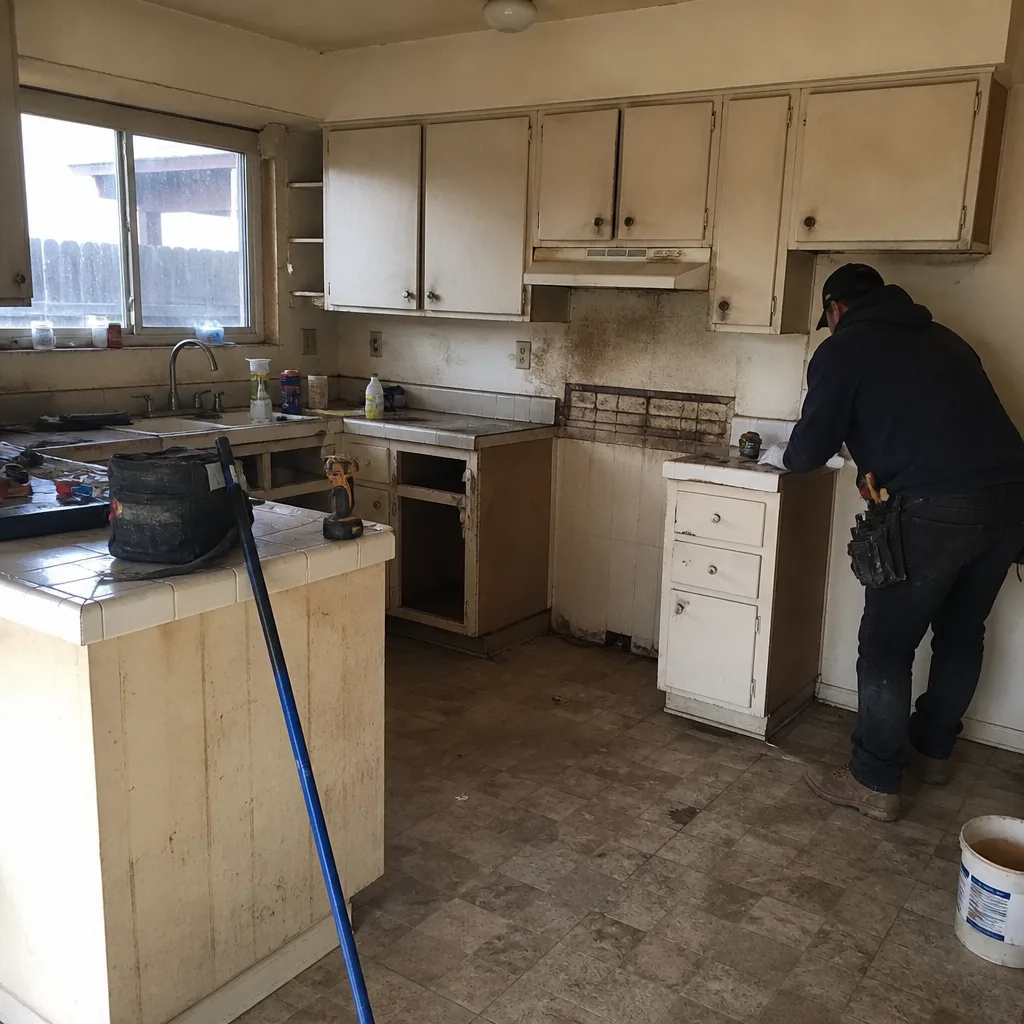 Before
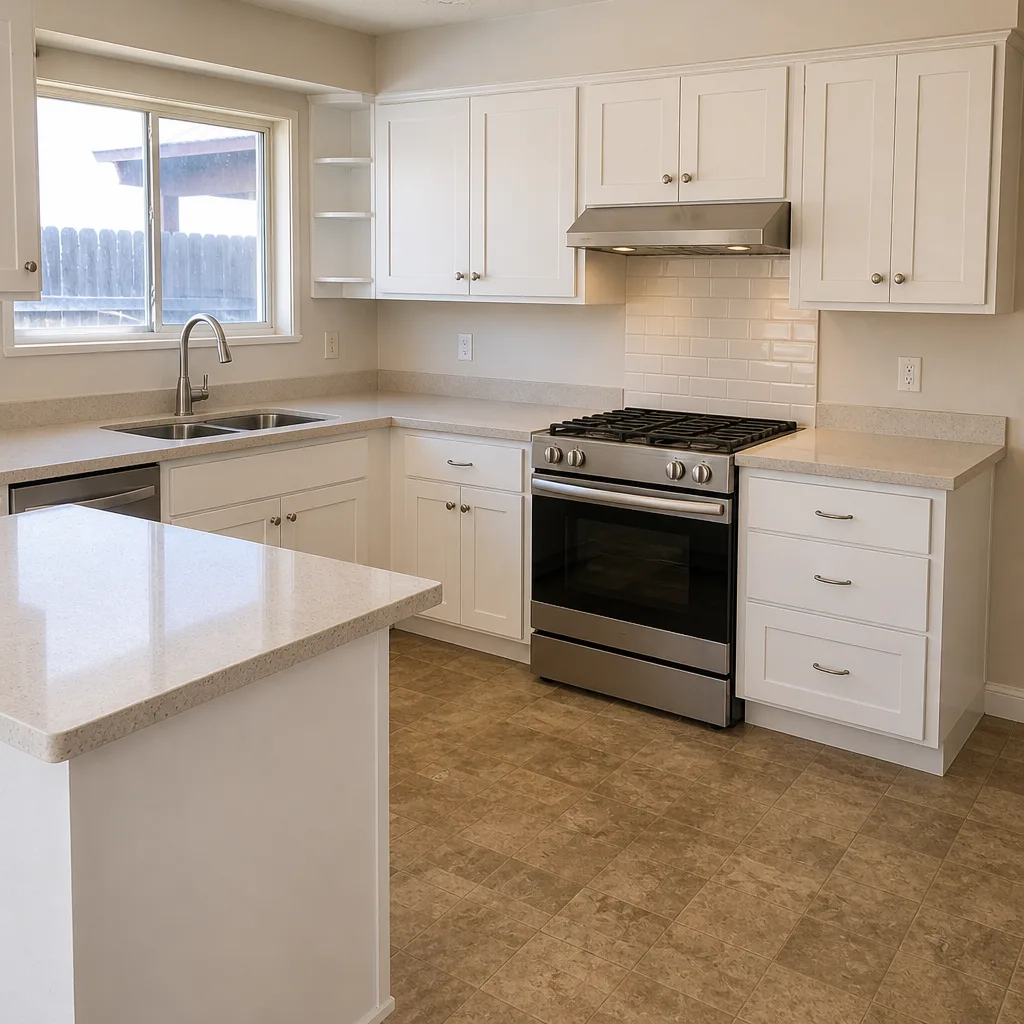 After
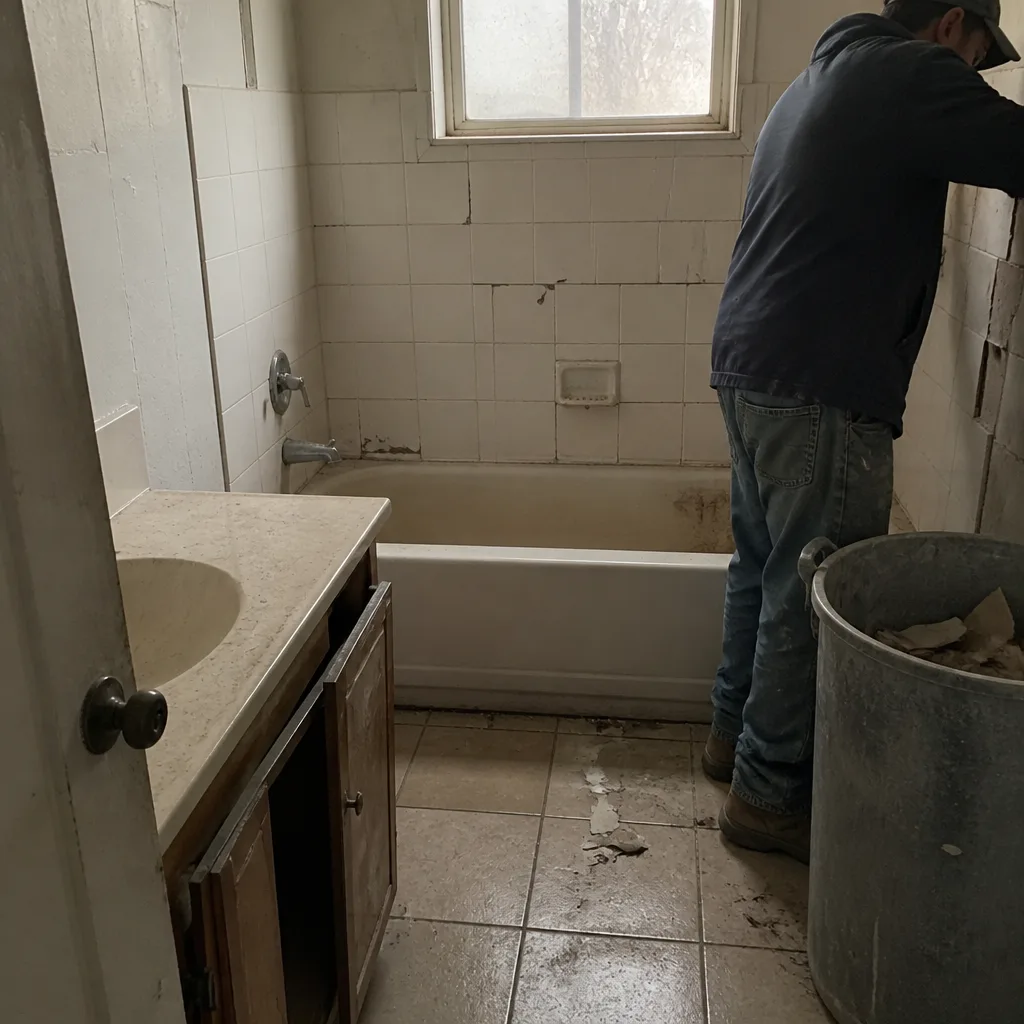 Before
 After
 Before
 After
When to Call a Professional
Some fence work is a homeowner’s project. Hanging a gate, replacing a single picket, or touching up hardware is fine with a Saturday. Everything else in this guide is a call. If the fence sits on a property line with a neighbor’s investment in the outcome, if it’s over six feet tall, if it involves setting posts in concrete, or if the run passes within a few feet of an underground utility, the professional path is the cheaper path over the life of the fence. This is also true if you’re inspecting an existing fence after a wind event; a post that has moved may look tight but fail the next gust. Rowan Construction Group Lancaster offers free estimates in Lancaster. Call (844) 797-3312 and we’ll put a written price on the job before anyone picks up a tool. A live person answers calls, and every visit includes a documented photo record of what we found, standard.
Frequently Asked Questions
Budget roughly $32 to $65 per linear foot for wood and $28 to $55 per linear foot for chain link, with a typical 150-foot residential fence landing in the $6,500 to $11,000 range once posts, panels, gates, and a permit are included. Material grade (cedar versus pressure-treated), post depth for wind load, and site access swing the number meaningfully. Call (844) 797-3312 for an exact quote; estimates are free and written.
In most cases, yes. Most new fences and any fence over six feet in Lancaster or unincorporated LA County require a permit and an inspection. The contractor should produce a permit application receipt or permit number before breaking ground. If they can’t, ask why. Call (844) 797-3312 if you want us to check your specific zone and setback requirements.
Plan for roughly one-third of the post length below grade. That’s about 2 feet 8 inches for an 8-foot post and 2 feet for a 6-foot post. In Lancaster’s sandy loam, depth and concrete volume matter even more than in clay, because the soil drains freely and holds a post less tightly. Shallow posts are the number-one wind failure we see. Call (844) 797-3312 for a free site inspection if your existing fence is rocking.
Check the species tag on the post bundle when it’s delivered. Cedar is lighter in color, has a distinct aroma, and often ships with a species stamp. Pressure-treated pine has a greenish tint from the chemical treatment and a heavier feel. If the delivery doesn’t match the signed contract, stop the job. Call (844) 797-3312 and we’ll review your contract before the first hole gets dug.
Not unless you sign a change order, and only for a change you actually approve. A written flat price covers a written scope. The reason to worry is a bid that names no material specs in the first place; if the contract is vague, the contractor can call anything a “change.” Our 365-Day Done Right Promise backs the price we write. Call (844) 797-3312 to schedule your free estimate.
Ask for the five documents: signed contract with material specifications, permit application or number, proof of general liability and workers’ comp, 811 utility locate confirmation, and a milestone-based payment schedule. A contractor who produces all five on the first visit is running a disciplined business. A contractor who stalls on any of them is not. Call (844) 797-3312 for a free second opinion on any written estimate you already have.
The Bottom Line
Most fence fraud in Lancaster leaves an absence of a paper trail, not a forged one. Five documents before work starts, four on-site tells during installation, one completion checklist at the job walk, and the whole thing is readable to a homeowner who knows what to look for. Name the material species, get the permit number, verify the insurance certificate, call 811, and hold the final payment until the walk is closed. If you’re ready to see what a written price looks like before anyone picks up a tool, we’ll come out and put one together. Rowan Construction Group Lancaster home is where our seven trades meet, and a written price on the fence is where the job starts.
Contact

Call (844) 797-3312 for a free estimate on your Lancaster fence. We’ll bring a written scope, a flat price, and a material spec sheet to the first visit, and no work will start until you’ve signed it. If a competitor has already quoted you, bring their estimate and we’ll review it line by line at no charge through our Free Second Opinion. Our technicians have up to 19 years of experience, are background-checked and uniformed, and every visit includes a documented photo record of what we found and what we did.
Written by the team at Rowan Construction Group Lancaster.