Last updated November 17, 2026
Free written scope consultation - allowances, timeline, and change-order rules on paper before a single trade is scheduled
Home Additions & ADU Maintenance Schedule: What to Do and When
The flashing where a new addition meets the original house is the most likely place for water to get in, and it usually takes two or three rainy seasons before the damage shows. By then, a flaw that was present from day one has had years to rot the sheathing behind it. In Lancaster’s dry climate, that timeline stretches but doesn’t disappear: a single wet winter can do what three coastal winters would. What follows is a maintenance calendar built around the specific failure points of an addition or ADU – the connection joints, the separate utility systems, and the newer materials that age on their own clock – rather than a generic homeowner checklist. We’ve walked through enough post-install inspections to know which items actually earn their keep.
Quick Answer
A home addition or ADU needs its own maintenance calendar organized by interval: a 30-day post-occupancy walk, a 6-month drainage and caulk check, annual roof-flashing and expansion-joint inspections, and 5-year deeper tasks like re-grouting and electrical panel checks. Inspection intervals should be shorter in Lancaster than in coastal guides because 100°F-plus summers break down sealant faster.
Styles & brands we work with
- Kitchen remodeling
- Bathroom remodeling
- Home additions & ADU
- Roofing
- Windows & doors
- Driveway & pavers
- Fence
Table of Contents
- Why an Addition Needs Its Own Maintenance Schedule
- The 30-Day Post-Occupancy Walk
- The 6-Month Check: Grading and Caulk
- Annual Tasks: Flashing, Joints, and HVAC
- ADU-Specific Maintenance Items
- How Lancaster’s Climate Changes the Calendar
- The 5-Year Tasks
- How to Keep a Maintenance Log
Why an Addition Needs Its Own Maintenance Schedule
The main house has had years, sometimes decades, to settle into whatever it’s going to do. The addition and the ADU are still moving. Wood framing dry-shrinks as moisture content drops, which in the Antelope Valley’s low humidity can happen within the first year and open hairline gaps at trim joints you’ll notice at the miter where the baseboard meets the door casing. Those gaps aren’t a defect – they’re normal movement – but they’re your early warning that the building is finding its shape.
The bigger issue is the connection points. Every addition has a junction where new roof meets old roof, new wall meets old wall, and new foundation meets old slab. Water finds those junctions first. Each one is a place where two assemblies that move at slightly different rates have to stay sealed, and each one needs a maintenance eye that the rest of the house doesn’t.
The utility systems matter too. An ADU often runs on its own water heater, its own subpanel, its own HVAC. Those systems age on a separate clock from the main house’s, and they’re easy to forget because nobody walks past them daily. A tankless water heater in Lancaster’s hard water, for example, needs annual descaling or the heat exchanger scales up and the unit starts throwing error codes. That’s a $200 service. Replacing the unit because it seized at year six runs into the thousands. The math on this whole schedule is the same: small recurring cost now, large avoided cost later.
The 30-Day Post-Occupancy Walk
Do this a month after move-in, once the building has seen a few weeks of real use and one full cycle of temperature swings. Walk it the way an inspector would, with a notepad and a phone camera.
- Open and close every window and exterior door. Note any that drag, won’t latch cleanly, or stick at the top of the frame. This is the time to catch settling issues before they compound.
- Look at every caulk joint at the countertops, tub surrounds, window perimeters, and where the new wall meets the existing house. Check for gaps, pull-away, and any caulk that looks dry or chalky.
- Write down the HVAC filter size and install a fresh one. Photograph the filter label. This is your baseline for the quarterly filter changes that many air-handler warranties require to stay valid – and a documented photo is the proof you’ll need if a warranty claim ever comes up.
- Test every GFCI outlet and note the amperage on the subpanel label.
- Check that the grade slopes away from the new foundation on all sides. Look for low spots where water pools after irrigation or rain.
- Photograph the water heater, subpanel, and HVAC data plates and file them with the maintenance log.
On one project we looked at in the westside of Lancaster, the 30-day walk caught a window sill that wasn’t fully caulked on the weather side. Left alone through a winter, that one gap would have let water run back into the wall cavity behind the drywall. Caught at 30 days, it was a $40 reseal.
The 6-Month Check: Grading and Caulk
Six months in, the building has seen its first season of weather and its first round of seasonal movement. Two things matter most: where the water goes and where the caulk’s been.
Grading and drainage. The soil around a new foundation settles within the first year, sometimes more than people expect. Walk the perimeter and check that the grade still drops away from the foundation on every side. A low spot that traps water against the slab can saturate the footing and seep into the wall base. Any ponding after a rain or a long irrigation cycle is a problem to fix now, not later. Look at downspouts too – they should discharge at least four to six feet from the foundation, not dump water straight at the wall base.
Exterior caulk at every penetration. That means every hose bib, every vent hood, every electrical conduit, every window and door perimeter. In Lancaster, exterior caulk on south- and west-facing walls takes more UV load than a coastal install would and can start to crack within a single summer. The exterior side of the south wall of an addition is the last place you want to find a failed bead. Poke at each one with a putty knife or a fingernail. If it feels hard, chalky, or pulls away, cut it out and redo it. Re-caulking a south-facing wall is a half-day job. Repairing water damage that entered through a cracked bead is a much bigger one.
The 6-month check is also the point to schedule the first professional HVAC service call on the new system, since most manufacturers recommend an inspection by a licensed technician within the first year.
Annual Tasks: Flashing, Joints, and HVAC
This is the core of the schedule, and it’s where most of the value lives. Do these every year, on the same month, so you don’t forget.
1. Inspect the roof flashing at the addition-to-existing junction
This is the connector that matters most. Look for lifted, pulled, or cracked flashing, any exposed fasteners, and any place where the sealant bead along the top edge of the flashing has broken down. Check the step flashing along a sidewall, the counter-flashing where the new roof meets the old, and the valley where the two roof planes drain into each other. Any of those have to be watertight before the next rainy season. If anything looks off, call a roofer. Flashing repairs are small when they’re caught early and structural when they aren’t.
2. Check the expansion joints
Anywhere the addition was joined to the existing structure, there should be an expansion joint – a deliberate gap that lets the two structures move independently. Check the joint at the slab, the wall, and any tile or hard flooring across the seam. Look for a sealant that’s lost adhesion, gaps that have widened, or flooring that’s cracked across the line. In Lancaster, where summer-to-winter temperature swings run 40 to 50 degrees, that joint works harder than it would in a milder climate.
3. Service the HVAC system
Annual service by a licensed technician, plus quarterly filter changes on your own. The annual service catches refrigerant charge loss, dirty coils, and blower issues before they stress the compressor.
4. Re-inspect all exterior caulk
The 12-month mark is the baseline interval for exterior sealant inspection in our climate. South- and west-facing walls can warrant a re-check at 9 months if the summer was unusually hot.
5. Walk the attic or crawlspace
Look for water staining, sagging insulation, and any sign of pest intrusion at the new framing. New construction framing is more attractive to rodents than settled framing is.
ADU-Specific Maintenance Items
An ADU’s systems are usually separate and easy to forget because nobody’s living in the mechanical room. Whether the unit is rented to a family member, a tenant, or kept as a home office, the following items belong on an annual schedule.
- Tankless water heater descaling. Lancaster’s water is hard, and scale builds up in the heat exchanger fast. Most tankless manufacturers spec an annual descaling where water hardness is above 7 grains per gallon, and Lancaster runs well past that. Descaling is a two-hour job with a pump kit and a couple gallons of vinegar. Skip it, and you’ll see reduced hot water capacity by year three, error codes by year four, and a failed heat exchanger by year six.
- Tank water heater sediment flush. If the ADU has a conventional tank, flush the sediment once a year by opening the drain valve at the bottom. Sediment builds up on the burner plate and shortens tank life notably in hard-water areas.
- Subpanel breaker exercise. Once a year, trip and reset every breaker in the ADU’s subpanel. Breakers that sit in one position for years can seize, and a breaker that won’t trip is a safety problem. Testing every one annually keeps them operable.
- Separate utility account verification. If the ADU is rented, confirm at least annually that the address is registered correctly with the utility providers so each unit is billed separately. Duplicate or misassigned accounts cause compliance headaches at tax time and, in some jurisdictions, at rental inspection time. Make sure the ADU has its own address plate at the street – this matters for emergency response as well.
- Smoke and CO detector test. An ADU is a separate dwelling unit and needs its own detectors, tested annually, batteries replaced on schedule. Common in a rental compliance check.
For more on how the unit is built and connected, see our page on Home Additions & ADU in Lancaster.
How Lancaster’s Climate Changes the Calendar
Most maintenance guides are written from a coastal or temperate-climate perspective, and their intervals don’t fit here. In Lancaster, summer daytime highs routinely top 100°F, and the UV load on any south- or west-facing sealant is heavy. Caulk that would hold for 24 months on the coast can start failing at 12 to 18 months in the Antelope Valley. That’s why our inspection interval for exterior sealants is annual rather than biennial.
The dry air causes its own set of issues. Wood framing loses moisture content, shrinks slightly, and can open gaps at trim joints, baseboard miters, and door casings in year one. These openings are cosmetic and self-limiting – the building reaches equilibrium and stops moving – but they’re worth caulking and documenting so they don’t become full-width splits later.
On the other side, our brief, intense rain events put a lot of water on the roof in a short window. Flashing that seems fine through a dry summer can show its weakness in a single storm. That’s the argument for checking the addition-to-existing junction every year before the first rain, not after.
Materials matter too. Windows and doors made by brands like PGT or CGI are engineered for high-UV and high-heat exposure, and the manufacturer’s warranty typically specifies a maintenance interval – clean the weep holes, inspect the weatherstrip annually, check the seals at the frame. Skipping those checks is the fastest way to void that warranty. We also see Boral trim on exterior soffits and fascia hold up better than wood in this climate, but even the best trim wants a caulk check annually.
The same climate wear hits fences and hardscape – see Fence Installation in Lancaster and Driveway & Pavers in Lancaster for how exterior structures age here.
The 5-Year Tasks
At the five-year mark, some maintenance moves from “check” to “refresh.” Plan these as budgeted items rather than surprises.
- Re-grout or re-caulk wet areas. The shower, tub surround, and kitchen backsplash caulk all come due for replacement at about five years in a hot, dry climate. The grout in the shower floor can also be re-sealed or re-pointed. A shower that starts leaking through failed grout can damage subfloor and framing before you notice – another “small now, large later” item.
- Exterior paint inspection. Walk every exterior elevation and check for chalking, peeling, and checking. Boral and fiber cement surfaces generally hold paint longer than wood, but any crack in the paint lets moisture behind the coating. Repaint the south- and west-facing walls first if any need it.
- Electrical panel torque check. Contractors in the trade recommend re-torquing the main lugs and every breaker terminal to the manufacturer’s spec at the five-year mark. Loose terminals – which can happen as copper and aluminum conductors expand and contract through thermal cycling – are a fire risk. This is a licensed electrician’s job; it involves opening a live panel.
- Full roof inspection. Have a roofer do a full inspection at year five, not just the flashings at the junctions. This aligns with the maintenance interval that most shingle warranties specify for continued coverage.
- Water heater inspection. Tank units typically want an anode rod inspection or replacement around year five; tankless units want a professional flush and scale inspection.
How to Keep a Maintenance Log
Every task in this guide generates a record, and the record matters as much as the task. A documented log supports warranty claims, insurance claims, and the seller’s disclosure in a future sale. It’s also just useful – the next owner of the property will thank you, and so will any contractor who works on the addition later.
Keep it simple. A spreadsheet or a shared note on your phone works. Four columns:
- Date – the day the inspection or task was done.
- Condition found – a plain, specific description: “Flashing bead at east junction dried and cracking, approx. 3 feet” beats “flashing needs checking.”
- Action taken – re-caulked, called for repair, replaced filter, tightened fitting.
- Cost – what you spent, whether you paid someone or bought materials. Photograph the receipt and attach it.
Alongside the log, keep a folder of the original build documents: the as-built plans, the warranty paperwork on the water heater and HVAC, the roofing material warranty, the window and door warranties. When you call a contractor for a repair under warranty, the manufacturer will ask for proof of the maintenance schedule – the log is what you hand them.
Common Mistakes to Avoid
- Treating the addition’s maintenance like the main house’s. The main house’s schedule is worked out and probably on autopilot. The addition has different connection points and a newer systems baseline that needs its own log. Start a separate one.
- Skipping the roof flashing check because nothing’s leaking. By the time you see a water stain on the ceiling, the leak has usually been running for months. Inspect it every year, before the first rain.
- Letting an ADU’s water heater run without descaling. Lancaster’s hard water makes this the single highest-cost skipped item in the whole schedule. Every year it’s skipped costs twice as much to fix later.
- Assuming the ADU’s HVAC filter is somebody else’s job. If a tenant is in the unit, put filter-changing in the lease. If you’re managing it yourself, put it on your calendar quarterly.
- Skipping the subpanel breaker exercise. Breakers that never move can seize, and a seized breaker doesn’t protect anything.
- Not photographing the condition found. A log entry that says “caulk cracked” is worth less than a photo of the caulk with a date baked into the file. Photograph everything.
- Ignoring the small grade changes around the foundation. Soil settles in the first two years; a one-inch low spot can become a two-inch ponding problem by year three.
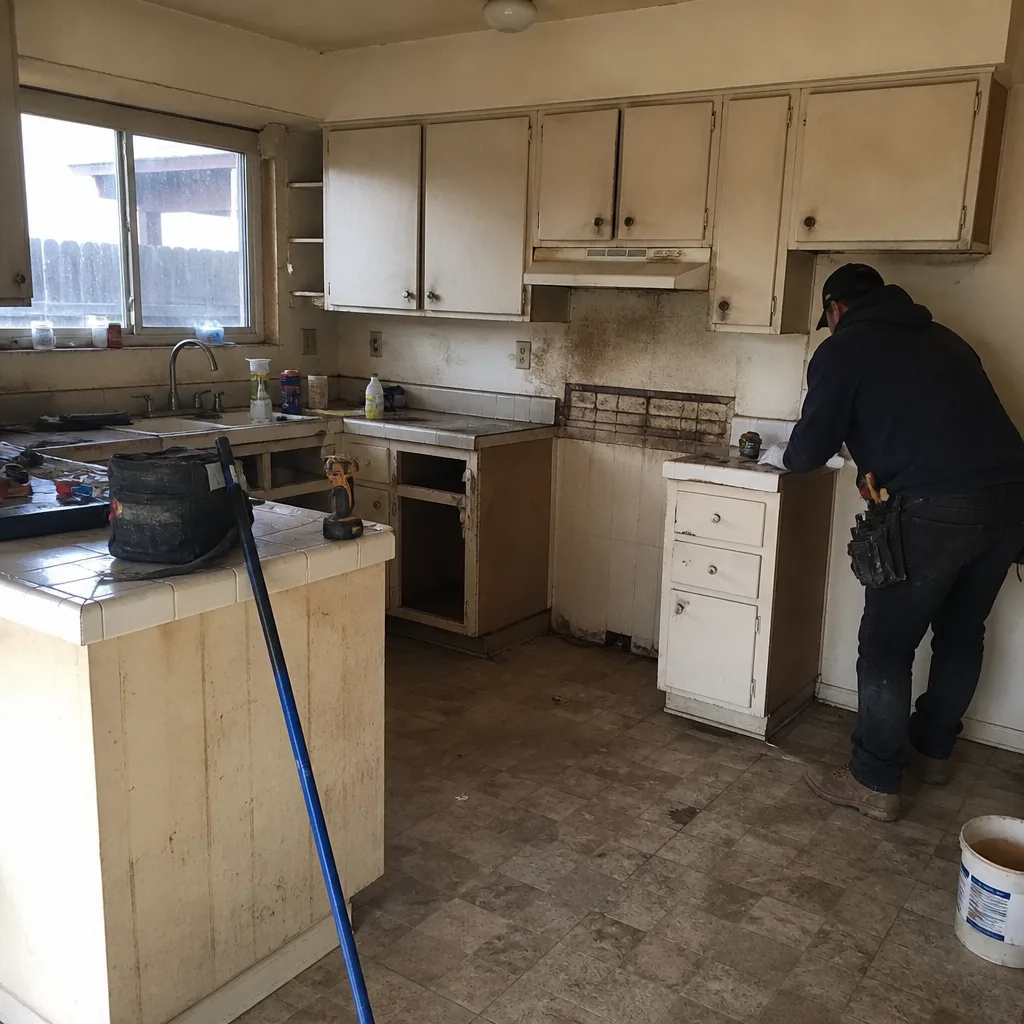
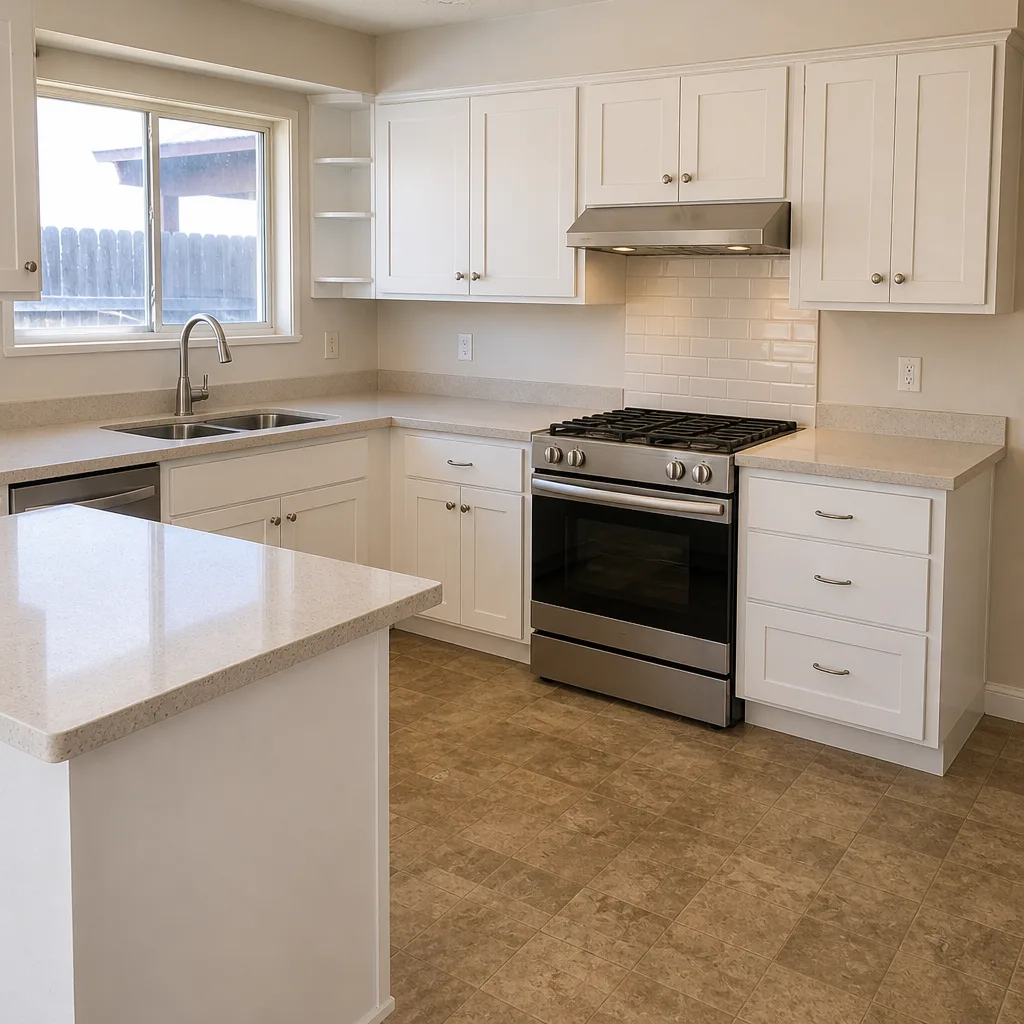
See the difference
 Before
 After
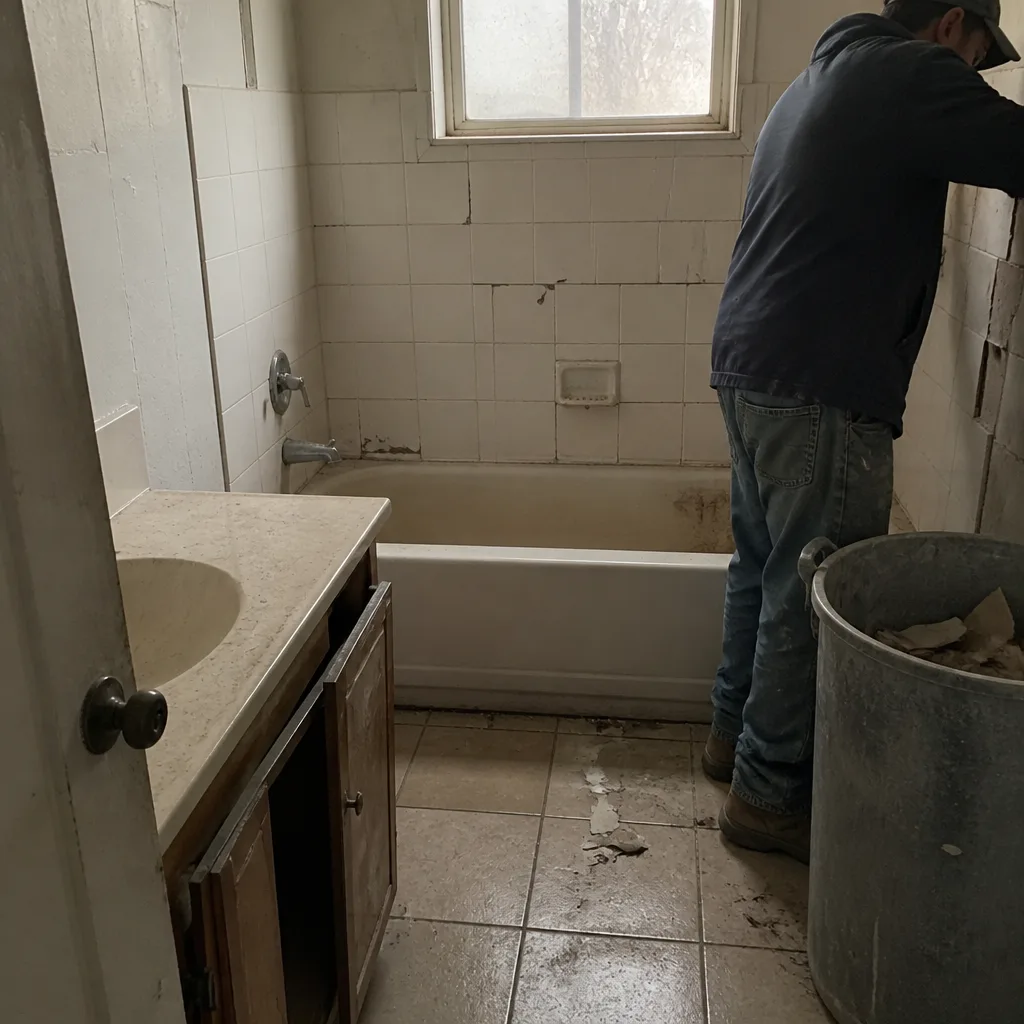 Before
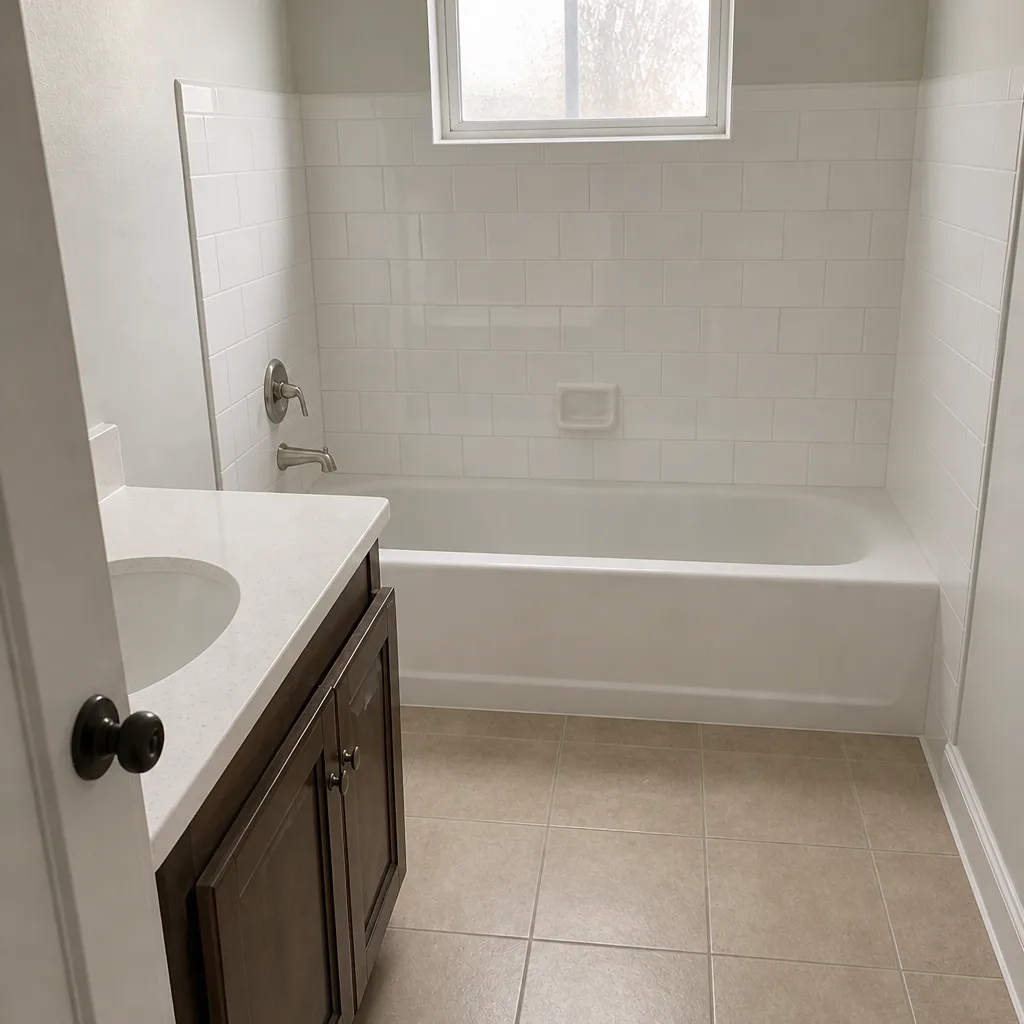 After
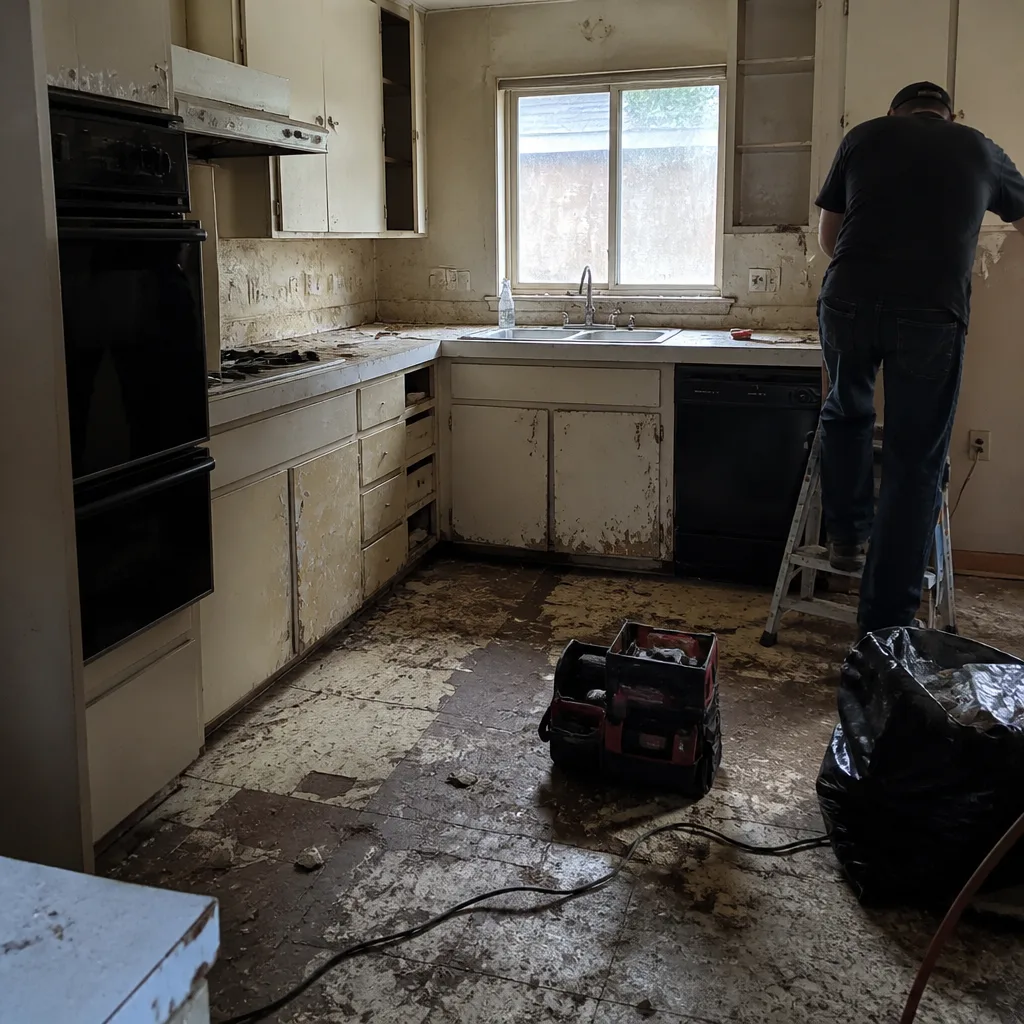 Before
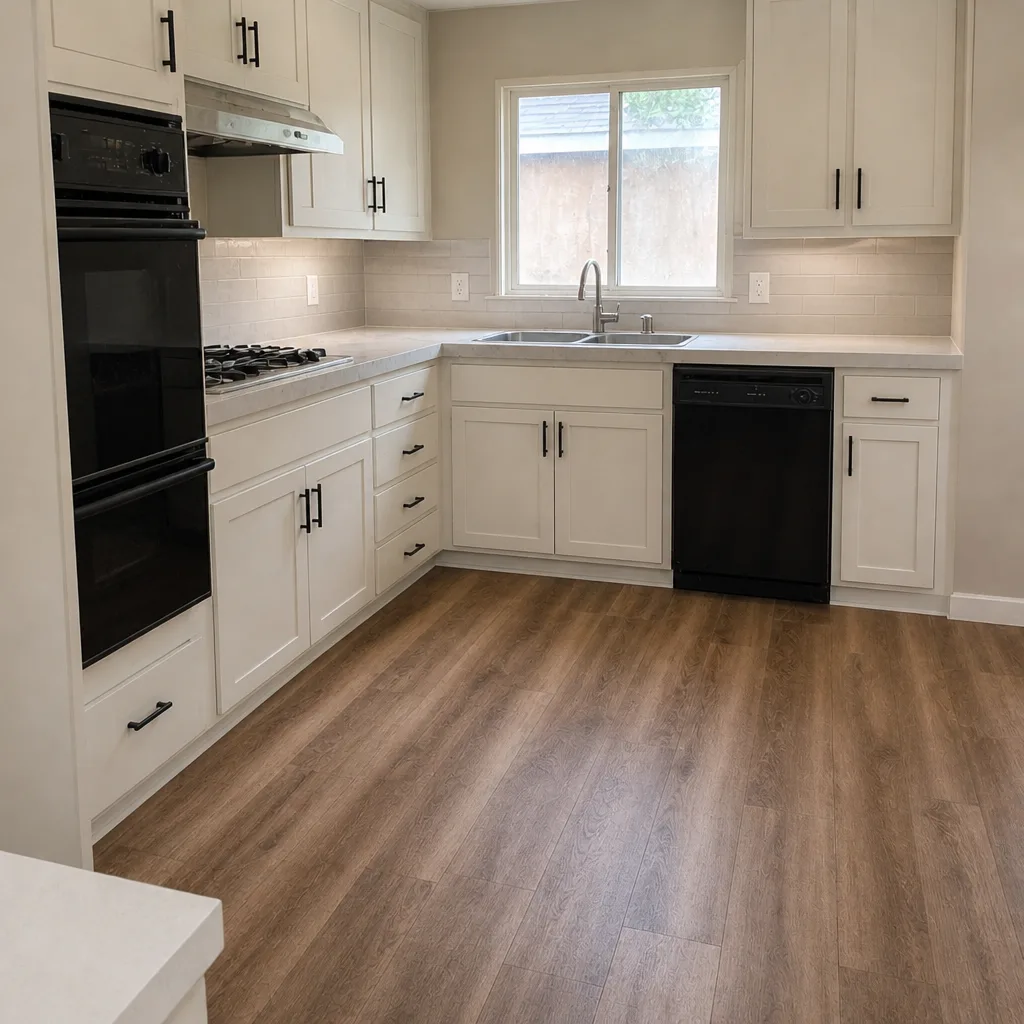 After
When to Call a Professional
Call in a professional when the task involves anything you can’t see or reach safely. Flashing repair involves working at height on a roof, which is the wrong place for a homeowner to be. Electrical panel work – the torque check, breaker replacement, subpanel maintenance – is a licensed electrician’s job because the panel is live and a mistake is dangerous. Tankless water heater descaling looks straightforward in a video and isn’t; if the unit isn’t properly isolated, you’ll get water where it shouldn’t go, and a botched descale voids the warranty. Roofing material inspection at year five should be done by a roofer who knows what warranty compliance looks like. Any suspect water intrusion behind drywall, any sagging anywhere, and any crack in a foundation or slab needs a professional eye promptly.
Rowan Construction Group Lancaster offers free estimates in Lancaster – call (844) 797-3312 to schedule. If you have a competitor’s written estimate, we’ll review it line by line at no charge as a second opinion.
Frequently Asked Questions

Every year, before the first rainy season. Lancaster’s brief, intense storms put a lot of water on the roof fast, and the addition-to-existing junction is the most common place for water to enter. A yearly check catches a failing bead before it turns into a wall repair.
Yes. An ADU has its own water heater, HVAC, and subpanel, and those systems age on a separate clock from the main house. Put the water heater descaling, breaker exercise, and filter changes on an annual or quarterly schedule that’s separate from the main house’s.
Lancaster’s water is hard, so scale builds up in the heat exchanger faster than it would in a soft-water area. Most tankless manufacturers spec an annual descaling in hard water, and skipping it leads to reduced hot water capacity and eventually a failed heat exchanger.
Treating them like the main house after the first year. The most common skipped item is the annual flashing inspection at the roof junction. The second most common is neglecting the ADU’s water heater. Both are cheap to do and expensive to catch late.
At 30 days. That’s long enough for the building to have seen real use and a full temperature swing, and short enough that any installation issue is still fresh and easy to fix. Do the 6-month check at six months and start the annual cycle at the first anniversary.
It can. Most HVAC warranties require documented quarterly filter changes, most tankless water heater warranties require annual descaling, and most shingle warranties require inspection intervals that match the product warranty. Keep the log with photos and receipts – that documentation is what a warranty claim turns on.
For the broader picture of how an addition or ADU comes together in the first place, start at the Rowan Construction Group Lancaster home page and work from there.
The Bottom Line
The maintenance calendar for an addition or ADU is smaller than the main house’s but more specific. The two highest-value items are the annual roof flashing inspection at the addition-to-existing junction and the ADU water heater descaling – both under $300, both capable of preventing repairs in the thousands. Lancaster’s climate shortens caulk life on exterior walls and intensifies the flashing risk each rainy season. Keep a documented log with photos, condition found, and cost. That record supports warranties, insurance, and resale. Do the small inspections on schedule and most of the big repairs never happen.
Call Rowan Construction Group Lancaster at (844) 797-3312 for a free estimate on any repair or inspection. Estimates are written, the price is flat, and the scope is spelled out before any work starts. Our technicians have up to 19 years of experience, and every visit comes with a documented photo record.
Written by the team at Rowan Construction Group Lancaster.