Last updated November 17, 2026
Free written scope consultation - allowances, timeline, and change-order rules on paper before a single trade is scheduled
The Complete Windows & Doors Guide for Lancaster Homeowners
A vinyl window rated adequate for Los Angeles will expand and contract roughly twice as much across Lancaster’s desert temperature range. That’s not a marketing line, it’s physics. Vinyl’s coefficient of thermal expansion is high, and when a summer afternoon hits 104°F and the same night drops to 62°F, the frame moves. If it was sized and installed for a coastal climate with a 20-degree swing, the seals take the difference. Within a few seasons you get gaps, dust infiltration, and fogged glass. This guide sizes, specifies, and prices windows and doors against the Antelope Valley’s actual conditions, so the units you buy hold their seals for the life of the warranty.
Quick Answer
Windows and doors in Lancaster should be specified for Energy Star Climate Zone 3, with a whole-unit U-factor of 0.40 or lower, Solar Heat Gain Coefficient (SHGC) of 0.25 or lower on south and west exposures, and a frame material that tolerates 40°F daily temperature swings. Installed costs in 2026 dollars run about $550 to $1,150 per single-hung or double-hung vinyl unit, $750 to $1,600 for casement, and $950 to $2,000 for sliding. Replacement of seven or more windows, or any change to a door’s rough opening, requires a Lancaster building permit.
Styles & brands we work with
- Kitchen remodeling
- Bathroom remodeling
- Home additions & ADU
- Roofing
- Windows & doors
- Driveway & pavers
- Fence
Table of Contents
- Why Lancaster Climate Changes the Spec Sheet
- Energy Star Zone 3 and Title 24: What Actually Applies
- Which Window and Door Projects Need a Permit in Lancaster
- Frame Materials: Vinyl vs Fiberglass vs Aluminum in High Desert Heat
- How to Read the NFRC Label: The Four Numbers That Matter
- Window and Door Costs in Lancaster, 2026 Dollars
- Door-Specific Considerations for Wind-Driven Dust and UV
- What a Proper Installation Looks Like, Step by Step
Why Lancaster Climate Changes the Spec Sheet
Lancaster sits at roughly 2,300 feet on the western edge of the Mojave, and the Antelope Valley does two things to building materials that coastal guides never account for: it swings hard on temperature and it moves a lot of dust. A typical June day starts at 68°F, peaks near 102°F, and falls back into the 70s after sunset. That’s a 34-degree daily range, and it happens 300-plus days a year. Materials with high thermal expansion, vinyl chief among them, cycle through that range thousands of times over a window’s service life.
The dust is the second half of the equation. Lancaster gets sustained west and northwest winds funneling through the valley, and that wind carries fine particulate that finds any imperfect seal. A window with a 1/16-inch gap in the weatherstripping isn’t a minor annoyance here; it’s a silt delivery system. We’ve opened units in west-facing walls in Quartz Hill where the interior sill had a visible grit line after two seasons.
What this means for your spec sheet:
- Frame material: fiberglass or aluminum-clad wood hold dimensions far better than hollow vinyl in this range.
- Seals: multiple weatherstrip points and a continuous sill pan matter more than the U-factor number on a mild-climate unit.
- Glazing: Low-E with a low SHGC is non-negotiable on west and south exposures or your cooling load climbs.
- Installation: proper shimming and backer rod with sealant, not expandable foam alone, which degrades faster under UV and heat cycling.
If you’re coordinating windows with a broader exterior project, the same climate logic applies to siding and rooflines, which we cover in the Rowan Construction Group Lancaster home overview of our seven trades.
Energy Star Zone 3 and Title 24: What Actually Applies
Lancaster falls in Energy Star Climate Zone 3, the “hot-dry” category. That designation sets the minimum performance a window must hit to qualify, and it’s stricter than most homeowners expect. Zone 3 requires a whole-unit U-factor of 0.40 or better and an SHGC of 0.25 or better for standard prescriptive compliance. Zone 3 is also where the “both directions” rule bites: you want low U-factor to keep the heat out in summer and low SHGC to reject solar gain, and a window optimized only for one usually misses the other.
California Title 24 adds a second layer. Any window replacement in an existing home must meet the prescriptive requirements for the climate zone, and if you’re replacing a door or window as part of an addition or major remodel, the whole-building performance approach may apply instead. The practical upshot for Lancaster homeowners: a replacement window sold as “Energy Star qualified” nationally may just barely qualify in Zone 3 and fail a stricter local check. Ask for the NFRC label, not the marketing sticker.
One more local detail: Lancaster gets more intense peak sun on west elevations than the zone average because of the altitude and clear-sky days. We spec SHGC at 0.22 or lower on any window facing 200° to 280° of azimuth, which is tighter than the Zone 3 minimum and reflects what the afternoon sun actually does here.
Which Window and Door Projects Need a Permit in Lancaster
Permit thresholds trip up a lot of homeowners, so here’s the working rule we use in Lancaster. A like-for-like replacement of a single window or door, same size and same opening, generally does not require a permit. Once you’re removing seven or more windows in one project, changing the rough opening size, or altering a wall to add a door, a building permit is required.
That seven-window threshold is a Title 24 trigger at the state level, tied to the “fenestration alteration” rules. In Lancaster, a permit for a window package typically runs a few hundred dollars plus inspection coordination, and a door that changes the opening needs a framing and header check. If you’re replacing an entry door in a wall that’s structurally load-bearing, the permit is not optional.
- Call Lancaster’s building department with your address and the scope. Ask specifically whether your project exceeds the fenestration alteration threshold.
- Pull the permit before the crew demos anything. A contractor who tells you a permit is unnecessary for a seven-window package is telling you something about how they run jobs.
- Schedule the inspection when the flashing and sealing are visible but before interior trim goes back on. That’s the point the inspector needs to see the sill pan and the fastening.
Rowan pulls permits and schedules inspections as part of the written scope, so the price you sign includes the administrative cost. In our experience the permits get passed without drama when the sill pans and flashing are right, and the trouble starts when they aren’t.
Frame Materials: Vinyl vs Fiberglass vs Aluminum in High Desert Heat
Frame material is the single biggest determinant of whether a Lancaster window performs or fails, and it’s the specification most homeowners skip. Here’s how the three common options behave in a 40-degree daily swing.
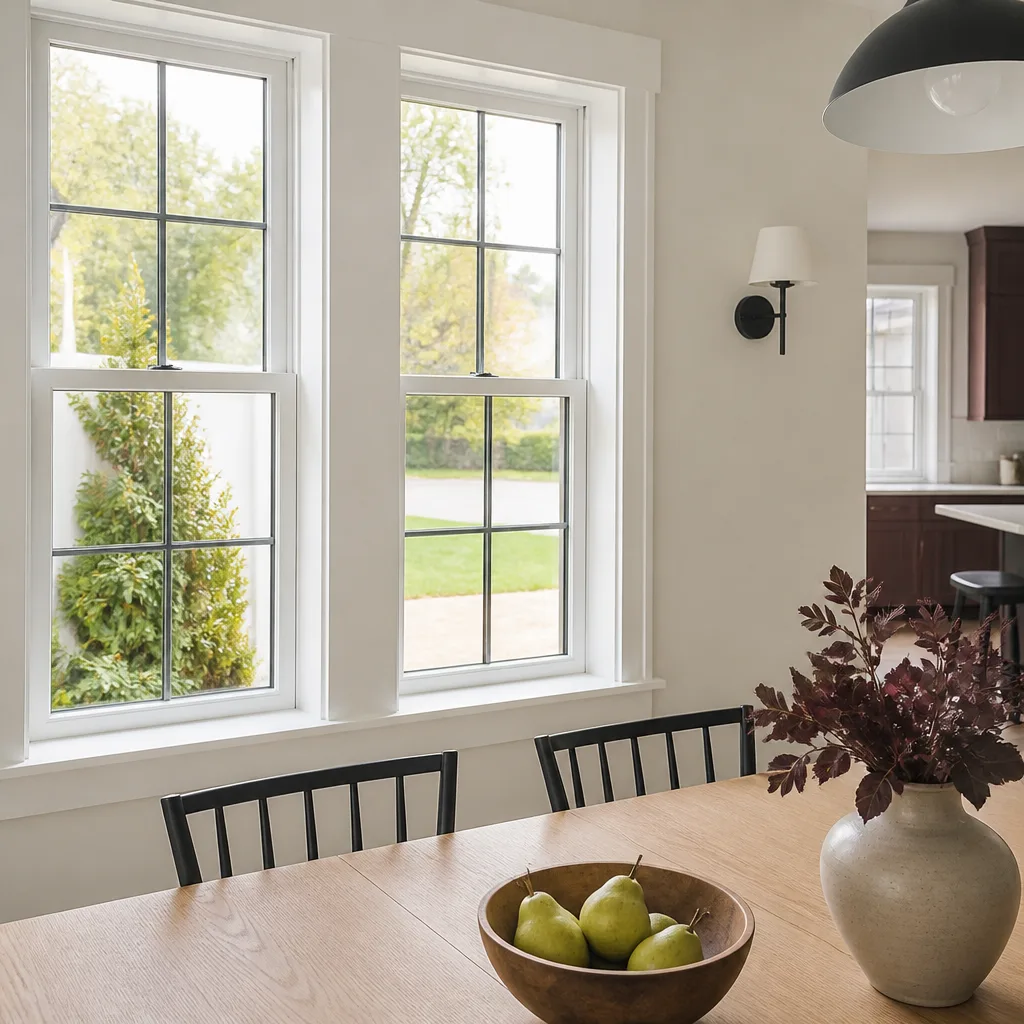
- Vinyl: Lowest cost and the most common in Lancaster, but vinyl’s thermal expansion is roughly 3 to 4 times that of fiberglass or aluminum. A dark-colored vinyl frame on a west wall can move noticeably. Acceptable if it’s light-colored and the installer leaves proper expansion gaps and shims correctly, but it’s the material most likely to gap within three years under the Antelope Valley’s cycling.
- Fiberglass: Expansion close to glass, so the frame and glazing move together, which is a real advantage in high-desert temperature swings. Higher cost per unit, typically 20 to 35 percent more than vinyl. Doesn’t crack or warp like vinyl can in full sun.
- Aluminum: Dimensionally stable and the best in terms of thermal expansion, but aluminum conducts heat, so a thermally broken frame is essential. Stands up to UV and wind-driven dust better than the alternatives and is our default choice on west-facing walls where the frame gets hammered.
For more on how exterior durability plays out across the whole house, our fence installation in Lancaster guide makes the same climate argument for exterior wood and composite.
How to Read the NFRC Label: The Four Numbers That Matter
The NFRC (National Fenestration Rating Council) label on every window sold in the U.S. carries six or more numbers. Four of them determine whether the unit belongs on a Lancaster house. Read them in this order.
- U-factor: how fast heat moves through the whole unit. Lower is better. Zone 3 minimum is 0.40; we spec 0.30 or lower wherever the budget allows.
- Solar Heat Gain Coefficient (SHGC): the fraction of solar heat that passes through. Lower is better in Lancaster. We spec 0.25 maximum, and 0.22 or lower on south and west faces.
- Visible Transmittance (VT): how much daylight comes through. Higher is brighter. A unit with SHGC under 0.25 will typically land around 0.40 to 0.55 VT, which is fine for a desert home that you’re trying to shade anyway.
- Air Leakage (AL): the cubic feet per minute per square foot that leaks through the frame seals. 0.30 or lower is the certification threshold; under 0.10 is what we want on a dust-prone Lancaster wall.
The fifth number, condensation resistance, matters less here than it does in humid climates and can be skipped. The four above are the whole decision. Ask to see the label before signing anything, and photograph it: it’s part of the documentation you should keep.
Window and Door Costs in Lancaster, 2026 Dollars
Prices in Lancaster track the southern California market but run toward the lower end because the local competitive set is deep and supply from the big-box stores along the 14 is consistent. Here’s what you should expect to see on a written quote, installed, including disposal of the old unit.
| Unit Type | Installed (Supply & Install) | Material Only (Big Box) |
|---|---|---|
| Single-hung vinyl, 36×60 | $550 – $850 | $220 – $380 |
| Double-hung vinyl, 36×60 | $650 – $1,150 | $280 – $520 |
| Casement vinyl, 36×60 | $750 – $1,600 | $340 – $650 |
| Sliding vinyl, 72×60 | $950 – $2,000 | $420 – $900 |
| Fiberglass entry door | $1,400 – $3,200 | $700 – $1,400 |
| Steel entry door | $1,100 – $2,600 | $500 – $1,100 |
| Aluminum-clad, west-facing upgrade | add 20 – 35% to above | add 20 – 35% |
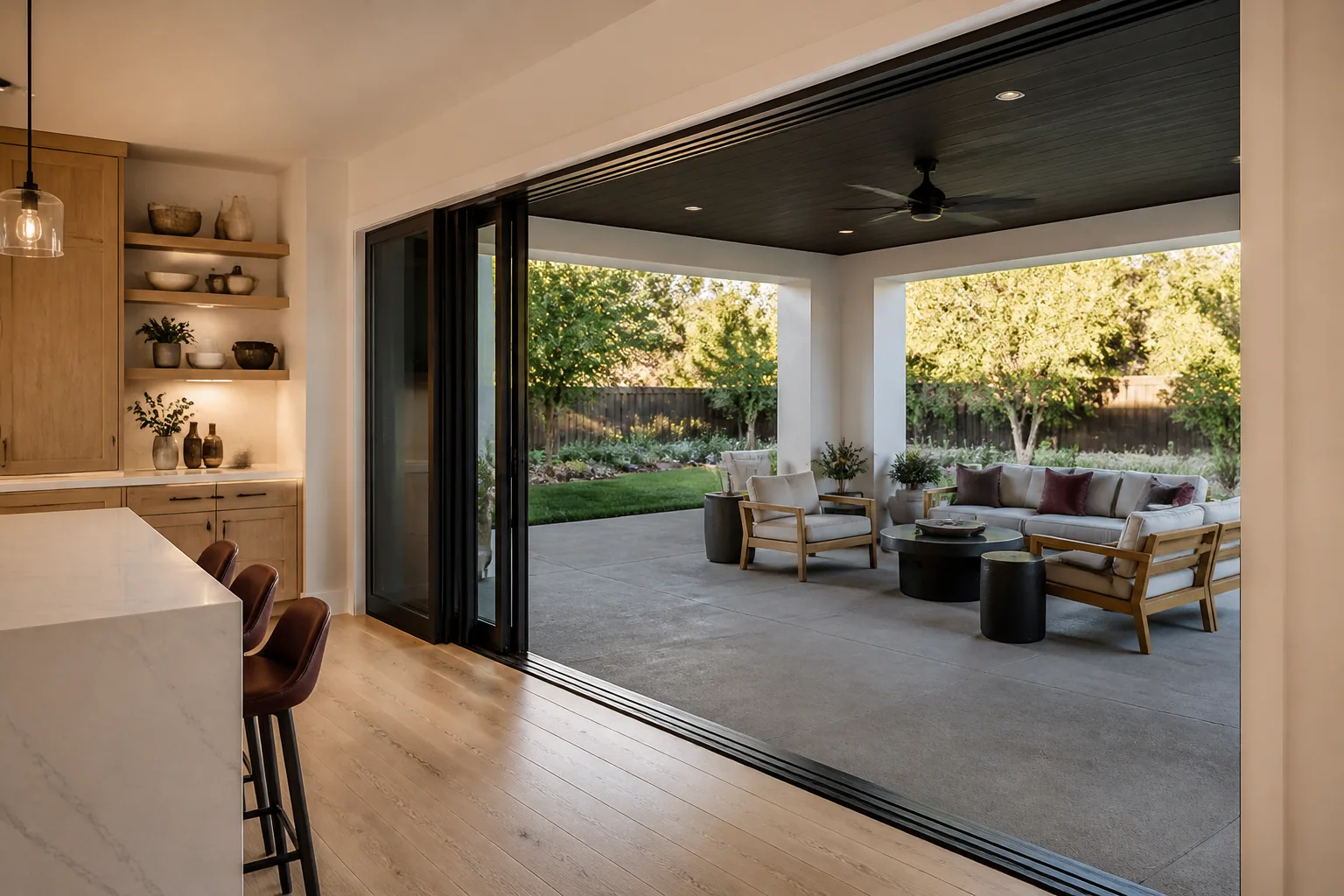
Two things move these numbers: the frame material upgrade and whether the opening needs modification. A straight swap into an existing opening sits at the low end. A window that needs a new rough opening, header, or exterior trim repair sits at the top and can exceed it. The best way to compare is a written line-item quote rather than a per-window average, and Rowan delivers one before any work starts, under the no-hassle upfront pricing rule in Clause 1 of the Haven Standard.
If you’re replacing doors as part of a bigger addition, our home additions and ADU in Lancaster guide covers how fenestration costs fold into a larger scope. For scale, we’ve seen speculative manufactured options like Boxabl and Mighty Buildings quoted in the same market; they typically arrive with standard fenestration that has to be re-specified for Zone 3 anyway.
Door-Specific Considerations for Wind-Driven Dust and UV
Doors get the neglect budget in most window-and-door projects, and in Lancaster that’s a mistake. The entry door is the biggest breach in the thermal envelope and the one most exposed to the valley’s wind and UV. Three specifics worth understanding.
Threshold sealing. The threshold is where wind-driven dust enters. In our experience, a door with a standard kerf-mounted sweep and a hollow metal threshold will show dust infiltration on the interior sill within a season on a west-facing wall. We spec an adjustable threshold with a positive interlock and a silicone sweep, plus a continuous bead of exterior sealant at the threshold-to-slab joint. That combination is the difference between an entry door and a slit in the envelope.
Screen door hardware. UV degrades the plastic and enamel on cheap screen door hardware faster in Lancaster than anywhere else in California. Stainless and powder-coated aluminum hinges and closers are worth the small upgrade; the alternatives fail in three to five years.
Fiberglass vs steel entry doors. Both hold up here, but the difference matters. Fiberglass resists denting and warps less under direct summer sun; steel has a slightly lower cost but a factory paint finish that can chalk and fade under Lancaster’s UV intensity, especially on a west-facing entry. We lean fiberglass for east and west exposures and steel for shaded or north-facing entries. Both should carry a factory finish rated for high-UV exposure, and the weatherstripping should be a magnetic or compression type rather than a thin foam strip.
What a Proper Installation Looks Like, Step by Step
The unit is half the job. The installation is the other half, and in Lancaster the climate punishes shortcuts. Here’s the sequence we follow on every unit, and what you should expect to see if you’re supervising your own project.
- Measure and confirm the opening. Rough opening dimensions are checked against the unit’s spec, with allowance for expansion gaps on vinyl and full contact on fiberglass or wood.
- Remove the old unit and inspect the framing. Any rot, water damage, or termite damage is documented with photographs before new work begins.
- Install a sill pan with slope to the exterior. The single most common cause of failed window installations in Lancaster is water pooling on the sill; the pan and a positive slope drain it out. This step is inspected and photographed.
- Set and shim the unit. Shims are placed at the sill, jamb, and head per the manufacturer’s diagram, plumb and level within 1/16 inch. Improper shimming is what causes frames to bind and seals to gap.
- Seal with backer rod and sealant, not foam alone. Expanding foam degrades under UV and heat cycling; a properly placed backer rod behind a UV-rated sealant holds. We use low-expansion foam only where the gap calls for it.
- Flash and trim. Flashing tape at the head, and exterior trim that sheds water and sheds dust.
- Document. Every visit includes a photo record as standard, so you have the framing, the sill pan, and the finished seal on file. That’s the documented photo record that comes with every Rowan visit, not an add-on.
The same documentation discipline underpins the driveway and pavers in Lancaster work we do. The principle is consistent across trades: show what was found, show what was done, hand the customer the file.
Common Mistakes to Avoid
- Buying the national “Energy Star qualified” window without checking the Zone 3 number. A unit can carry the label and still fail strict Zone 3 SHGC on a Lancaster west wall. Photograph the NFRC label and verify against 0.40 U-factor and 0.25 SHGC.
- Using hollow vinyl on west- and south-facing walls. The temperature cycling here is unforgiving, and the cost savings on vinyl can be erased by a re-do in three years.
- Skipping the sill pan. If the installer sets the unit directly on the framing and caulks, walk the job. Water intrusion and dust intrusion both start at the sill.
- Treating the permit as optional on a seven-window package. Lancaster’s fenestration alteration threshold is real, and a contractor who says it isn’t is creating a problem for you, not for them.
- Installing the entry door with standard threshold hardware. The wind-driven dust will find it. Adjustable thresholds and positive-interlock sweeps are the spec here, not the upgrade.
- Not asking for a written line-item quote. Per-window averages hide the two windows that need opening work. Insist on the line-item scope before any deposit.
- Ignoring the UV rating on exterior finishes. Lancaster’s sun fades anything not rated for high-UV exposure, from door paint to trim caulk. Specify it, don’t assume it.
See the difference
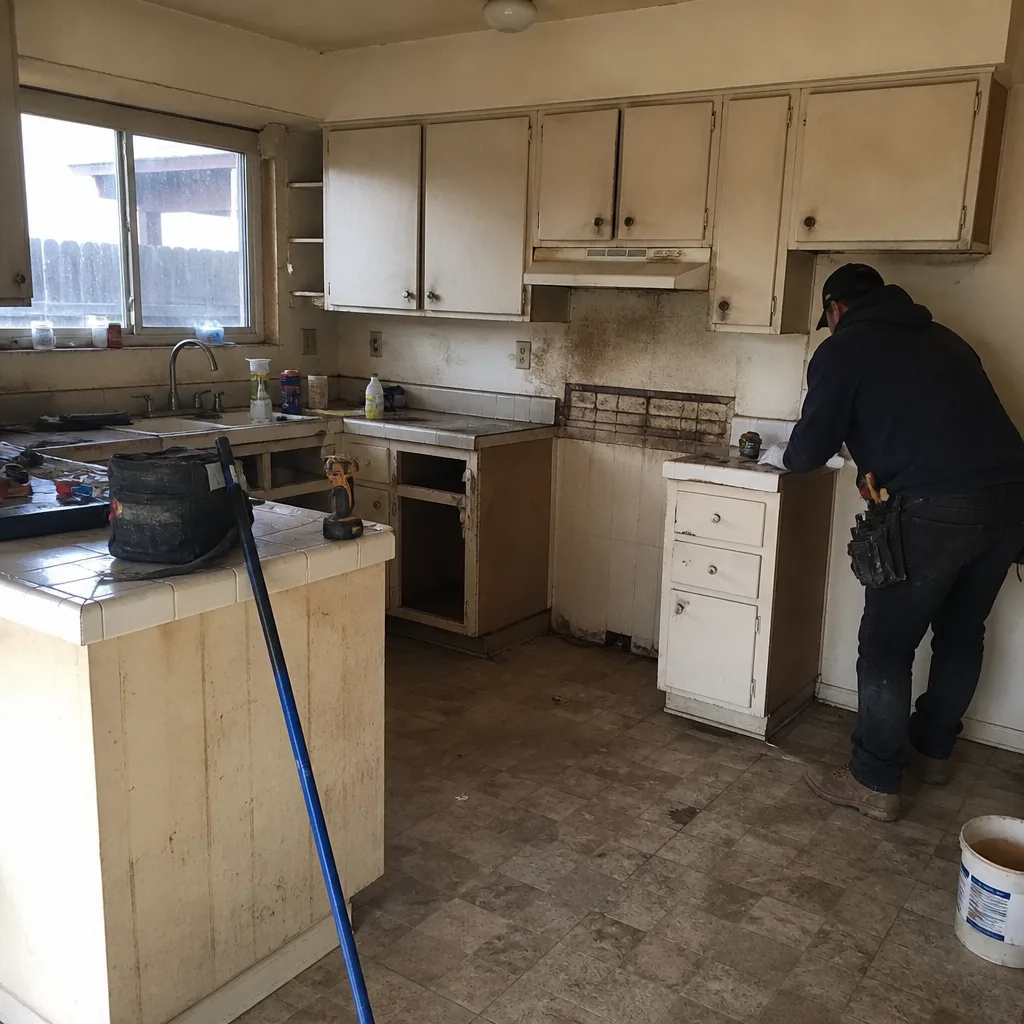 Before
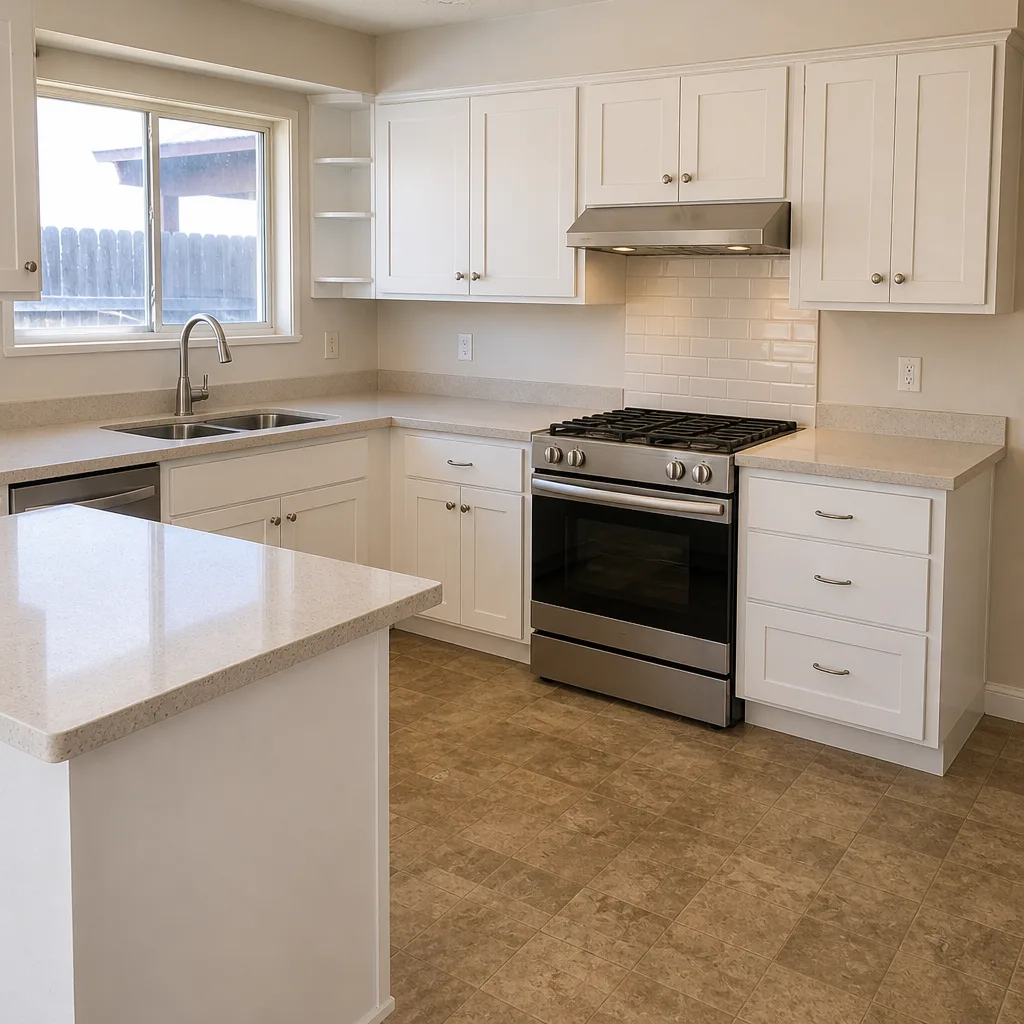 After
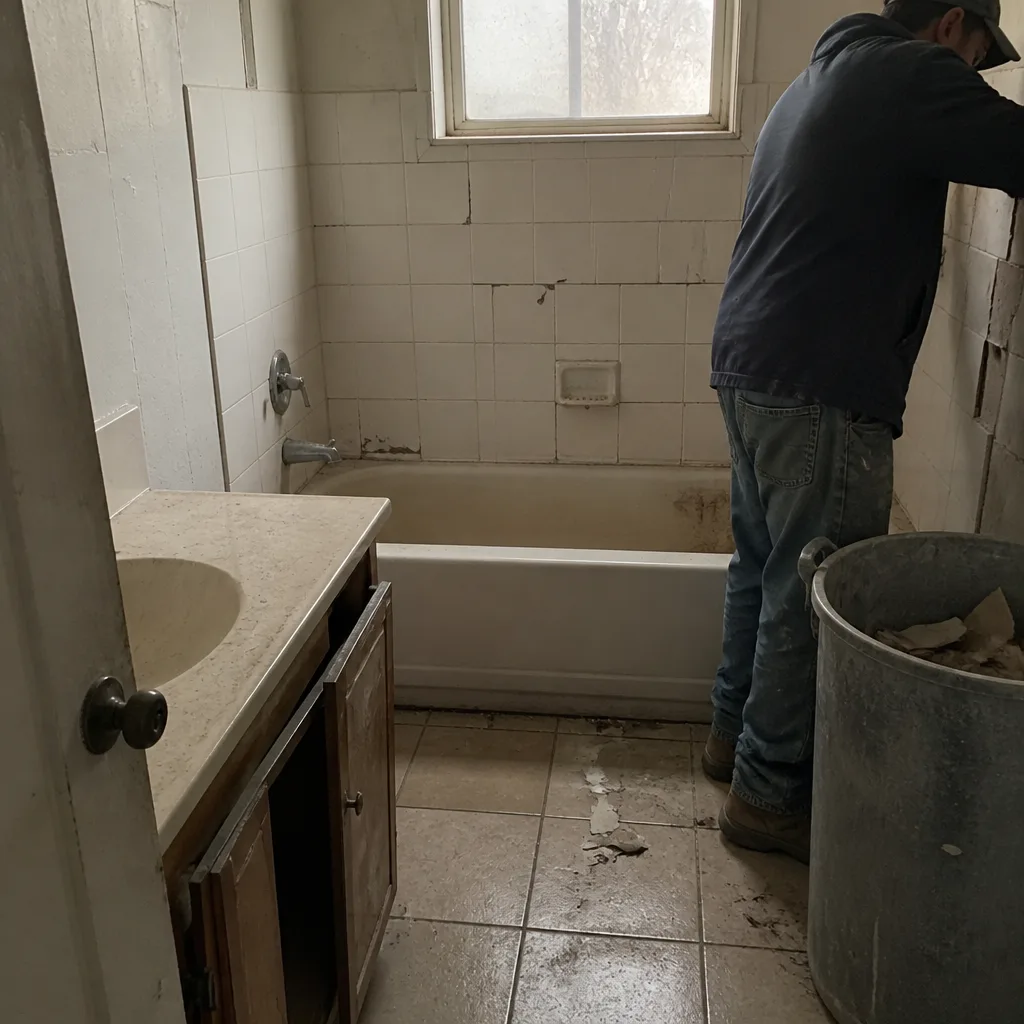 Before
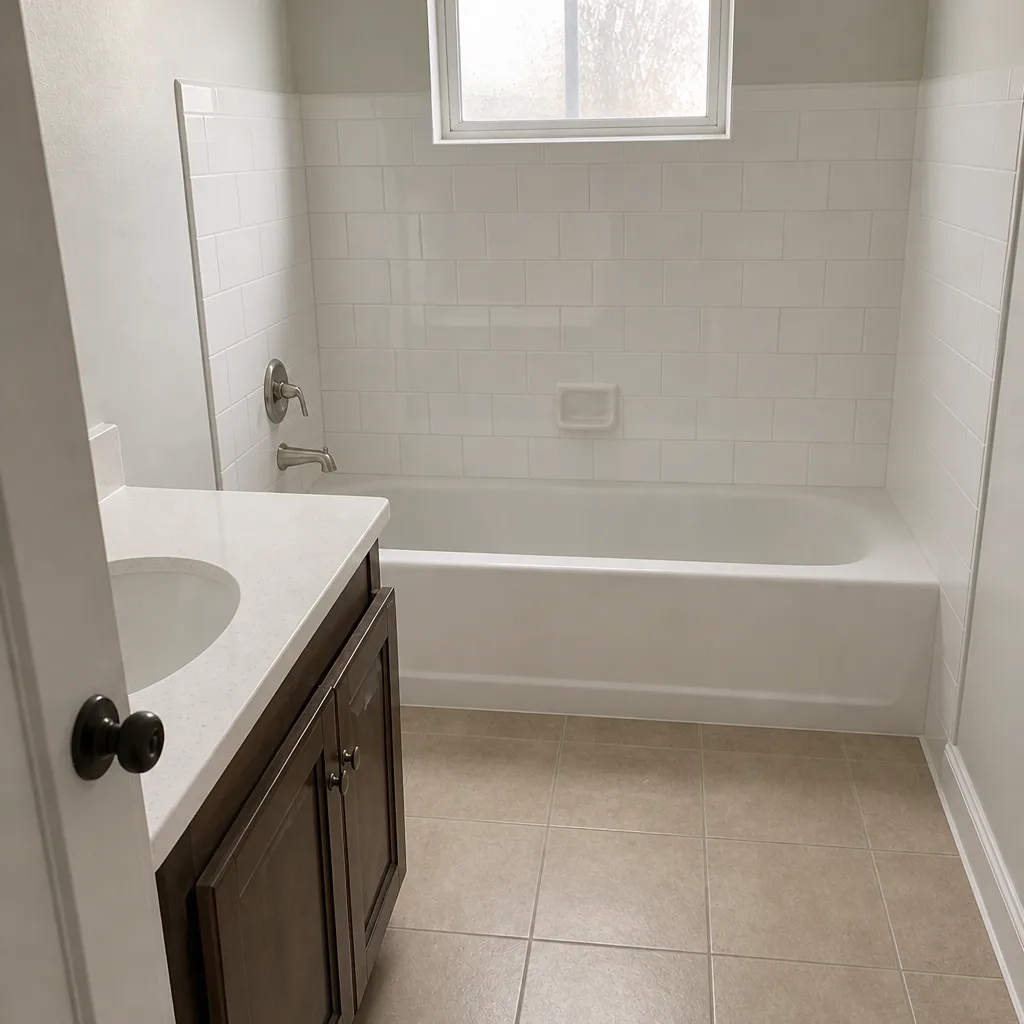 After
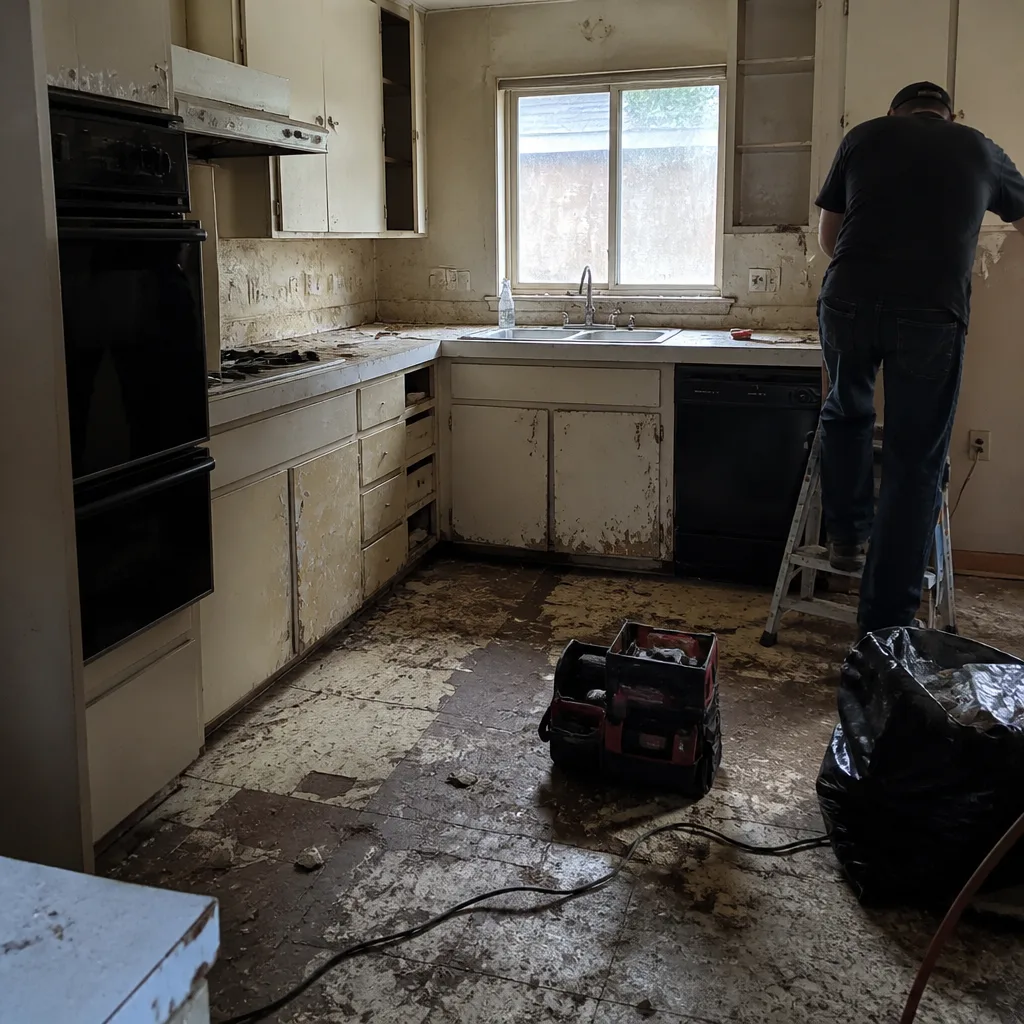 Before
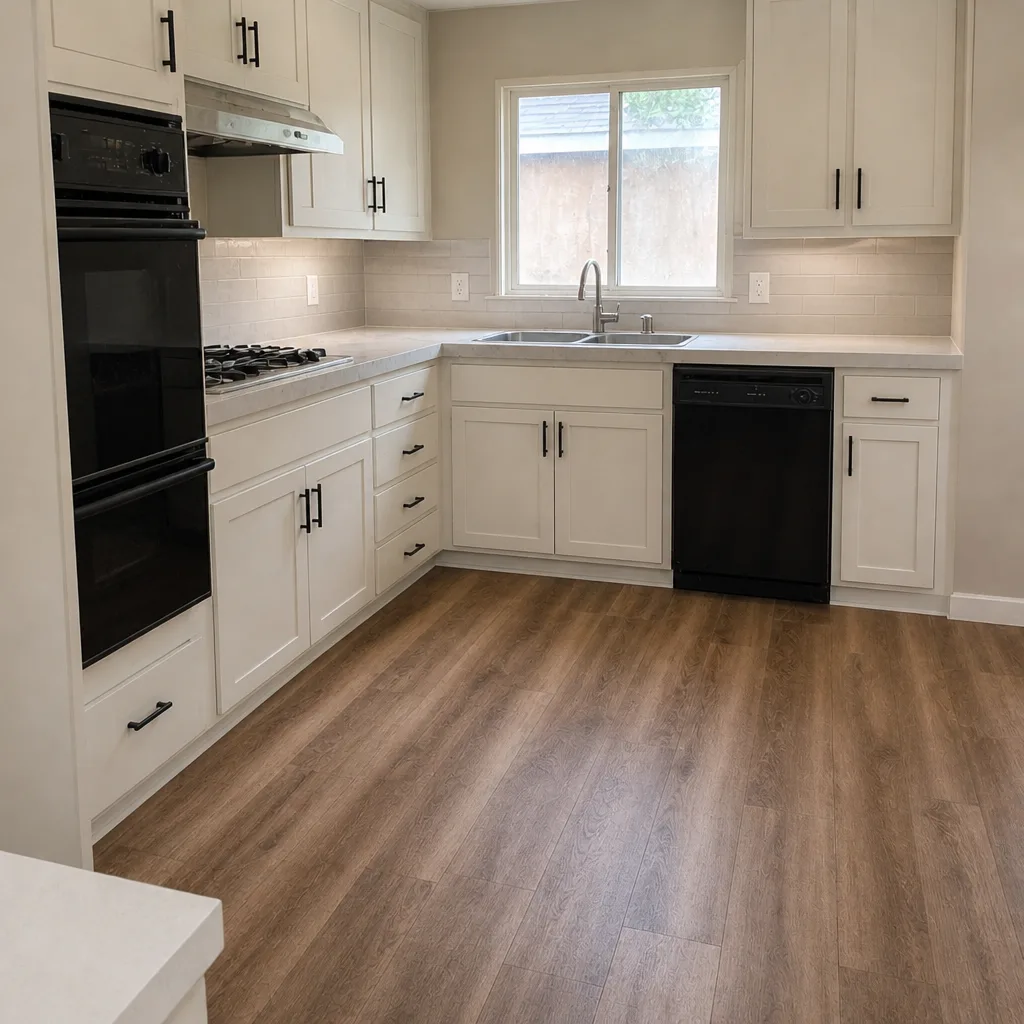 After
When to Call a Professional
Call a professional when any of the following is true: the window or door is part of a package of seven or more units that triggers Title 24 and a permit; the rough opening needs modification, header work, or a new wall penetration; the existing unit shows water damage, rot, or termite damage in the framing; the wall is west- or south-facing and you need the frame material and SHGC specified correctly for Zone 3; or a door has begun to bind, gap, or admit visible dust. High-tension window frames and doors in upper-story walls are not a place to save money on the install. Our technicians have up to 19 years of experience in this climate, and Rowan Construction Group Lancaster offers free estimates in Lancaster. Call (844) 797-3312 to schedule yours.
Frequently Asked Questions
0.25 or lower for whole-home compliance in Zone 3, and 0.22 or lower on south- and west-facing windows in Lancaster. Lower SHGC rejects more solar heat, and in the Antelope Valley that’s a direct cooling-cost saving. Ask to see the NFRC label before purchase. Call (844) 797-3312 for an exact quote on a Zone 3-spec package, with the numbers in writing.
Installed pricing in Lancaster runs about $550 to $1,150 per single-hung or double-hung vinyl window, $750 to $1,600 per casement, and $950 to $2,000 for a sliding unit in 2026 dollars. Material-only from a big-box store runs roughly 40 to 50 percent below installed pricing. The written line-item quote is the number to compare, and Rowan delivers one before any work starts. Call (844) 797-3312 for yours.
A like-for-like replacement of a single window or door generally does not need a permit, but a package of seven or more windows, a change to the rough opening, or a new opening in a wall does. Lancaster enforces the Title 24 fenestration alteration threshold, so check before you buy. Rowan pulls the permit and schedules the inspection as part of the written scope. Call (844) 797-3312 if you want to confirm your project’s status.
Vinyl windows can perform in Lancaster, but they need light-color frames, correct expansion gaps, and proper shimming to survive the daily 40°F temperature swing. Dark-colored vinyl on a west-facing wall is the highest-risk configuration and the one we’d steer you away from. Fiberglass or thermally broken aluminum cost more but move with the glass instead of against it. We’ll spec the frame material to the exposure in the written quote. Call (844) 797-3312 for a free estimate.
Fiberglass resists denting and warps less under Lancaster’s UV exposure, while steel is generally lower cost but its factory finish can chalk and fade faster on west-facing entries. Fiberglass scores better on the sun side; steel works on shaded or north-facing entries when a high-UV-rated finish is specified. Both need a positive-interlock threshold to keep the wind-driven dust out. Call (844) 797-3312 to price both options in writing.
Yes. Bring a competitor’s written estimate and Rowan will review it line by line at no charge, including whether the specification meets Zone 3 and whether the permit is covered in the scope. It’s a standing offer under The Haven Standard. Call (844) 797-3312 to set it up.
The Bottom Line
Lancaster’s high desert climate asks more of a window or door than coastal California does. The daily temperature swing, the wind-driven dust, and the UV intensity all punish specifications that were written for a milder market. The fix is specific and documented: Zone 3 performance minimums, an SHGC under 0.25 on the hot exposures, a frame material that tolerates the swing, a real sill pan, and a permit where the scope triggers one. A written line-item quote and a documented photo record of the install are the two things that let you compare contractors on evidence rather than promises.
If you’re pricing a window or door project in Lancaster, call Rowan Construction Group Lancaster at (844) 797-3312 for a free estimate. Every visit comes with background-checked, uniformed technicians, a live person answering the phone, a written price before any work starts, and the 365-Day Done Right Promise behind the result.
Written by the team at Rowan Construction Group Lancaster.