Last updated November 17, 2026
Free written scope consultation - allowances, timeline, and change-order rules on paper before a single trade is scheduled
Choosing the Right Construction Brand: A Buyer’s Guide for Lancaster
That 30-year warranty on a shingle package wasn’t written for Lancaster. It was written for ASTM test conditions, run in a lab where the temperature doesn’t sit above 100°F for weeks. In the Antelope Valley, the difference between a Class 4 impact-rated, IR-reflective shingle rated for the high end of its temperature range and a standard architectural shingle isn’t visible on installation day. It shows up in granule adhesion around year 7 to 10, when the sun has done its slow work. This guide is about choosing brands the way an engineer would: by the numbers on the product data sheet, not the logo on the truck. You’ll learn which formulations hold up to Lancaster’s heat, UV, and soil movement, and how to check what a contractor is actually planning to install.
Quick Answer
The right construction brand in Lancaster is the one whose published specifications match the local conditions: sustained summer heat above 100°F, a very high UV index, wide day-night temperature swings, and expansive soils in many neighborhoods. For roofing, that means reflective, high-temperature-rated shingles from GAF, Owens Corning, or CertainTeed. For hardscapes and stucco, it means brands with documented performance under thermal cycling. And for every material, it means reading the product data sheet before you accept the written price.
Styles & brands we work with
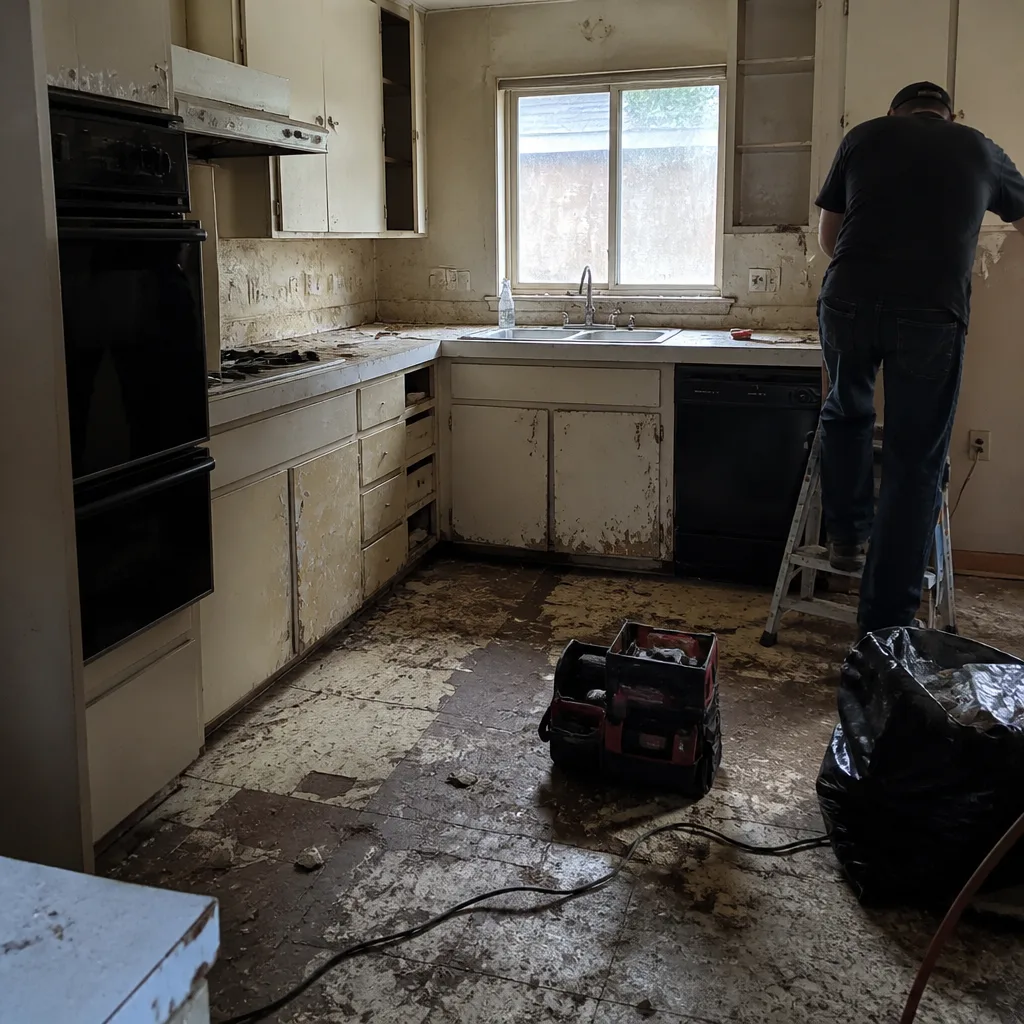
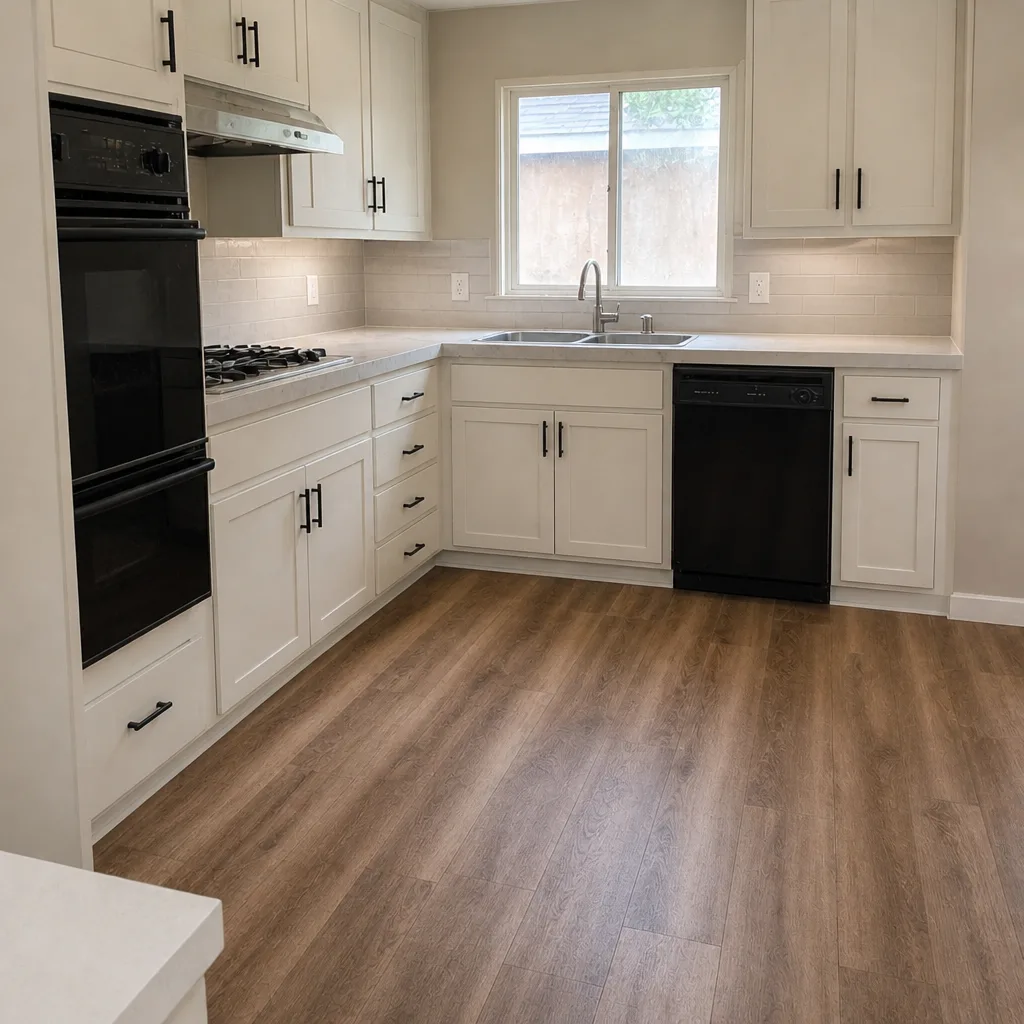
- Kitchen remodeling
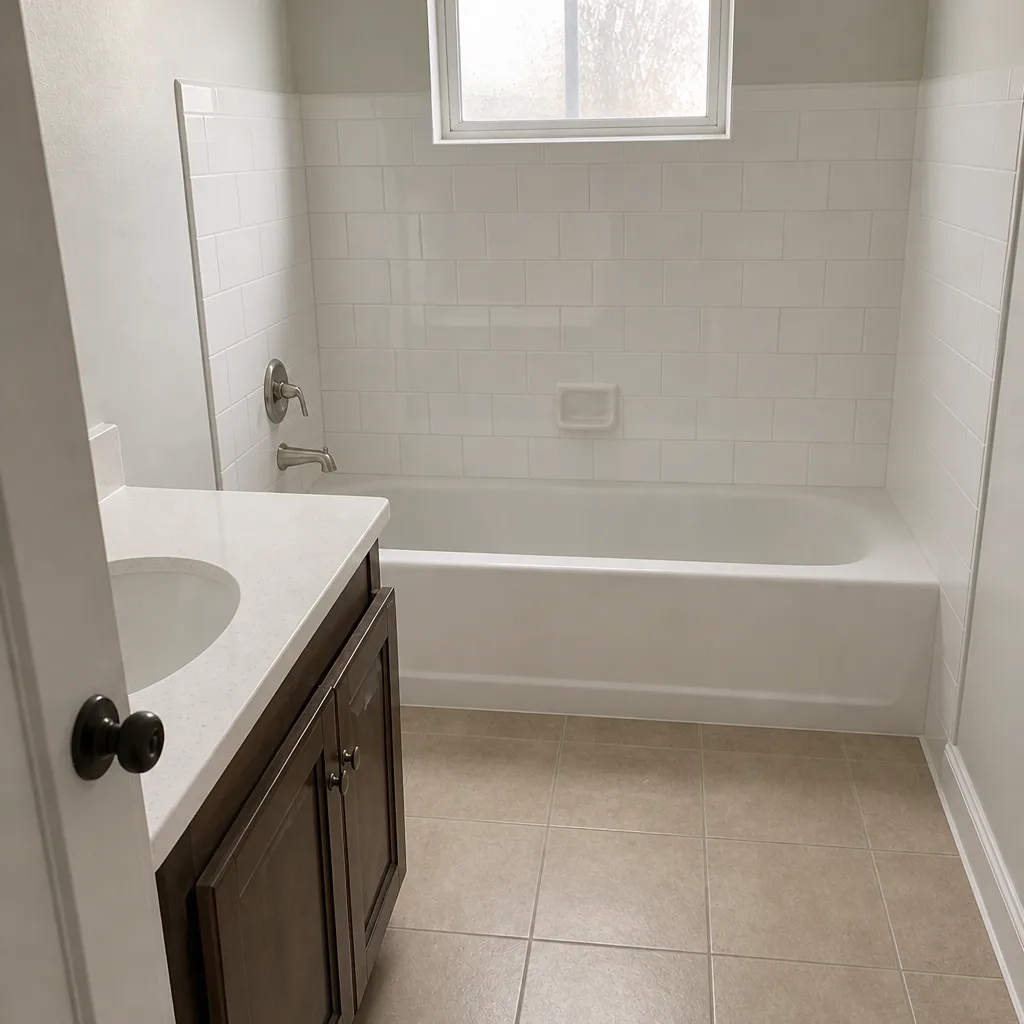
- Bathroom remodeling
- Home additions & ADU
- Roofing
- Windows & doors
- Driveway & pavers
- Fence
Table of Contents
- Why Brand Selection Is an Engineering Decision
- Concrete and Masonry: Quikrete vs. Sakrete vs. Sika vs. BASF
- Roofing: GAF Timberline HDZ vs. Owens Corning Duration vs. CertainTeed Landmark Pro
- Paver and Hardscape Sealers: Penetrating vs. Film-Forming
- Stucco Systems: Quanex vs. LaHabra vs. Parex
- How to Read a Product Data Sheet: The Four Fields That Matter
- Hardscape Brands That Hold Up in Lancaster
- Common Mistakes to Avoid
- When to Call a Professional
- Frequently Asked Questions
Why Brand Selection Is an Engineering Decision
Two products that sit on the same shelf and serve the same purpose can differ in performance by 20 to 40 percent, and the difference only surfaces under specific conditions. A concrete mix designed for a humid climate cures differently than one formulated for low-humidity, high-heat placement. An acrylic sealer that looks great for a year can fail early under a 108°F paver surface. A stucco system meant for stable soil can crack in a Lancaster neighborhood built on expansive clay.
Brand selection, in other words, is a preference decision wearing the clothes of a technical one. The homeowner who picks a contractor by the logo on the truck is trusting a sales story. The homeowner who picks by the specification sheet is trusting a number they can verify.
We’ve spent years watching this play out on Lancaster jobs. In newer developments around the west side where lots are graded and rebuilt, curing conditions differ from older neighborhoods near the Antelope Valley Fairgrounds, where mature trees shade part of a slab and leave the rest in full sun. The material that performs on one lot may not perform on the next. That’s not a sales pitch – it’s the reason this guide exists. Below, we walk through the material categories where Lancaster’s climate makes the brand difference measurable.
Concrete and Masonry: Quikrete vs. Sakrete vs. Sika vs. BASF
Concrete failures in Lancaster usually trace back to water, not cement. In a dry climate, fresh concrete loses moisture to evaporation faster than it can cure, which causes plastic shrinkage cracking before the slab ever gets to strength. The brands that matter here are the ones whose formulations and admixtures address that problem.
- Quikrete is the most widely stocked bagged concrete in the Antelope Valley, and the standard 5000 mix is a solid choice for small flatwork if you add the right amount of water. Ask specifically what water ratio the crew is using – the bag says less than most people pour.
- Sakrete makes a comparable line, and its high-strength mixes are worth considering for footings. Both brands are reliable; the difference is often which one your local yards stock in the quantity you need.
- Sika is where the language gets technical. Admixtures like water reducers and shrinkage-reducing agents make a real difference in high-heat, low-humidity placement, and Sika’s product line is the one specifiers reach for when a slab has to cure under Lancaster summer sun.
- BASF (now under the Master Builders Solutions name for many admixtures) supplies the superplasticizers and set retarders that let a crew place and finish concrete in 100°F-plus conditions without it going off before they’re done.
For most Lancaster homeowners, the practical takeaway is this: ask whether the mix includes an admixture for high-heat, low-humidity curing, and ask for the brand. A slab poured with a standard mix and a generous splash of water can look fine for two seasons and then show hairline cracks that widen. Call (844) 797-3312 for a free estimate, and we’ll walk you through what gets specified for your slab.
Roofing: GAF Timberline HDZ vs. Owens Corning Duration vs. CertainTeed Landmark Pro
Lancaster roofs take an unusual beating: intense UV exposure, sustained heat, and the thermal cycling of cool nights and hot days. Three architectural shingles dominate the market, and the differences among them matter in this climate.
GAF Timberline HDZ is the most specified asphalt shingle in the country, and its UV-reflective granules and impact resistance are solid. It’s widely stocked in the Antelope Valley, which keeps cost down. Owens Corning Duration brings a tighter nailing zone and a stronger warranty story, and its SureNail technology makes installation mistakes less likely. CertainTeed Landmark Pro is the heaviest of the three and tends to hold up best against granule loss in high-UV settings, which is exactly the failure mode Lancaster roofs see by year 7 to 10.
What matters more than the brand name is the installation around it. Manufacturer warranties assume proper underlayment, ventilation, and nailing. A Class 4 impact-rated shingle installed over a substandard underlayment is a Class 4 shingle that won’t perform to its rating. Similarly, an IR-reflective shingle reduces attic heat only if the attic is vented properly. We regularly find Lancaster roofs where the brand was right and the ventilation was wrong – and that combination drives premature failure regardless of which logo is on the package.
Ask for the brand, the model, the warranty temperature limit, and the ventilation calculation in writing. Call (844) 797-3312 to schedule a free estimate and we’ll put it in writing.
Paver and Hardscape Sealers: Penetrating vs. Film-Forming
This is where Lancaster homeowners most often get the wrong product and don’t know it until the second summer.
Penetrating sealers – silane-siloxane formulations like Rainguard and Ghostshield – soak into the paver surface and chemically bond with the substrate, leaving no film. They resist UV degradation, allow the paver to breathe, and don’t peel or chalk when the surface temperature hits 108°F. Film-forming acrylic sealers – the Eagle and Armor lines – sit on top of the paver and give a glossy finish. They look great in year one, but under sustained high heat and UV, the film breaks down, chalks, and peels, sometimes within two or three summers in Antelope Valley conditions.
The performance gap matters most on driveways and patios that face full sun. Penetrating sealers cost more per square foot at the outset and last longer under Lancaster’s temperature swings. Film-forming acrylics are cheaper upfront and require frequent reapplication.
If you’re planning new hardscape, the sealer decision sits alongside the paver brand. Producers like Tremron and Techo-Bloc both publish spec sheets that recommend compatible sealer categories; Cambridge Pavers and Oldcastle publish their own. The brand of paver matters less than whether the sealer you choose is compatible with its surface. For a full walkthrough of hardscape specification, see our guide to driveway pavers in Lancaster.
If you already have pavers and you’re not sure what’s on them, we can tell you in a free estimate. Call (844) 797-3312.
Stucco Systems: Quanex vs. LaHabra vs. Parex
Stucco in Lancaster has to handle two things most of the country doesn’t: expansive clay soils that move with seasonal moisture changes, and wide daily temperature swings that stress the stucco-substrate bond. The three dominant brands approach this differently.
Quanex is the strongest choice where substrate movement is expected. Its systems are designed around flexibility, which matters in neighborhoods built on clay soils where the foundation itself may flex slightly with seasonal moisture. LaHabra is the traditional three-coat system, the most durable in absolute terms but the most expensive and slowest to install. Parex is the one-coat system that has become the standard for production builders and remodels where speed and cost matter; it performs well when the substrate is stable, but less so when the soil moves.
The cost gap is real. Three-coat stucco runs higher per square foot than one-coat, and the difference is worthwhile on a home with a foundation that has shown any movement. One-coat makes sense on a stable substrate where the schedule matters. Which you need depends less on the brand and more on the substrate condition – which is why any written stucco quote should describe what was found on the wall, not just what product will be applied.
We regularly see Lancaster stucco cracks that trace back to a one-coat system specified on a foundation that had already moved. If you’re not sure which system you have, call (844) 797-3312 for a free estimate. We’ll identify the system and the substrate condition.
How to Read a Product Data Sheet: The Four Fields That Matter
Every construction product sold in California comes with a manufacturer’s data sheet. Four fields on that sheet tell you whether the product is appropriate for Lancaster, regardless of what a contractor or salesperson says.
- Service temperature range. This is the range in which the product performs to spec. A product rated for -20°F to 120°F is appropriate for Lancaster surface conditions. A product rated only up to 100°F is marginal.
- Compressive strength. For concrete, this is measured in PSI. For a residential driveway, 3500 PSI is the floor. For a structural slab or footing, higher. Ask for the number, not just the brand.
- UV resistance rating. Some products publish an accelerated-weathering result, measured in hours of UV exposure before failure. Higher is better. A product without a UV rating isn’t necessarily bad – but you’re trusting the manufacturer’s marketing, not its testing.
- VOC content for California compliance. California’s air quality rules put a hard limit on volatile organic compounds in sealers and coatings. Any sealer sold in Lancaster should have a VOC number on the sheet. If you can’t find it, ask for the compliance documentation.
Any contractor who quotes a product should be able to produce these four numbers on request. If they can’t, that’s a signal about the specification process, not just the product. Under Clause 1 of the Haven Standard, we put the price in writing before work begins – and we put the specification in writing too, product by product.
For a look at what the specification process looks like on an addition or ADU, see our guide to home additions and ADU in Lancaster.
Hardscape Brands That Hold Up in Lancaster
The paver brand matters, but mostly because different producers publish different specifications. Tremron and Techo-Bloc both publish product data sheets with compressive strength, water absorption, and freeze-thaw ratings. Cambridge Pavers and Oldcastle do the same. In Lancaster, freeze-thaw isn’t the risk – it’s heat and UV. What you want to verify is compressive strength (for driveways, 8000 PSI or higher is common among premium producers) and water absorption (lower is better under thermal cycling).
The sealer is where many homeowners go wrong. A premium paver installed with the wrong sealer outperforms a lower-tier paver installed with the right one. Combine the two decisions and you have a surface that holds up through Lancaster summers. See our guide to driveway pavers in Lancaster for the full selection process.
The same principle applies to fences, though the material category shifts. For fence installation in Lancaster, the brand question is less about formulation and more about the coating and hardware spec – which we cover in our guide to fence installation in Lancaster.
Common Mistakes to Avoid
- Trusting the warranty length without reading the exclusions. A 30-year shingle warranty often prorates after a decade, and exclusions for “improper ventilation” are common. Ask for the full warranty document, not the summary.
- Accepting a verbal brand name instead of a written specification. “We use GAF” doesn’t tell you which GAF product. A written quote names the product and the model.
- Choosing a film-forming sealer for Lancaster pavers. It looks good for a year and chalks by year three. A penetrating sealer is the right choice in this climate.
- Specifying one-coat stucco on a foundation that’s already moved. We see this repeatedly in Lancaster neighborhoods on older clay-heavy lots. The crack usually shows up in the second or third summer.
- Skipping the VOC check on California-compliant sealers. A non-compliant sealer can fail inspection or trigger a call from the neighbors about the smell during application.
- Assuming brand equals installation quality. The best shingle in the world fails over bad underlayment. The best paver fails over a bad base. Specification is only half the job; installation is the other half.
- Ignoring the product data sheet entirely. Four fields – temperature range, compressive strength, UV rating, and VOC content – rule out most inappropriate products before you write the check.
When to Call a Professional
Some of this guide is walk-up work: asking for a spec sheet, reading a warranty document, checking a VOC number. Some of it isn’t. Roofing, stucco application, and any hardscape installation over a new base are physically demanding and safety-relevant. Roof work in particular involves heights and heavy materials, and a fall from a Lancaster roof is a serious injury. If the work involves high-tension spring hardware, a gas line near a kitchen remodel, or any electrical panel work tied to an addition, do not attempt it yourself – call a trained, licensed professional.
Rowan Construction Group Lancaster offers free estimates in Lancaster. Under the Haven Standard, every quote is a flat written price with a written scope and a written warranty, delivered before any work starts. There’s no “call for a quote.” Call (844) 797-3312 to schedule your free estimate.
Frequently Asked Questions
CertainTeed Landmark Pro holds up best against granule loss under sustained high-UV conditions, which is the failure mode Lancaster roofs see first. GAF Timberline HDZ and Owens Corning Duration are both solid alternatives with strong local availability. The installation matters as much as the brand: ask for the underlayment spec and the attic ventilation calculation in writing alongside the shingle brand. Call (844) 797-3312 for a free estimate with the full specification in writing.
Penetrating sealers – silane-siloxane formulations like Rainguard and Ghostshield – perform better in Lancaster because they soak into the surface, allow the paver to breathe, and don’t chalk or peel when surface temperatures hit 108°F. Film-forming acrylic sealers look better in year one but break down faster under Antelope Valley UV. Call (844) 797-3312 for a free estimate and we’ll tell you what’s compatible with your existing pavers.
Yes, specifically because of the low-humidity, high-heat curing conditions in Lancaster. A standard mix poured with too much water will crack before it cures. An admixture from Sika or BASF – like a water reducer or shrink-reducing agent – addresses the problem at the mix level. Ask what mix your contractor is specifying and whether it includes an admixture for high-heat curing. Call (844) 797-3312 to have us specify it for your project.
Four fields answer the question: service temperature range, compressive strength, UV resistance rating, and VOC content for California compliance. If the product’s temperature range covers Lancaster surface conditions and its com-pressive strength meets the application, it’s appropriate. If a contractor can’t produce these numbers on request, treat it as a signal. Call (844) 797-3312 if you’d like us to review a competitor’s written estimate line by line – it’s a free service.
Quanex is the most flexible of the three-coat and one-coat options and handles substrate movement best. LaHabra three-coat is the most durable but costs more and takes longer. Parex one-coat works well on stable substrates but shows stress fractures on foundations that have already moved. On Lancaster lots where expansive clay is common, the substrate condition drives the decision more than the brand. Call (844) 797-3312 for a free estimate that includes a written description of the substrate condition.
Under Clause 1 of the Haven Standard, no work proceeds on a change until the change order is signed. That discipline is why our projects finish within a few percent of the number the customer agreed to. The written price is the price, with the written scope and written warranty attached. Call (844) 797-3312 to schedule a free estimate.
The Bottom Line
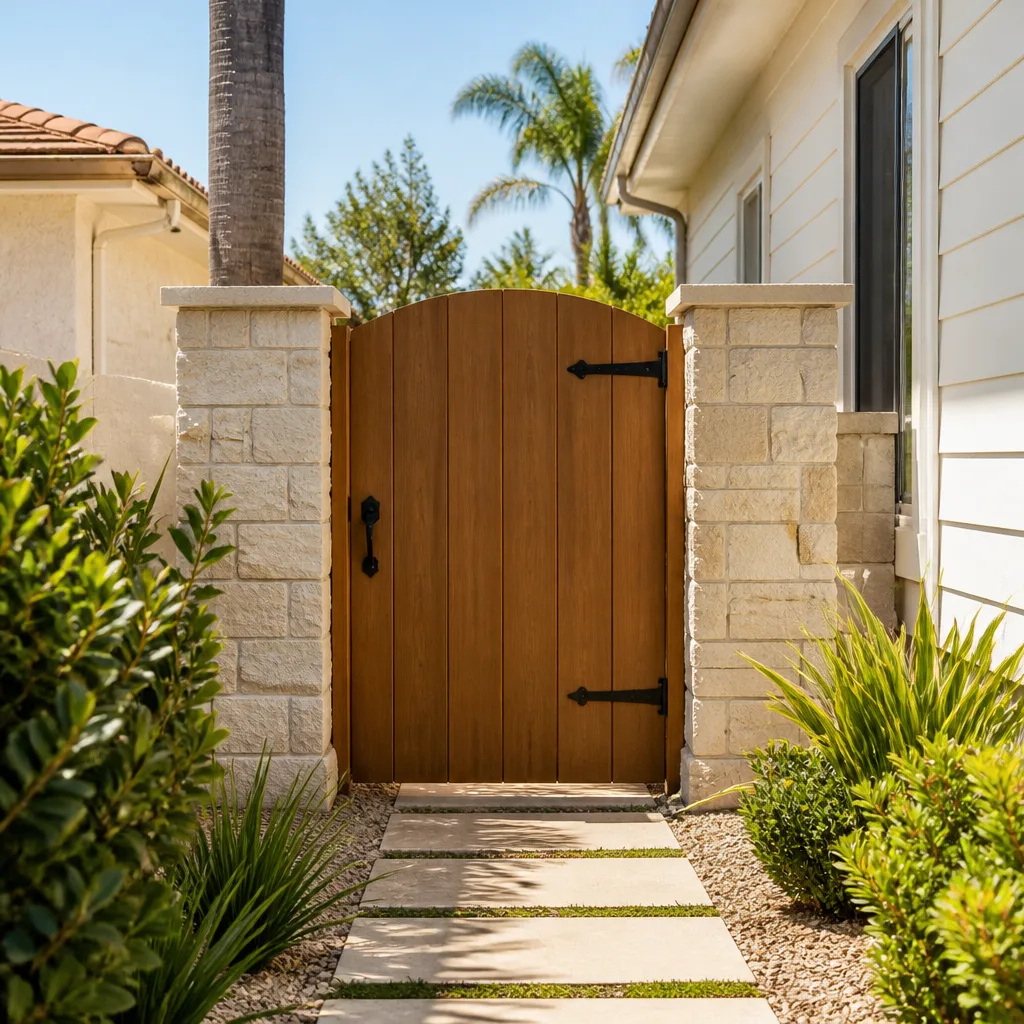
Choosing a construction brand in Lancaster is a specification exercise, not a preference one. Read the product data sheet before you sign anything. Four fields – service temperature range, compressive strength, UV resistance rating, and VOC content – rule out most inappropriate products for Lancaster conditions, and they’re free to check. On roofs, ask for the shingle brand, model, and ventilation spec in writing. On pavers, choose a penetrating sealer over a film-forming one. On stucco, let substrate condition drive the system. And on any project, get the written price before work starts. That’s the short version, and it works whether you hire us or someone else. If you’d like a second look at a written estimate, we do that at no charge – visit our Lancaster home page or call (844) 797-3312 for a free estimate and a line-by-line review of any competing quote.
Written by the team at Rowan Construction Group Lancaster.
See the difference
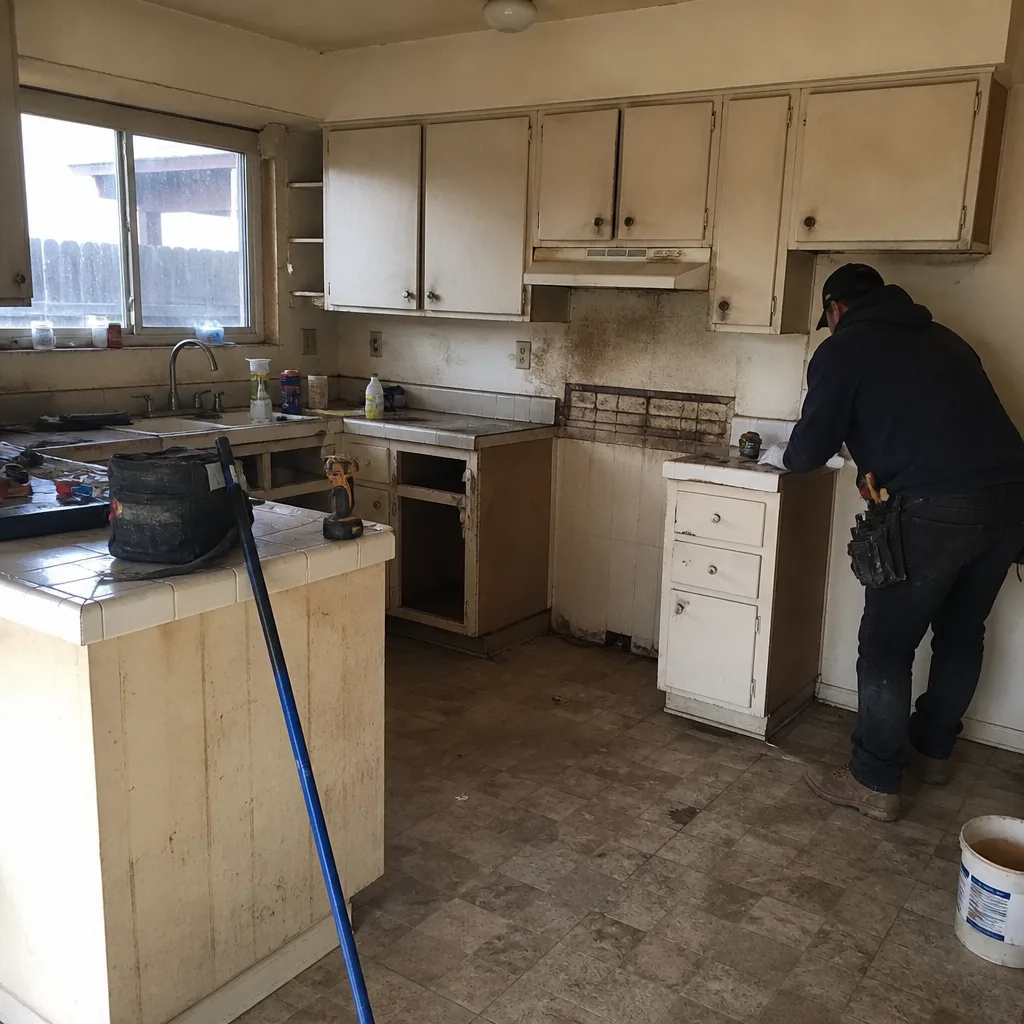 Before
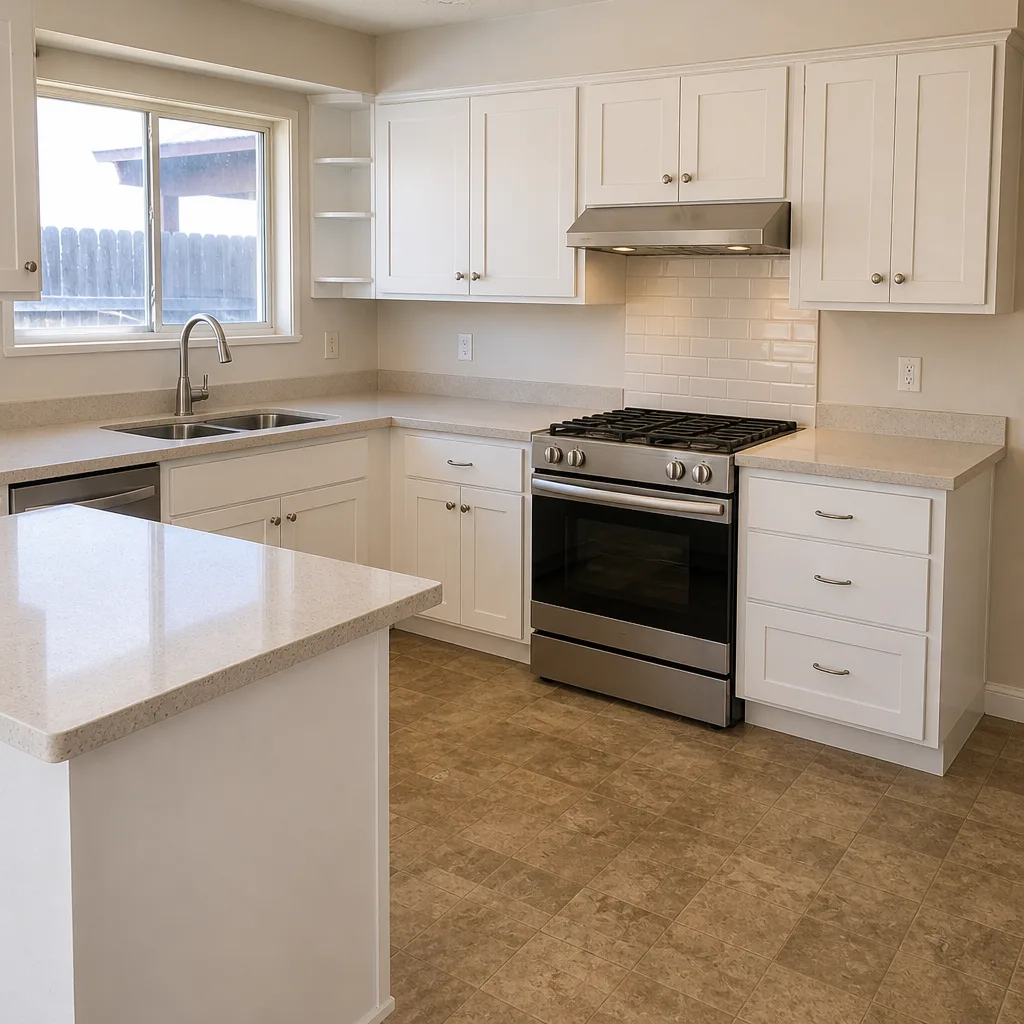 After
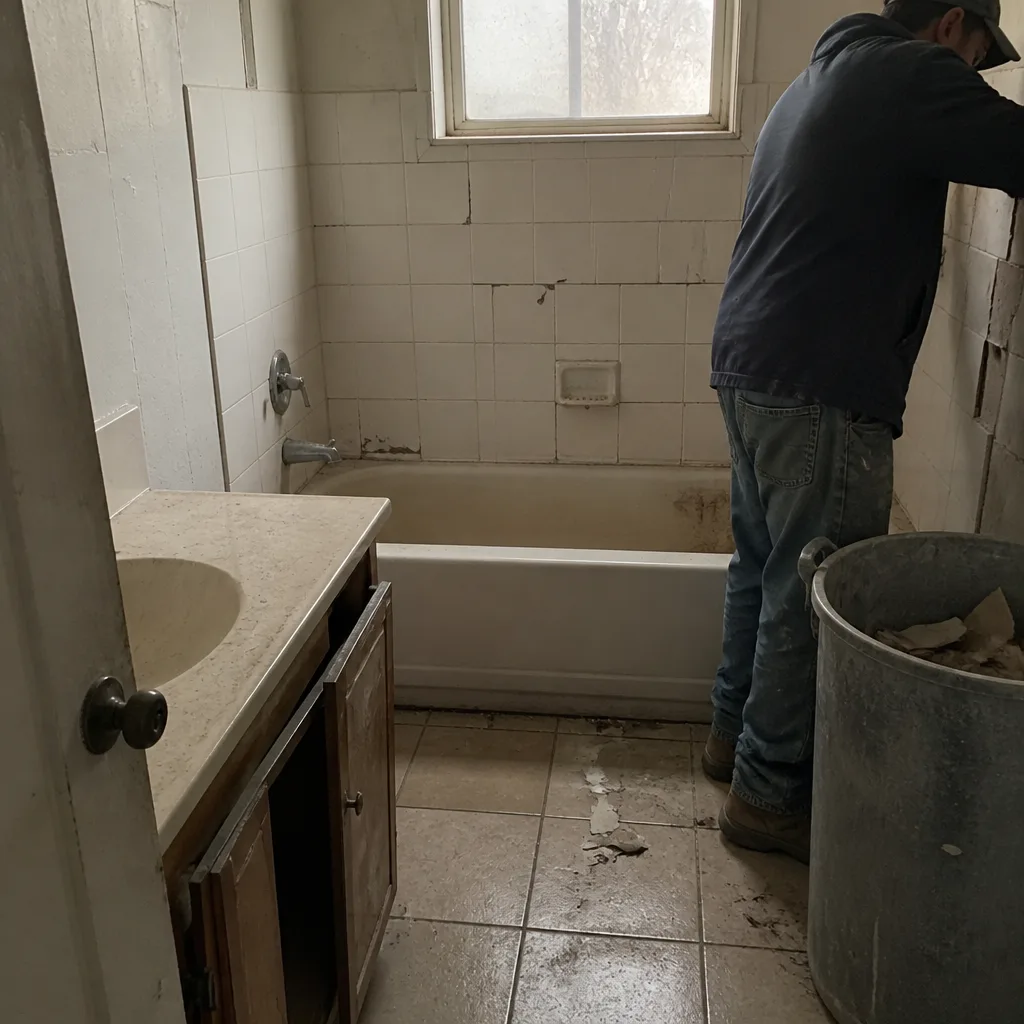 Before
 After
 Before
 After