Last updated November 17, 2026
Free written scope consultation - allowances, timeline, and change-order rules on paper before a single trade is scheduled
How Long Does Windows & Doors Take? Timelines and What to Expect
A professional crew can install five replacement windows in a single day. The 8 to 10 weeks before that day – material order, delivery, inspection scheduling – is what the timeline is actually made of. Most Lancaster homeowners hear “a few weeks” and picture the install, but the install is the shortest part of the job. In this guide, we break down a realistic phase-by-phase window and door timeline, explain which configurations push a project into 6 to 12 week custom lead times, and show you what a written timeline from a contractor should actually contain so you can plan around real dates instead of vague promises.
Quick Answer
Window and door replacement in Lancaster typically spans 8 to 14 weeks from first measurement to inspection sign-off. The two to four days of physical installation are the shortest phase; most of the timeline is consumed by material lead times, which run 1 to 2 weeks for in-stock sizes and 6 to 12 weeks for custom dimensions or specialty glass. Plan on about one week for measurement and quote, then pad the rest around the delivery window your supplier confirms in writing.
Styles & brands we work with
- Kitchen remodeling
- Bathroom remodeling
- Home additions & ADU
- Roofing
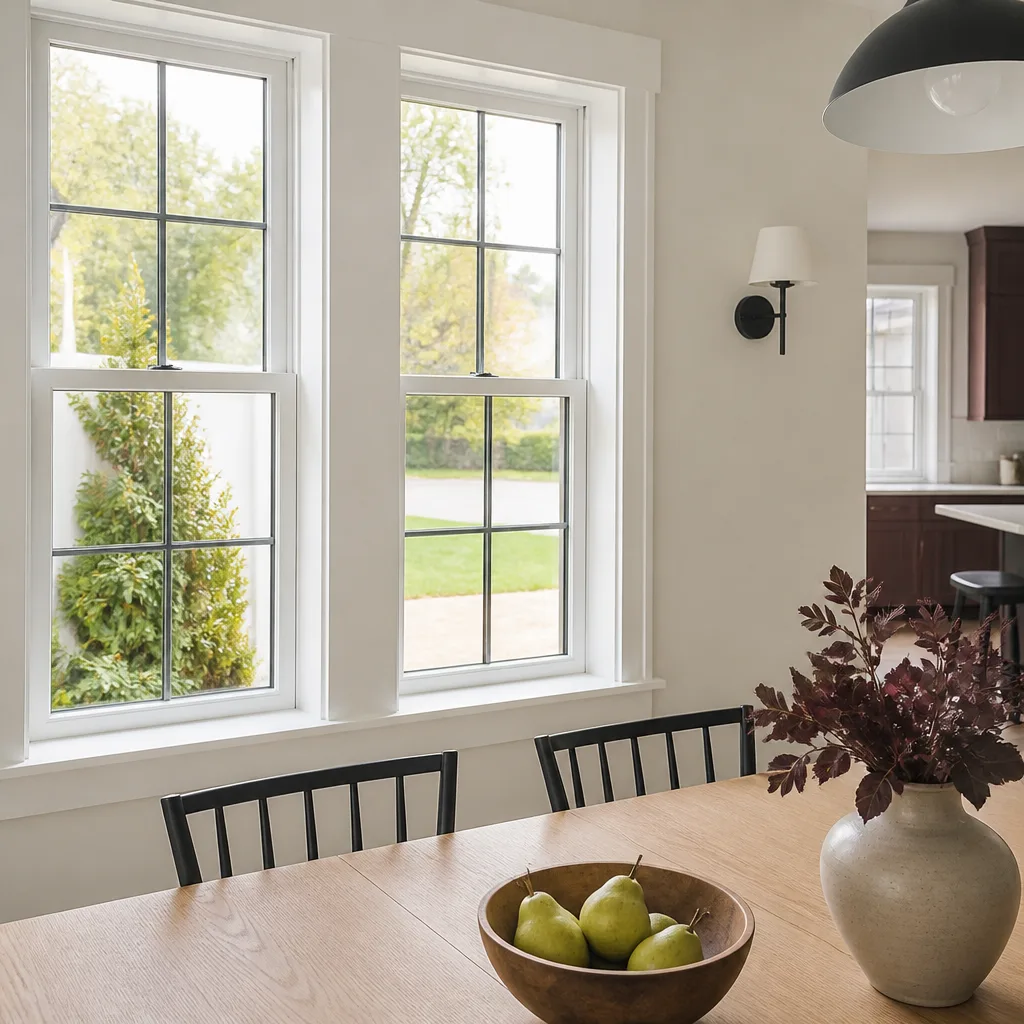
- Windows & doors
- Driveway & pavers
- Fence
Table of Contents
- The Phase-by-Phase Timeline
- Which Window Configurations Push Into Custom Lead Times
- Permits and Inspection Timing in Lancaster
- Single-Day vs. Multi-Day Installation Realities
- What a Written Project Timeline Should Include
- Doors vs. Windows: Where Timelines Differ
- Common Mistakes to Avoid
- When to Call a Professional
The Phase-by-Phase Timeline
Every window and door project moves through the same six phases. What varies is how long each one takes, and the answer almost always hinges on the material pipeline rather than labor. Here’s how a typical Lancaster replacement breaks down.
- Measure and quote (3 to 7 days). A technician measures every rough opening, checks the existing frame and flashing, and documents conditions. At Rowan Construction Group Lancaster, the written price and written scope arrive before any work begins – that’s Clause 1 of The Haven Standard, not a courtesy. Expect the quote within a week of the site visit.
- Material selection and order (1 to 2 weeks in-stock; 6 to 12 weeks custom). Standard sizes in a stocked frame color and clear glass move fast. Anything outside the standard matrix triggers the long lead. This is the phase that decides your project length.
- Delivery (varies with order). Units arrive at the address on a confirmed freight date. We schedule installation only after delivery is verified – not on a supplier’s optimistic estimate.
- Permit and inspection scheduling (1 to 3 weeks, where required). Coverage and inspection requirements depend on scope and current Los Angeles County building office workload in the Antelope Valley.
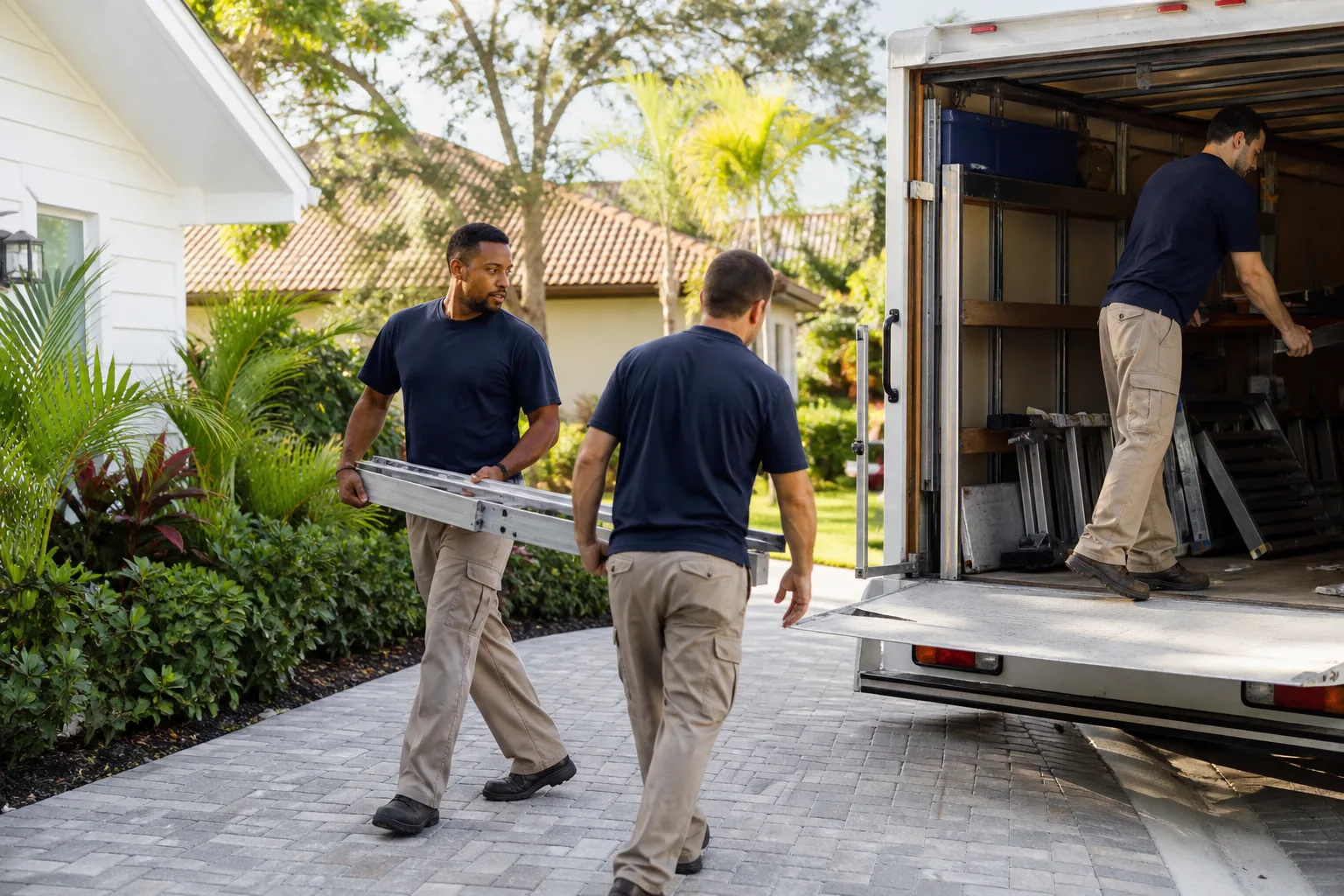
- Installation (1 to 3 days for most projects). Most single-family replacements of a handful of windows finish in one day.
- Inspection sign-off (days to weeks, if permitted). Final inspection closes the file. The written warranty and photo record follow.
Add those phases honestly and 8 to 14 weeks is a realistic floor and ceiling. Any contractor who says “two weeks” without asking about your rough opening dimensions hasn’t done the math.
Which Window Configurations Push Into Custom Lead Times
The 6 to 12 week window (no pun intended) is usually triggered by one of the following. If your home hits any of these, plan the longer drumbeat from the start.
- Non-standard rough opening sizes. Lancaster’s 1970s through 1990s tract homes are notorious for slightly off-matrix openings – a 1978 build in a neighborhood like Quartz Hill or West Lancaster often measures closer to a custom unit than the standard grid suggests. When the rough opening is a half inch off every direction, an in-stock window won’t seal cleanly. Custom is the correct answer, and the longer lead time is the price of a proper fit.
- Obscure or specialty glass. Bathroom windows, decorative patterns, impact-rated or low-e glass specified for sun exposure all move to a special-order queue. Antelope Valley heat loading makes low-e a common choice, and that specification adds to lead time.
- Specialty frame colors. The standard stocked colors – white, tan, bronze – move quickly. A color matched to Anderson or Wells trim, or a painted finish like a Sterling or CertainTeed specialty tone, joins the custom queue.
- Matching existing architecture. Replacing one window in a matched set of original units is the classic trap. A single custom-matched unit can hold up a job that felt like a one-day swap.
The lesson, if there’s one, is to ask the question upfront: “Is my order in the standard matrix, or is it custom?” The honest answer determines your timeline. If a contractor can’t tell you which, ask again.
Permits and Inspection Timing in Lancaster
Permit requirements and inspection scheduling are two separate clocks, and both run in parallel with your material order. In Lancaster, most like-for-like window replacements in an existing opening don’t require a building permit – but new openings, structural changes, and certain energy-code-driven replacements can. The scope of work, not the window count, decides.
The Los Angeles County Department of Regional Planning and the local building and safety field offices handle inspection scheduling for the Antelope Valley. Wait times fluctuate with seasonal workload – inspection calendars fill faster in peak spring and early summer, and a pre-installation inspection for certain structural or opening changes can mean a gap of a week or more between site prep and install. We build inspection scheduling into the written timeline as a distinct phase with a call-in responsibility noted, because a timeline that ignores inspection reality is a timeline that will be missed.
On the energy front, Lancaster’s hot summers and cold winters make Title 24 compliance a live question on replacements. Ask whether your specific configuration meets current requirements; the answer affects both material selection and inspection scope.
Single-Day vs. Multi-Day Installation Realities
Project size decides whether your family is living around a crew for one day or three. Here’s the practical split.
- 1 to 3 windows: single day. The house stays livable throughout. A crew sets up, pulls the old units, installs, flashes, seals, and cleans up. Most homeowners never lose access to a room for more than a few hours.
- 4 to 8 windows: one to two days. Still livable. We sequence so at least one window per room stays operable until the final day.
- Whole-house replacement: 2 to 3 days, phased. This is where sequencing matters. We plan the order so the home stays sealed and weather-tight overnight – no unsealed openings left sitting between shifts. That’s not just a comfort point in Antelope Valley wind country; it’s a structural one.
Doors follow a slightly different rhythm. A single entry door replacement is often a single-day job once the unit is on-site, but door rough openings and threshold flashing demand more careful sequencing than windows. A patio door or set of doors can push a whole-house project into a third install day.
What a Written Project Timeline Should Include
A written timeline is a document, not a conversation. If a contractor can’t put dates on paper, you have no timeline – you have a hope. Here’s what a real one contains at Rowan Construction Group Lancaster:
- Order confirmation date. The date the written order was placed with the supplier, not the date the contractor thought about it.
- Delivery window. A specific week range, with the supplier named and the confirmation method noted.
- Installation date. The real date, not “sometime the week of.” Crew and equipment are assigned.
- Inspection call-in responsibility. Who schedules the inspection, and when. This is the most commonly omitted line item and the most common cause of a “done” project that can’t close out.
- Change-order protocol. No work proceeds on a change until the change order is signed – that discipline is why projects finish within a few percent of the number the customer agreed to.
- Warranty and close-out deliverables. The written warranty, plus the documented photo record of what was found and what was done – included as standard, not as an upgrade.
If a written timeline is missing the delivery window or inspection responsibility, it’s a marketing sheet, not a schedule. Ask for the real thing.
Doors vs. Windows: Where Timelines Differ
Windows and doors share a pipeline but not a schedule. Knowing the differences keeps you from under-planning a door project on the strength of a window timeline that finished early.
- Entry doors. Standard stock doors move in 1 to 2 weeks; custom widths or matched finishes go 6 to 10 weeks. Threshold and sill repair is common in older Lancaster homes and adds a half-day.
- Patio and slider doors. Larger units, more careful flashing, and often more structural checking. Custom slider widths frequently push the whole order into the custom queue.
- Windows. The most predictable category once the rough opening is known. This is where the “five in a day” figure lives.
When projects combine windows and doors, the timeline follows the slowest item. We order everything at once and schedule install after the longest lead clears, so a fast batch of windows doesn’t sit in the garage waiting on a custom door.
Common Mistakes to Avoid
- Believing “a few weeks” without a delivery date. Two sentences of follow-up (“what’s the delivered date and who confirms it?”) will tell you whether the timeline is real.
- Ordering one window to match an original set. The matched unit often ends up custom and holds up the whole job. Ask about matching upfront.
- Ignoring inspection scheduling. A Lancaster project that’s “installed” but not inspected is a project that isn’t done. Confirm who calls in the inspection.
- Letting the weather seal break overnight on a whole-house job. Sequencing matters. We don’t leave unsealed openings sitting between shifts.
- Accepting a verbal change during installation. No work proceeds on a change until the change order is signed – that’s the whole point of the discipline.
- Not asking for a photo record. A documented photo record of what was found and what was done belongs in every visit, not as an add-on after the fact.
- Skipping the second opinion on a competitor’s bid. A free line-by-line review of any written estimate often surfaces missing delivery, inspection, or flashing line items that quietly extend the timeline.
When to Call a Professional
Call a licensed contractor when any of the following applies: a rough opening is out of square or the frame shows rot, the door threshold or sill has failed, you’re replacing more than one window at once and need the order sequenced across a whole house, a permit or inspection is in scope, or you’ve been given a written estimate and want a second opinion before signing. Installing a window cleanly is not the hard part – managing the order, the delivery, the inspection, and the overnight seal is. If any of that is outside what you’ve done before, don’t guess at it on a job that ties up a wall of your house for a week.
Rowan Construction Group Lancaster offers free estimates in Lancaster – call (844) 797-3312. We quote a written price before any work begins, and we’ll review a competitor’s written estimate line by line at no charge through our Free Second Opinion offer. If the estimate is missing a delivery window or inspection line item, we’ll tell you.
See the difference
 Before
 After
 Before
 After
 Before
 After
Frequently Asked Questions
Eight to fourteen weeks from first measurement to inspection sign-off, with two to four days of that being physical installation. The rest is measurement, quote, material lead time, delivery, and inspection scheduling. Call (844) 797-3312 for an exact quote – estimates are free.
Because they leave the standard manufacturing matrix and enter a special-order queue. Off-matrix rough openings common in Lancaster’s 1970s-1990s tract homes, obscure glass, and specialty frame colors all push a unit into that queue. In-stock sizes move in 1 to 2 weeks; custom sizes take the longer road.
Not without a signed change order. At Rowan Construction Group Lancaster, no work proceeds on a change until the change order is signed – that discipline is why projects finish within a few percent of the agreed price. If nothing changes in scope, nothing changes on the invoice.
Where a permit is required, we manage the application and coordinate the inspection. Most like-for-like replacements in an existing opening don’t require a permit, but new openings and structural changes can. The scope of work, not the window count, decides – we’ll say which before ordering.
One day, once the material is on-site. The house stays livable throughout. The real question is how long the units take to arrive – stock sizes in a few weeks, custom sizes 6 to 12 weeks – so the project timeline is the material lead time plus a single install day.
Yes. We order everything together and schedule installation once the longest lead clears, so a custom door doesn’t leave a batch of stock windows sitting in the garage. The combined timeline follows the slowest item – call (844) 797-3312 for a written schedule on your specific combination.
The Bottom Line
The window and door timeline is dominated by a variable most contractors leave out of the conversation: material lead time, which runs 1 to 2 weeks for stock and 6 to 12 weeks for custom or specialty units. Measure and quote takes about a week; install is a day to three; inspection closes the file. If your home has a non-standard rough opening or you’re matching an original set, plan the longer drumbeat and get the delivery window in writing before you sign. Lancaster homeowners who know the pipeline plan around real dates rather than “a few weeks.” For a free estimate with a written price and a written timeline, call (844) 797-3312. Under The Haven Standard, the price is written before anyone starts – and the photo record is included, not optional.
Written by the team at Rowan Construction Group Lancaster.