Last updated November 17, 2026




Free written scope consultation - allowances, timeline, and change-order rules on paper before a single trade is scheduled
Windows & Doors Maintenance Schedule: What to Do and When
Lubricating window hardware in July in Lancaster, when frames sit at peak expansion, gives you a false read on operating clearance. The sash glides because everything is swollen tight, so you skip it. Then October arrives, the temperature drops thirty degrees in a week, the vinyl contracts, and the same track that felt fine in August starts binding hard enough to crack a roller housing. We’ve watched that exact sequence play out on dozens of Antelope Valley homes. This guide gives you a maintenance calendar built around Lancaster’s weather, not the generic spring/fall schedule written for temperate climates. You’ll get the right products for each task, inspection protocols for weep holes and door thresholds, and the wear indicators that warn you a season or two before a part fails.
Quick Answer
Windows and doors in Lancaster need maintenance on a high-desert calendar keyed to two events: the summer heat peak and the late-fall temperature drop. Do your full inspection in April before the heat, weatherstrip and sealant checks in October before the cold, and clear weep holes quarterly since dust is the leading cause of water intrusion during heavy rain. Everything else – lubrication, hardware inspection, threshold testing – fits between those two anchors.
Styles & brands we work with
- Kitchen remodeling
- Bathroom remodeling
- Home additions & ADU
- Roofing
- Windows & doors
- Driveway & pavers
- Fence
Table of Contents
- Why Lancaster Windows and Doors Need a Different Calendar
- The Lancaster Seasonal Task Calendar
- The Right Lubricant for Each Material (and the Wrong Ones)
- Caulk Selection for High-UV Exterior Frames
- How to Inspect Weep Holes on Sliding Windows
- Door Threshold Inspection: The Paper-Drag Test
- Hardware Longevity: When to Lubricate vs. Replace
- Common Mistakes to Avoid
- When to Call a Professional
Why Lancaster Windows and Doors Need a Different Calendar
Most maintenance guides assume four mild seasons and steady humidity. Lancaster runs on something closer to two extremes: a summer that regularly pushes past 105°F and a winter that drops into the twenties on clear nights, with humidity often in the teens. That swing is what breaks windows and doors here. Vinyl frames move measurably between a July afternoon and a January morning, and every seal, gasket, and moving part has to absorb that motion twice a year.
Add the dust. Antelope Valley wind carries fine particulate that settles into every horizontal channel on a building. Sliding window tracks, door thresholds, and weep holes become collection points. When the rare heavy rain event finally arrives – the atmospheric river systems that hit the high desert every few winters – those clogged channels back up and water finds its way inside instead of draining out. That’s a window problem that turns into a drywall and subfloor problem.
The maintenance logic follows directly from those two facts. You inspect and service seals when they’re at their most contracted (fall), because that’s when gaps are widest and most honest. You check hardware and clear debris before the heat stress begins (spring), because summer is when thermal expansion does the most work on moving parts. A schedule that ignores this is guessing.
If your windows and doors are reaching the end of their service life and maintenance is becoming a losing battle, Rowan Construction Group Lancaster home outlines the replacement process – written price, written scope, before anything is ordered. We also handle the structural side: replacing a sliding door often means addressing the framing and threshold flashing at the same time, which is why we approach Home Additions & ADU in Lancaster and window work with the same inspection discipline.
The Lancaster Seasonal Task Calendar
Here’s the schedule we recommend for Lancaster homes. Two anchor months, with lighter tasks distributed between them.
April (pre-heat-season inspection). Before the first 100°F day, you want a full pass on the building envelope. This is the inspection month.
- Walk every window and door and operate it fully – open, close, lock, latch. Note any binding while frames are still near their neutral temperature.
- Clear all window tracks and weep holes of winter dust and debris.
- Inspect exterior caulk lines at every frame perimeter. Look for cracking, pulling away, or gaps at corners.
- Check weatherstripping compression on all exterior doors.
- Lubricate sliding door rollers and window operators with the correct product for the material.
- Photograph any issue you find. A dated photo makes it easy to tell in October whether a crack grew.
July (mid-season spot check). Hot months are for observation, not adjustment. Open and close everything once, listen for new sounds, and note anything that feels suddenly tight. Do not lubricate in July – you’ll mask a clearance problem that only shows up when the frames contract.
October (pre-cold-season weatherstrip and seal check). This is the critical month, and the one most homeowners skip.
- Re-check every caulk line. The frames have contracted, so any gap is at its widest and most visible now.
- Run the paper-drag test on every exterior door threshold (protocol below).
- Inspect weatherstripping for compression set – the permanent flattening that means the seal no longer springs back.
- Clear weep holes again after summer dust.
- Lubricate window hardware now, when frames are contracting. This is when lubrication actually prevents binding and track damage.
- Test door locks and latches for smooth operation before cold weather stiffens them.
January and quarterly. Clear weep holes and tracks quarterly regardless of season. Dust doesn’t wait for a calendar date.
If your exterior work extends to the property line, the same thinking applies to Fence Installation in Lancaster, where wind and dust stress gate hardware and post footings on a nearly identical cycle. And if your entry sequence includes a driveway, seasonal inspection of hardscape joints belongs on the list too – see Driveway & Pavers in Lancaster for the paver side of exterior maintenance.
The Right Lubricant for Each Material (and the Wrong Ones)
This is where most DIY maintenance does actual harm. The wrong lubricant in a vinyl track attracts dust, gum up in heat, or attacks the plastic itself. Here’s what belongs where.
- Vinyl window tracks and sliding surfaces: silicone spray. It dries to a thin film that doesn’t collect dust and won’t degrade PVC. Never use WD-40 here – the petroleum distillates can soften vinyl over time, and it collects grit like a magnet in Lancaster’s dusty air.
- Fiberglass frames and hardware: a petroleum-free lubricant. Petroleum-based products can interact with the resin matrix. Dry-film PTFE lubricants are a safe choice.
- Sliding door rollers: silicone spray or a dry silicone lubricant. Do not use grease – it traps dust and turns into an abrasive paste on the roller track.
- Door hinges: a light machine oil or silicone spray. Apply sparingly to the pin, not the leaf.
- Lock cylinders and latches: graphite powder or a dedicated lock lubricant. Never use oil-based products in a lock cylinder – they attract dust and eventually seize the mechanism.
The key principle: in a high-dust environment, dry-film lubricants beat wet lubricants almost every time. Wet products work well in humid climates where the film stays clean. In Lancaster, a wet film becomes a dust trap within weeks. If a track already has old grease or oil in it, clean it out with a mild degreaser before applying silicone – new lubricant on top of old grime just makes a mess.
Caulk Selection for High-UV Exterior Frames
The sun in Lancaster is unforgiving, and the wrong caulk will fail within two summers. The choice comes down to two families, and the application determines which one you need.
Siliconized latex caulk is the right choice for most exterior frame perimeters where you need a paintable joint. It adheres well to vinyl, wood, and fiber cement, flexes enough for thermal movement, and can be painted to match trim. In high-UV conditions, look for a siliconized latex rated for exterior use with UV stabilizers. It typically lasts three to five years in Lancaster’s climate before it needs touch-up.
Pure silicone caulk is the right choice for joints that will never be painted and need maximum flexibility and UV resistance – typically the interface between a window frame and masonry or stucco, or at the sill where water pools. It’s harder to tool cleanly and it won’t accept paint, but it holds up longer under direct sun. Pure silicone is also the correct choice at any joint that sees standing water.
For a proper exterior seal, use a backer rod in joints wider than a quarter inch so the caulk has something to bond against on two sides rather than three. Caulk that bonds to three sides tears loose when it flexes. And always check adhesion before you recaulk: if the old caulk is peeling cleanly off the frame, the surface wasn’t prepped right the first time, and you need to clean and prime before applying new material.
How to Inspect Weep Holes on Sliding Windows
Weep holes are the small openings at the bottom of the window frame that let water drain out. In Lancaster, they’re the single most neglected maintenance item on a sliding window – and the one that causes the most water damage, because when they clog, water has nowhere to go but inward.
Here’s the inspection protocol we use:
- Locate every weep hole. Sliding windows have them at the bottom of the outer track, usually two to four depending on width. Some have small covers or flaps – lift or remove them.
- Look before you poke. Shine a light into the channel. You’re checking for packed dust, insect debris, or spider webs. Lancaster dust accumulates fast here.
- Clear with the right tool. Use a soft-bristle brush, a pipe cleaner, or a plastic zip tie – never a wire, screwdriver, or anything metal. The channel is thin and metal tools gouge it, which creates a path for water past the seal. A plastic zip tie is the ideal diameter for most residential weep holes.
- Flush with water. Pour a small amount of water into the track and watch it drain. If it pools or drains slowly, the channel is still blocked below the visible point – clear it from the exterior side too.
- Test the flap. Many weep holes have a one-way flap that prevents wind-driven rain from entering. Make sure it moves freely and seals flat. A stuck-open flap lets dust in; a stuck-closed flap stops drainage.
Do this quarterly. Before the rainy season in particular, a five-minute weep hole check on each window saves thousands in interior damage. If you find water staining on interior drywall below a window during heavy rain, the weep holes or the sill flashing are the first things to inspect.
Door Threshold Inspection: The Paper-Drag Test
An exterior door that seals properly stops water, stops air infiltration, and stops the moisture that eventually reaches your subfloor. The threshold is where that seal lives, and the paper-drag test tells you whether it’s working.
How it works: Close the door on a strip of standard paper – a dollar bill or a strip of printer paper works. The paper should resist being pulled out. You’re measuring compression of the door sweep against the threshold.
What a passing result looks like: The paper drags noticeably and tears if you pull hard. Every point along the threshold – left, center, right – should offer similar resistance. That even resistance means the sweep is compressing against the threshold all the way across.
What a failing result looks like: The paper slides out with no resistance, or it slides freely at one end while dragging at the other. Free-sliding paper means no compression – air and water are getting in. Uneven drag means the door is racked or the threshold is out of level, and the sweep can’t seat.
Threshold replacement in Lancaster typically runs $180 to $400 for a standard exterior door, depending on the threshold type and whether the door needs adjustment. If you catch a failing seal early, you’re replacing a weatherstrip or adjusting a threshold. If you wait, water reaches the subfloor through that gap during one heavy rain event, and you’re looking at $1,500 to $4,000 in subfloor and framing repair. The paper-drag test costs nothing and takes thirty seconds per door.
Check thresholds every October before the rainy season, and after any door has been slammed or hit hard enough to shift the frame.
Hardware Longevity: When to Lubricate vs. Replace
Most window and door hardware gives you one to two seasons of warning before it fails. The trick is knowing what the warning looks like.
Window operators (crank handles). Lubricate annually in October. Replace when you feel grinding or resistance that lubrication doesn’t fix, when the handle has noticeable play or wobble, or when the sash opens at an angle instead of straight out. A binding operator left in place strips the internal gear and eventually cracks the sash frame – a $40 part becomes a $400 repair.
Door hinges. Lubricate annually. Replace when you see rust blooming at the pin, when the door sags noticeably without a hinge being obviously loose, or when a hinge squeaks after lubrication. A hinge that has lost its pin tolerance will eventually round out the screw holes in the jamb – a cheap hinge becomes a jamb repair.
Sliding door rollers. Lubricate tracks and clean annually in April. Replace when the door rolls with a grinding feel, when it jumps or jerks in the track, or when it feels heavy to open after cleaning. Worn rollers start flat-spotting the track, and a track replacement is a significant job. Roller replacement is far cheaper – catch it early.
The 1 – 2 season warning. Across all three, the pattern is the same: a subtle change in how a part feels or sounds. Increased effort. A new sound. Slight play. If you notice it in April, you have all summer to schedule the fix; if you wait until it fails, it’ll likely be during the one cold snap in January when everything is stiff and the hardware is at its most stressed. Our technicians have up to 19 years of experience with exactly this kind of wear pattern in desert climates, and the fix is always cheaper before the failure.
Common Mistakes to Avoid
- Lubricating in July. As the hook of this guide explains, mid-summer lubrication gives a false read on operating clearance. Wait for October when frames contract; that’s when lubrication actually prevents binding.
- Using WD-40 on vinyl tracks. It collects Lancaster dust, attracts grit, and can soften the vinyl over time. Silicone spray is the right product for vinyl. WD-40 is the wrong product for every track in this climate.
- Clearing weep holes with metal tools. A screwdriver or wire gouges the thin channel. Use a plastic zip tie or pipe cleaner. The five seconds you save with a metal tool creates a permanent water path.
- Using pure silicone where you need paintability. Pure silicone is the right choice for masonry interfaces, but if you use it on painted trim, you can’t touch up over it and the next caulk job becomes a stripping job. Match the caulk to the surface.
- Skipping the October inspection because the door “feels fine.” A failing threshold doesn’t feel like a failure until it has already let water in. The paper-drag test is the only reliable check, and it takes thirty seconds.
- Replacing hardware before lubricating. A grinding operator or an effort-heavy door often needs cleaning and correct lubrication, not replacement. Try the service first; replace only if lubrication doesn’t resolve it.
- Ignoring winter dust accumulation. Lancaster dust isn’t seasonal – it settles year-round. Quarterly weep hole and track clearing is the only schedule that works. Once a year leaves eight months of accumulation in the channels.
When to Call a Professional
Some maintenance belongs in your hands. Other problems are signals that something structural is happening, and those need a professional inspection before they get worse.
Call us when: you find water staining on interior drywall below a window or door after a heavy rain; a frame shows visible cracks at the corners or the miter joints have opened; a sliding door has jumped its track or the frame has shifted out of square; caulk failures are recurring every season in the same spot, which usually means the joint is moving more than it should; or a window or door has reached the point where the maintenance time outweighs the repair cost.
Rowan Construction Group Lancaster offers free estimates in Lancaster – call (844) 797-3312 to schedule one. Every estimate includes a written flat price and written scope before any work starts. If work proceeds, no change happens without a signed change order. And every visit includes a documented photo record of what we found and what we did, so you have evidence of the condition before and after. The 365-Day Done Right Promise stands behind the work: if it isn’t done right, we make it right.
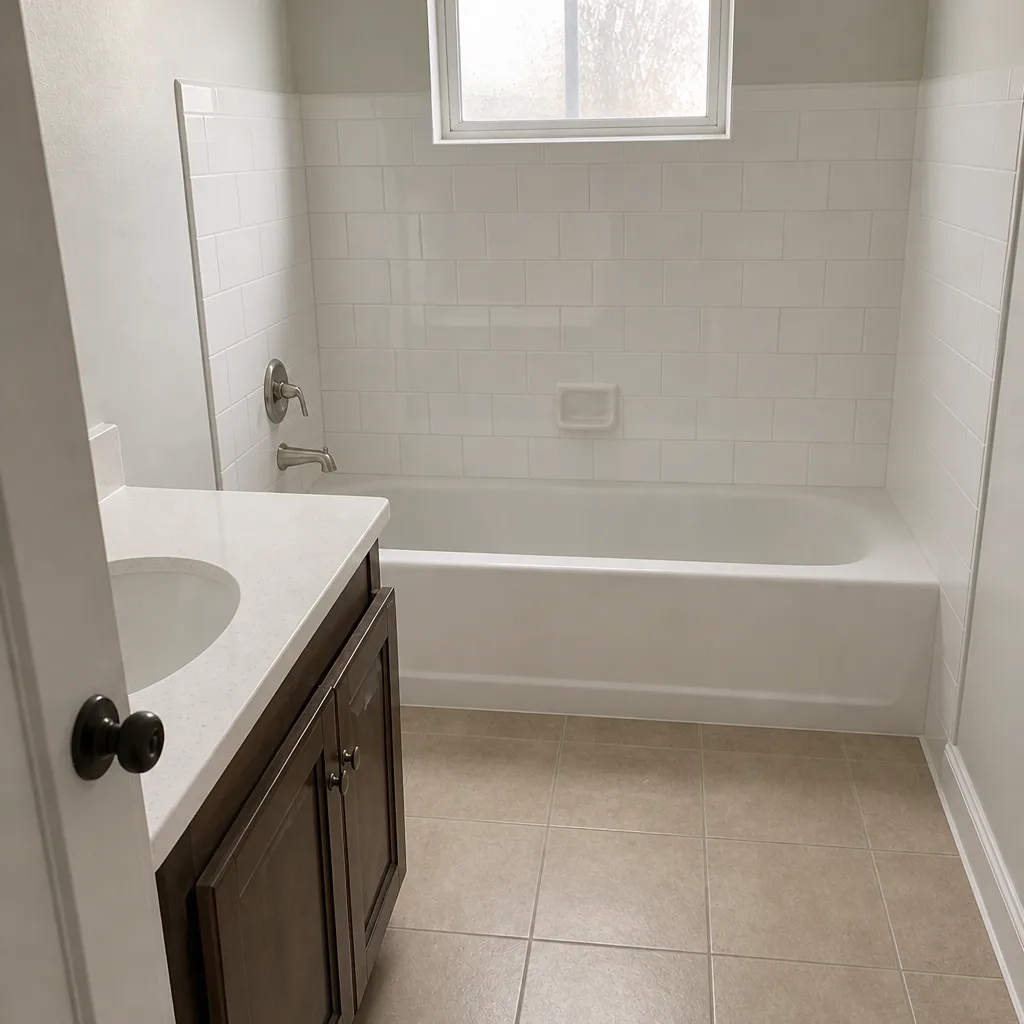
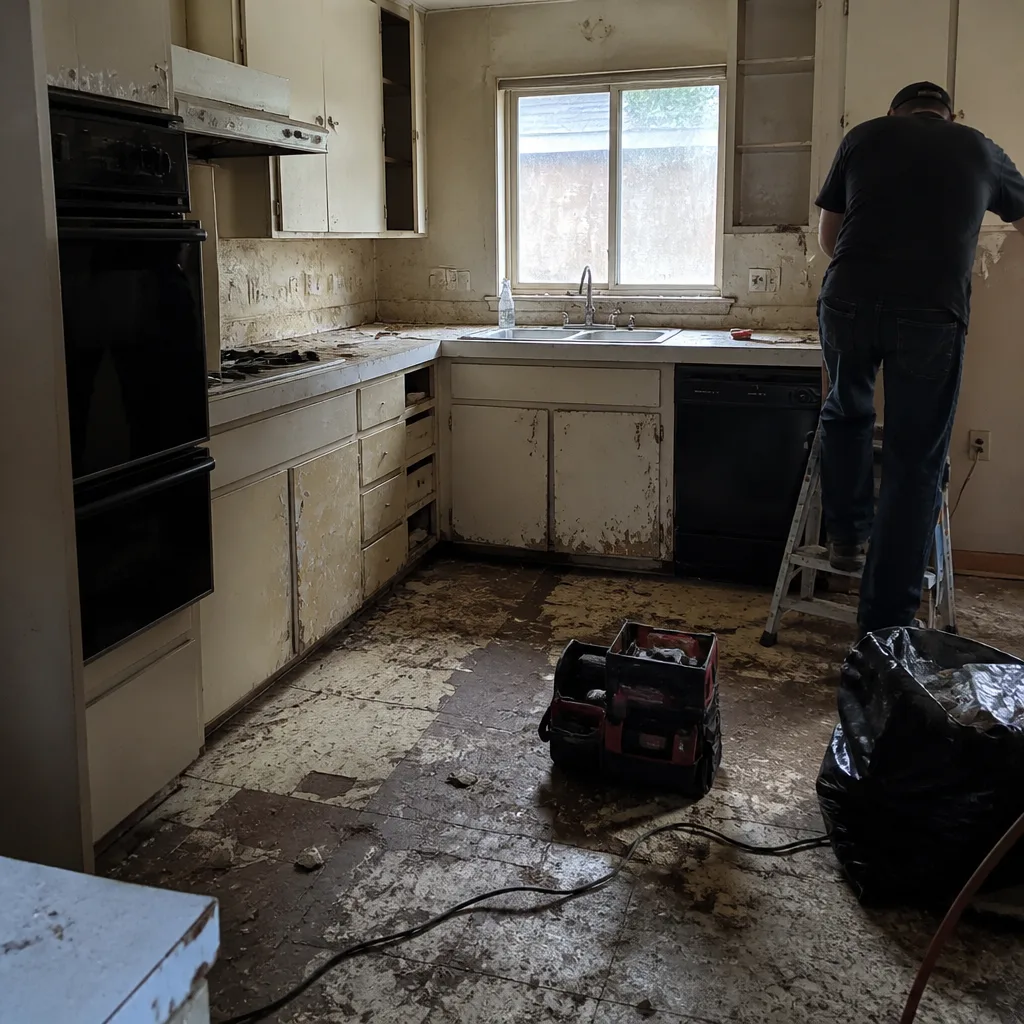
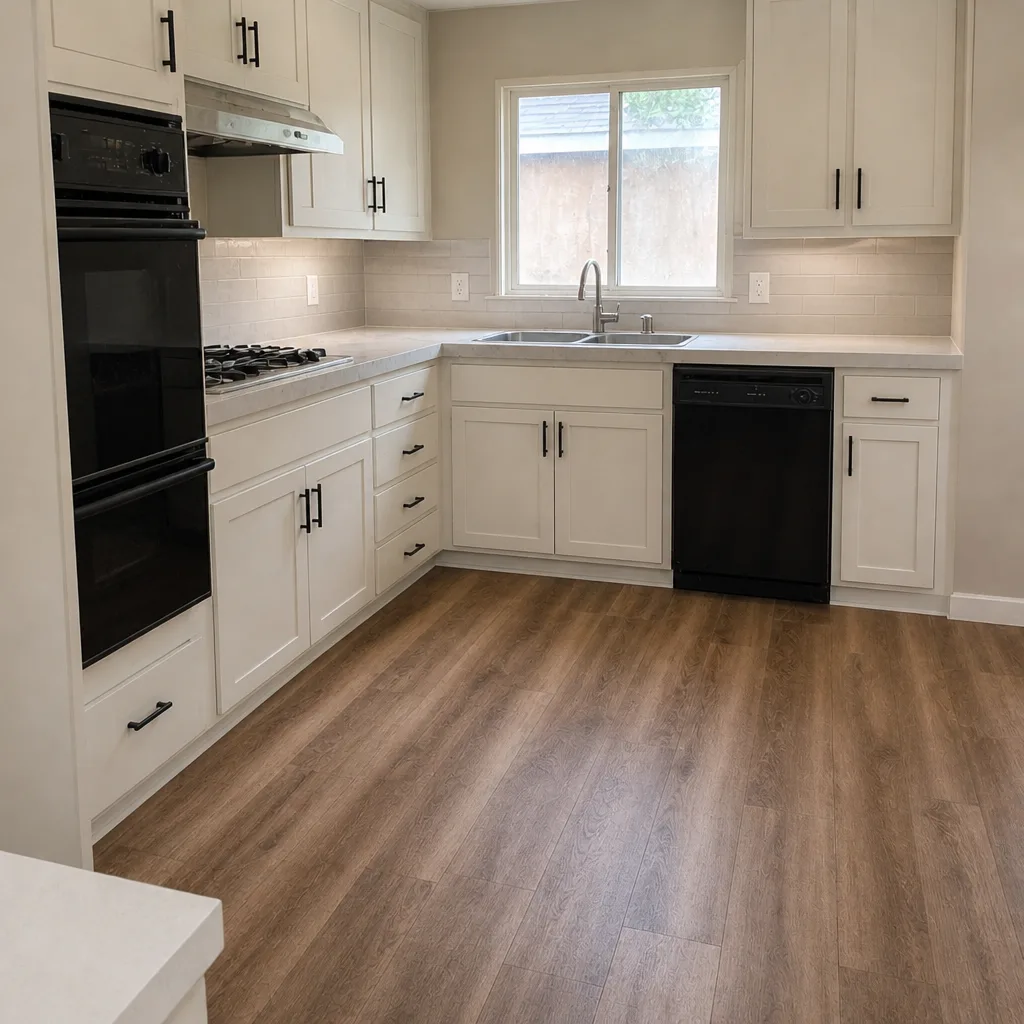
See the difference
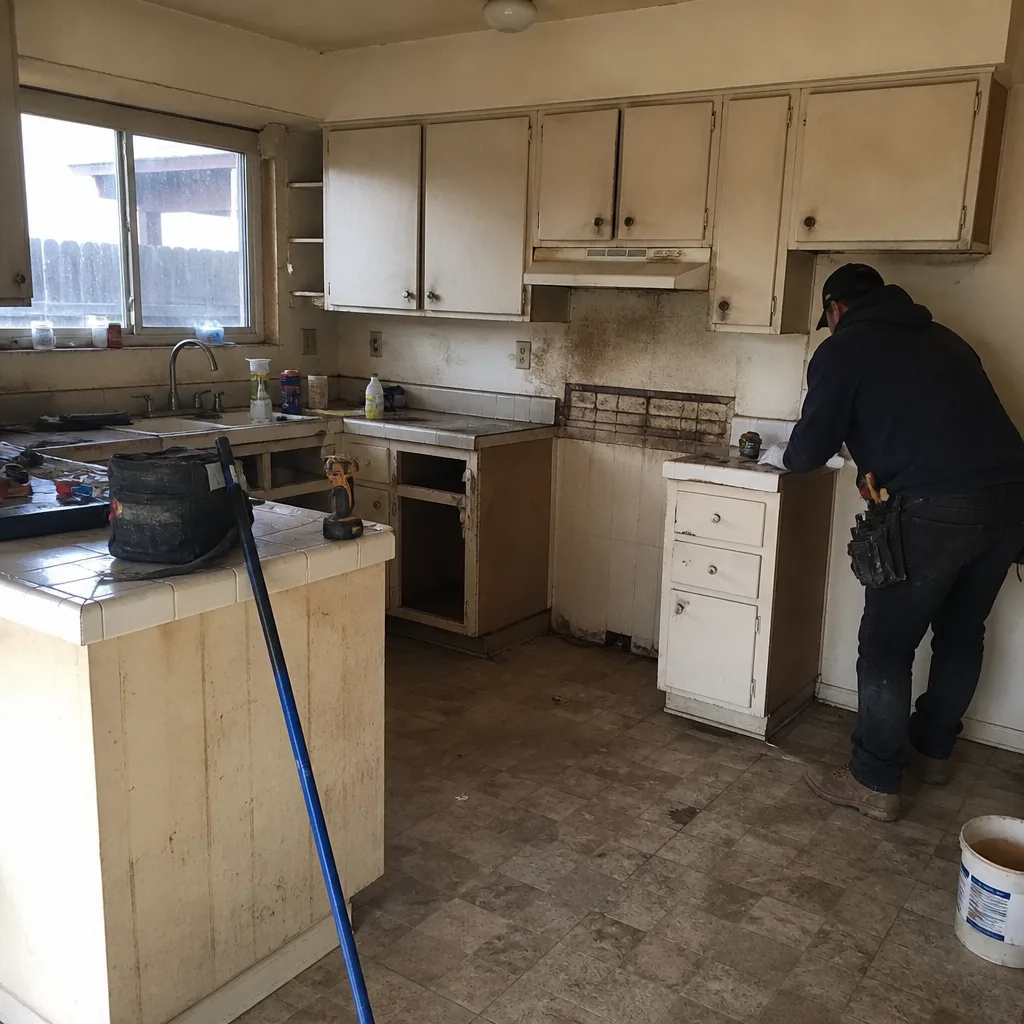 Before
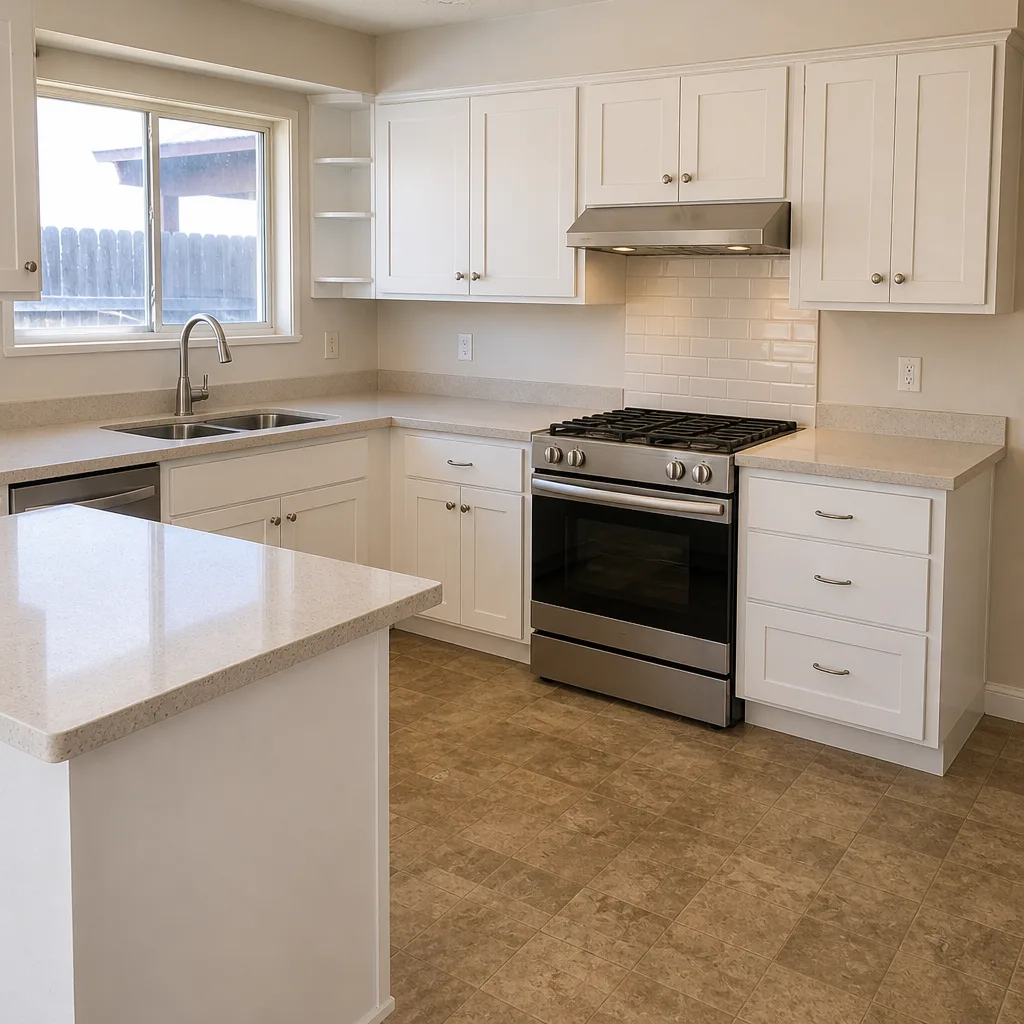 After
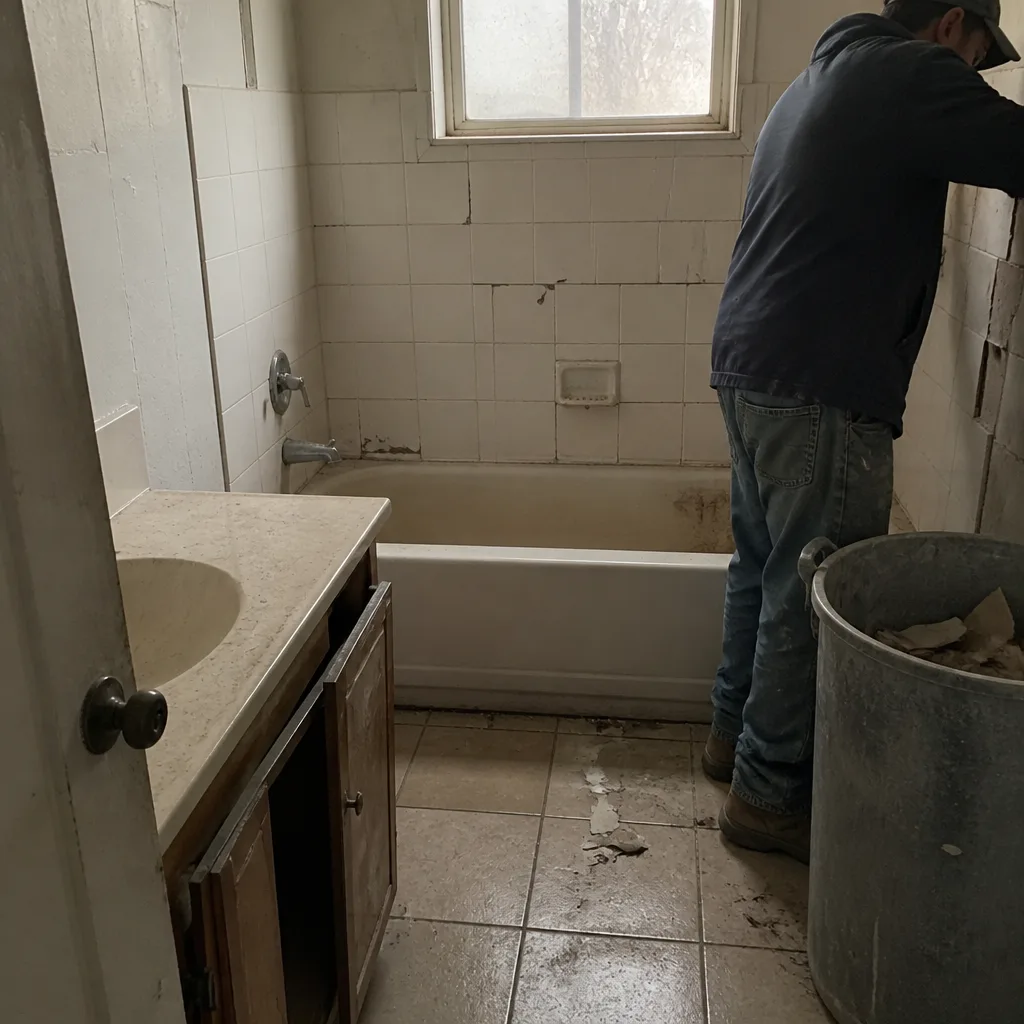 Before
 After
 Before
 After
Frequently Asked Questions
Once a year, in October, for most windows. Lubricate again in April only if the tracks have been heavily exposed to dust. The October timing matters more than the frequency – that’s when frames have contracted and lubrication actually prevents the binding that damages tracks.
Siliconized latex for paintable frame perimeters, pure silicone for masonry interfaces and any joint that sees standing water. In high-UV conditions, both need to be rated for exterior use with UV stabilizers. Siliconized latex typically lasts three to five years in Lancaster’s climate.
Run the paper-drag test. Close the door on a strip of paper and pull – it should resist and tear. If it slides out freely, or resists at one end but not the other, the seal isn’t compressing properly. Threshold replacement in Lancaster runs $180 to $400; ignoring it can lead to $1,500 to $4,000 in subfloor repair.
Clogged weep holes are the most common cause. Dust and debris pack into the drainage channel and water has nowhere to go but inward. Clear them with a plastic zip tie and flush with water; if the leak persists, the sill flashing is the next item to inspect.
No. WD-40’s petroleum distillates can soften vinyl and it collects dust in Lancaster’s dusty air. Use silicone spray for vinyl tracks, a petroleum-free lubricant for fiberglass, and graphite for lock cylinders. WD-40 is the wrong product for every window track.
Like-for-like replacements in the same opening typically don’t require a permit, but changing the opening size, adding a window where none existed, or altering structure around a door usually does. Your contractor should confirm the permit requirements for your specific scope before work begins. Call (844) 797-3312 for a free estimate and a straight answer on what your project needs.
The Bottom Line
The Lancaster maintenance schedule is built around two events: the April pre-heat inspection and the October pre-cold weatherstrip check. Everything else – quarterly weep hole clearing, annual lubrication in October, the paper-drag threshold test – fits between them. Use silicone spray for vinyl and a petroleum-free product for fiberglass, siliconized latex or pure silicone depending on the surface, and a plastic zip tie for weep holes. Watch for the 1 – 2 season warning signs on operators, hinges, and rollers. Catch them early and you’re looking at small fixes; ignore them and Lancaster’s temperature swing and dust turn cheap parts into expensive repairs. If you want a professional eye on your windows and doors, call Rowan Construction Group Lancaster at (844) 797-3312 for a free estimate.
Written by the team at Rowan Construction Group Lancaster.